
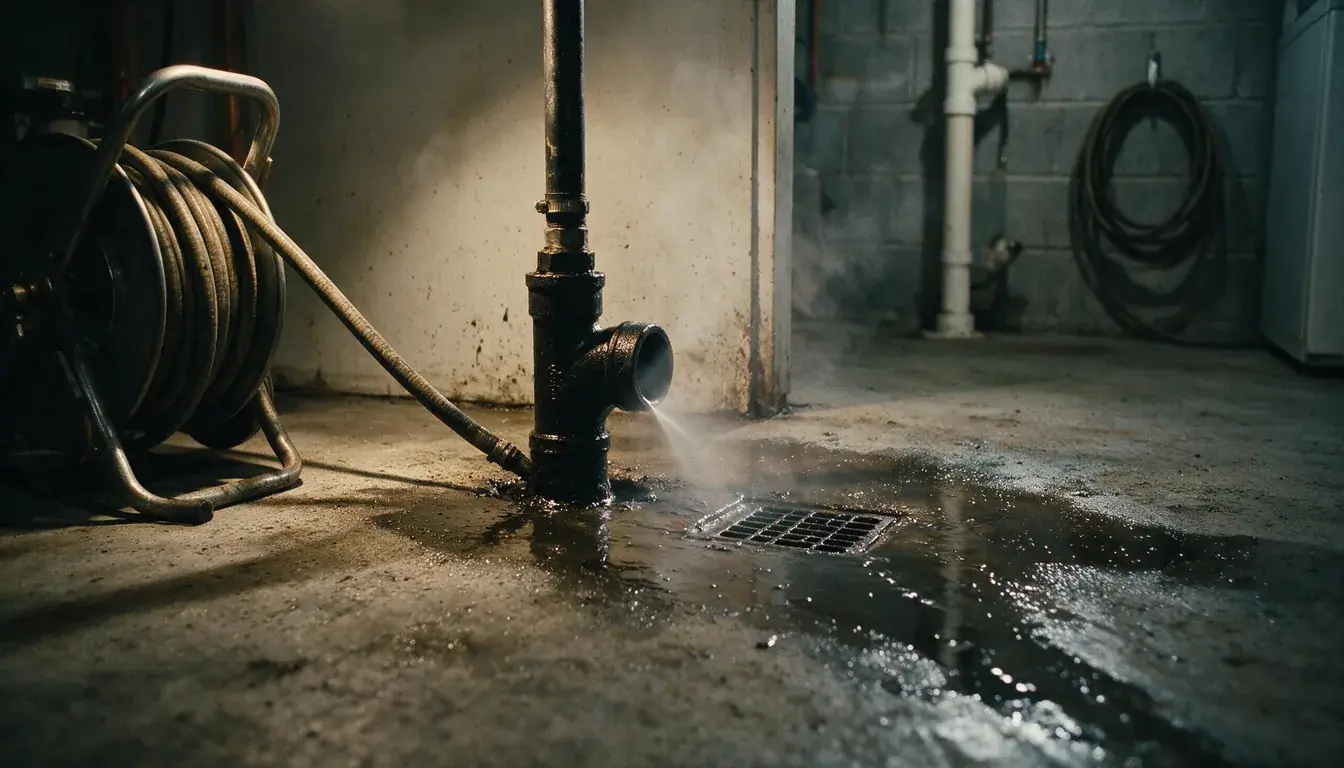
Emergency Hydro Jetting in Omaha, Nebraska
Hydro Jetting in Omaha, Nebraska is high-pressure water jetting to clear severe clogs and grease in main lines. Local conditions in Omaha: water measured at 13, a 42 frost line and a median home age of 56 years.
Camera first, quote second — know exactly what's wrong in your Omaha home before you approve a dollar.
Is hydro jetting in Omaha, NE the right job?
- Sewer Line Repair in Omaha
- Backups or sewage in the yard may point to a damaged sewer line that needs a section repaired.
- Sewer Line Replacement in Omaha
- Sewer backups keep returning and the existing line is too damaged for a section repair, so the line needs replacement.
- Pipe Camera Inspection in Omaha
- Drains keep backing up and the cause is unclear, so a camera inspection can help show a blockage or damage inside the pipe.
- Drain Cleaning in Omaha
- A sink, tub, or drain is slow or blocked, and the blockage needs clearing.
What does the local plumbing data show for Omaha, NE?
Seeing these conditions at your place in Omaha? Describe them on the call to a state-licensed local plumber — free, no obligation.
What are the pipe conditions in Omaha, NE?
Hydro-jetting in Omaha clears what drain snaking leaves behind: scale buildup from hard water, grease layers coating pipe walls, and root tendrils that regrow from fragments left by a cable machine. The process uses 3,000–4,000 PSI water pressure through a rotating nozzle that scrubs the pipe wall — not just punches through the blockage. A camera scope before jetting confirms the pipe can withstand high pressure and identifies any structural defects that jetting would worsen. AlertPlumber connects your call with an independent Nebraska-licensed plumber — ask them to scope the line before jetting.
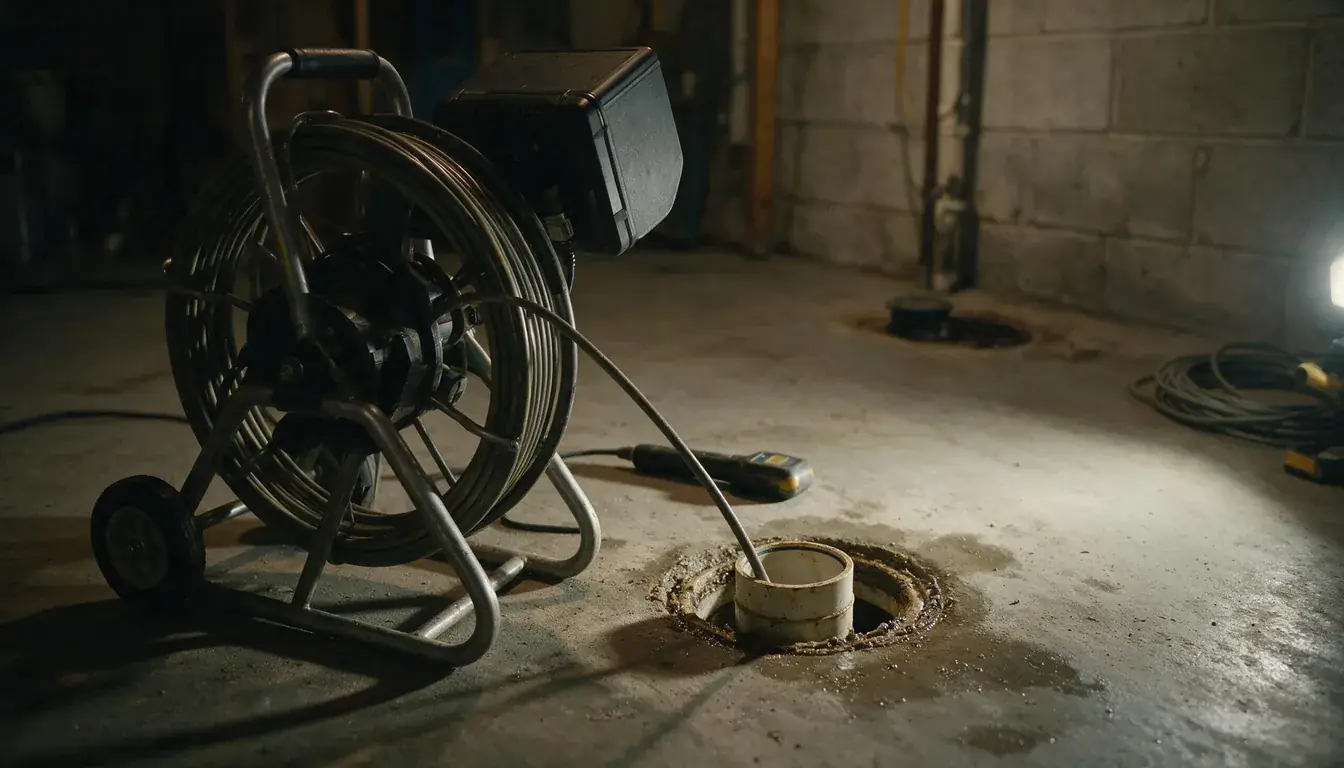
Omaha's housing stock spans multiple construction eras — median home age 56 years — meaning pipe materials and failure modes vary significantly by neighborhood and building vintage. An inspection-led approach that confirms pipe material before recommending a service path is standard practice for mixed housing profiles. Homes of other eras in Omaha may have galvanized pipe, copper pipe or polybutylene supply lines instead; ask the plumber which your home has.
Very hard water in Omaha is a primary driver of accelerated appliance failure: water heater anode rods exhaust in 2–3 years instead of 6–8, scale deposits at fixture connections form within months of installation, and tankless heat exchangers accumulate mineral buildup that can reduce lifespan by half without regular descaling. A softener or whole-house conditioner is strongly recommended alongside any appliance service call.
Frost line depth in Omaha means supply lines and outdoor plumbing must be installed below the freeze threshold — typically 42 — to prevent pipe burst during cold events. Exterior hose bibs, irrigation shutoffs, and any exposed pipe runs are the most common winterization service points in freeze-risk markets.
- Median home age
- 56 yrs
- Water hardness
- 13 gpg
- Frost line
- 42 in.
- Permit
- City fee schedule
Census housing age, Omaha city, Nebraska: median year built 1973; 32.2% of homes built before 1960, 60.9% before 1980. Source: U.S. Census Bureau, ACS 2020–2024 5-year estimates, tables B25034 and B25035, read 2026-09-30.
Mention these conditions when you describe the symptom to the NE plumber you reach.
What shapes plumbing demand in Omaha, NE?
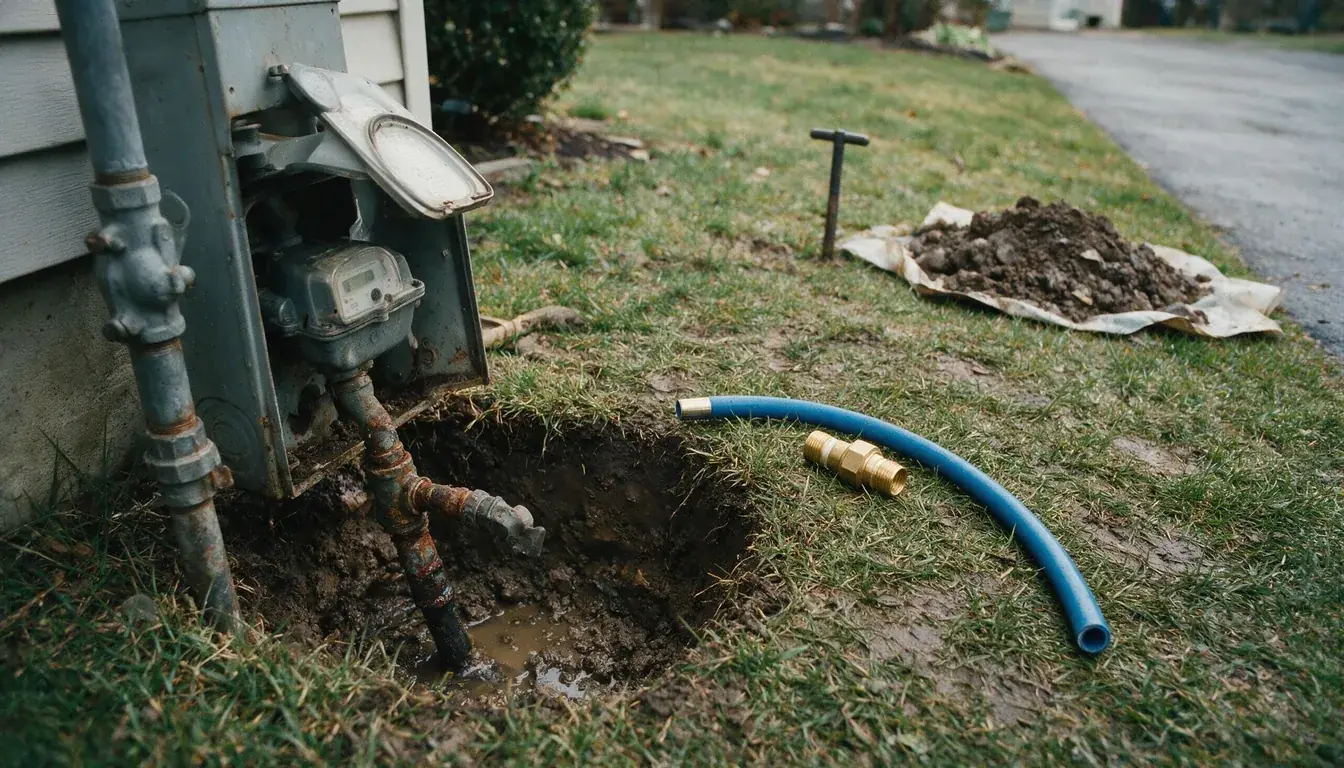
1950s–70s copper supply is now 50–70 years into its service cycle in Omaha. Thermal fatigue at fittings and slab-on-grade access complexity — common in Sun Belt construction — make repair vs. replacement a live decision on most jobs. This housing cohort is the active primary replacement wave in this market.
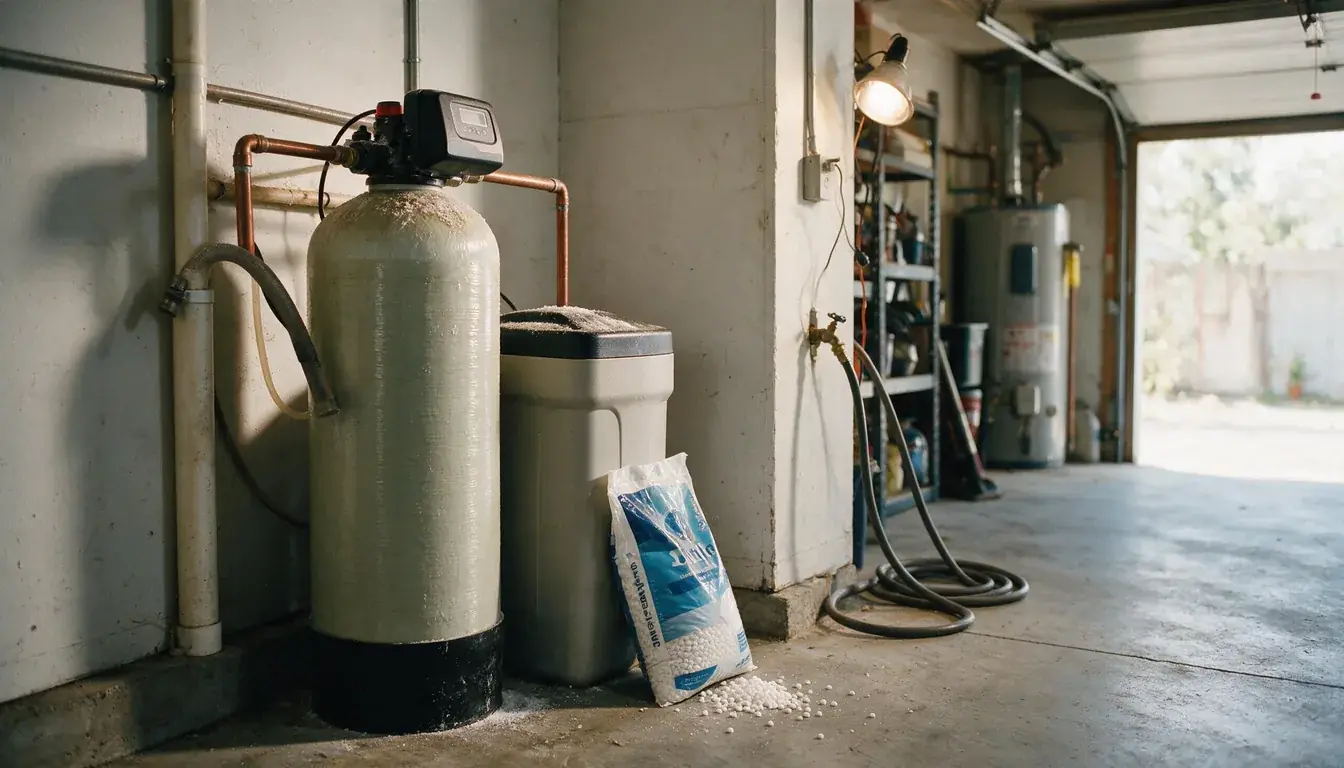
At 15–20+ GPG, calcium scale forces compressed equipment cycles in Omaha: tank heaters average 6–9 years vs. the 10–12-year national benchmark, and tankless units require annual descaling. Anode rods calcify within 12–18 months. Most plumbers here assess heater age against the local scale timeline — not the manufacturer's service life.
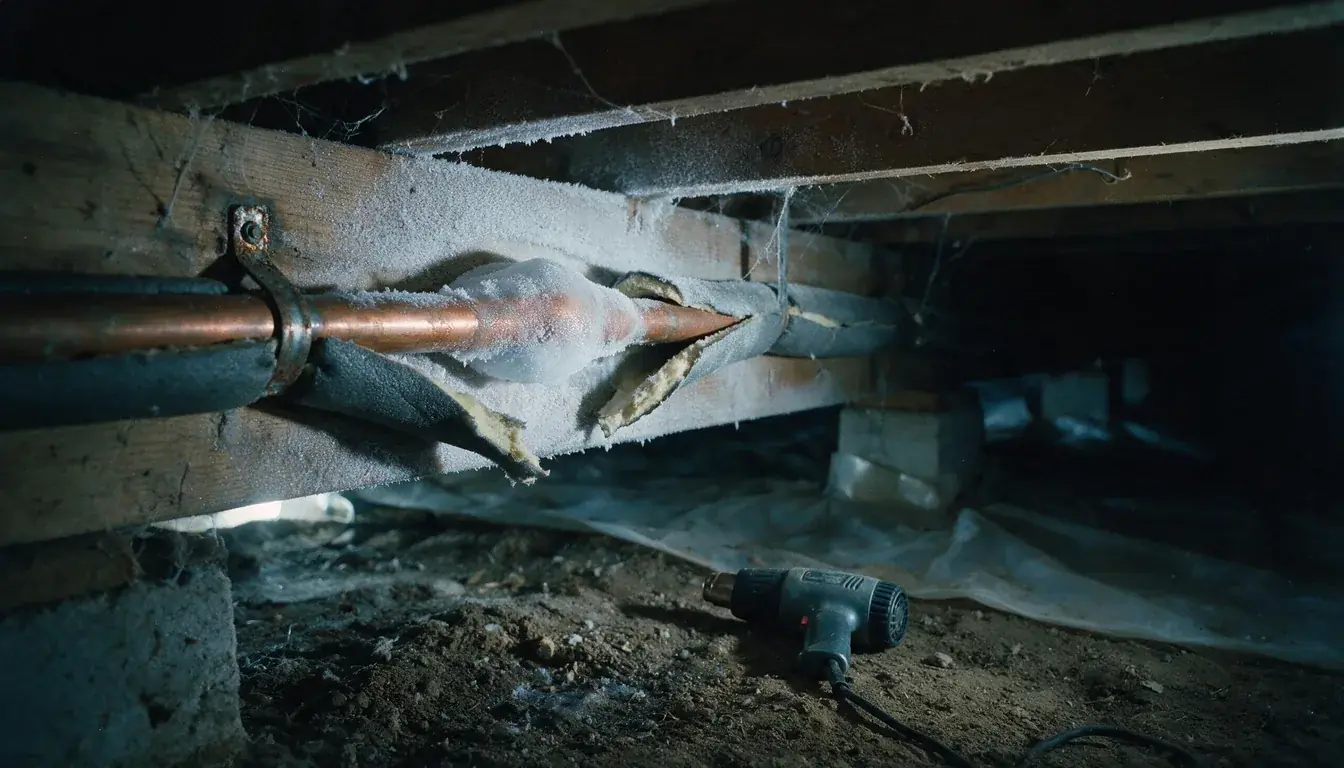
The primary surge in Omaha runs January–March, with a secondary wave at the spring thaw — when pipes that held through the freeze rupture as pressure is restored above 32°F. Scheduling competition peaks exactly when emergency calls are highest. Homeowners who wait for visible damage compete for the same limited plumber slots at the worst possible time.
Why diagnose before repairing in Omaha?
Describe the symptom — not the repair. AlertPlumber routes the call to an independent NE-licensed plumber in its partner's network — ask whether the site visit will use camera tracing, acoustic detection, or hydrostatic pressure testing matched to the reported failure type.
Ask the plumber for a written diagnostic report: confirmed failure location, available repair methods, and tradeoffs — disruption level, material durability, long-term cost, and whether an Omaha building permit applies to the selected method.
You select the repair path. Ask for a fixed scope and price on the authorized method before the Nebraska-licensed plumber proceeds and, where required, who files the permit application to Omaha.
Hydro Jetting cost calculator — Omaha
Pre-filled for hydro jetting in Omaha. Adjust the ZIP for a neighboring area, or change the service to compare. Calculator pulls from the city's scraped permit-fee + state plumber-density data.
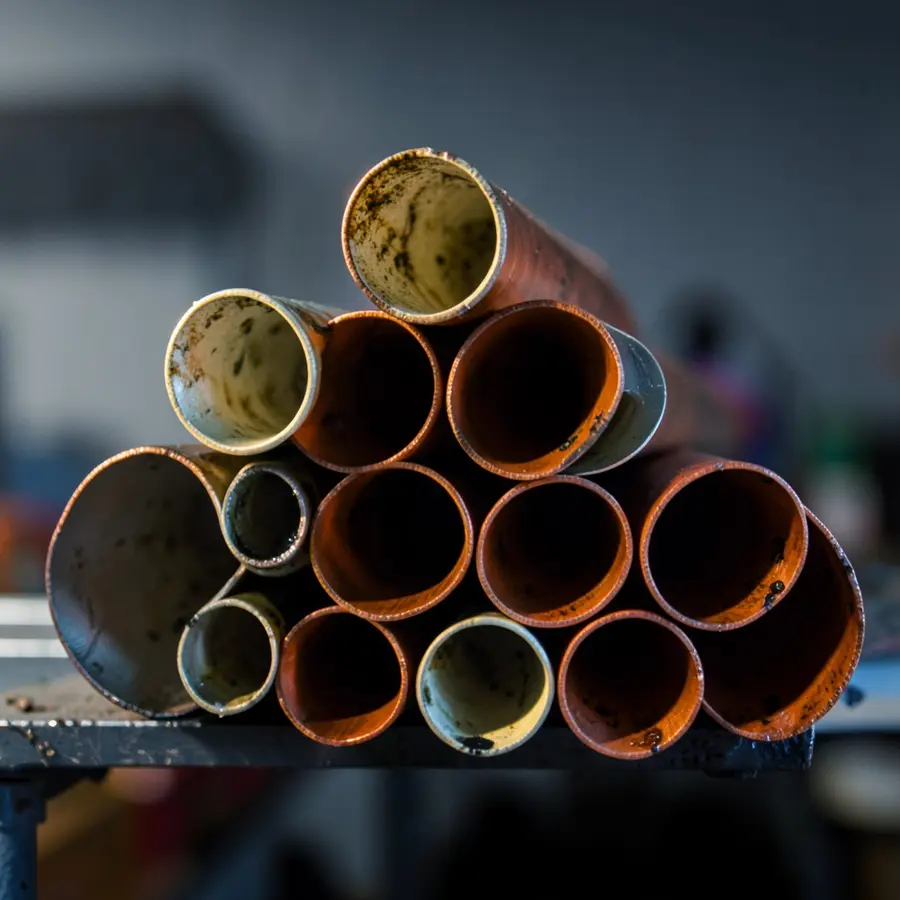
Hydro Jetting in Omaha — the longer it runs, the more it costs.
Slow failures compound: soft pipe walls, root penetration, mineral buildup. Ask the plumber you reach for a scope-first estimate before anything is dug up.
What else do people ask about hydro jetting in Omaha?
How much does hydro jetting cost in Omaha?
Hydro jetting an Omaha residential 4-inch lateral typically runs a scope-based price — a 75-foot Dundee or Benson 1900s-clay run lands all-in, with the pre-jet camera scope adding a separate charge. Loess-soil exterior cleanout retrofit on an early-1900s Dundee bungalow that lacks a code-modern two-way cleanout can add a separate charge the first visit — the wind-deposited silt substrate (USGS Loess Hills geology) shifts seasonally and complicates excavation depth at the property line. The Omaha Permits & Inspections fee does NOT trigger for routine maintenance jetting per IPC § 707, but kicks in if the camera reveals freeze-heave joint separation needing sectional repair after a 42-inch frost-line winter. Old Market 1880s warehouse-conversion grease-corridor work and Blackstone / Aksarben Village restaurant runs go inexpensive given the heavier FOG load and after-hours scheduling. West Omaha and Elkhorn 1990s-and-newer PVC tract builds run cheaper — a scope-based price — because the runs are short, accessible, and the pipe takes the pass without staging concerns. Price ranges: hydro jetting cost guide.
What symptoms tell me my Omaha drain needs hydro jetting (not just a snake)?
Cable a Dundee or Benson kitchen line clear and you're back in three weeks — that's the tell. Snakes (cable augers) punch a hole through the blockage; jetting scours the full circumference of the pipe wall. Specific Omaha symptoms that point to jetting: (1) recurring kitchen-line backups in 1900s-30s Dundee or Benson clay laterals where MUD's 13-gpg hard water (Missouri River source treated by Metropolitan Utilities District) has plated carbonate scale onto the inner wall over a century, (2) gurgling floor-drains in Old Market 1880s warehouse conversions where commercial-residential conversion left mixed-era piping, (3) post-thaw March-April backups after a 131-freeze-day winter cracks Loess-soil-bedded joints, (4) post-tornado-season April-June debris (silt + leaf-litter + storm wash) packed into laterals after severe-weather flooding (NOAA NWS Omaha), (5) slow tubs in Aksarben or Blackstone craftsman homes where oak and elm root masses have entered through century-old clay joints. Camera-scope confirmation per NASSCO standards is required before any jet pass.
Why does Omaha specifically need hydro jetting over straight cable work?
Five Omaha-specific factors stack up. (1) Dundee and Benson 1900s-1930s clay laterals — these neighborhoods predate PVC by 60+ years and the bell-and-spigot joints in oxidized clay tile are root-intrusion magnets under the mature oak and elm canopy. (2) Oak and elm fine-root mass — Omaha's mature urban forest in Dundee, Field Club, and Bemis Park sends fine roots through hairline joint cracks; cable just punches a channel, jetting removes the root mat. (3) 13-gpg MUD carbonate scale — Missouri River source water carries calcium-magnesium-carbonate hardness that plates the inside of cast-iron drain stacks in 1968-median-built Omaha homes; only jetting (or a chain-knocker pass) restores diameter. (4) Loess-soil seasonal heave — wind-deposited silt substrate behaves differently from alluvial or limestone bedding and shifts laterals year-over-year, accumulating debris at low spots. (5) Tornado-belt April-June flood debris — severe-weather events push silt and leaf-litter into laterals via downspout and yard-drain crossovers. Cable can't address #2, #3, or #5; jetting can.
Can hydro jetting cut oak and elm roots in my Dundee or Benson lateral?
Yes, with the right nozzle. The mature oak-elm canopy across Dundee, Field Club, Bemis Park, and Benson has been sending fine roots into 1900s-1930s clay-tile bell-and-spigot joints for a century — and a properly-spec'd root-cutter nozzle on a 3,000–4,000 PSI residential rig pulverizes the root mass and flushes the debris out the downstream cleanout. What jetting does NOT do: kill the tree (the canopy is unaffected) or seal the joint entry point. Roots regrow through that same crack over 2–5 years depending on whether it's oak (slower, woodier regrowth) or elm (faster, finer-root regrowth). To slow regrowth on Omaha's Dundee and Benson tree-canopy laterals: annual copper-sulfate-based root-inhibitor treatment (applied via toilet flush). For a permanent fix on a Dundee 1900s clay lateral with multiple intrusion points: trenchless CIPP lining or full pipe replacement that creates a continuous joint-free run roots can't re-enter — see the sewer line repair guide for which option fits which lateral condition. Price ranges: hydro jetting cost guide.
What PSI is right for 1900s Dundee clay vs West Omaha PVC?
Material drives PSI in Omaha and the spread is wide. (1) Dundee, Benson, Field Club 1900s-1930s clay tile: 1,800–2,800 PSI is the working range — a century of MUD carbonate exposure plus Loess-soil seasonal heave has thinned and embrittled the bell-and-spigot sections, and 4,000 PSI on a marginal joint blows it open and washes out bedding silt. The pre-jet camera per NASSCO inspection standards identifies which sections can take which pressure. (2) Old Market 1880s warehouse-conversion mixed-era cast-iron: 2,500–3,200 PSI for descaling, with chain-knocker only on sections the camera confirms have wall thickness left. (3) West Omaha and Elkhorn 1990s-and-newer PVC and ABS: full 3,500–4,000 PSI is fine — modern solvent-welded PVC takes the pass without joint concern. (4) Aksarben Village and Blackstone restaurant grease-corridor cast-iron: 3,000–4,000 PSI with a rotating-jet nozzle to scour FOG layers. Match PSI to pipe — wrong setting destroys marginal pipe.
How often should I preventatively hydro-jet in Omaha (post-tornado-season + post-thaw cadence)?
Omaha's 131-freeze-day continental winter and April-June tornado-belt severe-weather season set the cadence — different from milder cities. (1) Post-thaw March-April camera + jet: after the 42-inch frost line releases, Loess-soil bedding shifts and any cracked joints from the freeze cycle show up; a March or April camera scope catches them before backup season. (2) Post-tornado-season July camera + jet: after April-June severe-weather pushes silt and leaf-litter into laterals via downspout and yard-drain crossovers, a mid-summer pass clears the accumulation. (3) Cadence by home era: Dundee, Benson, Field Club 1900s-1930s clay laterals — every 2–4 years preventive jet (annual camera). Old Market and downtown 1880s mixed-era — every 3–5 years. West Omaha and Elkhorn 1990s+ PVC with no mature canopy — reactive only, 8–15 years between needs. Aksarben Village and Blackstone restaurant grease laterals — every 12–18 months. The 1968 median-build profile puts most Omaha homes in the 4–7 year cadence.
Does my Nebraska HO-3 homeowners policy cover hydro jetting?
Standard Nebraska HO-3 policies do NOT cover routine drain maintenance — including preventive hydro jetting. They MAY cover the consequential damage from a backup (water-extraction, drywall, flooring, contents) IF you carry a sewer-line backup endorsement (commonly called "water backup and sump overflow" coverage), which is an add-on running a scope-based price on a Nebraska HO-3 policy. Without the endorsement, the carrier denies the entire claim — including the cleanup. Separate from the backup endorsement, some Nebraska carriers also offer a service-line endorsement covering the buried lateral itself (pipe replacement on the homeowner's side of the property line, where MUD's responsibility ends) — useful on Dundee, Benson, and Field Club homes with century-old clay laterals running under mature oak-elm canopy. Tornado, hail, and ice-dam coverage is standard but doesn't extend to drain lines. Read your specific policy's exclusions section and confirm both endorsements with your agent in writing before assuming coverage on a Loess-soil lateral failure. Price ranges: hydro jetting cost guide.
How long does hydro jetting take in Omaha (and what's the winter excavation window)?
Indoor jetting from an existing cleanout: 90 minutes to 3 hours for a residential lateral, 4–8 hours for a commercial Old Market or Aksarben Village restaurant grease line. Add the 30–60 minute pre-jet camera scope. The Omaha-specific complication is the Nov-March winter excavation window: with a 42-inch frost line and 131 freeze days, any work requiring exterior cleanout retrofit, lateral repair, or yard-side excavation gets pushed to April-October if the ground is frozen — which means a December camera revealing a sheared Dundee clay joint may not get repaired until spring thaw. Winter-emergency interior-only work (cleanout-to-stack jetting, descaling) proceeds year-round inside the heated envelope. Loess-soil excavation specifics: the wind-deposited silt substrate requires shoring at depths over 4 feet (per OSHA Subpart P trenching standards) and behaves differently from alluvial bedding — Nebraska-credentialed plumbers familiar with Loess Hills geology know to over-excavate and re-bed in compacted fill rather than native silt to prevent future settling.
What permit and credential checks apply to hydro jetting in Omaha?
Routine maintenance jetting does NOT require an Omaha plumbing permit per IPC § 707 — the Omaha Permits & Inspections fee triggers only when the camera reveals work crossing into "construction" (sectional repair, cleanout retrofit, lateral replacement). The credential side is non-negotiable: the operator must hold an active Nebraska Plumbing State Examining Board (NE PSEB) credential — 3,820 active NE PSEB plumbers statewide as of 2024. (Note this is a different credential body from Oklahoma CIB, Kansas plumbing licensing, or Ohio OCILB — Nebraska runs its own state board through DHHS.) MUD service-line work on the utility-side of the meter is MUD jurisdiction, not homeowner; the homeowner's responsibility starts at the property line. Verify the specific operator on the NE PSEB lookup before authorizing — high-pressure water cutting is an OSHA-classified fluid-injection hazard and an unverified operator on a 1900s Dundee clay lateral is the fastest way to a destroyed pipe. Permit fee ranges: permit fee estimator.
When should AlertPlumber-matched Omaha plumbers camera-scope first vs jet immediately?
Camera first. Always, on any Omaha home with a 1968 or earlier median build year — which is most of the housing stock east of 72nd Street. A 30-second pre-jet camera tells the matched plumber the lateral material (1900s-1930s clay tile in Dundee/Benson/Field Club vs 1990s+ PVC in West Omaha/Elkhorn vs 1880s mixed-era in Old Market), the joint condition (intact vs sheared by 42-inch-frost-line freeze-thaw or Loess-soil seasonal heave), wall thickness on cast-iron drain stacks plated with MUD's 13-gpg carbonate scale, and the actual cause of the blockage (oak/elm root mass at clay joints, mineral scale, FOG from a Blackstone or Aksarben restaurant lateral, post-tornado-season silt debris, or a hard object). Skipping the scope is the #1 way amateur jetting destroys marginal pipe — running 4,000 PSI through a sheared century-old Dundee clay joint blows it open further and washes out the Loess-silt bedding. Per NASSCO drain-cleaning standards and ASTM F1216, the pre-jet inspection is documented best practice. AlertPlumber-matched Omaha plumbers carry the scope as standard equipment — refuse any operator who wants to jet without it.
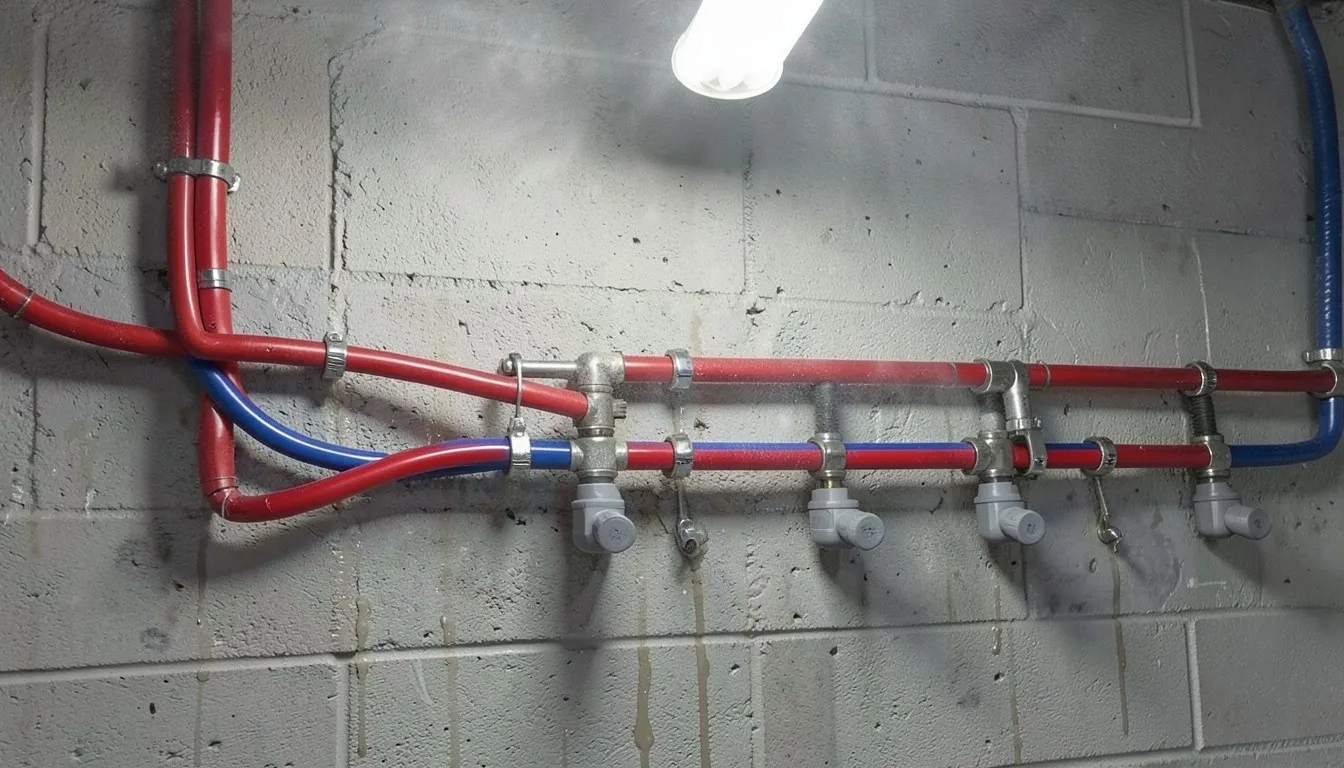
The fix gets cheaper the sooner a plumber sees it.
Degradation problems compound quietly. Call now, or use the form below to reach an independent Nebraska plumber, and ask for an estimate for the hydro jetting — you are under no obligation.
Need a hydro jetting callback in Omaha?
In a meeting, with the kids, or just prefer not to call? Drop your ZIP and number below. AlertPlumber sends your request to our routing partner — if a participating plumber serves your area, they may call you back directly. For anything urgent, call the number on this page.
- 1 Submit your info. ZIP, phone, and what kind of work you need.
- 2 AlertPlumber passes it on to our routing partner for your area.
- 3 If a participating plumber serves your area, they may call you back. Ask for a written estimate before work starts.
Hydro Jetting in Omaha — catch it early
Degradation-driven failures worsen over time and cost more to fix the longer they run. Ask the independent NE plumber you reach in Omaha to diagnose your specific condition and put the scope in writing before any work begins.