
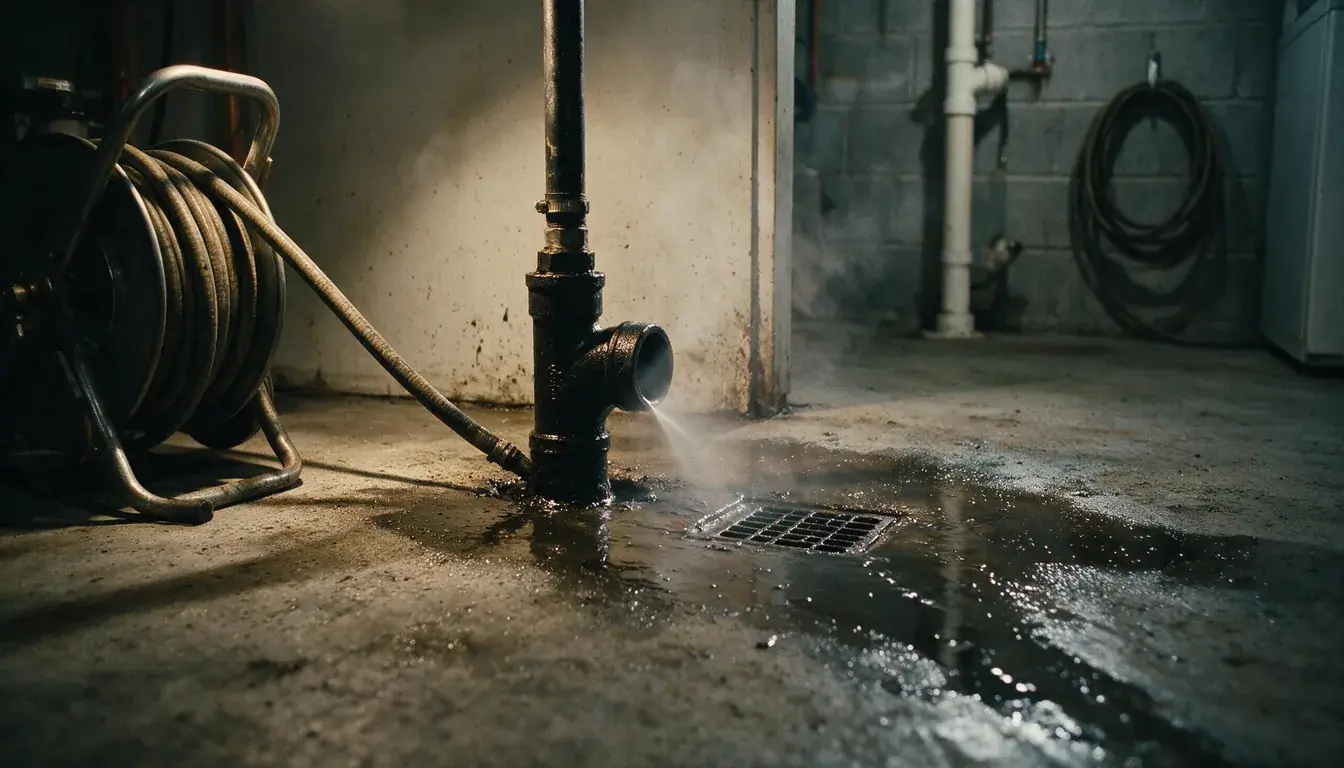
Emergency Hydro Jetting in Springfield, Illinois
Hydro Jetting in Springfield, Illinois is high-pressure water jetting to clear severe clogs and grease in main lines. Local conditions in Springfield: water measured at 15 gpg, a 28 in frost line and a median home age of 60 years.
Camera first, quote second — know exactly what's wrong in your Springfield home before you approve a dollar.
What does the local plumbing data show for Springfield, IL?
Seeing these conditions at your place in Springfield? Describe them on the call to a state-licensed local plumber — free, no obligation.
What are the pipe conditions in Springfield, IL?
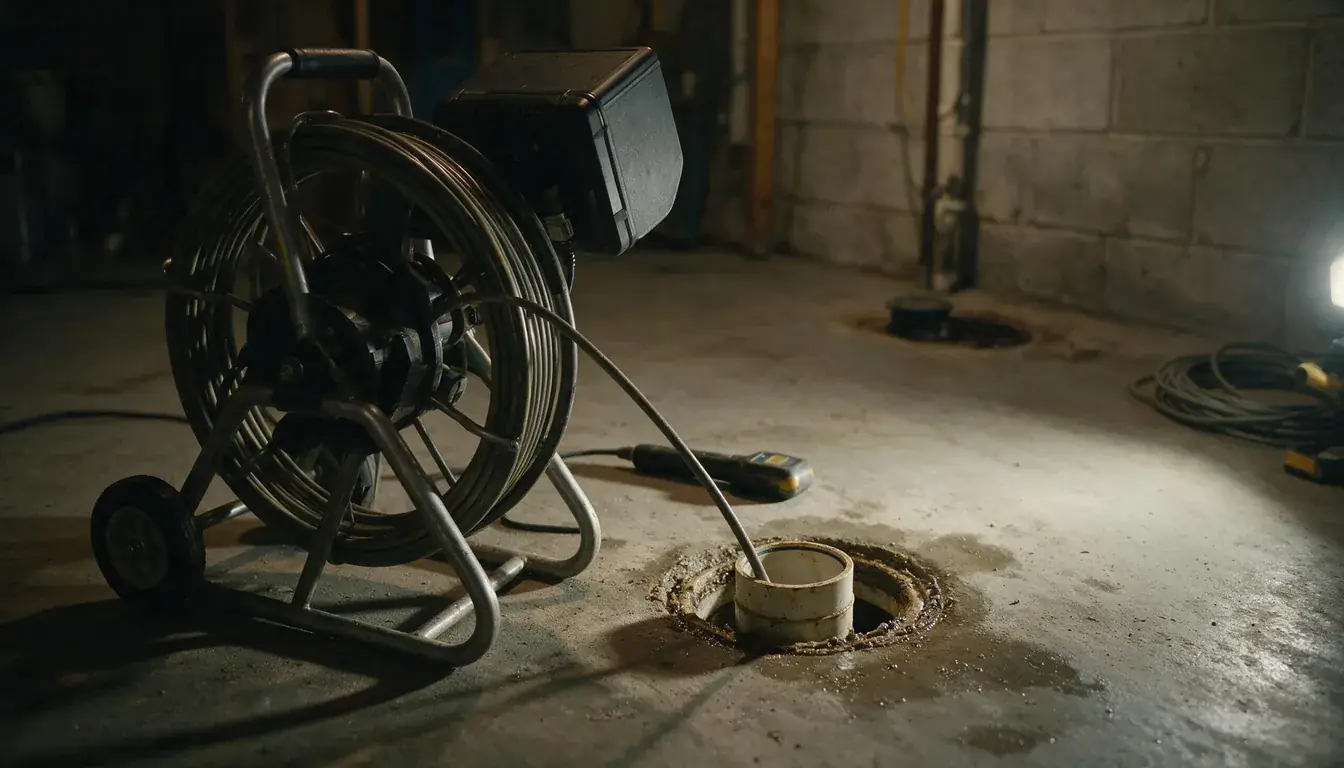
Hydro-jetting in Springfield clears what drain snaking leaves behind: scale buildup from hard water, grease layers coating pipe walls, and root tendrils that regrow from fragments left by a cable machine. The process uses 3,000–4,000 PSI water pressure through a rotating nozzle that scrubs the pipe wall — not just punches through the blockage. A camera scope before jetting confirms the pipe can withstand high pressure and identifies any structural defects that jetting would worsen. AlertPlumber connects your call with an independent Illinois-licensed plumber — ask them to scope the line before jetting.
Springfield's housing stock spans multiple construction eras — median home age 60 years — meaning pipe materials and failure modes vary significantly by neighborhood and building vintage. An inspection-led approach that confirms pipe material before recommending a service path is standard practice for mixed housing profiles. Homes of other eras in Springfield may have galvanized pipe, copper pipe or polybutylene supply lines instead; ask the plumber which your home has.
Very hard water in Springfield is a primary driver of accelerated appliance failure: water heater anode rods exhaust in 2–3 years instead of 6–8, scale deposits at fixture connections form within months of installation, and tankless heat exchangers accumulate mineral buildup that can reduce lifespan by half without regular descaling. A softener or whole-house conditioner is strongly recommended alongside any appliance service call.
Frost line depth in Springfield means supply lines and outdoor plumbing must be installed below the freeze threshold — typically 28 in — to prevent pipe burst during cold events. Exterior hose bibs, irrigation shutoffs, and any exposed pipe runs are the most common winterization service points in freeze-risk markets.
- Median home age
- 60 yrs
- Water hardness
- 15 gpg
- Frost line
- 28 in
- Permit
- City fee schedule
Census housing age, Springfield city, Illinois: median year built 1972; 34.2% of homes built before 1960, 65% before 1980. Source: U.S. Census Bureau, ACS 2020–2024 5-year estimates, tables B25034 and B25035, read 2026-09-30.
Mention these conditions when you describe the symptom to the IL plumber you reach.
What shapes plumbing demand in Springfield, IL?
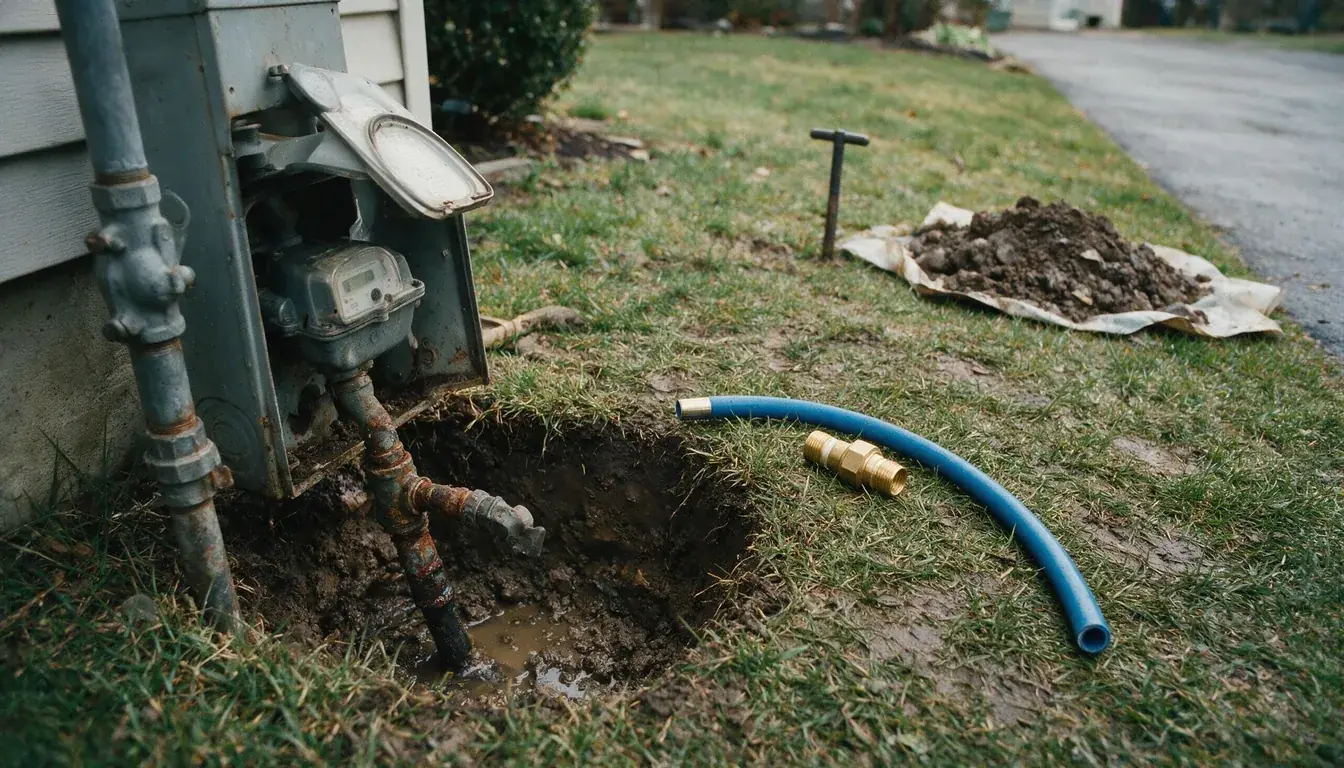
1950s–70s copper supply is now 50–70 years into its service cycle in Springfield. Thermal fatigue at fittings and slab-on-grade access complexity — common in Sun Belt construction — make repair vs. replacement a live decision on most jobs. This housing cohort is the active primary replacement wave in this market.
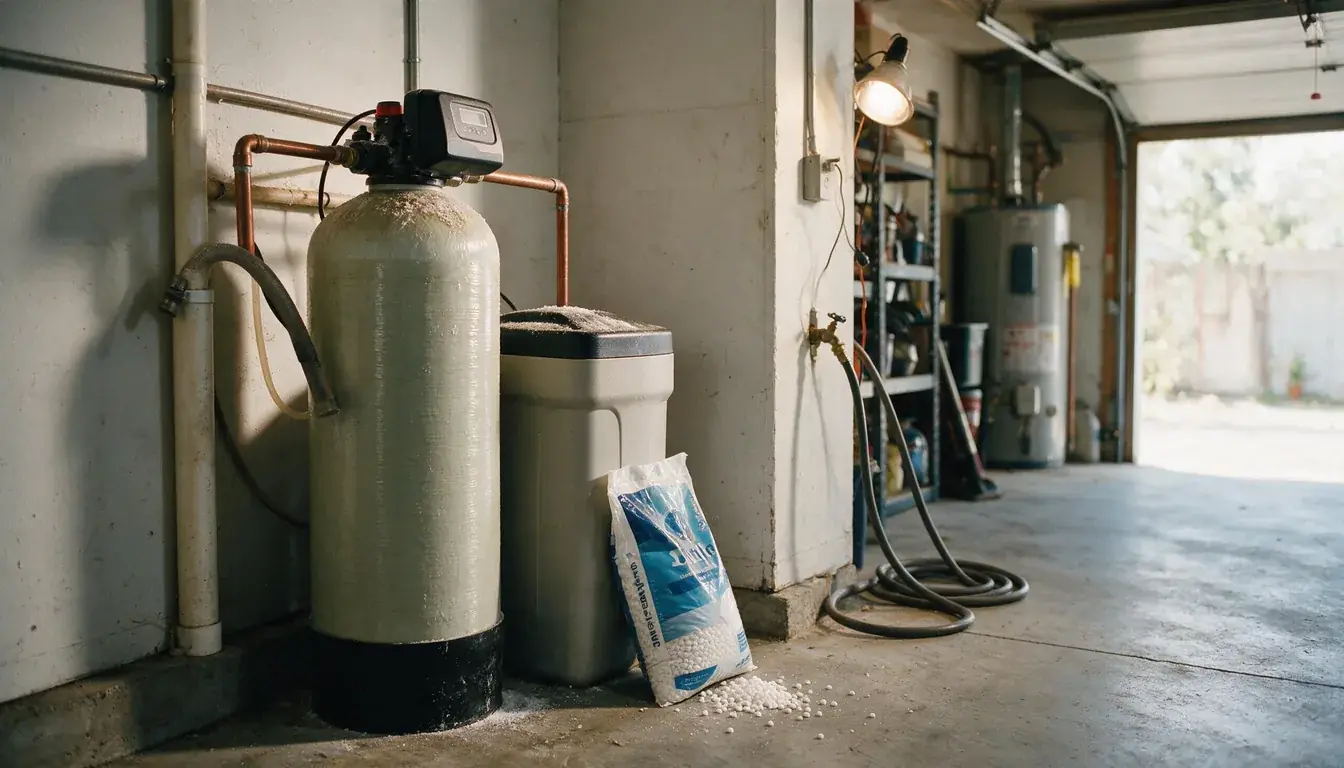
At 15–20+ GPG, calcium scale forces compressed equipment cycles in Springfield: tank heaters average 6–9 years vs. the 10–12-year national benchmark, and tankless units require annual descaling. Anode rods calcify within 12–18 months. Most plumbers here assess heater age against the local scale timeline — not the manufacturer's service life.
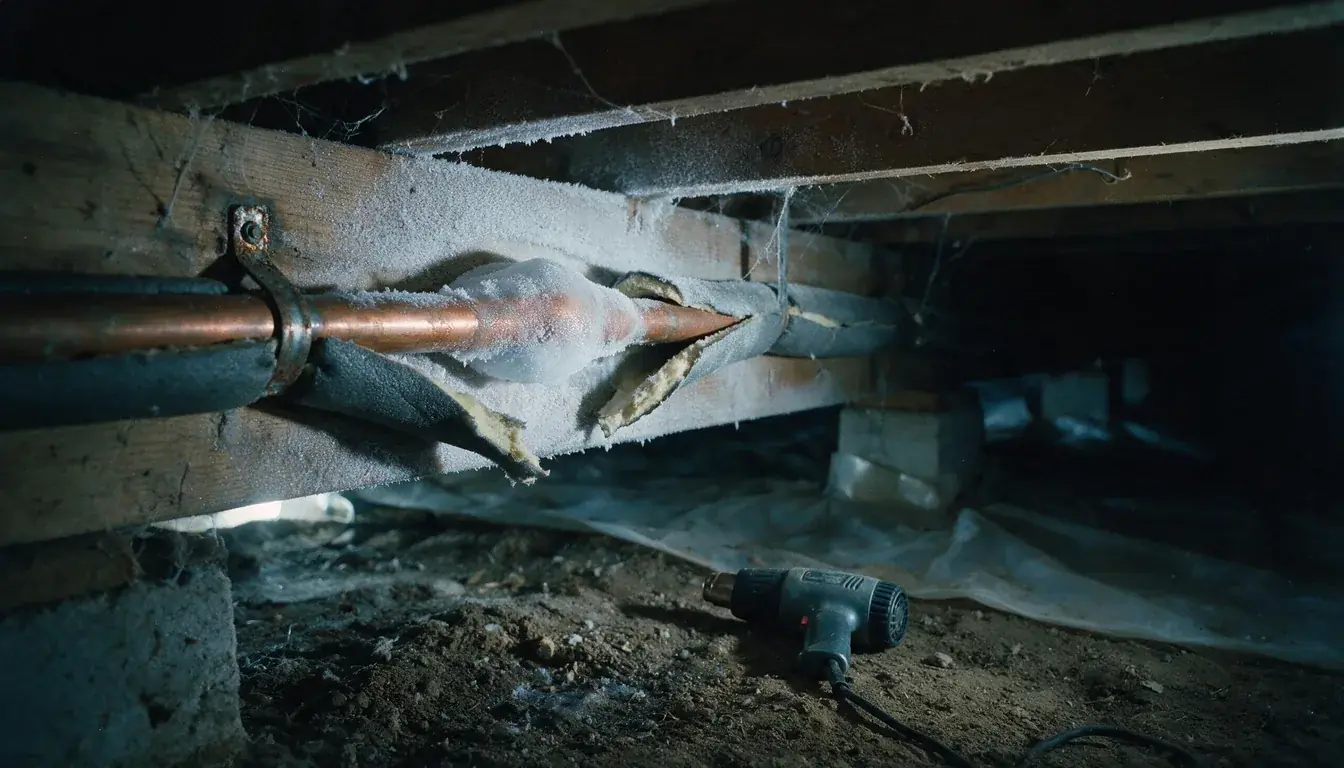
The primary surge in Springfield runs January–March, with a secondary wave at the spring thaw — when pipes that held through the freeze rupture as pressure is restored above 32°F. Scheduling competition peaks exactly when emergency calls are highest. Homeowners who wait for visible damage compete for the same limited plumber slots at the worst possible time.
Why diagnose before repairing in Springfield?
Describe the symptom — not the repair. AlertPlumber routes the call to an independent IL-licensed plumber in its partner's network — ask whether the site visit will use camera tracing, acoustic detection, or hydrostatic pressure testing matched to the reported failure type.
Ask the plumber for a written diagnostic report: confirmed failure location, available repair methods, and tradeoffs — disruption level, material durability, long-term cost, and whether a Springfield building permit applies to the selected method.
You select the repair path. Ask for a fixed scope and price on the authorized method before the Illinois-licensed plumber proceeds and, where required, who files the permit application to Springfield.
Hydro Jetting cost calculator — Springfield
Pre-filled for hydro jetting in Springfield. Adjust the ZIP for a neighboring area, or change the service to compare. Calculator pulls from the city's scraped permit-fee + state plumber-density data.
Hydro Jetting in Springfield — the longer it runs, the more it costs.
Slow failures compound: soft pipe walls, root penetration, mineral buildup. Ask the plumber you reach for a scope-first estimate before anything is dug up.
What else do people ask about hydro jetting in Springfield?
How much does hydro jetting cost in Springfield, IL?
Hydro jetting in Springfield typically runs roughly 12% below the national average for a residential drain line. Main sewer-line jetting with a camera inspection runs a scope-based price. Commercial jetting (larger pipe, longer runs) starts at a higher, scope-based price. Jetting is more expensive than snaking but clears the full pipe bore — not just a hole through the clog. Price ranges: hydro jetting cost guide.
When should I hydro jet instead of snake a Springfield drain?
Snake for: a single, localized clog within 15 feet of the access point, first-time backup with no history, and camera confirms no internal scale. Hydro jet when: the line has clogged twice in 12 months, camera shows grease or scale coating the full bore, or root mass has been confirmed (jetting combined with root-cutting nozzles is more effective than a standard snake). Springfield's 15 gpg hard water leaves mineral deposits in drain lines over time — jetting is the only method that removes established scale.
Is hydro jetting safe for Springfield pipes?
Springfield's 60-year median home age means 1940s-70s galvanized/cast-iron pipe is common. Hydro jetting at full residential pressure (3,500–4,000 PSI) can fracture aged clay and brittle Orangeburg pipe. Professional Springfield jetting crews run a camera FIRST and use reduced pressure (1,500–2,500 PSI) on pipe older than 40 years — matching pressure to what the camera shows, not a generic setting.
Should a Springfield plumber camera the line before hydro jetting?
Always — a pre-jetting camera inspection (often bundled with the jetting quote) determines: pipe material and wall condition, clog type (grease, root, offset, belly), and whether jetting is safe or whether damaged sections need repair first. Jetting without camera on Springfield's 1940s-70s galvanized/cast-iron stock risks blowing through a pipe wall that was already compromised by root intrusion or internal corrosion. Price ranges: hydro jetting cost guide.
Can hydro jetting remove tree roots from Springfield sewer lines?
Yes — root-cutting jetting nozzles (chain flails and rotating cutters) shred root masses and flush the debris downstream. Jetting clears the immediate blockage but doesn't stop root regrowth — roots return to the same joint in 12–24 months. The long-term fix for recurrent root intrusion in Springfield is trenchless CIPP lining (seals the joints roots enter through) or spot replacement of the affected joint. The matched plumber recommends one of these after the camera confirms the extent of root infiltration.
How often do Springfield homes need hydro jetting?
Homes in Springfield with 1940s-70s galvanized/cast-iron drain lines typically benefit from jetting every 18–24 months if root intrusion or scale is confirmed. Annual jetting (every 12 months) makes sense for known root-intrusion laterals where replacement isn't yet warranted.
Is hydro jetting safe for septic systems in Springfield?
Most Springfield residential properties connect to the municipal sewer system, where hydro jetting doesn't interact with a private septic tank. Confirm at the cleanout access if your connection type is uncertain.
Can I use a residential pressure washer for hydro jetting in Springfield?
No — a consumer pressure washer generates 2,000–3,500 PSI but uses 1–4 GPM (gallons per minute), insufficient to flush debris through a 4" drain pipe. Professional hydro jetting equipment uses 10–18 GPM at controlled pressure with specialized jetting nozzles (forward-wash, rotating, root-cutting) engineered for drain pipe diameters. Using a pressure washer in a drain line also risks pushing the clog deeper without the volume to flush it, and can damage clay or aging pipe without the pressure control a professional uses.
Does hydro jetting require a permit in Springfield?
Hydro jetting of existing drain lines doesn't require a permit in Springfield — it's a cleaning service, not a plumbing alteration. A permit IS required if jetting reveals damage that requires pipe repair or replacement. The IL IDFPR permit for repairs is pulled by the matched plumber after the camera documents the need. Permit fee ranges: permit fee estimator.
How do I check the license of hydro jetting crews in IL?
AlertPlumber does not vet plumbers: for hydro jetting in Springfield, ask for the IL IDFPR license number and check it with the state board, and ask whether they carry camera-equipped jetting equipment. Camera-before-jetting is the standard on every visit — no blind jetting in Springfield's aging pipe stock.
The fix gets cheaper the sooner a plumber sees it.
Degradation problems compound quietly. Call now, or use the form below to reach an independent Illinois plumber, and ask for an estimate for the hydro jetting — you are under no obligation.
Need a hydro jetting callback in Springfield?
In a meeting, with the kids, or just prefer not to call? Drop your ZIP and number below. AlertPlumber sends your request to our routing partner — if a participating plumber serves your area, they may call you back directly. For anything urgent, call the number on this page.
- 1 Submit your info. ZIP, phone, and what kind of work you need.
- 2 AlertPlumber passes it on to our routing partner for your area.
- 3 If a participating plumber serves your area, they may call you back. Ask for a written estimate before work starts.
Hydro Jetting in Springfield — catch it early
Degradation-driven failures worsen over time and cost more to fix the longer they run. Ask the independent IL plumber you reach in Springfield to diagnose your specific condition and put the scope in writing before any work begins.