
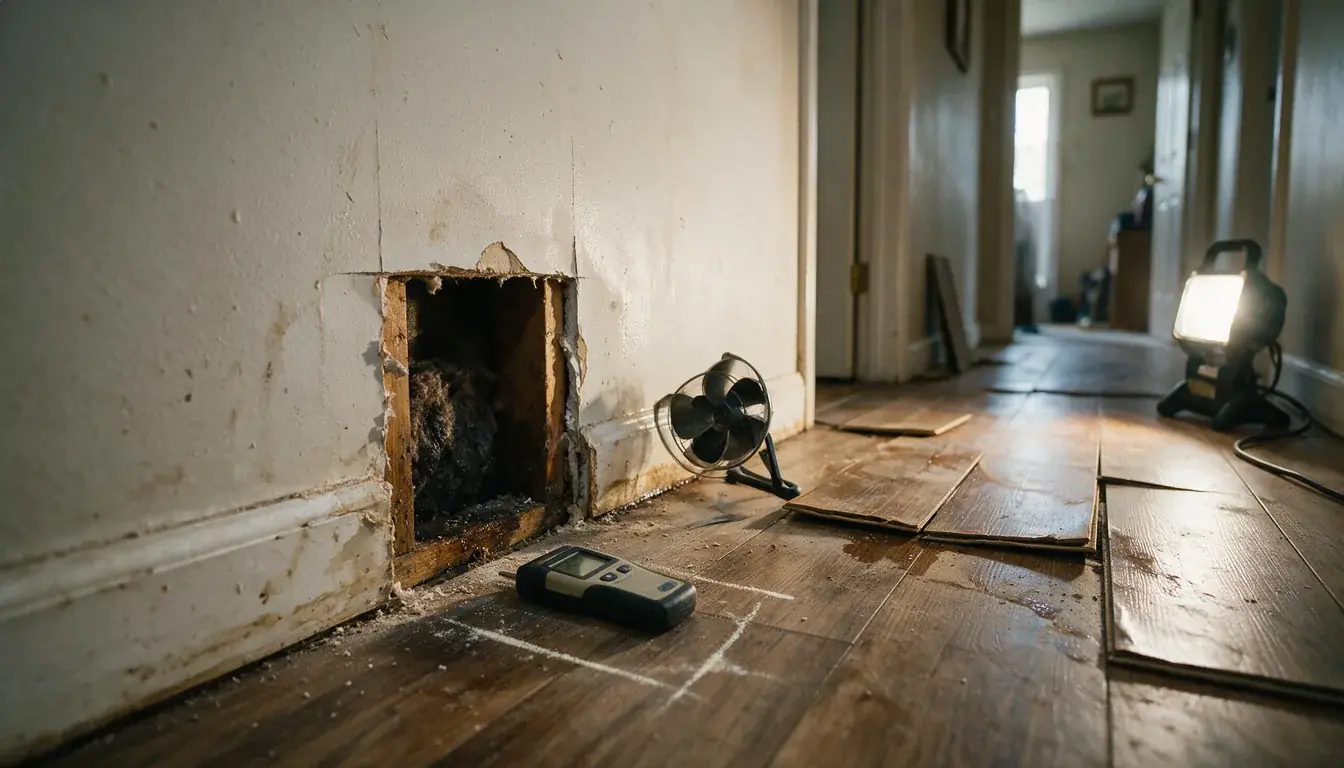
Emergency Leak Detection in Atlanta, Georgia
Leak Detection in Atlanta, Georgia locates hidden water and gas leaks using acoustic and thermal equipment. Local conditions in Atlanta: water measured at 3.5, a 5 frost line and a median home age of 37 years.
Camera first, quote second — know exactly what's wrong in your Atlanta home before you approve a dollar.
Who do I call for a hidden leak in Atlanta?
A plumber who offers leak detection. Ask what method they use (acoustic, thermal imaging or a pressure test) and whether finding the leak and repairing it are quoted separately. A hidden leak becomes urgent in a Atlanta home when water is visible on a ceiling, wall or floor.
What does the local plumbing data show for Atlanta, GA?
Seeing these conditions at your place in Atlanta? Describe them on the call to a state-licensed local plumber — free, no obligation.
What are the pipe conditions in Atlanta, GA?
Non-invasive leak detection uses acoustic amplification, thermal imaging, and pressure isolation to locate water loss in supply lines and drain systems without opening walls or floors. Atlanta homes with galvanized or older copper supply runs face the highest pinhole leak incidence — a slow leak inside a wall cavity can cause mold and structural damage for months before becoming visible. A professional leak detection prevents unnecessary demolition by confirming the exact break location before any drywall is cut. AlertPlumber connects your call with an independent Georgia-licensed plumber — ask them to locate first and open second.
Homes built in Atlanta between 1978 and 1995 — median age 37 years — may carry polybutylene supply lines, a grey plastic material that stopped being installed after a 1990s class-action settlement over failures linked to chlorinated municipal water. Polybutylene fails at fittings and mid-run stress points; ask a licensed plumber to identify the material by pipe color and fitting type and advise on repipe timing. Homes of other eras in Atlanta may have galvanized pipe or copper pipe supply lines instead; ask the plumber which your home has.
Frost line depth in Atlanta means supply lines and outdoor plumbing must be installed below the freeze threshold — typically 5 — to prevent pipe burst during cold events. Exterior hose bibs, irrigation shutoffs, and any exposed pipe runs are the most common winterization service points in freeze-risk markets.
- Median home age
- 37 yrs
- Water hardness
- 3.5 gpg
- Frost line
- 5 in.
- Lead lines
- Active replacement
- Permit
- City fee schedule
Census housing age, Atlanta city, Georgia: median year built 1989; 25.3% of homes built before 1960, 42.7% before 1980. Source: U.S. Census Bureau, ACS 2020–2024 5-year estimates, tables B25034 and B25035, read 2026-09-30.
Mention these conditions when you describe the symptom to the GA plumber you reach.
What local infrastructure shapes Leak Detection in Atlanta?
Post-war housing averaging 52 years of age here operates on a mixed inventory of supply materials — copper interior runs in mid-century structures, later copper-to-PVC transitions in renovated sections, and legacy cast-iron laterals in the oldest properties. Atlanta watershed supply delivers moderately soft water at approximately 3.5 grains per gallon, a chemistry that provides limited protective scale inside copper runs — soft enough to exhibit mild corrosivity toward copper at higher pH excursions that occur with seasonal treatment adjustments.
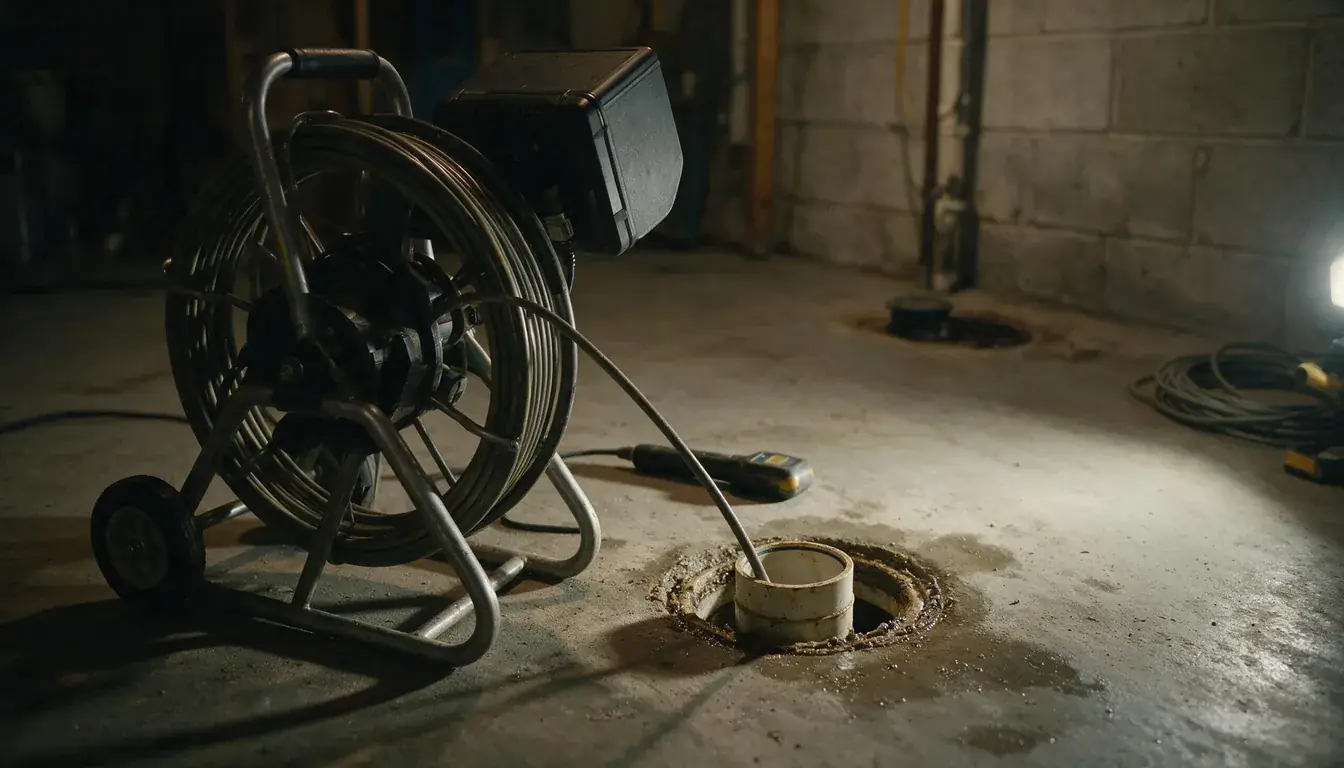
Acoustic leak detection locates active water loss in wall-cavity supply runs and slab transitions before wall or floor surfaces are opened for investigation. Atlanta's 5-inch frost line is shallow enough that below-grade supply runs experience minimal freeze stress, but Georgia red clay soils shift with rainfall saturation cycles and can stress below-grade lateral connections in ways not visible from interior inspection. Thermal imaging of ground-floor surfaces after heavy rainfall periods can reveal subsurface moisture accumulation before acoustic positioning begins.
Atlanta requires a permit for detection and repair work before wall or floor surfaces are closed. Atlanta Department of Watershed Management coordinates supply shutoff for service-side repairs. Post-repair pressure testing to Georgia State Plumbing Code is required before permit closure. Permit fee ranges: permit fee estimator.
What shapes plumbing demand in Atlanta, GA?
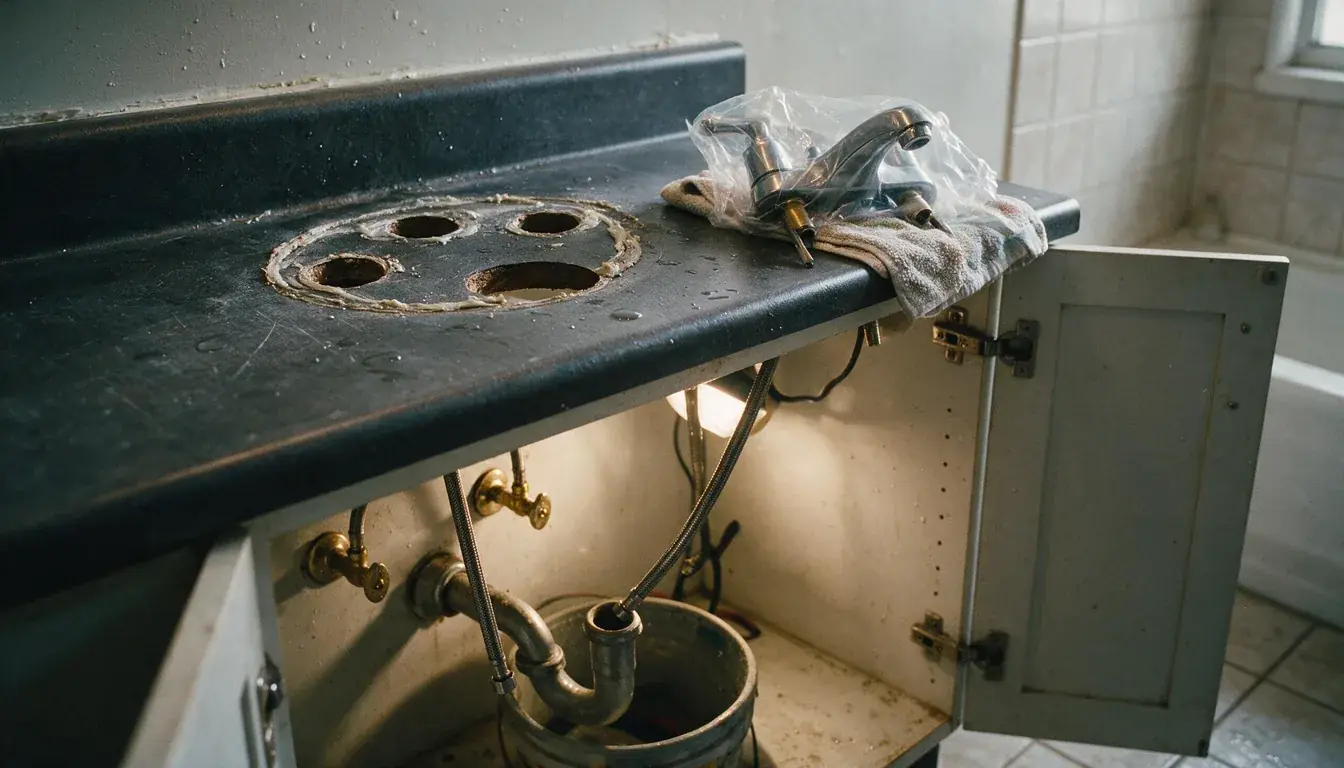
CPVC becomes brittle in the 20–35-year range and snaps under thermal stress or incompatible pipe dopes. Early PEX fittings (pre-2010) may develop chloramine compatibility issues at 15–25 years. The 1980s–1990s housing stock in Atlanta is entering its first wave of material-driven service calls — not from neglect, but from normal service-life progression.
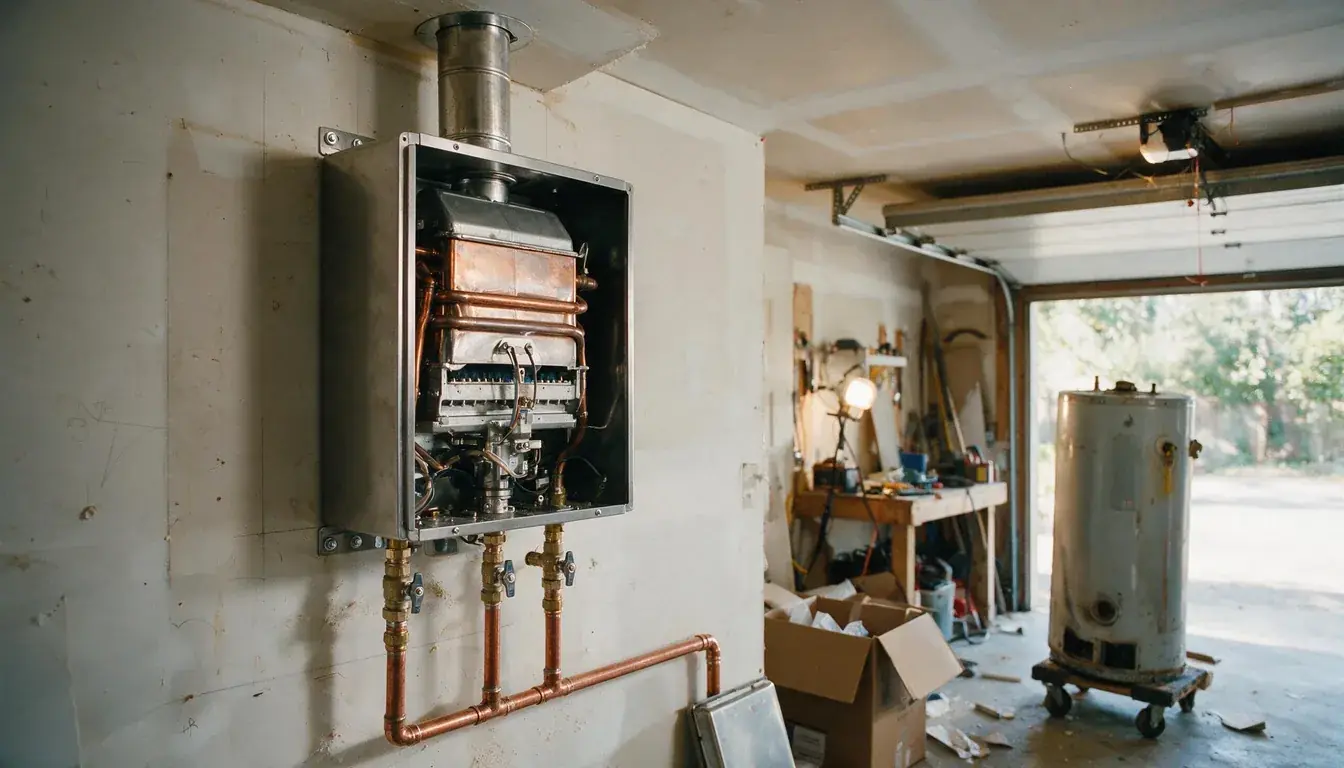
4–7 GPG produces gradual scale that stays manageable with standard maintenance intervals in Atlanta — annual flushing, cartridge cleaning every 1–2 years. Equipment runs near design lifespan. The primary water quality driver here is preventive maintenance rather than emergency replacement, which distributes service demand more evenly across the calendar.
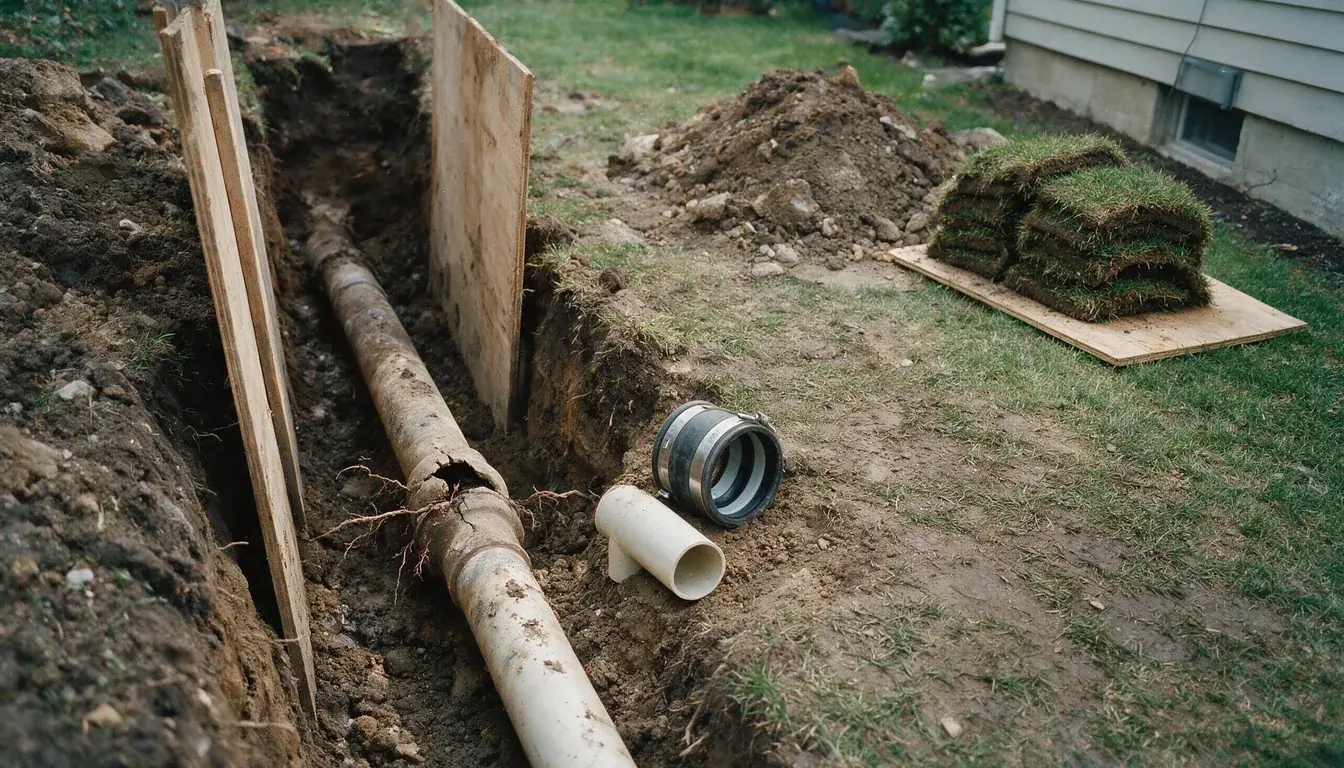
Drain and sewer line health drives the primary maintenance workload in Atlanta: high groundwater tables stress lateral joints and root intrusion accelerates in warm soil. AC condensate drainage adds a recurring summer category. Drain slowdowns that homeowners defer tend to surface as full blockages during the wet season when groundwater pressure compounds the obstruction.
Why diagnose before repairing in Atlanta?
Describe the symptom — not the repair. AlertPlumber routes the call to an independent GA-licensed plumber in its partner's network — ask whether the site visit will use camera tracing, acoustic detection, or hydrostatic pressure testing matched to the reported failure type.
Ask the plumber for a written diagnostic report: confirmed failure location, available repair methods, and tradeoffs — disruption level, material durability, long-term cost, and whether an Atlanta building permit applies to the selected method.
You select the repair path. Ask for a fixed scope and price on the authorized method before the Georgia-licensed plumber proceeds and, where required, who files the permit application to Atlanta.
Leak Detection cost calculator — Atlanta
Pre-filled for leak detection in Atlanta. Adjust the ZIP for a neighboring area, or change the service to compare. Calculator pulls from the city's scraped permit-fee + state plumber-density data.
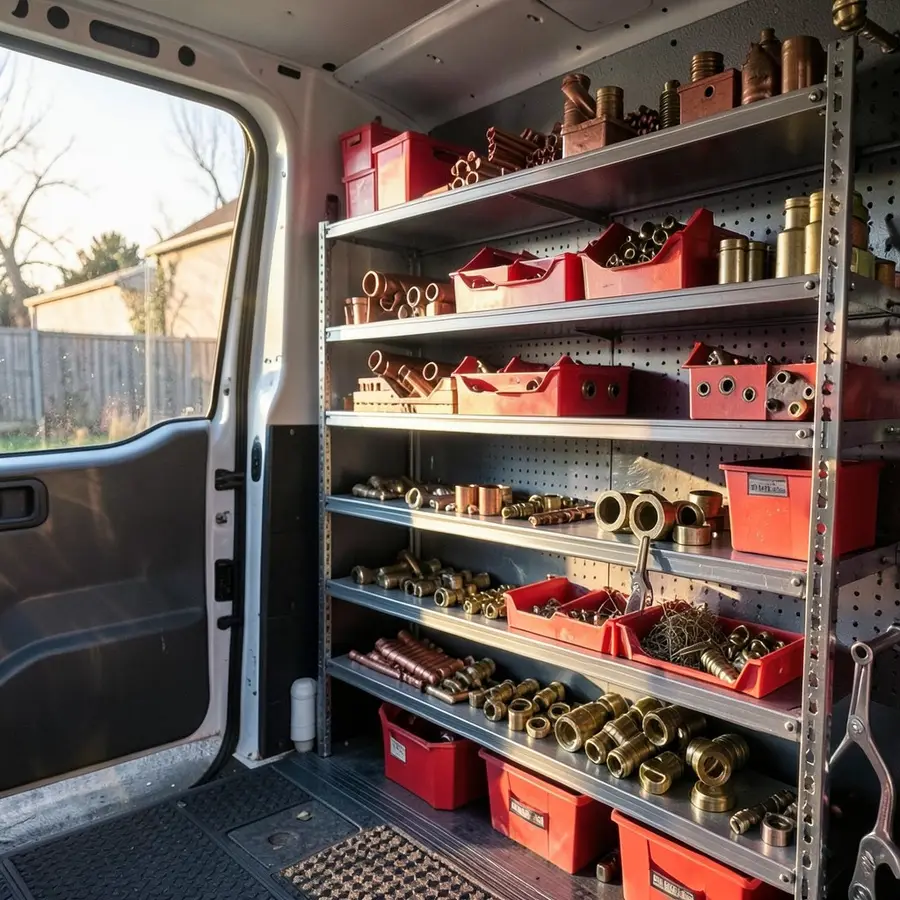
Leak Detection in Atlanta — the longer it runs, the more it costs.
Slow failures compound: soft pipe walls, root penetration, mineral buildup. Ask the plumber you reach for a scope-first estimate before anything is dug up.
What else do people ask about leak detection in Atlanta?
What is the typical price for leak detection in Atlanta?
Atlanta leak detection runs flat, with the spread covering both straightforward supply-side scans and the more complex case of differentiating a true plumbing leak from HVAC-condensate dripping in a humid attic — a common misdiagnosis Atlanta plumbers spend significant time on. The fee covers acoustic listening, moisture mapping, FLIR thermal scanning of suspected zones, and dye-testing if drain involvement is suspected. The City of Atlanta plumbing-repair permit is set by the local fee schedule, applied separately if invasive work follows. AlertPlumber routes calls to one of approximately 11,420 independent plumbers (Master Plumber Class I or II under the Georgia Construction Industry Licensing Board). Price ranges: leak detection cost guide.
How can an Atlanta homeowner tell if there is a hidden leak?
Atlanta's red-clay soil and high humidity produce specific symptoms:
- Cracks appearing in interior drywall around door frames, especially after heavy rain — the clay shifts as it hydrates, stressing supply and drain laterals running through the soil
- A wet patch in the attic near the air handler (could be HVAC condensate, could be a supply leak running through the attic — the diagnostic separates them)
- Brown staining on the ceiling below an upstairs bathroom
- Spongy spots in the lawn directly above where a sewer lateral runs
- A water-bill jump with no usage change — Atlanta DWM bills monthly, so the signal arrives within 30 days
What detection methods do Atlanta plumbers rely on?
For Atlanta the standard sequence accommodates the soil and humidity conditions: (1) static pressure isolation to confirm a supply leak exists, (2) acoustic listening at the supply manifold and along the slab perimeter, (3) FLIR thermal imaging — particularly useful in attics where a true supply leak shows as a cold thermal anomaly against the warm ambient, distinguishing it from HVAC condensate which is typically localized near the evaporator coil drip pan, and (4) sewer-camera inspection of the lateral if the symptom is yard-side rather than house-side. Atlanta's clay-soil-shift pathology means lateral failures are common; the sewer cam catches them before the yard collapses.
Will Georgia homeowners insurance reimburse Atlanta leak detection?
Most GA HO-3 policies cover detection costs when the underlying cause is sudden — a clay-shift pipe rupture, an attic supply-line freeze in the rare deep cold, a broken supply nipple at the water heater. Coverage typically excludes (a) gradual seepage older than 14 days, (b) damage to the failed pipe itself, and (c) anything classified as foundation movement, which can muddy the picture in Atlanta because clay-soil shifts qualify as both. State Farm, USAA, and Allstate routinely reimburse Atlanta detection invoices when the plumber documents a discrete failure event in writing. Submit photographic evidence with the claim — clay-driven failures often need extra documentation to clear the foundation-movement exclusion. Price ranges: leak detection cost guide.
Why does the water bill go up when there's a hidden leak?
Atlanta DWM meters every gallon and bills both water and sewer based on metered consumption — sewer charges run roughly 1.7x the water charge, so the bill impact compounds. A typical hidden leak (1/2-inch supply line, pinhole, 55 psi street pressure) releases 80-180 gallons per day. Across an Atlanta monthly billing cycle that's 2,400-5,400 gallons of unbilled-but-metered water — a scope-based price of unexplained increase on the combined bill. Atlanta's 3.5 gpg soft-to-moderate water doesn't drive scale-related leaks the way Phoenix's 17 gpg does, but pinholes from electrochemical corrosion in copper supply lines installed 1965-1985 are a common culprit. Price ranges: leak detection cost guide.
Can an Atlanta homeowner find the leak before calling a plumber?
Confirming a leak exists is the part you can do: shut every fixture, locate the Atlanta DWM meter at the curb stop, and watch the low-flow indicator for 10-15 minutes. Any motion confirms water is escaping somewhere. You can also walk the lawn after a dry stretch and look for unusually green patches over the lateral run — that's water surfacing through clay. What you can't reliably DIY is differentiating an attic supply-line leak from HVAC condensate (the symptom presentation is nearly identical) or locating a clay-shifted lateral break under 4 feet of soil. The Georgia CILB lists 11,420 active Master Plumbers — that diagnostic skill is what you're paying for.
What is the most common kind of leak in Atlanta homes?
Atlanta's three dominant patterns: (1) clay-soil-shift damage to supply and sewer laterals — Georgia Piedmont red clay swells when wet and contracts when dry, repeatedly stressing lateral connections and joints over decades, (2) attic supply-line failures in homes built 1965-1990 where copper supply was run through the unconditioned attic and freeze-thaw cycling during rare hard freezes ruptures the line, and (3) the diagnostic challenge of HVAC-condensate drips that look like plumbing leaks — a clogged condensate drain pan in an Atlanta attic produces a ceiling stain functionally identical to a supply leak. The 1972 median build year puts most stock in the peak failure window for the first two patterns.
How well does FLIR thermal imaging work in Atlanta conditions?
FLIR is particularly valuable in Atlanta attics because the high ambient summer temperature (attic interiors often 130-150°F in July) makes a cold supply-water leak show up as a sharp thermal contrast — the camera essentially shouts at you when there's a true plumbing leak. For slab leaks (less common in Atlanta than in Phoenix because Atlanta has more crawl-space construction), FLIR works but with lower yield. The most useful Atlanta application is differentiating HVAC condensate (localized cool patch near the air-handler) from a supply leak (linear cool streak following the pipe route) — that distinction is hard to make any other way without invasive opening.
Is a system-wide pressure test worth doing in an Atlanta home?
For Atlanta homes with confirmed lateral or attic leaks, a system-wide pressure test is worthwhile because clay-driven failures tend to cluster — once one joint has been stressed by soil movement, others on the same run are likely already weakened. The test isolates each branch and holds 80 psi for 15 minutes, identifying additional weak points before they fail in service. For homes with crawlspace plumbing where everything is visible, the test is less informative because visual inspection catches most issues. The matched plumber will recommend the test if your home falls in the 1965-1990 vintage with original copper supply, which is the highest-yield group. Price ranges: leak detection cost guide.
How do I check the license of plumbers in GA?
AlertPlumber cannot confirm the partner's screening; before hiring any Atlanta-area plumber reached through AlertPlumber, confirm an active Georgia Construction Industry Licensing Board Master Plumber license (Class I for residential, Class II for unrestricted) — verified against the GA CILB database (11,420 active Master Plumbers statewide). Leak detection in Georgia falls under the Master Plumber scope; no separate detection-specific license exists. AlertPlumber re-verifies license status, so an expired or suspended license cannot accept the lead. The contractor's name and license number are provided on the live callback so you can independently confirm on the GA Secretary of State professional licensing portal before they roll a truck.
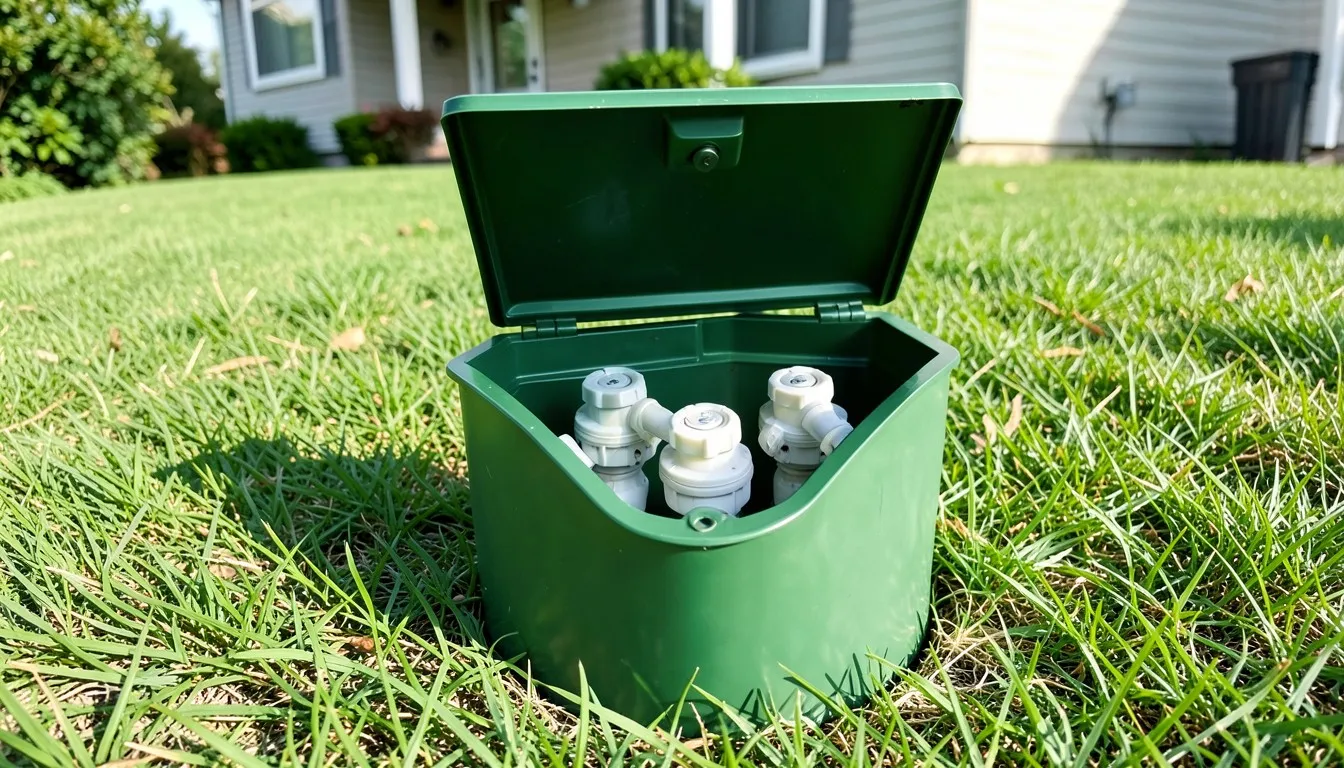
The fix gets cheaper the sooner a plumber sees it.
Degradation problems compound quietly. Call now, or use the form below to reach an independent Georgia plumber, and ask for an estimate for the leak detection — you are under no obligation.

Need a leak detection callback in Atlanta?
In a meeting, with the kids, or just prefer not to call? Drop your ZIP and number below. AlertPlumber sends your request to our routing partner — if a participating plumber serves your area, they may call you back directly. For anything urgent, call the number on this page.
- 1 Submit your info. ZIP, phone, and what kind of work you need.
- 2 AlertPlumber passes it on to our routing partner for your area.
- 3 If a participating plumber serves your area, they may call you back. Ask for a written estimate before work starts.
Leak Detection in Atlanta — catch it early
Degradation-driven failures worsen over time and cost more to fix the longer they run. Ask the independent GA plumber you reach in Atlanta to diagnose your specific condition and put the scope in writing before any work begins.