
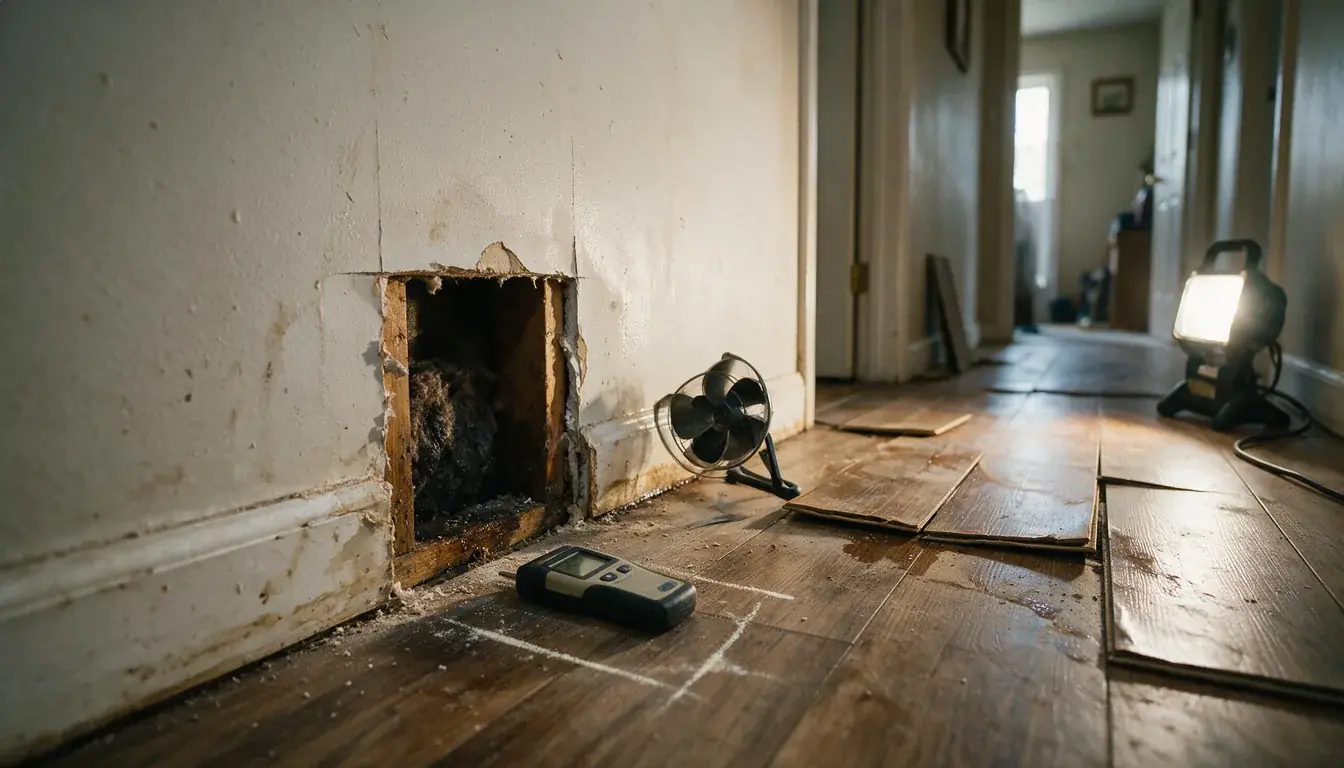
Emergency Leak Detection in Columbus, Ohio
Leak Detection in Columbus, Ohio locates hidden water and gas leaks using acoustic and thermal equipment. Local conditions in Columbus: water measured at 8, a 32 frost line and a median home age of 49 years.
Camera first, quote second — know exactly what's wrong in your Columbus home before you approve a dollar.
Who do I call for a hidden leak in Columbus?
A plumber who offers leak detection. Ask what method they use (acoustic, thermal imaging or a pressure test) and whether finding the leak and repairing it are quoted separately. A hidden leak becomes urgent in a Columbus home when water is visible on a ceiling, wall or floor.
What does the local plumbing data show for Columbus, OH?
Seeing these conditions at your place in Columbus? Describe them on the call to a state-licensed local plumber — free, no obligation.
What are the pipe conditions in Columbus, OH?
Non-invasive leak detection uses acoustic amplification, thermal imaging, and pressure isolation to locate water loss in supply lines and drain systems without opening walls or floors. Columbus homes with galvanized or older copper supply runs face the highest pinhole leak incidence — a slow leak inside a wall cavity can cause mold and structural damage for months before becoming visible. A professional leak detection prevents unnecessary demolition by confirming the exact break location before any drywall is cut. AlertPlumber connects your call with an independent Ohio-licensed plumber — ask them to locate first and open second.
Columbus's housing stock spans multiple construction eras — median home age 49 years — meaning pipe materials and failure modes vary significantly by neighborhood and building vintage. An inspection-led approach that confirms pipe material before recommending a service path is standard practice for mixed housing profiles. Homes of other eras in Columbus may have galvanized pipe, copper pipe or polybutylene supply lines instead; ask the plumber which your home has.
Hard water in Columbus accelerates scale buildup inside water heater tanks, on heating elements, and at fixture connections. Sediment accumulation in tank heaters reduces efficiency and shortens element life; visible deposits at aerators and showerheads are an early indicator. Ask a licensed plumber to assess whether a water softener or conditioner is appropriate for the home's service configuration.
Frost line depth in Columbus means supply lines and outdoor plumbing must be installed below the freeze threshold — typically 32 — to prevent pipe burst during cold events. Exterior hose bibs, irrigation shutoffs, and any exposed pipe runs are the most common winterization service points in freeze-risk markets.
- Median home age
- 49 yrs
- Water hardness
- 8 gpg
- Frost line
- 32 in.
- Lead lines
- Active replacement
- Permit
- City fee schedule
Census housing age, Columbus city, Ohio: median year built 1980; 25.2% of homes built before 1960, 49.8% before 1980. Source: U.S. Census Bureau, ACS 2020–2024 5-year estimates, tables B25034 and B25035, read 2026-09-30.
Mention these conditions when you describe the symptom to the OH plumber you reach.
What local infrastructure shapes Leak Detection in Columbus?
Post-war housing averaging 49 years of age here operates on a mixed supply profile — copper interior runs in mid-century structures, lead service lines in approximately 32,000 pre-1951 properties, and PVC or PEX sections added during renovations. Columbus Division of Power and Water supply at approximately 8 grains per gallon is hard, depositing mineral scale inside copper runs at a rate that begins producing elbow and tee fitting thinning after roughly 30 to 40 years of service.
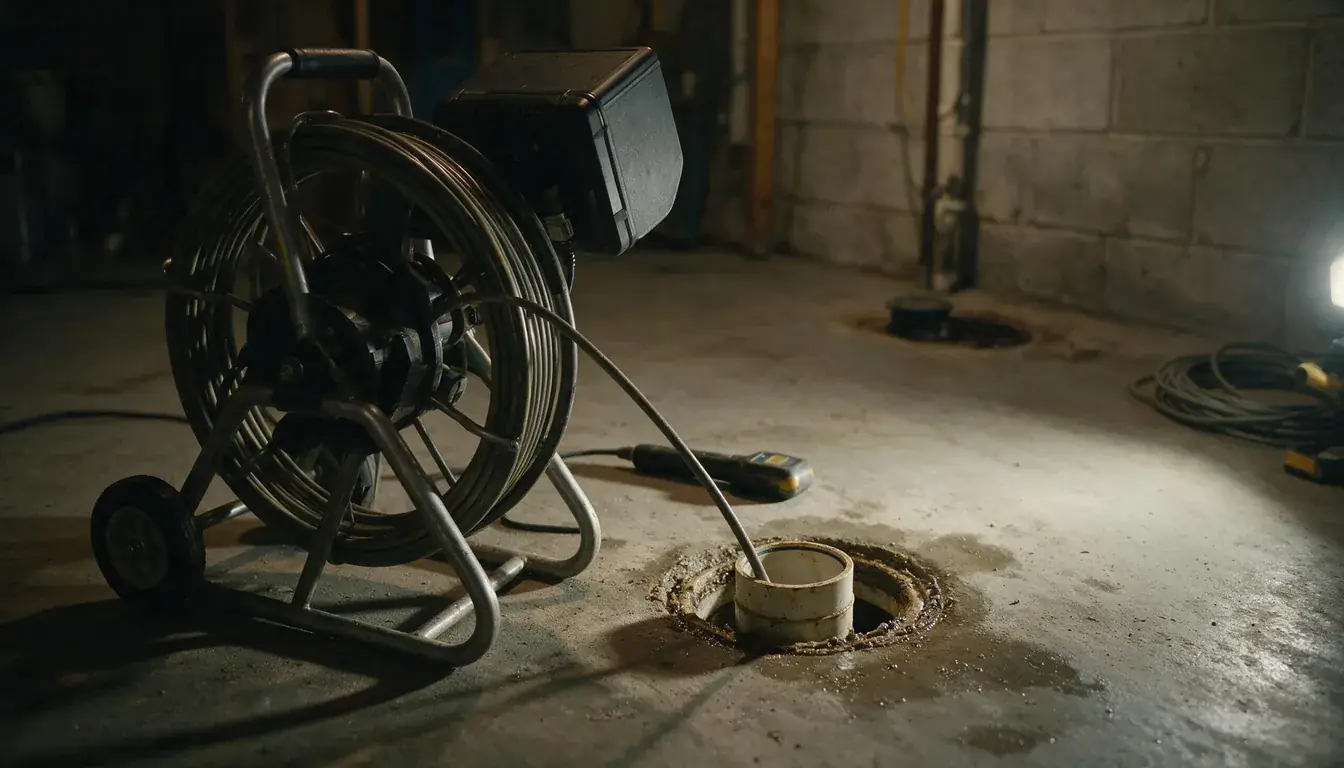
Acoustic leak detection covers wall-cavity copper supply runs, identifying pinhole pressure noise before wall surfaces are opened. Ohio's 32-inch frost line subjects basement-entry service connections and below-grade supply sections to significant freeze stress — supply pipe runs through uninsulated crawlspaces in post-war bungalows are at higher risk for freeze-induced joint separation that mimics slow leak symptoms. Pressure-drop testing establishes active water loss but camera inspection of accessible galvanized or copper sections differentiates bore constriction from an active pinhole before repair scope is committed.
Columbus requires a permit for detection and repair before wall or floor surfaces are closed. Meter shutoff for supply-side repairs is coordinated through the city's Division of Power and Water. Post-repair pressure testing to Ohio Plumbing Code is required before permit closure. With approximately 32,000 active lead service lines in the distribution system, pre-work service line material verification for pre-1951 properties ensures the correct repair material and protocol are applied at the service-side connection. Permit fee ranges: permit fee estimator.
What shapes plumbing demand in Columbus, OH?
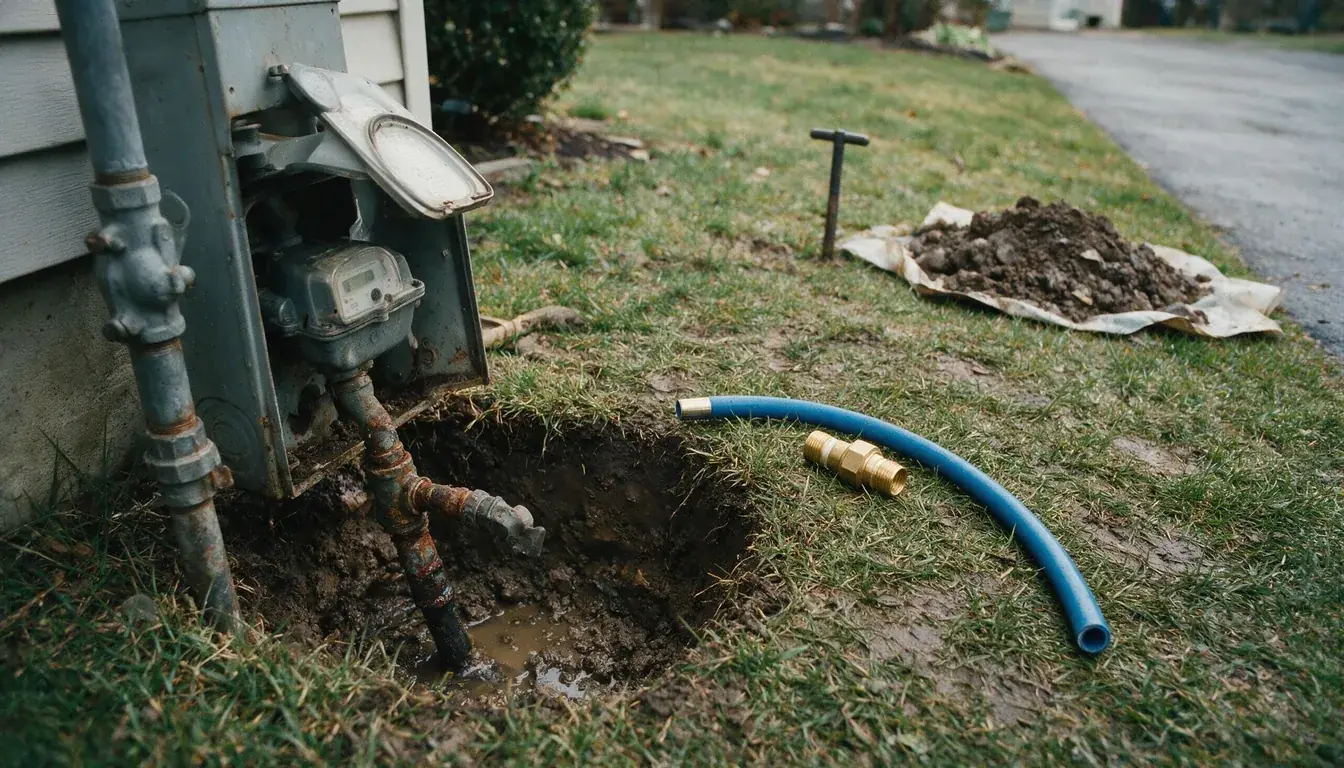
1950s–70s copper supply is now 50–70 years into its service cycle in Columbus. Thermal fatigue at fittings and slab-on-grade access complexity — common in Sun Belt construction — make repair vs. replacement a live decision on most jobs. This housing cohort is the active primary replacement wave in this market.
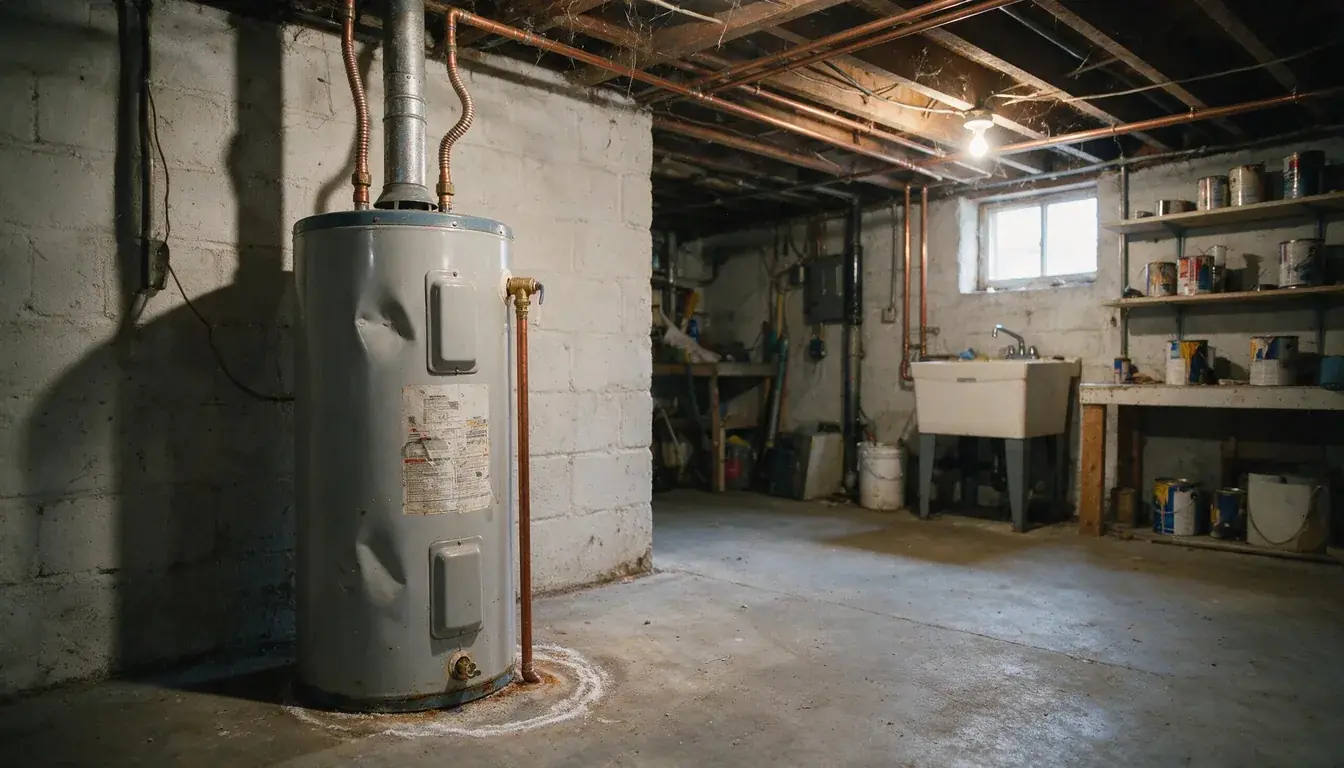
8–14 GPG shortens water heater service life to 8–11 years in Columbus and drives rolling maintenance demand at aerators, shower cartridges, and heat exchanger ports. Annual flushing prevents premature failure; skipped maintenance cycles push units toward early replacement. Scale-related calls represent a significant share of the annual service workload here.
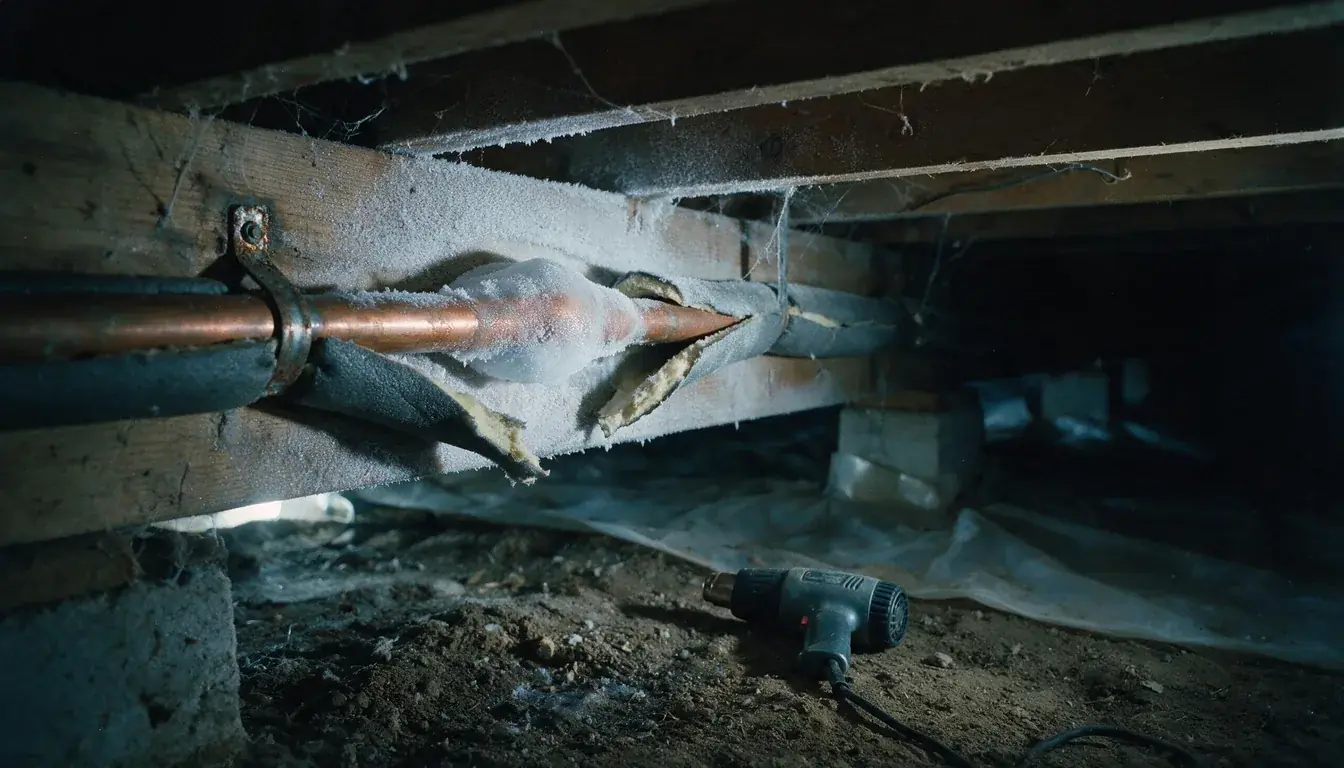
The primary surge in Columbus runs January–March, with a secondary wave at the spring thaw — when pipes that held through the freeze rupture as pressure is restored above 32°F. Scheduling competition peaks exactly when emergency calls are highest. Homeowners who wait for visible damage compete for the same limited plumber slots at the worst possible time.
Why diagnose before repairing in Columbus?
Describe the symptom — not the repair. AlertPlumber routes the call to an independent OH-licensed plumber in its partner's network — ask whether the site visit will use camera tracing, acoustic detection, or hydrostatic pressure testing matched to the reported failure type.
Ask the plumber for a written diagnostic report: confirmed failure location, available repair methods, and tradeoffs — disruption level, material durability, long-term cost, and whether a Columbus building permit applies to the selected method.
You select the repair path. Ask for a fixed scope and price on the authorized method before the Ohio-licensed plumber proceeds and, where required, who files the permit application to Columbus.
Leak Detection cost calculator — Columbus
Pre-filled for leak detection in Columbus. Adjust the ZIP for a neighboring area, or change the service to compare. Calculator pulls from the city's scraped permit-fee + state plumber-density data.
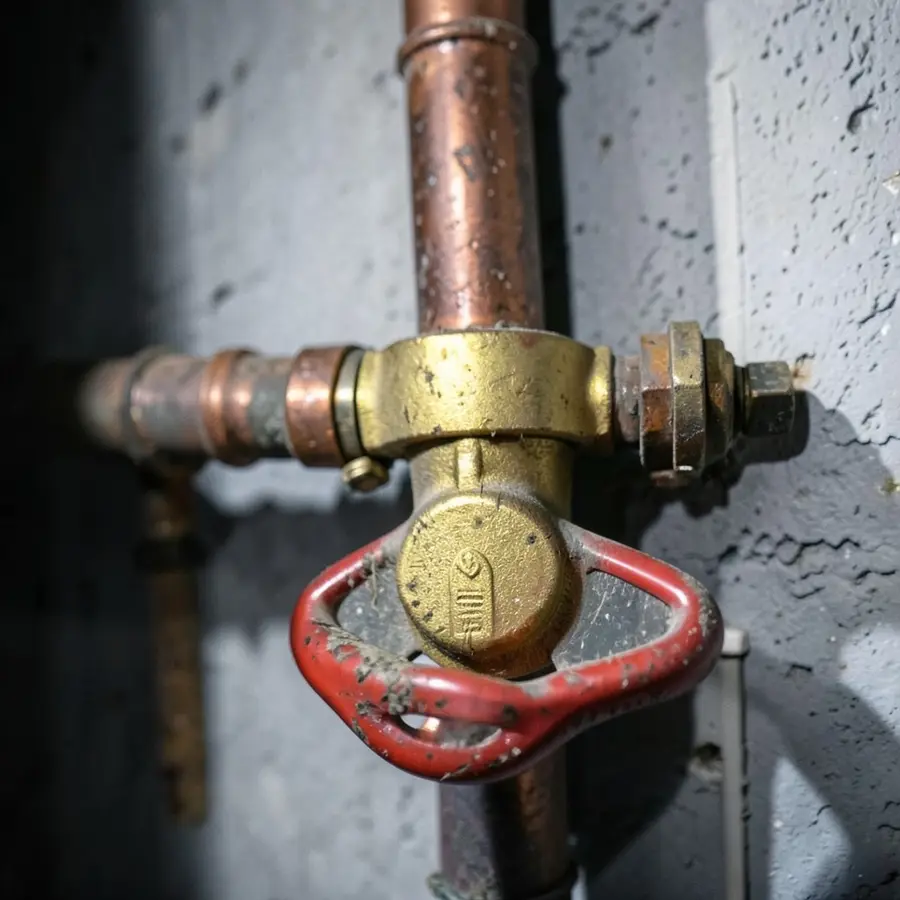
Leak Detection in Columbus — the longer it runs, the more it costs.
Slow failures compound: soft pipe walls, root penetration, mineral buildup. Ask the plumber you reach for a scope-first estimate before anything is dug up.
What else do people ask about leak detection in Columbus?
How much does professional leak detection cost in Columbus?
A non-destructive leak detection workup in Columbus typically runs flat, billed before any repair quote. The price covers FLIR thermal scanning, acoustic listening on the supply manifold, and a static pressure-isolation test. The detection fee is usually credited toward the repair if you book the same plumber. Repair itself is separate — single slab spot repair runs a scope-based price, hidden-wall leak repair a scope-based price. Price ranges: leak detection cost guide.
How do I know if I have a hidden leak in my Columbus home?
The most diagnostic symptoms:
- Water bill jumps 20%+ with no change in household usage
- Meter low-flow indicator moves with every fixture off
- Warm spot on the floor (hot-water leak under slab — common at 8 gpg hardness)
- Faint hissing sound near floor vents at 2 a.m.
- Hairline cracks in tile or grout
- Mold or mildew smell near baseboards
What detection methods does a Columbus plumber actually use?
The standard sequence: (1) static pressure-isolation test on the supply manifold confirms a leak exists and isolates hot vs cold side, (2) FLIR thermal imaging localizes warm anomalies on slab, walls, or ceiling, (3) acoustic ground-microphone listening triangulates within 12–18 inches, (4) electronic line-tracing maps the pipe route before any cut. Columbus's 8-gpg water + 49-year median home age determines which method runs first. Columbus hot-water-line slab leaks dominate at 8 grains/gallon hardness because heat compounds copper corrosion. FLIR thermal works exceptionally well on this pattern — the camera narrows the search to an 18-inch radius.
Will Ohio homeowners insurance cover Columbus leak detection?
Most Ohio HO-3 policies cover the DETECTION fee when the underlying leak is classified as "sudden and accidental" — not gradual seepage that's been ongoing for months. Standard policies pay for tear-out + access (slab cut, wall opening, detection report) but exclude repair of the failed pipe itself (treated as wear-and-tear). Submit the plumber's written report with moisture-mapping for the strongest claim case. Verbal diagnosis alone is usually denied.
Why does the water bill spike when there is a hidden leak?
Columbus's water utility meters every gallon that crosses the property line, whether it ends up in the dishwasher or the soil under your slab. A pinhole leak under 60 psi line pressure releases roughly 70–150 gallons per day — invisible at the surface but a 2,100–4,500 gal/month addition to your bill. On a typical Columbus bill that translates to a scope-based price in extra water plus matching wastewater charge. A 20%+ unexplained spike for two consecutive cycles is the standard threshold for ordering detection. Price ranges: leak detection cost guide.
Can a Columbus homeowner locate the leak without calling a plumber?
You can confirm a leak EXISTS on your own — shut every fixture, watch the meter's low-flow indicator. Any movement over 15 minutes with everything off means water is escaping somewhere. You cannot reliably LOCATE the leak yourself. Consumer-grade IR thermometers don't have spatial resolution to distinguish a slab leak from a sun-warmed grout line, and rental moisture meters can't see through 4 inches of concrete. Leave the diagnostic step for a plumber with calibrated FLIR.
What's the most common type of leak in Columbus homes?
1960s-80s suburban tract growth + older 1920s-40s German Village/Clintonville stock. Burst-pipe season Dec-Mar (avg 110 freeze days). Sumppump demand high in low-lying neighborhoods near Olentangy + Scioto rivers. The dominant leak patterns reflect that pathology — slab-side copper pinhole corrosion in homes built 49+ years ago, freeze-burst weeping at rim joists in cold-climate Columbus, hose-bib silcock leaks behind exterior stucco, water-heater pan drips in attached garage installs. The matched plumber's detection workflow starts with the most-likely cause for Columbus's climate + housing-stock profile. Modern Columbus homes with smart meters get faster leak alerts — the Columbus Department of Public Utilities app pings on continuous flow above threshold. Ohio insurers increasingly require this kind of early-detection evidence for backup endorsement claims.
How accurate is FLIR thermal imaging for finding a slab leak?
For a hot-line slab leak in Columbus, a properly calibrated FLIR T-series camera localizes the leak within an 18-inch radius about 85–92% of the time on the first scan. Accuracy drops if (a) the leak is on the cold side — no thermal contrast against ambient slab, (b) the floor finish is thick carpet or insulating cork, or (c) the leak has been running long enough to saturate the entire under-slab soil. A skilled tech follows the thermal hit with acoustic confirmation before recommending where to cut concrete.
Should I get a system-wide pressure test on my Columbus home?
Yes if your Columbus home is in the 1960–1995 era and you've had one leak repaired. A system-wide static pressure test isolates each branch (hot, cold, irrigation) and holds 80 psi for 15 minutes — any pressure drop signals an additional weak point. Columbus-area plumbers report homes with one detected slab leak have a 35–50% probability of a second pinhole within 36 months on the same hot manifold. The pressure test is lower-cost than a second emergency call. Price ranges: leak detection cost guide.
How do I check the license of plumbers in OH?
The partner network requires every plumber routed through AlertPlumber for leak detection in Columbus to maintain active Ohio state-credentialed status. OH Construction Industry Licensing Board, 2024 lists 9,480 active OH OCILB statewide. Leak detection requires specialty equipment (FLIR, acoustic, pressure-isolation) and trained operator experience — confirm credentials via the state board lookup before authorizing work. Local context. 1960s-80s suburban tract growth + older 1920s-40s German Village/Clintonville stock. Burst-pipe season Dec-Mar (avg 110 freeze days). Sumppump demand high in low-lying neighborhoods near Olentangy + Scioto rivers. 905,748 Columbus homes with 49-year median age and 8-gpg water from the Columbus Department of Public Utilities system show a distinctive Columbus leak signature — that pathology is what the matched detection plumber's workflow targets first.
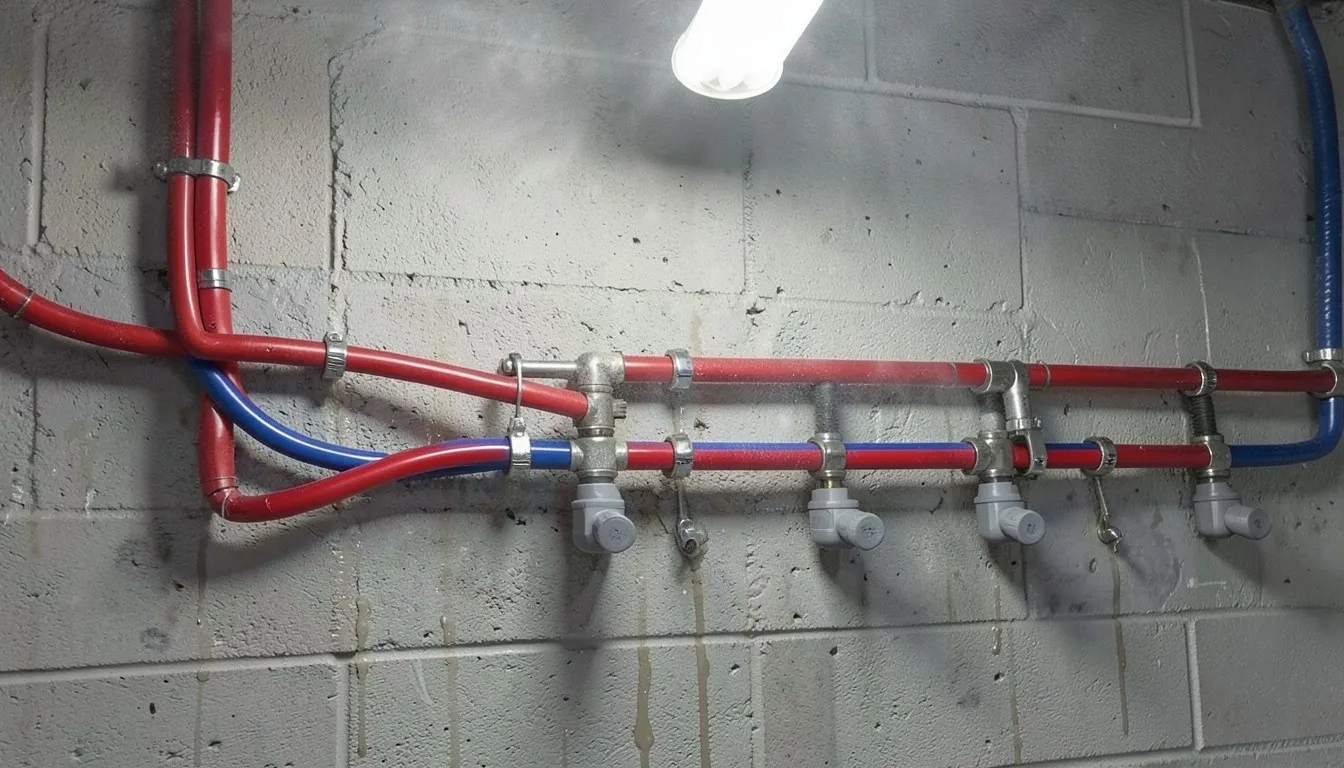
The fix gets cheaper the sooner a plumber sees it.
Degradation problems compound quietly. Call now, or use the form below to reach an independent Ohio plumber, and ask for an estimate for the leak detection — you are under no obligation.
Need a leak detection callback in Columbus?
In a meeting, with the kids, or just prefer not to call? Drop your ZIP and number below. AlertPlumber sends your request to our routing partner — if a participating plumber serves your area, they may call you back directly. For anything urgent, call the number on this page.
- 1 Submit your info. ZIP, phone, and what kind of work you need.
- 2 AlertPlumber passes it on to our routing partner for your area.
- 3 If a participating plumber serves your area, they may call you back. Ask for a written estimate before work starts.
Leak Detection in Columbus — catch it early
Degradation-driven failures worsen over time and cost more to fix the longer they run. Ask the independent OH plumber you reach in Columbus to diagnose your specific condition and put the scope in writing before any work begins.