
Emergency Leak Detection in Salt Lake City, Utah
Leak Detection in Salt Lake City, Utah locates hidden water and gas leaks using acoustic and thermal equipment. Local conditions in Salt Lake City: water measured at 12, a 30 frost line and a median home age of 61 years.
Camera first, quote second — know exactly what's wrong in your Salt Lake City home before you approve a dollar.
Is leak detection in Salt Lake City, UT the right job?
- Burst Pipe Repair in Salt Lake City
- Water is spraying or leaking from a visibly split pipe, and the damaged section needs repair.
- Frozen Pipe Repair in Salt Lake City
- A tap has stopped flowing in freezing weather, and a frozen pipe needs to be checked and thawed.
- Water Line Repair in Salt Lake City
- Low pressure or water pooling between the meter and the house may point to an incoming water line that needs repair.
- Slab Leak Repair in Salt Lake City
- A wet or warm patch on a concrete floor may mean a leaking pipe beneath the slab needs repair.
Who do I call for a hidden leak in Salt Lake City?
A plumber who offers leak detection. Ask what method they use (acoustic, thermal imaging or a pressure test) and whether finding the leak and repairing it are quoted separately. A hidden leak becomes urgent in a Salt Lake City home when water is visible on a ceiling, wall or floor.
What does the local plumbing data show for Salt Lake City, UT?
Seeing these conditions at your place in Salt Lake City? Describe them on the call to a state-licensed local plumber — free, no obligation.
What are the pipe conditions in Salt Lake City, UT?
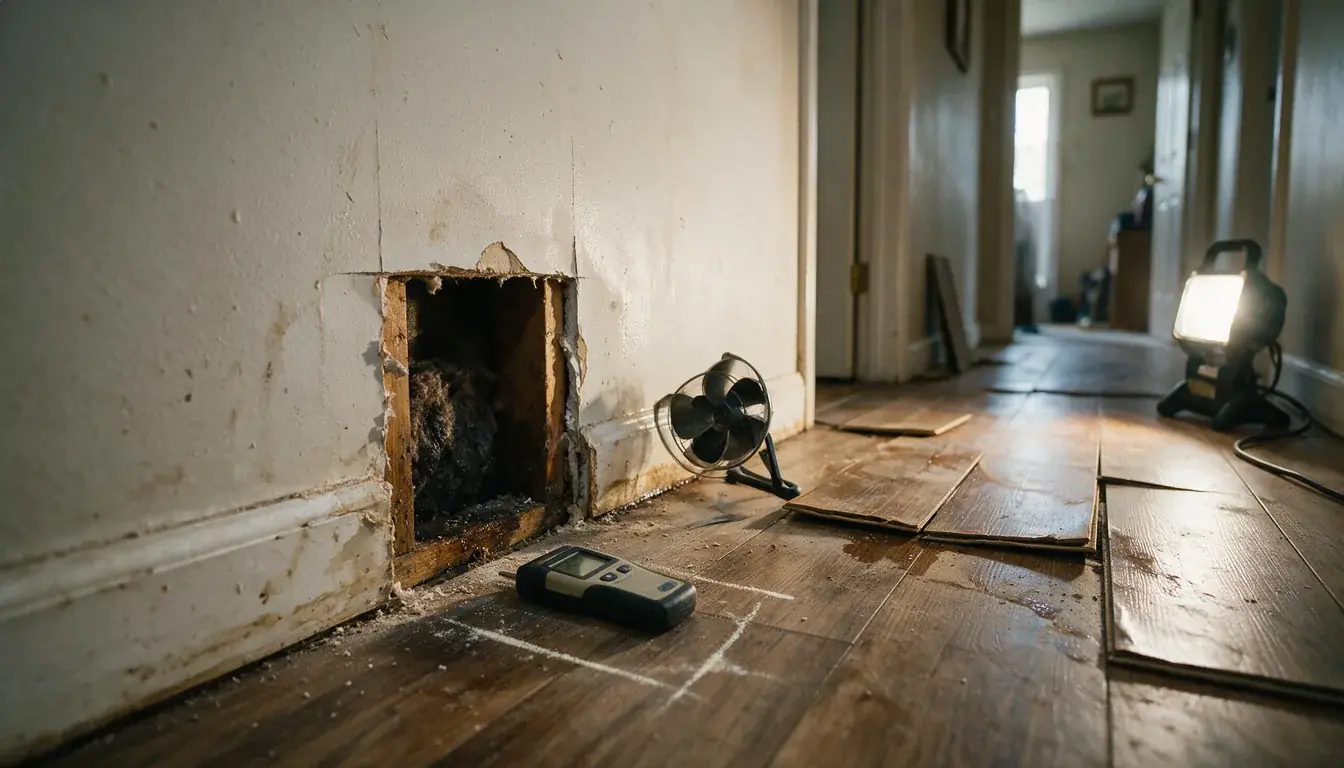
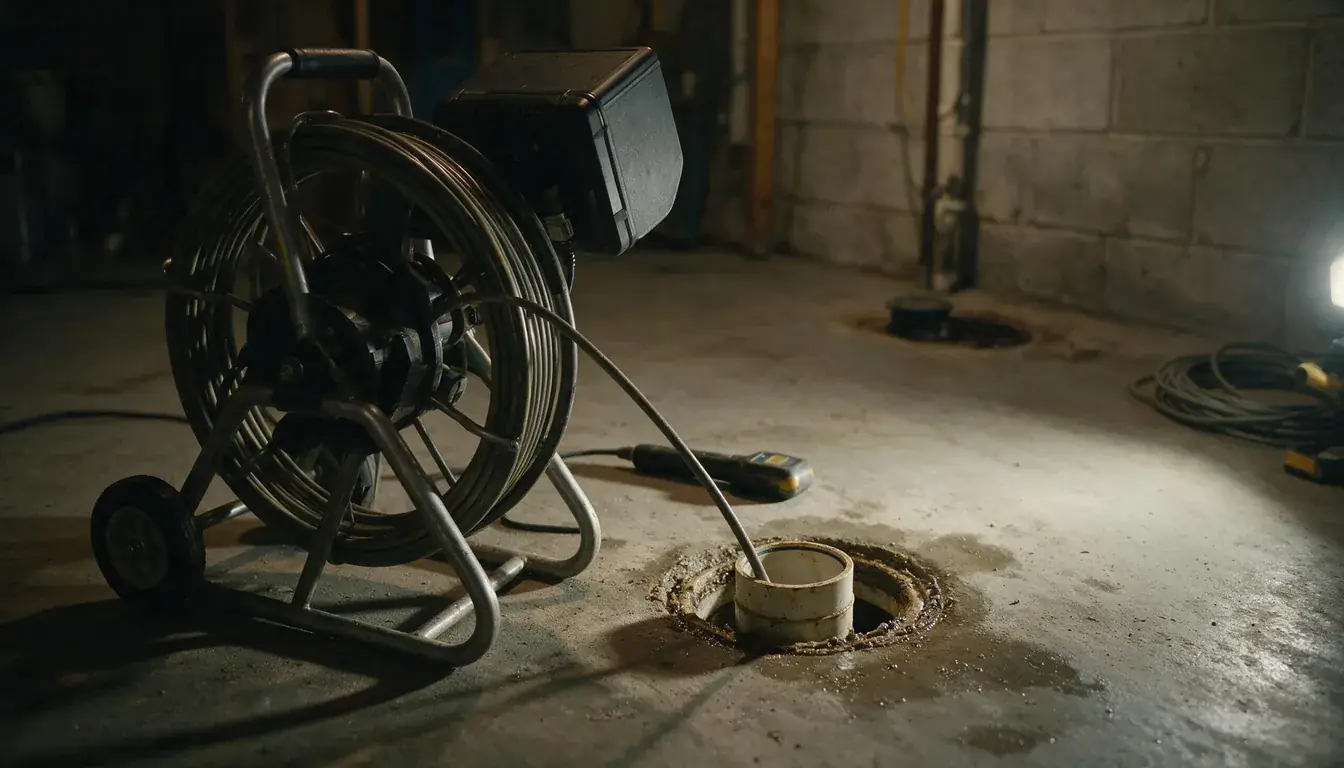
Non-invasive leak detection uses acoustic amplification, thermal imaging, and pressure isolation to locate water loss in supply lines and drain systems without opening walls or floors. Salt Lake City homes with galvanized or older copper supply runs face the highest pinhole leak incidence — a slow leak inside a wall cavity can cause mold and structural damage for months before becoming visible. A professional leak detection prevents unnecessary demolition by confirming the exact break location before any drywall is cut. AlertPlumber connects your call with an independent Utah-licensed plumber — ask them to locate first and open second.
Salt Lake City's housing stock spans multiple construction eras — median home age 61 years — meaning pipe materials and failure modes vary significantly by neighborhood and building vintage. An inspection-led approach that confirms pipe material before recommending a service path is standard practice for mixed housing profiles. Homes of other eras in Salt Lake City may have galvanized pipe, copper pipe or polybutylene supply lines instead; ask the plumber which your home has.
Very hard water in Salt Lake City is a primary driver of accelerated appliance failure: water heater anode rods exhaust in 2–3 years instead of 6–8, scale deposits at fixture connections form within months of installation, and tankless heat exchangers accumulate mineral buildup that can reduce lifespan by half without regular descaling. A softener or whole-house conditioner is strongly recommended alongside any appliance service call.
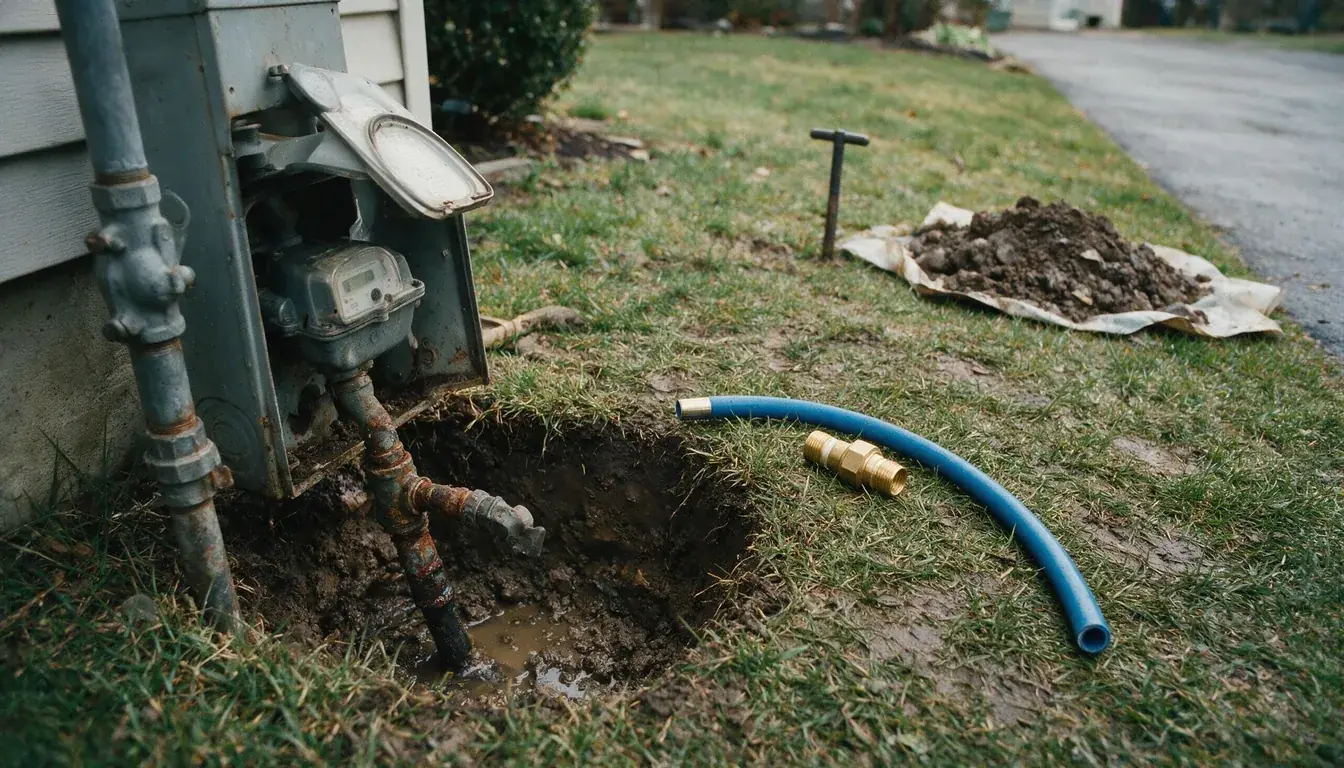
Frost line depth in Salt Lake City means supply lines and outdoor plumbing must be installed below the freeze threshold — typically 30 — to prevent pipe burst during cold events. Exterior hose bibs, irrigation shutoffs, and any exposed pipe runs are the most common winterization service points in freeze-risk markets.
- Median home age
- 61 yrs
- Water hardness
- 12 gpg
- Frost line
- 30 in.
- Lead lines
- Active replacement
- Permit
- City fee schedule
Census housing age, Salt Lake City city, Utah: median year built 1965; 45% of homes built before 1960, 65.4% before 1980. Source: U.S. Census Bureau, ACS 2020–2024 5-year estimates, tables B25034 and B25035, read 2026-09-30.
Mention these conditions when you describe the symptom to the UT plumber you reach.
What shapes plumbing demand in Salt Lake City, UT?
1950s–70s copper supply is now 50–70 years into its service cycle in Salt Lake City. Thermal fatigue at fittings and slab-on-grade access complexity — common in Sun Belt construction — make repair vs. replacement a live decision on most jobs. This housing cohort is the active primary replacement wave in this market.
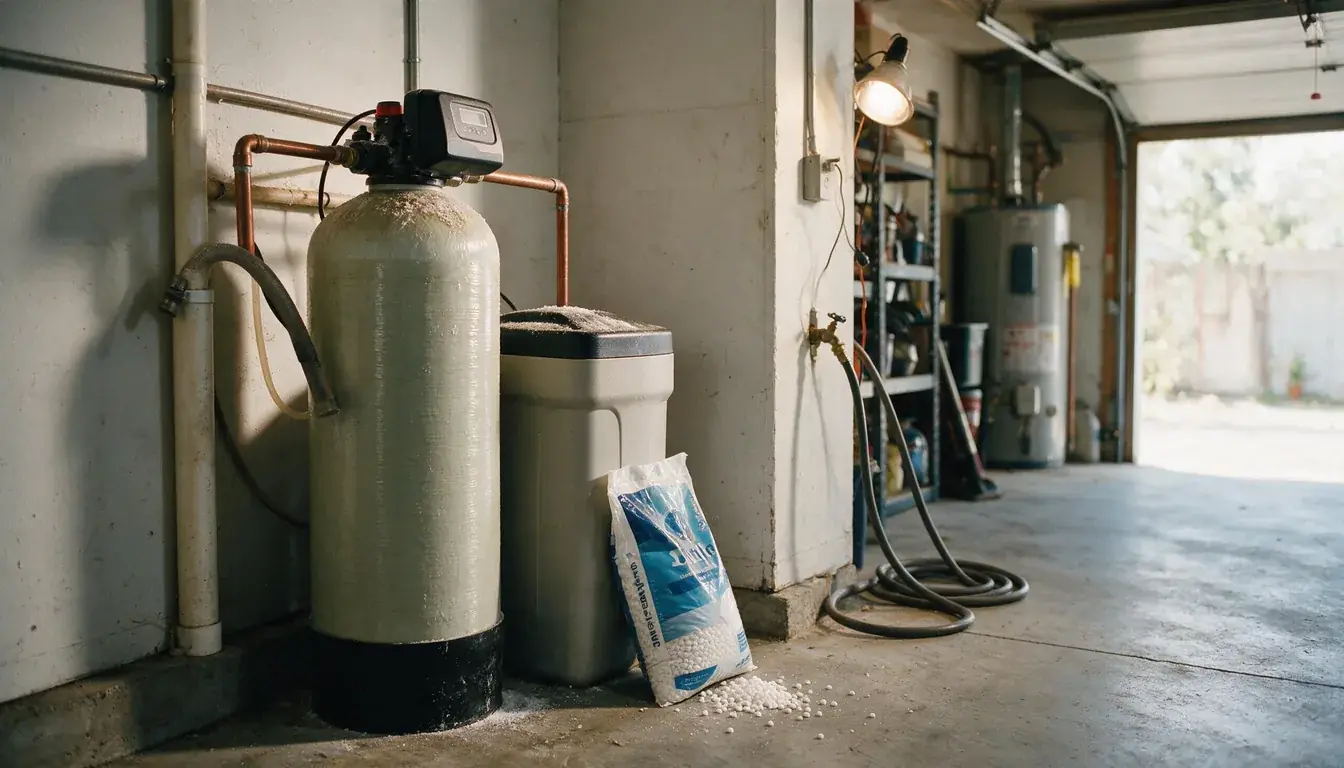
At 15–20+ GPG, calcium scale forces compressed equipment cycles in Salt Lake City: tank heaters average 6–9 years vs. the 10–12-year national benchmark, and tankless units require annual descaling. Anode rods calcify within 12–18 months. Most plumbers here assess heater age against the local scale timeline — not the manufacturer's service life.
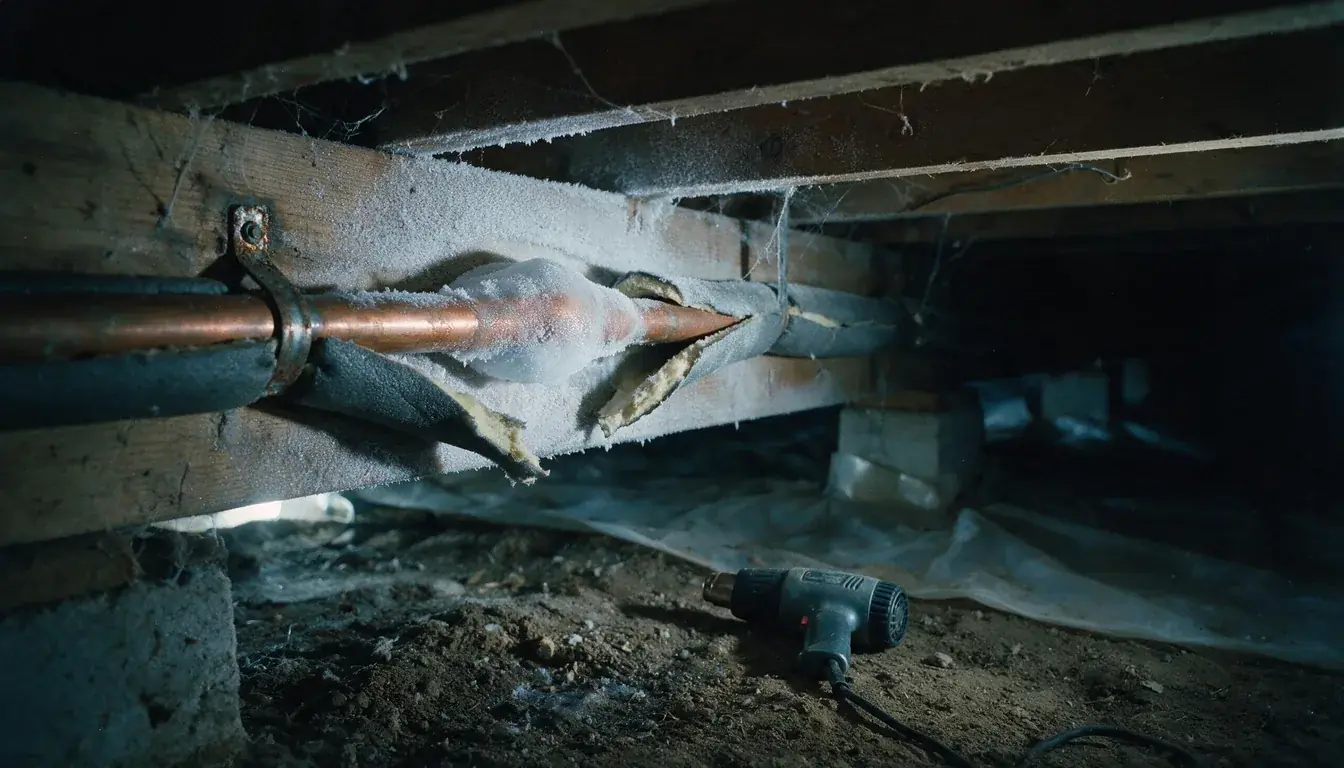
The primary surge in Salt Lake City runs January–March, with a secondary wave at the spring thaw — when pipes that held through the freeze rupture as pressure is restored above 32°F. Scheduling competition peaks exactly when emergency calls are highest. Homeowners who wait for visible damage compete for the same limited plumber slots at the worst possible time.
Why diagnose before repairing in Salt Lake City?
Describe the symptom — not the repair. AlertPlumber routes the call to an independent UT-licensed plumber in its partner's network — ask whether the site visit will use camera tracing, acoustic detection, or hydrostatic pressure testing matched to the reported failure type.
Ask the plumber for a written diagnostic report: confirmed failure location, available repair methods, and tradeoffs — disruption level, material durability, long-term cost, and whether a Salt Lake City building permit applies to the selected method.
You select the repair path. Ask for a fixed scope and price on the authorized method before the Utah-licensed plumber proceeds and, where required, who files the permit application to Salt Lake City.
Leak Detection cost calculator — Salt Lake City
Pre-filled for leak detection in Salt Lake City. Adjust the ZIP for a neighboring area, or change the service to compare. Calculator pulls from the city's scraped permit-fee + state plumber-density data.
Leak Detection in Salt Lake City — the longer it runs, the more it costs.
Slow failures compound: soft pipe walls, root penetration, mineral buildup. Ask the plumber you reach for a scope-first estimate before anything is dug up.
What else do people ask about leak detection in Salt Lake City?
How much does leak detection cost in Salt Lake City, UT?
Salt Lake City non-destructive leak detection runs flat, billed before any repair quote. The fee covers acoustic listening through brick on pre-WWII Avenues and Capitol Hill exterior walls, FLIR thermal scanning along bench-neighborhood basement rim joists, moisture mapping of plaster ceilings in Marmalade pre-statehood cottages, and a static-pressure isolation test on the supply manifold — critical at ~4,200 ft elevation where bench properties see elevated static pressure on aging galvanized risers. The SLC Building Services permit fee applies separately once repair scope is confirmed. AlertPlumber routes to an independent UT DOPL plumber who quotes the detection fee on the callback. Price ranges: leak detection cost guide.
How fast can a Salt Lake City leak-detection tech arrive?
Arrival times depend on which independent plumber takes the call, the time of day and the season — ask for an arrival window on the call. Acoustic gear is sensitive and crews stage from fewer valley depots than cabling vans — bench-neighborhood and Capitol Hill calls add 30–60 minutes when canyon storms close I-80 or SR-190. Ask the plumber who takes the call for an arrival window. Winter call-out peaks during the 128 freeze-day window when pinholes on galvanized risers fail under thermal cycling.
Do I need a permit for leak detection in Salt Lake City?
No. Leak detection is non-invasive diagnostic work — acoustic, thermal, pressure — and doesn't trigger a permit. The SLC Building Services permit fee only attaches once the detection confirms a repair scope: wall-open supply-line repair, re-pipe of a galvanized riser, or slab access on a mid-century Sugar House addition. Ask whether the plumber will pull the permit at the repair stage and bundle the fee into the written quote. Capitol Hill historic-district properties sometimes carry an additional review step — the matched UT DOPL plumber flags it on the callback. Permit fee ranges: permit fee estimator.
What causes most leaks in Salt Lake City homes?
Two dominant drivers along the Wasatch front. (1) Capitol Hill bench-elevation static pressure — properties above the State Capitol sit higher on the bench, and aging galvanized supply risers from 1949-era construction develop pinholes where elevation-driven static pressure stresses corroded wall thickness. (2) 12 gpg hardness from USGS hard-water classification accelerates internal scale on galvanized supply across The Avenues and Marmalade, narrowing the riser bore and weakening pinhole-prone sections. Acoustic mapping through brick locates them without opening every wall.
Will my Utah homeowners insurance cover leak damage?
Standard Utah HO-3 policies typically cover sudden and accidental water damage from a leak (drywall, flooring, ceiling, mold remediation) subject to deductible — but they exclude the cost of repairing the failed pipe itself and exclude "long-term seepage." Documentation matters. Ask the matched UT DOPL plumber for FLIR imagery, acoustic logs, and a written invoice naming the failure mode (galvanized pinhole, fitting weep, slab penetration). On any pre-1980 Avenues, Marmalade, or Capitol Hill home, the leak is far more likely to be classified "sudden" with proper detection documentation than with verbal causation. File within 30 days.
Why shouldn't I try to find the leak myself in Salt Lake City?
Pre-WWII Avenues and Marmalade brick walls transmit acoustic signal in counterintuitive paths — a leak at a Capitol Hill galvanized riser can sound loudest two rooms away through a shared masonry wythe. DIY moisture readings without thermal correlation routinely cut the wrong drywall, and aggressive shutoff testing on aged galvanized can blow a weak fitting and turn a repair into an emergency. The matched UT DOPL plumber runs calibrated acoustic and FLIR gear, isolates the manifold under controlled pressure, and pinpoints to a single stud bay before any cut. Price ranges: leak detection cost guide.
Acoustic listening vs FLIR thermal — which does my Salt Lake City leak need?
Both, in sequence. Acoustic listening is first-line on pressurized supply leaks — Capitol Hill galvanized riser pinholes, Avenues copper fitting weeps — because flowing water under pressure generates audible signature through brick and plaster. FLIR thermal is first-line on hot-water leaks, slab penetrations on Sugar House mid-century additions, and any leak where the temperature delta against ~4,200 ft ambient is clear. A skilled detection tech runs acoustic to localize, then FLIR to confirm — together they pinpoint to a single stud bay or slab quadrant before any drywall comes off.
How often should I schedule preventive leak detection in Salt Lake City?
Cadence depends on housing stock and supply material. Pre-WWII Avenues, Marmalade, and Capitol Hill homes with galvanized supply: full pressure-and-acoustic audit every 24–36 months and after any winter where temperatures dropped below 0°F. Mid-century Sugar House copper supply: every 4–5 years. Modern PEX re-pipes: every 7–10 years. Any sudden inexpensive water-bill jump on the SLC Department of Public Utilities statement warrants an immediate detection call regardless of cadence. Price ranges: leak detection cost guide.
How do I check the license of leak-detection techs in Utah?
The partner network requires every plumber routed through AlertPlumber in Salt Lake City to maintain active Utah state-credentialed status — UT DOPL Journeyman or Master Plumber, 2024 — roughly 8,400 active statewide. AlertPlumber doesn't independently verify each tech per call; homeowners are encouraged to confirm the specific license number directly with UT DOPL via the link above before authorizing detection work. State-credentialed status is the bar.
Which Salt Lake County ZIPs and neighborhoods do leak-detection techs cover?
AlertPlumber leak-detection techs cover Salt Lake County 84xxx ZIPs across the SLC Department of Public Utilities footprint. High-frequency neighborhoods: Capitol Hill (84103) above the State Capitol for galvanized riser pinholes at bench elevation, The Avenues (84103) for pre-WWII brick acoustic mapping, Marmalade (84103) for pre-statehood cottage detection, Sugar House (84106) for mid-century addition slab work, Yalecrest / Harvard-Yale (84108), Liberty Wells (84105). All bench neighborhoods east of 1300 East route from the same depots.
The fix gets cheaper the sooner a plumber sees it.
Degradation problems compound quietly. Call now, or use the form below to reach an independent Utah plumber, and ask for an estimate for the leak detection — you are under no obligation.
Need a leak detection callback in Salt Lake City?
In a meeting, with the kids, or just prefer not to call? Drop your ZIP and number below. AlertPlumber sends your request to our routing partner — if a participating plumber serves your area, they may call you back directly. For anything urgent, call the number on this page.
- 1 Submit your info. ZIP, phone, and what kind of work you need.
- 2 AlertPlumber passes it on to our routing partner for your area.
- 3 If a participating plumber serves your area, they may call you back. Ask for a written estimate before work starts.
Leak Detection in Salt Lake City — catch it early
Degradation-driven failures worsen over time and cost more to fix the longer they run. Ask the independent UT plumber you reach in Salt Lake City to diagnose your specific condition and put the scope in writing before any work begins.