
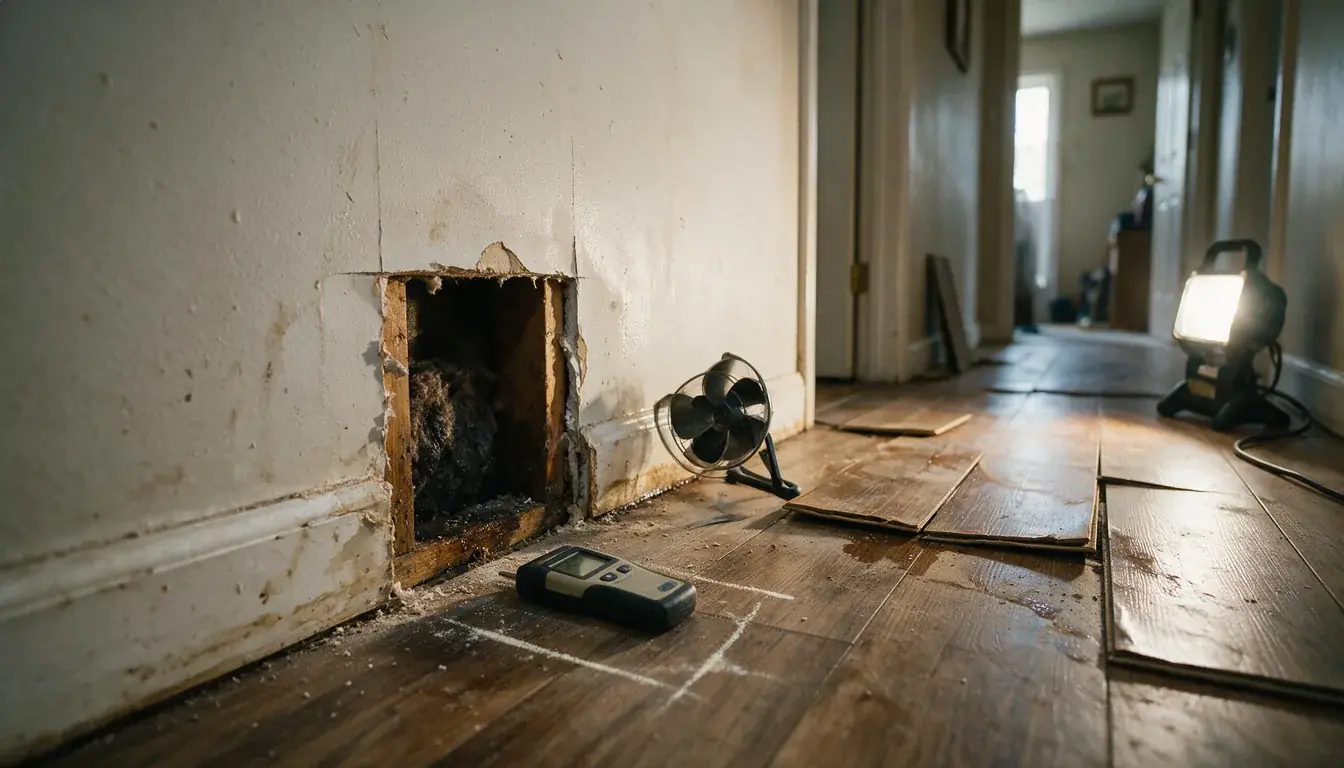
Emergency Leak Detection in Troy, New York
Leak Detection in Troy, New York locates hidden water and gas leaks using acoustic and thermal equipment. Local conditions in Troy: water measured at 5 gpg, a 32 in frost line and a median home age of 85 years.
Camera first, quote second — know exactly what's wrong in your Troy home before you approve a dollar.
Is leak detection in Troy, NY the right job?
- Burst Pipe Repair in Troy
- Water is spraying or leaking from a visibly split pipe, and the damaged section needs repair.
- Frozen Pipe Repair in Troy
- A tap has stopped flowing in freezing weather, and a frozen pipe needs to be checked and thawed.
- Water Line Repair in Troy
- Low pressure or water pooling between the meter and the house may point to an incoming water line that needs repair.
- Slab Leak Repair in Troy
- A wet or warm patch on a concrete floor may mean a leaking pipe beneath the slab needs repair.
Who do I call for a hidden leak in Troy?
A plumber who offers leak detection. Ask what method they use (acoustic, thermal imaging or a pressure test) and whether finding the leak and repairing it are quoted separately. A hidden leak becomes urgent in a Troy home when water is visible on a ceiling, wall or floor.
What does the local plumbing data show for Troy, NY?
Seeing these conditions at your place in Troy? Describe them on the call to a state-licensed local plumber — free, no obligation.
What are the pipe conditions in Troy, NY?
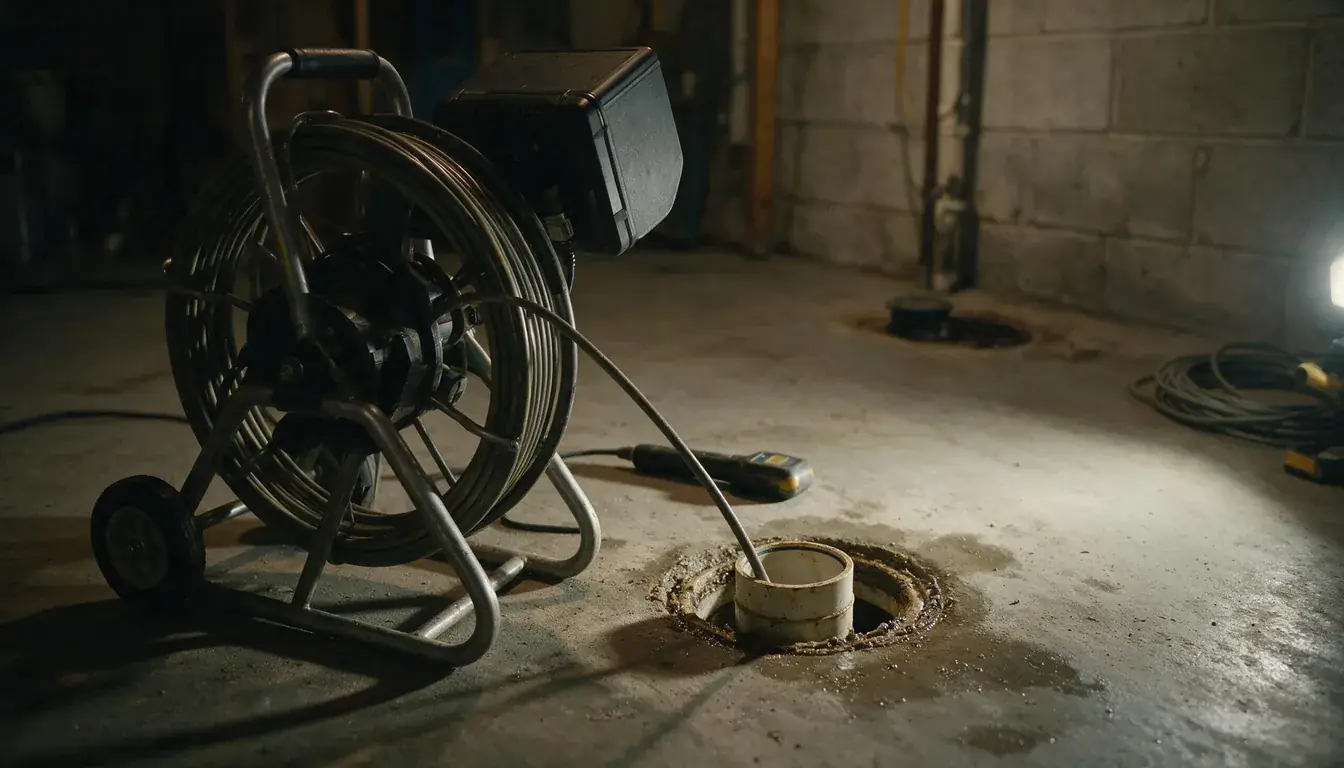
Non-invasive leak detection uses acoustic amplification, thermal imaging, and pressure isolation to locate water loss in supply lines and drain systems without opening walls or floors. Troy homes with galvanized or older copper supply runs face the highest pinhole leak incidence — a slow leak inside a wall cavity can cause mold and structural damage for months before becoming visible. A professional leak detection prevents unnecessary demolition by confirming the exact break location before any drywall is cut. AlertPlumber connects your call with an independent New York-licensed plumber — ask them to locate first and open second.
Pre-war housing in Troy — median home age 85 years — may still carry galvanized steel supply lines installed before the copper era. Galvanized pipe corrodes from the inside out: internal oxidation gradually narrows bore diameter, reduces water pressure, and eventually results in pinhole failure at corroded sections. Inspection confirms whether scale and corrosion warrant section replacement or full repipe. Homes of other eras in Troy may have copper pipe or polybutylene supply lines instead; ask the plumber which your home has.
Frost line depth in Troy means supply lines and outdoor plumbing must be installed below the freeze threshold — typically 32 in — to prevent pipe burst during cold events. Exterior hose bibs, irrigation shutoffs, and any exposed pipe runs are the most common winterization service points in freeze-risk markets.
- Median home age
- 85 yrs
- Water hardness
- 5 gpg
- Frost line
- 32 in
- Permit
- City fee schedule
Census housing age, Troy city, New York: median year built 1939 or earlier; 68.5% of homes built before 1960, 82.7% before 1980. Source: U.S. Census Bureau, ACS 2020–2024 5-year estimates, tables B25034 and B25035, read 2026-09-30.
Mention these conditions when you describe the symptom to the NY plumber you reach.
What shapes plumbing demand in Troy, NY?
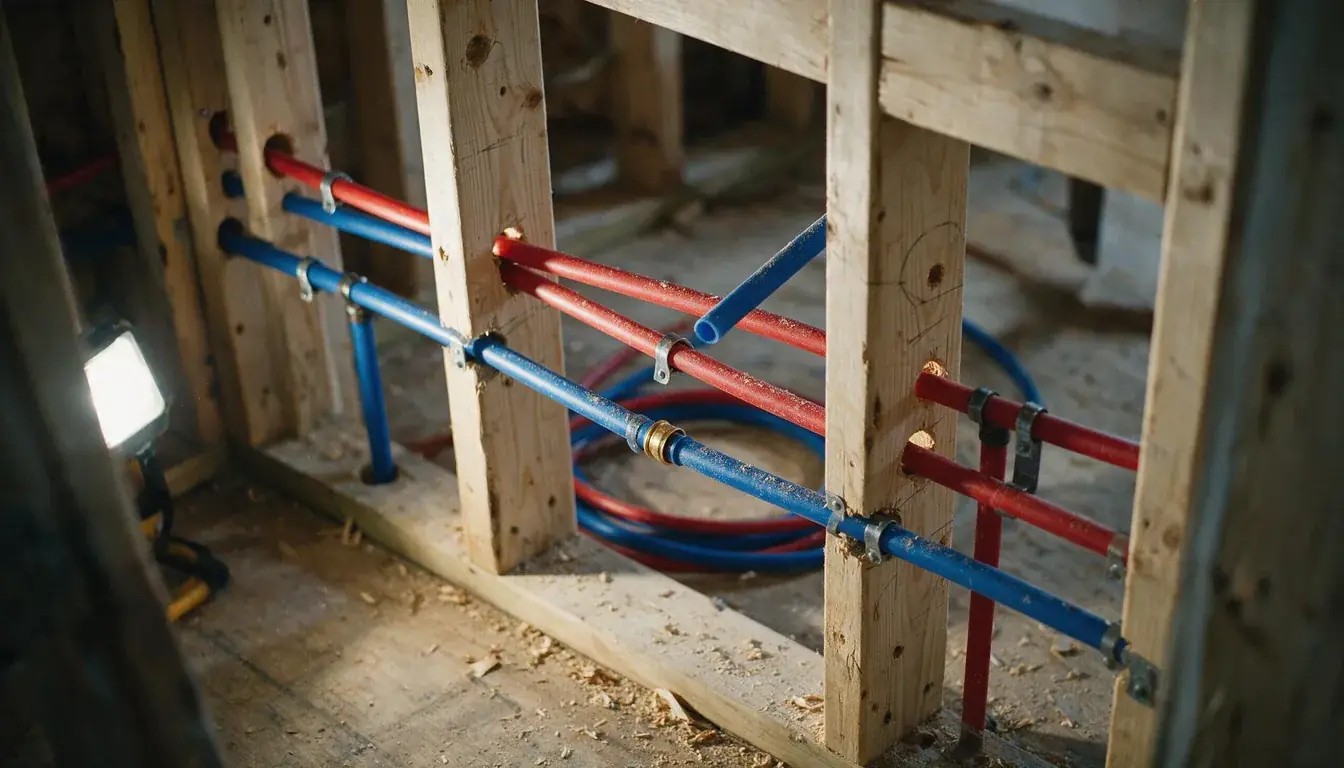
Galvanized supply lines and cast iron drain systems from the 1880s–1940s are past their 40–70-year design life across much of Troy. Interior rust scale progressively narrows pipe bore. Plumbers here routinely scope supply lines before quoting any repair — the underlying pipe condition often makes full replacement more cost-effective than patching.
4–7 GPG produces gradual scale that stays manageable with standard maintenance intervals in Troy — annual flushing, cartridge cleaning every 1–2 years. Equipment runs near design lifespan. The primary water quality driver here is preventive maintenance rather than emergency replacement, which distributes service demand more evenly across the calendar.
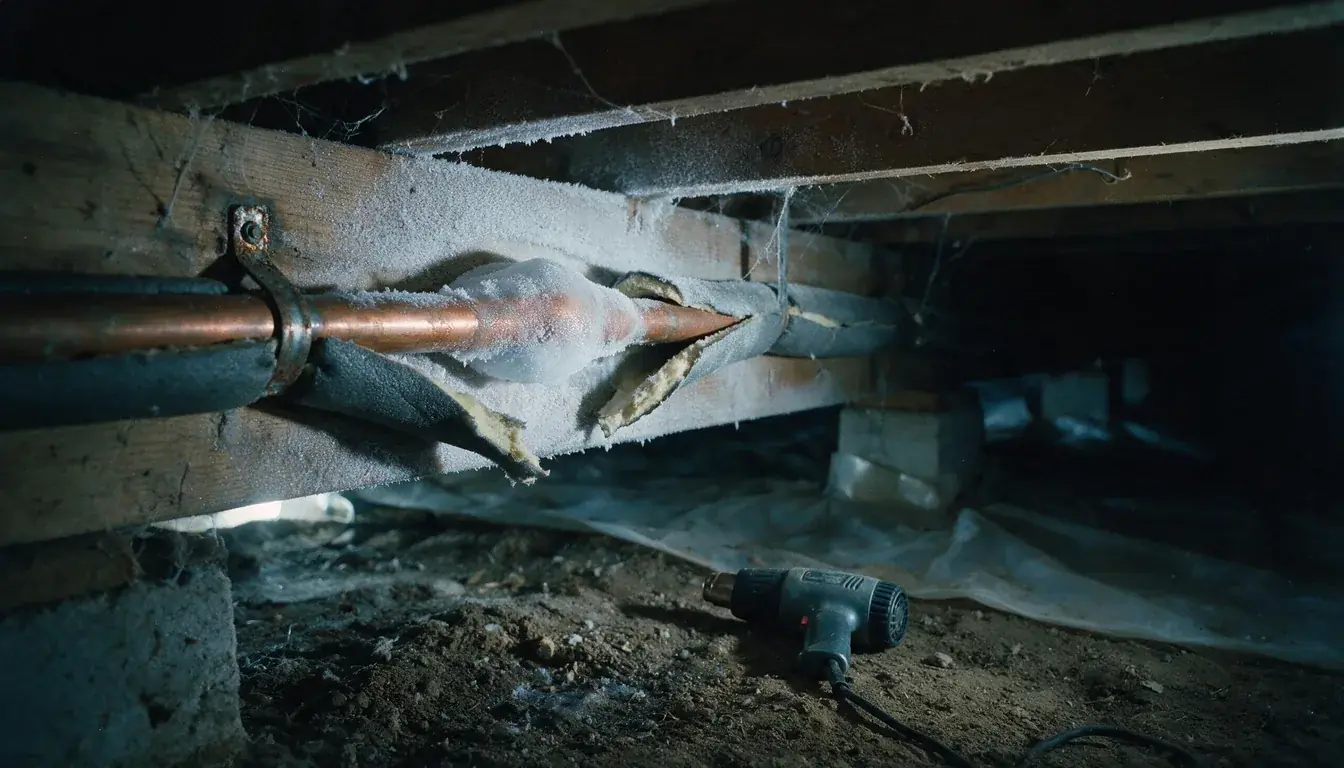
The primary surge in Troy runs January–March, with a secondary wave at the spring thaw — when pipes that held through the freeze rupture as pressure is restored above 32°F. Scheduling competition peaks exactly when emergency calls are highest. Homeowners who wait for visible damage compete for the same limited plumber slots at the worst possible time.
Why diagnose before repairing in Troy?
Describe the symptom — not the repair. AlertPlumber routes the call to an independent NY-licensed plumber in its partner's network — ask whether the site visit will use camera tracing, acoustic detection, or hydrostatic pressure testing matched to the reported failure type.
Ask the plumber for a written diagnostic report: confirmed failure location, available repair methods, and tradeoffs — disruption level, material durability, long-term cost, and whether a Troy building permit applies to the selected method.
You select the repair path. Ask for a fixed scope and price on the authorized method before the New York-licensed plumber proceeds and, where required, who files the permit application to Troy.
Leak Detection cost calculator — Troy
Pre-filled for leak detection in Troy. Adjust the ZIP for a neighboring area, or change the service to compare. Calculator pulls from the city's scraped permit-fee + state plumber-density data.
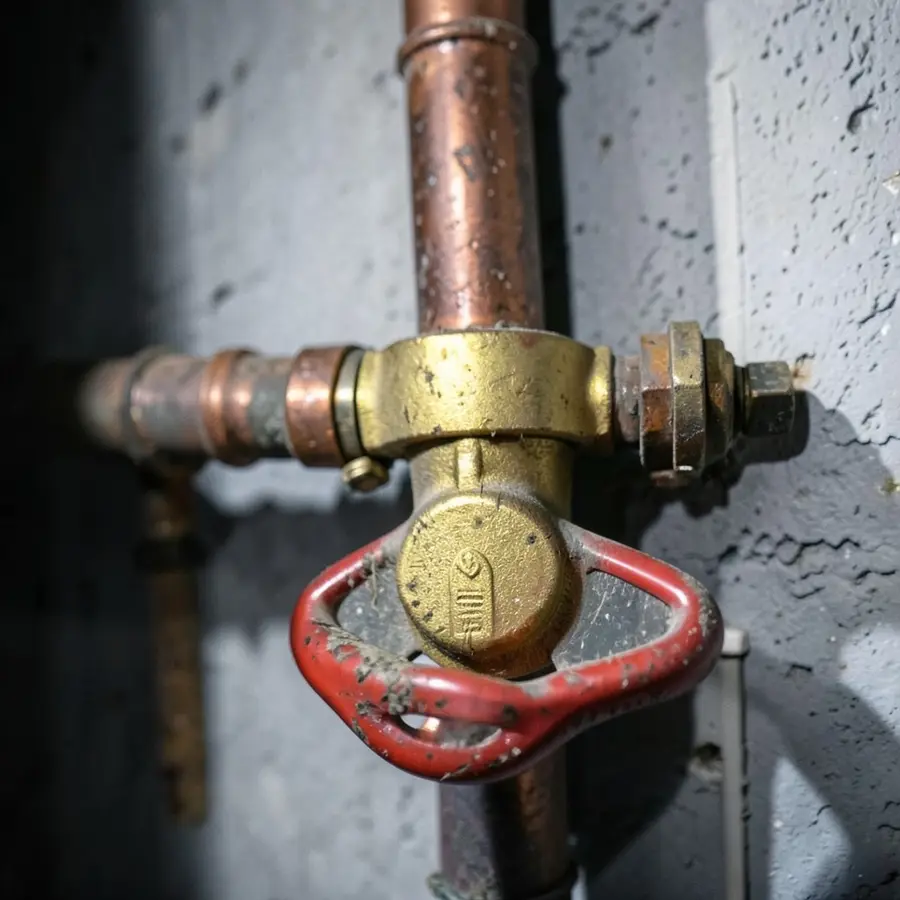
Leak Detection in Troy — the longer it runs, the more it costs.
Slow failures compound: soft pipe walls, root penetration, mineral buildup. Ask the plumber you reach for a scope-first estimate before anything is dug up.
What else do people ask about leak detection in Troy?
How much does leak detection cost in Troy, NY?
Professional leak detection in Troy typically runs roughly 10% below the national average for a full-property diagnostic using acoustic, thermal, and/or tracer gas equipment. Most Troy plumbers apply the detection cost toward the repair bill if you book both with the same crew. Price ranges: leak detection cost guide.
What methods do Troy plumbers use to find hidden leaks?
Professional leak detection uses: (1) acoustic listening — a ground microphone amplifies leak noise through the building structure; (2) thermal imaging — infrared camera maps temperature differentials from warm-water leaks; (3) tracer gas — nitrogen-helium mix pressurizes the suspect line and a surface sensor detects gas escaping through the leak, even on cold-water lines.
Is leak detection truly non-invasive in Troy?
Detection itself is non-invasive. The repair after detection may require opening access to the leak point, but that's targeted rather than exploratory. In Troy, this typically confines the access opening to 4–12 square feet rather than opening entire wall sections.
How long does leak detection take in Troy?
A full-property detection survey takes 2–4 hours: pressure test on each zone (30 min), acoustic sweep (60 min), thermal pass (30–60 min), and tracer gas on any suspect zone (30–60 min). The technician provides a written report with the leak location before leaving.
Can leak detection find slab leaks, wall leaks, AND underground leaks in Troy?
Yes. Slab leaks are located acoustically and thermally, then confirmed with tracer gas. Wall leaks show on thermal as a temperature differential through drywall. Underground leaks are found acoustically. Troy's glacial till/clay (Rensselaer County, Hudson River) affects underground acoustic signal quality — the technician adjusts equipment sensitivity accordingly.
How accurate is professional leak detection in Troy?
With multi-method detection (acoustic + thermal + tracer gas), professional locators achieve within-6-inch accuracy on most slab and underground leaks in Troy. Ask for a written location estimate with accuracy range before any cutting begins.
When should I call for emergency leak detection vs. scheduling a visit?
Emergency call: active water visible from walls or ceiling, water meter spinning with all fixtures off, or water pressure suddenly dropped to near-zero. Scheduled visit: slow drip heard inside a wall with no visible damage, monthly water bill spiking, or wet spot on a slab floor.
Can the detection report be used for an insurance claim in Troy?
Yes — a professional detection report with the technician's license number (NY DOS), leak location, estimated cause, and photos is standard documentation for homeowners insurance claims in New York. Many adjusters require a licensed plumber's written assessment before authorizing coverage.
Does leak detection require a permit in Troy?
Leak detection itself doesn't require a permit — it's diagnostic work. The subsequent repair requires an NY DOS permit. The matched plumber pulls the repair permit after detection confirms the scope. Permit fee ranges: permit fee estimator.
How do I check the license of leak detection specialists in NY?
AlertPlumber does not vet plumbers: for leak detection in Troy, ask for the NY DOS license number and check it with the state board, and ask whether they carry professional acoustic, thermal, and tracer gas detection equipment. Written detection reports are provided on every visit.
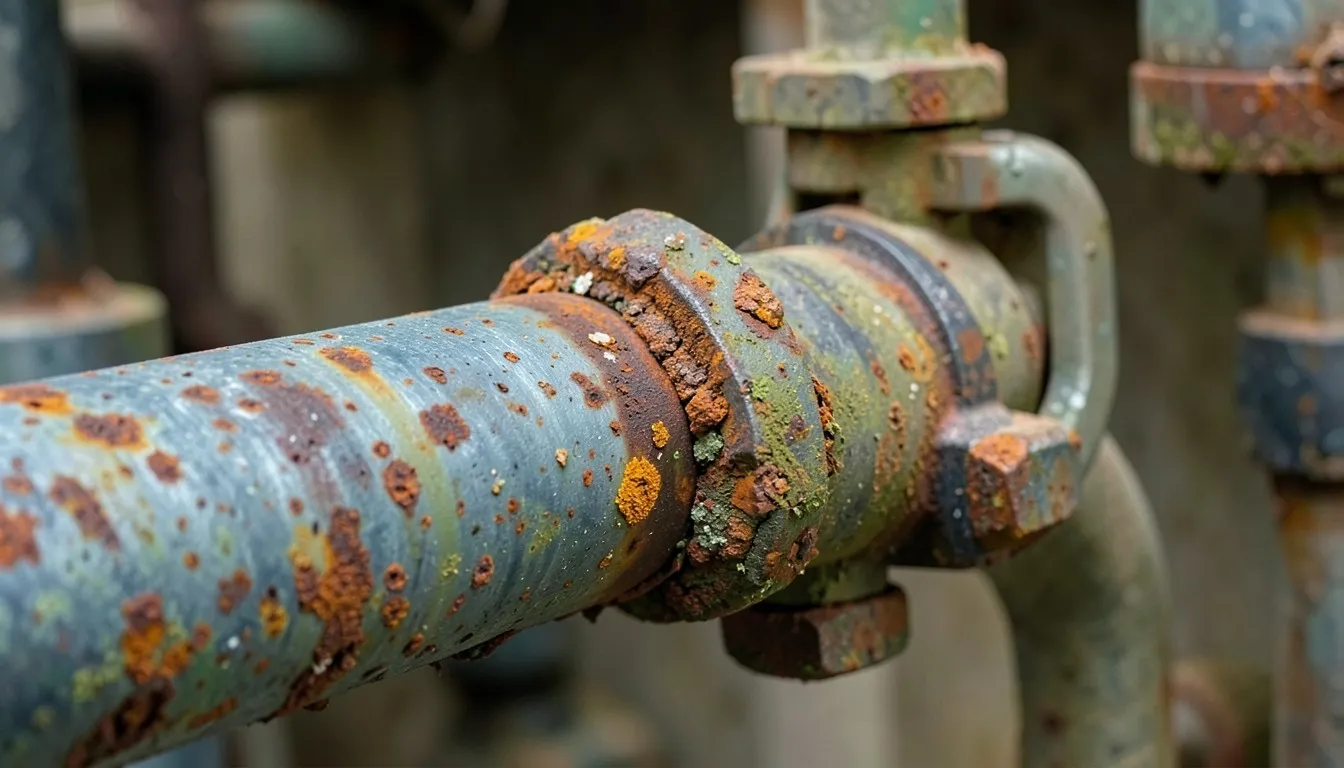
The fix gets cheaper the sooner a plumber sees it.
Degradation problems compound quietly. Call now, or use the form below to reach an independent New York plumber, and ask for an estimate for the leak detection — you are under no obligation.
Need a leak detection callback in Troy?
In a meeting, with the kids, or just prefer not to call? Drop your ZIP and number below. AlertPlumber sends your request to our routing partner — if a participating plumber serves your area, they may call you back directly. For anything urgent, call the number on this page.
- 1 Submit your info. ZIP, phone, and what kind of work you need.
- 2 AlertPlumber passes it on to our routing partner for your area.
- 3 If a participating plumber serves your area, they may call you back. Ask for a written estimate before work starts.
Leak Detection in Troy — catch it early
Degradation-driven failures worsen over time and cost more to fix the longer they run. Ask the independent NY plumber you reach in Troy to diagnose your specific condition and put the scope in writing before any work begins.