
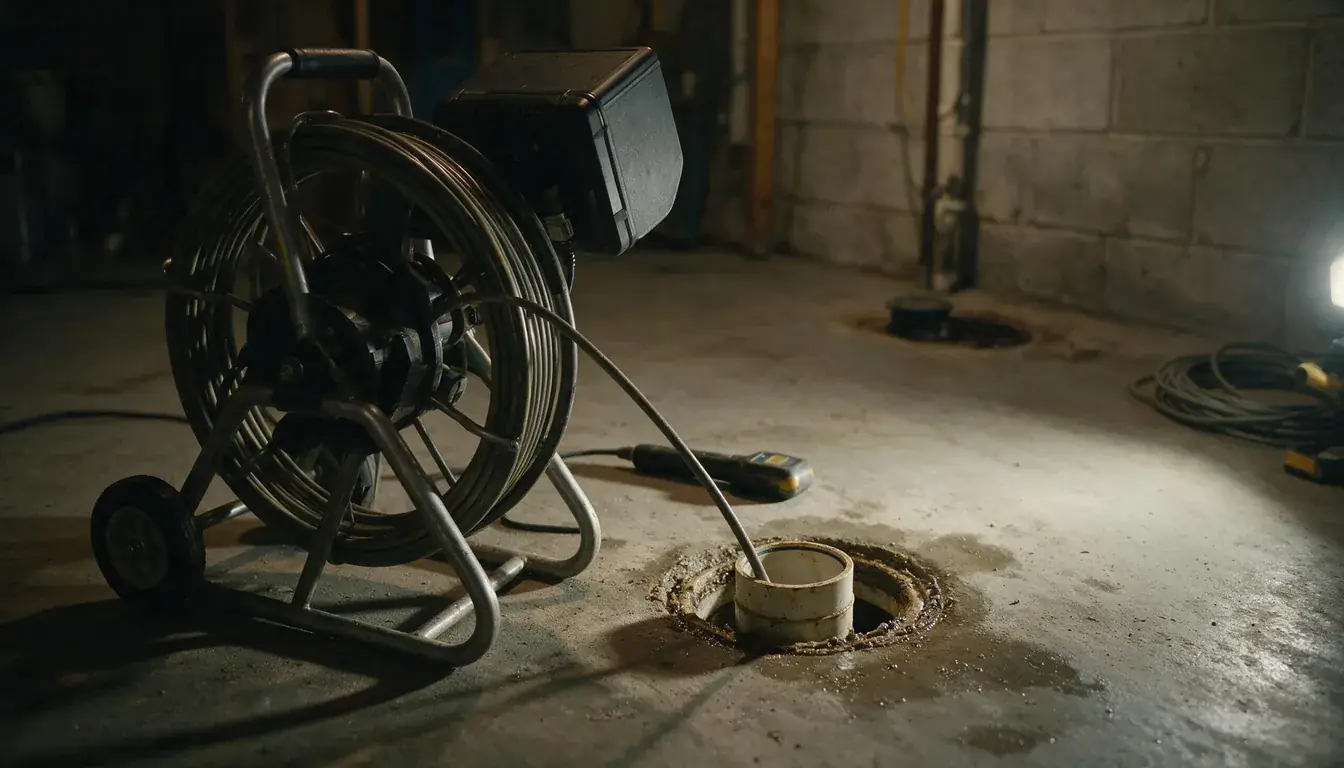
Pipe Camera Inspection in Carmel, Indiana
Pipe Camera Inspection in Carmel, Indiana is real-time video inspection of drain, sewer, and supply lines to diagnose clogs, cracks, root intrusion, and pipe condition before committing to a repair. Local conditions in Carmel: water measured at 10 gpg, a 24 in frost line and a median home age of 25 years.
Camera first, quote second — know exactly what's wrong in your Carmel home before you approve a dollar.
Is pipe camera inspection in Carmel, IN the right job?
- Sewer Line Repair in Carmel
- Backups or sewage in the yard may point to a damaged sewer line that needs a section repaired.
- Sewer Line Replacement in Carmel
- Sewer backups keep returning and the existing line is too damaged for a section repair, so the line needs replacement.
- Hydro Jetting in Carmel
- Grease, sludge, or heavy buildup keeps blocking an otherwise sound drain or sewer pipe, and high-pressure water jetting may clear it.
- Drain Cleaning in Carmel
- A sink, tub, or drain is slow or blocked, and the blockage needs clearing.
What does the local plumbing data show for Carmel, IN?
Seeing these conditions at your place in Carmel? Describe them on the call to a state-licensed local plumber — free, no obligation.
What are the pipe conditions in Carmel, IN?
A sewer camera scope in Carmel reveals what symptoms alone cannot confirm: root intrusion at clay-tile joints, offset sections from ground settlement, scale accumulation narrowing the drain bore, and collapsed or bellied runs holding standing water. Knowing the pipe material — clay, cast iron, ABS, or Orangeburg — determines whether a spot repair, CIPP lining, or full replacement is the right investment. AlertPlumber connects your call with an independent Indiana-licensed plumber — ask for the scope footage and a written defect report before any repair commitment.
Carmel's housing stock spans multiple construction eras — median home age 25 years — meaning pipe materials and failure modes vary significantly by neighborhood and building vintage. An inspection-led approach that confirms pipe material before recommending a service path is standard practice for mixed housing profiles. Homes of other eras in Carmel may have galvanized pipe, copper pipe or polybutylene supply lines instead; ask the plumber which your home has.
Hard water in Carmel accelerates scale buildup inside water heater tanks, on heating elements, and at fixture connections. Sediment accumulation in tank heaters reduces efficiency and shortens element life; visible deposits at aerators and showerheads are an early indicator. Ask a licensed plumber to assess whether a water softener or conditioner is appropriate for the home's service configuration.
Frost line depth in Carmel means supply lines and outdoor plumbing must be installed below the freeze threshold — typically 24 in — to prevent pipe burst during cold events. Exterior hose bibs, irrigation shutoffs, and any exposed pipe runs are the most common winterization service points in freeze-risk markets.
- Median home age
- 25 yrs
- Water hardness
- 10 gpg
- Frost line
- 24 in
- Permit
- City fee schedule
Census housing age, Carmel city, Indiana: median year built 1998; 5% of homes built before 1960, 21.8% before 1980. Source: U.S. Census Bureau, ACS 2020–2024 5-year estimates, tables B25034 and B25035, read 2026-09-30.
Mention these conditions when you describe the symptom to the IN plumber you reach.
What shapes plumbing demand in Carmel, IN?
Post-2000 construction uses PEX-A and code-modern copper at low initial failure rates. Slab-mounted supply lines shift with soil moisture over time; chloramine-related PEX fitting issues can appear at 15–25 years. Proactive inspection on Carmel homes past that threshold typically catches developing issues before they become emergency calls.
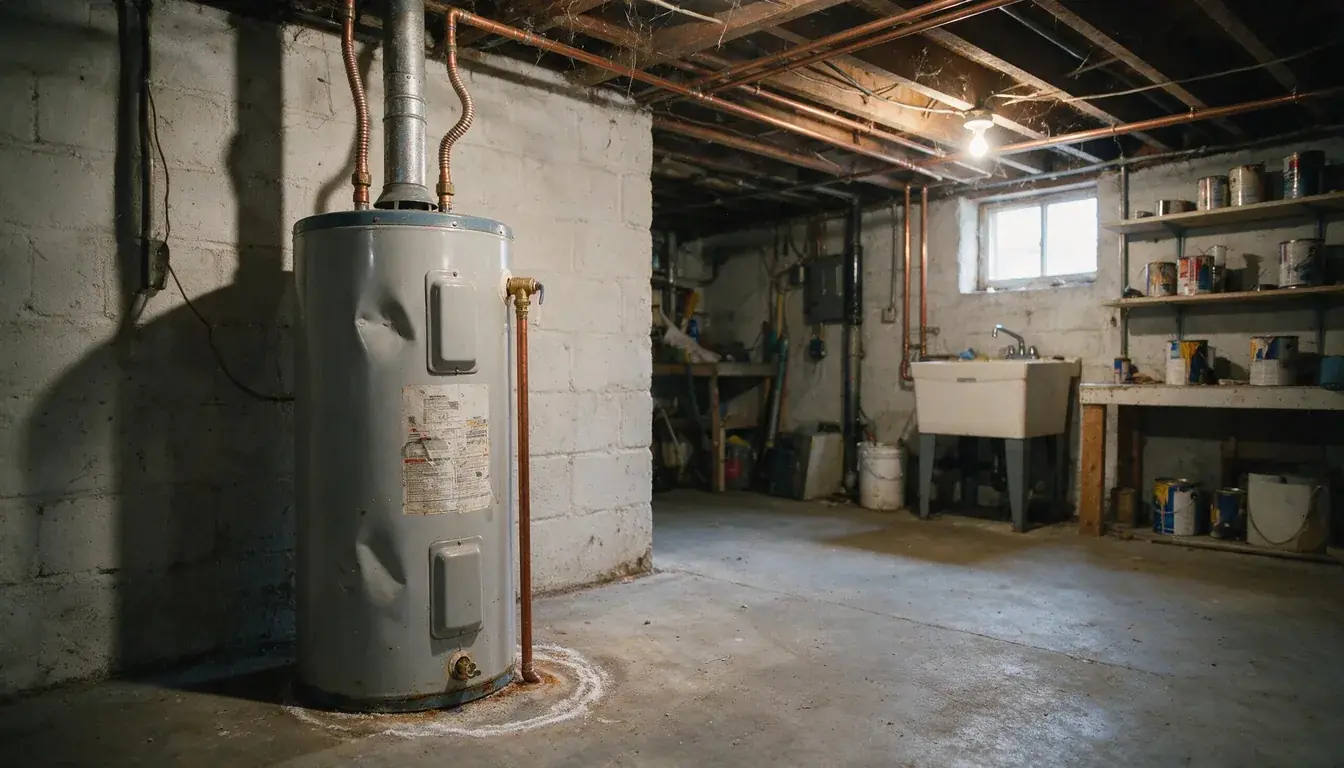
8–14 GPG shortens water heater service life to 8–11 years in Carmel and drives rolling maintenance demand at aerators, shower cartridges, and heat exchanger ports. Annual flushing prevents premature failure; skipped maintenance cycles push units toward early replacement. Scale-related calls represent a significant share of the annual service workload here.
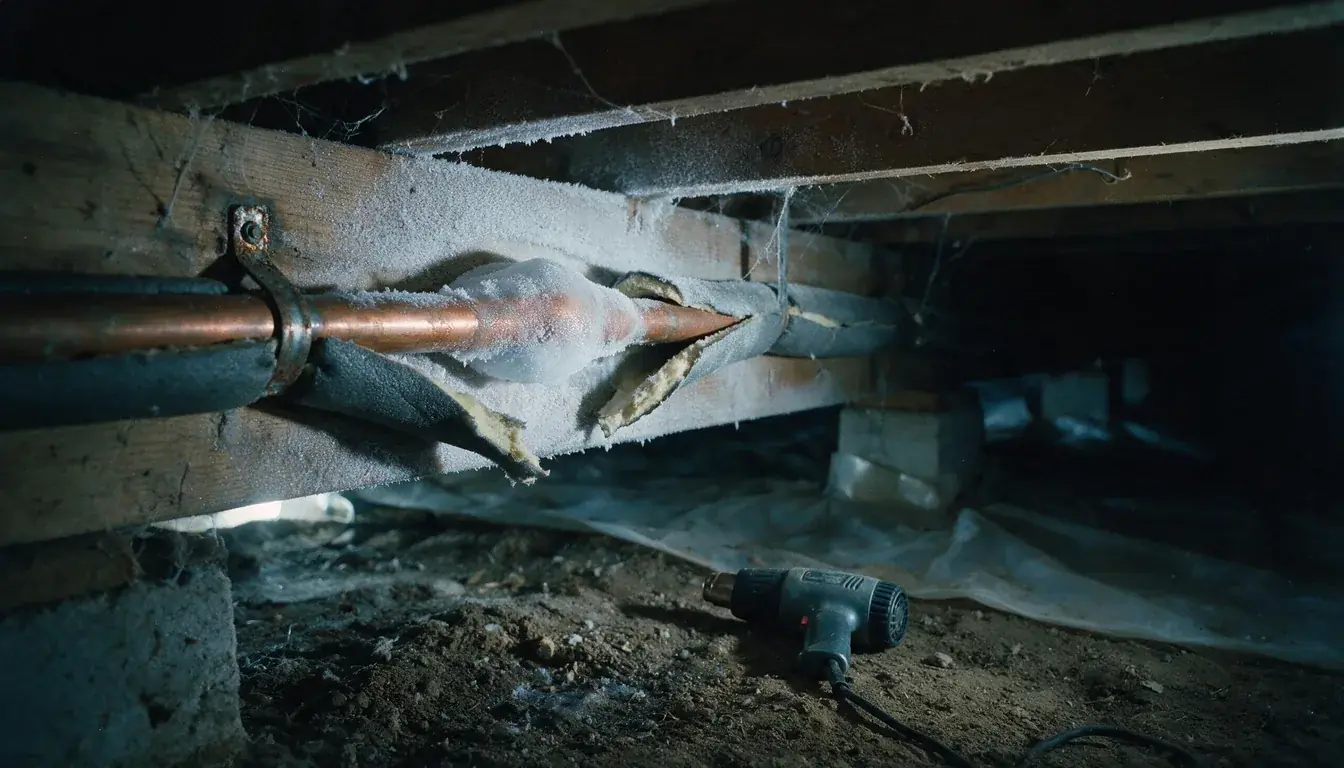
The primary surge in Carmel runs January–March, with a secondary wave at the spring thaw — when pipes that held through the freeze rupture as pressure is restored above 32°F. Scheduling competition peaks exactly when emergency calls are highest. Homeowners who wait for visible damage compete for the same limited plumber slots at the worst possible time.
Why diagnose before repairing in Carmel?
Describe the symptom — not the repair. AlertPlumber routes the call to an independent IN-licensed plumber in its partner's network — ask whether the site visit will use camera tracing, acoustic detection, or hydrostatic pressure testing matched to the reported failure type.
Ask the plumber for a written diagnostic report: confirmed failure location, available repair methods, and tradeoffs — disruption level, material durability, long-term cost, and whether a Carmel building permit applies to the selected method.
You select the repair path. Ask for a fixed scope and price on the authorized method before the Indiana-licensed plumber proceeds and, where required, who files the permit application to Carmel.
Pipe Camera Inspection cost calculator — Carmel
Pre-filled for pipe camera inspection in Carmel. Adjust the ZIP for a neighboring area, or change the service to compare. Calculator pulls from the city's scraped permit-fee + state plumber-density data.
Pipe Camera Inspection in Carmel — get a written scope before it escalates.
Degradation-driven failures rarely self-correct. Call to reach an independent Indiana plumber and ask for a written estimate — before it becomes an emergency repair.
What else do people ask about pipe camera inspection in Carmel?
When should Carmel homeowners schedule a pipe camera inspection?
Four situations make camera inspection a sound investment: (1) slow or recurring drain clogs that return within weeks of snaking — the camera determines whether root intrusion, scale buildup, or a belly is causing the pattern; (2) pre-purchase inspection of a home with an unknown sewer lateral age; (3) before and after hydro-jetting to confirm the line was fully cleared; (4) before committing to an expensive repair — a camera scope can confirm whether a spot repair is sufficient or whether full replacement is warranted. Skipping the scope and going straight to excavation based on symptoms alone often leads to over-repair. Price ranges: sewer line repair cost guide.
What types of pipe can be inspected with a camera in Carmel?
Camera inspection works on any pipe with a cleanout access: main sewer laterals (4-inch and 6-inch), branch drain lines (3-inch), and supply lines 2 inches or larger. The camera head size is matched to the pipe diameter. Limitations: the camera cannot navigate a collapsed section — physical blockage stops the snake. Some Carmel homes have main cleanouts located in the floor of the basement mechanical room or outside near the foundation; locating the cleanout before the plumber arrives saves time on the appointment.
How does a pipe camera inspection handle a Carmel property with no cleanout?
Cleanout access is required. If no exterior cleanout or floor cleanout exists, the plumber may access the line through a roof vent stack, through an existing toilet flange (after removing the toilet), or by installing a new cleanout as part of the scope. Cleanout installation can add a separate charge to the inspection cost but is a permanent improvement — all future camera work, snaking, and hydro-jetting becomes faster and less invasive. Many Carmel homes built before 1970 lack exterior cleanouts; the plumber assesses access options during the estimate call. Price ranges: sewer line repair cost guide.
How much does a pipe camera inspection cost in Carmel?
A standard main sewer lateral camera inspection in Carmel runs a scope-based price for a camera-only service. When bundled with hydro-jetting, most plumbers discount the scope to a scope-based price. A full sewer scope with a written report, footage on USB, and locate marking (marking the depth and position of defects on the ground surface for excavation planning) runs a scope-based price. Specialty inspections — such as remote-sensing lateral inspections from the main without cleanout access — run higher. Always ask whether the report includes footage you can keep; it is essential documentation for a homeowner's insurance or warranty claim. Price ranges: sewer line repair cost guide.
How long does a pipe camera inspection take in Carmel?
A standard main sewer lateral scope runs 30–60 minutes from setup to cleanout reinstallation. Add 15–30 minutes if the plumber needs to locate a cleanout, pull a toilet for access, or navigate a difficult line with multiple bends. Full reporting with depth marking and documentation adds another 15–20 minutes on-site. If a real-time review with the homeowner is requested — watching the camera feed and discussing findings as the camera moves — plan for a 90-minute appointment. The plumber typically provides verbal findings immediately and a written report within 24 hours.
What does a pipe camera inspection find in Carmel homes?
The most common findings in Carmel are: root intrusion at clay-tile joint seams (particularly in homes built before 1980 with mature trees nearby), scale buildup from hard water narrowing the drain diameter, offset joints from ground settlement or frost heave, bellied sections where the pipe dips below grade and holds standing water, and cracked or collapsed sections in older cast-iron or Orangeburg lines. The camera also identifies the pipe material with certainty — important when evaluating whether a partial repair or full replacement is the better long-term investment.
How does Carmel's water hardness (10 gpg) affect pipe camera inspection?
Carmel water hardness of 10 gpg is in the hard range, where scale builds up quickly inside water heaters, tankless units, and pipes. A whole-home water softener pays for itself through extended appliance life in this hardness range. Tankless water heaters in this market need descaling every 18–24 months to maintain warranty compliance and efficiency.
How does Carmel's median home age (25 years) affect pipe camera inspection pricing?
Census data (American Community Survey) puts Carmel's median home age at 25 years. Age alone does not tell you what pipes a particular home has. Older homes may still have galvanized pipe, cast-iron drains or Orangeburg sewer laterals; homes built from the late 1970s to the mid-1990s may have polybutylene supply lines; and many homes of every age have been partly or fully repiped with copper pipe or PEX since. Ask the plumber what pipe materials your home has and whether they change the scope or the price of the job — a pipe material check is a reasonable part of a diagnostic visit.
What's the seasonal plumbing risk profile for pipe camera inspection in Carmel?
Hamilton County Indianapolis suburb — a frequent top entry in national livability rankings — served by Carmel Utilities drawing from the White River watershed at 12–16 gpg. Carmel's 1980s–2020s master-planned residential build-out in the Clay Terrace and Legacy communities has newer slab and basement construction entering initial repair cycles alongside older 1980s–1990s housing approaching the 35–45-year primary replacement window. Premium household incomes support above-market service pricing; Indiana's 100 sub-32°F nights and 30-inch frost depth create consistent freeze-season service demand. Understanding the local call pattern helps set realistic expectations for plumber availability and response time during peak periods — during high-demand weeks, advance scheduling is advisable for non-emergency work.
What affects the cost of pipe camera inspection in Carmel, IN?
Pipe diameter, total footage inspected, number of cleanout access points, and whether a ground locator is used to mark the pipe position above grade are the primary variables. Homes without an exterior cleanout require access through a roof vent stack or toilet flange, adding setup time. The number of cameras and footage distance to be inspected are confirmed before the rate is set. Ask the plumber for a written estimate covering price, scope, and permit requirements before any work begins.
How do I check a plumber's license in Indiana?
AlertPlumber does not license, vet or employ plumbers; calls are connected to independent local plumbers in our partner's network. Before work begins, ask the plumber for their Indiana license number and look it up on the Indiana licensing board's public database — it shows current standing, including any recent disciplinary actions, renewals, or lapses. Bonding, liability-coverage and continuing-education rules vary by state; ask for proof of insurance as well.
Does AlertPlumber charge a fee for connecting me with a plumber in Carmel?
AlertPlumber does not charge homeowners. AlertPlumber is paid a referral fee by its routing partner for qualifying calls — it is not an added charge to you. Ask the plumber for a written price before any work begins; if the quote doesn't fit your situation, you can decline at any point.
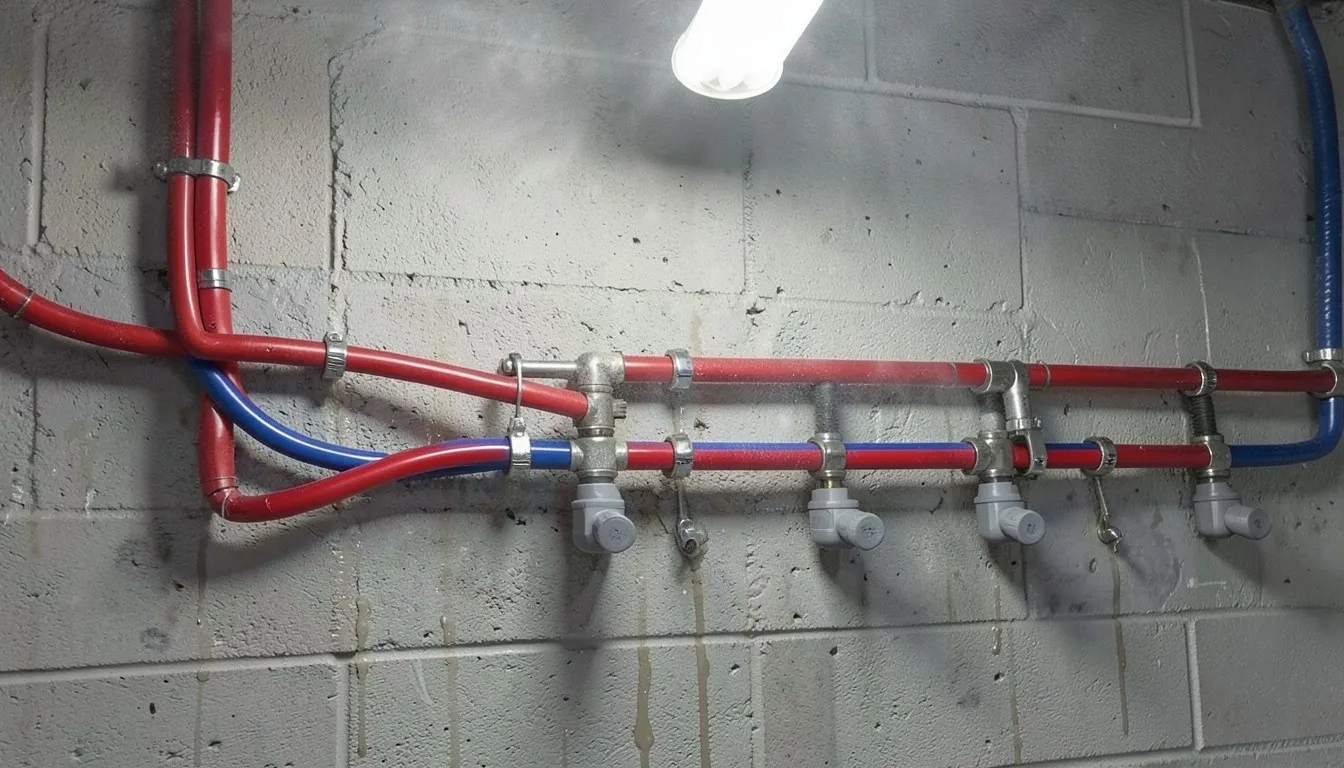
The fix gets cheaper the sooner a plumber sees it.
Degradation problems compound quietly. Call now, or use the form below to reach an independent Indiana plumber, and ask for an estimate for the pipe camera inspection — you are under no obligation.
Need a pipe camera inspection callback in Carmel?
In a meeting, with the kids, or just prefer not to call? Drop your ZIP and number below. AlertPlumber sends your request to our routing partner — if a participating plumber serves your area, they may call you back directly. For anything urgent, call the number on this page.
- 1 Submit your info. ZIP, phone, and what kind of work you need.
- 2 AlertPlumber passes it on to our routing partner for your area.
- 3 If a participating plumber serves your area, they may call you back. Ask for a written estimate before work starts.
Pipe Camera Inspection in Carmel — catch it early
Degradation-driven failures worsen over time and cost more to fix the longer they run. Ask the independent IN plumber you reach in Carmel to diagnose your specific condition and put the scope in writing before any work begins.