
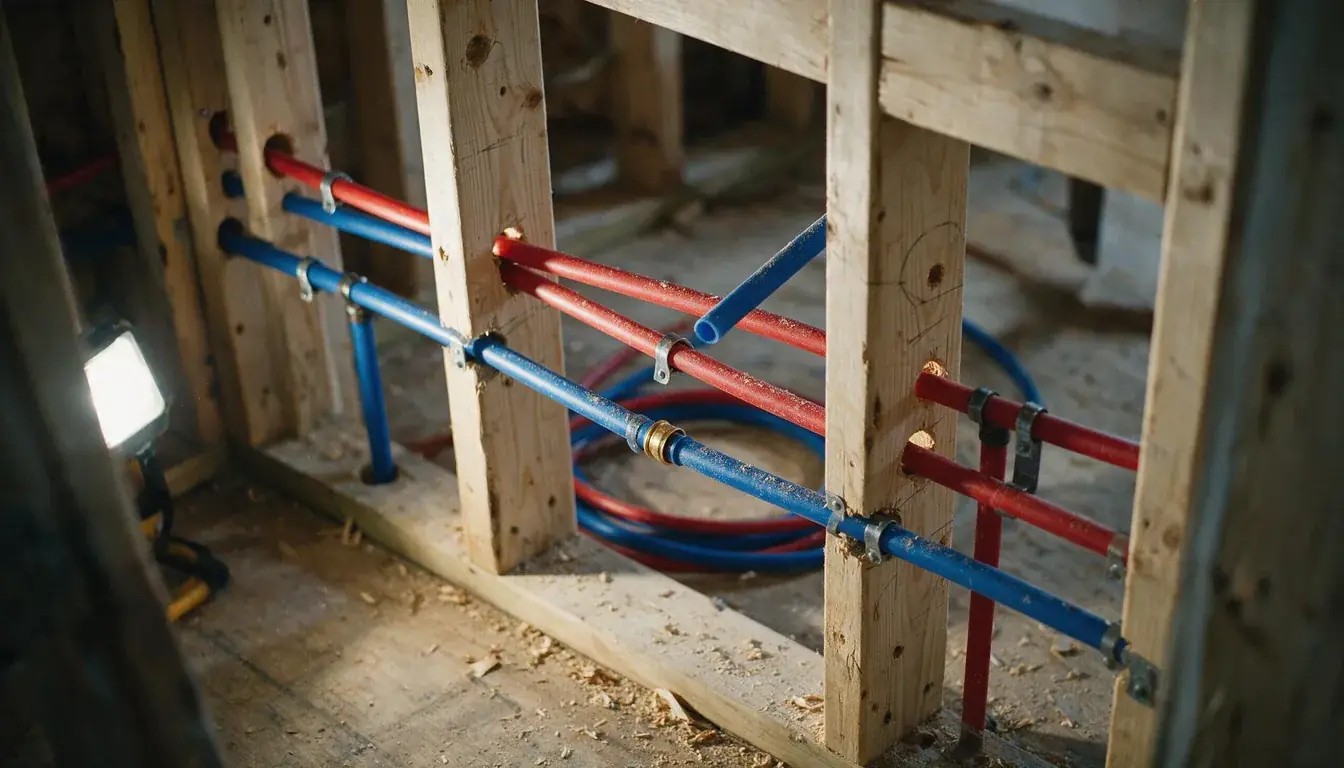
Whole-Home Repipe in Cary, North Carolina
Whole-Home Repipe in Cary, North Carolina replaces old galvanized or polybutylene plumbing with PEX or copper. Local conditions in Cary: water measured at 5 gpg, a 6 in frost line and a median home age of 25 years.
Permitted, inspected, documented — ask for the permit and the license number before Cary work starts.
What does the local plumbing data show for Cary, NC?
Seeing these conditions at your place in Cary? Describe them on the call to a state-licensed local plumber — free, no obligation.
What are the pipe conditions in Cary, NC?
Whole-house repipe in Cary typically takes 2–4 days: the plumber runs new lines through wall cavities, connects at fixtures, and performs a pressure test before drywall is patched. The primary decision is material — copper is the long-term standard for durability and water chemistry compatibility; PEX is faster to install, flexible in tight cavities, and resistant to freeze-thaw stress. Cary's housing stock age and local water chemistry should drive the material choice, not cost alone. AlertPlumber routes your call to an independent North Carolina-licensed plumber — ask for a full pipe assessment before any materials are ordered.
Cary's housing stock spans multiple construction eras — median home age 25 years — meaning pipe materials and failure modes vary significantly by neighborhood and building vintage. An inspection-led approach that confirms pipe material before recommending a service path is standard practice for mixed housing profiles. Homes of other eras in Cary may have galvanized pipe, copper pipe or polybutylene supply lines instead; ask the plumber which your home has.
- Median home age
- 25 yrs
- Water hardness
- 5 gpg
- Frost line
- 6 in
- Permit
- City fee schedule
Census housing age, Cary town, North Carolina: median year built 1999; 1.4% of homes built before 1960, 12% before 1980. Source: U.S. Census Bureau, ACS 2020–2024 5-year estimates, tables B25034 and B25035, read 2026-09-30.
Mention these conditions when you describe the symptom to the NC plumber you reach.
What local infrastructure shapes Whole-Home Repipe in Cary?
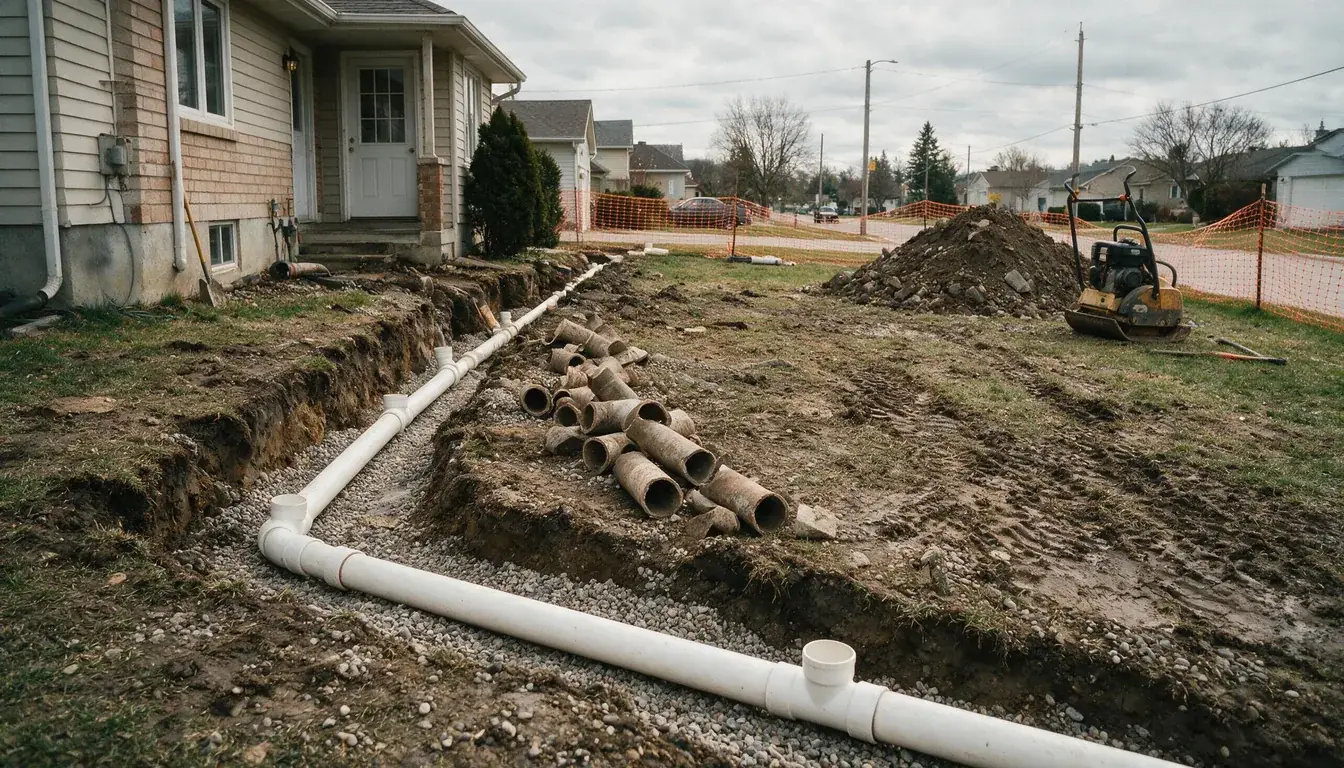
Cary's population of roughly 175,000 sits on a housing stock built mostly after the early 2000s, putting the median home age for supply-line planning at 25 years. Interior distribution in that construction window rarely settled on one material citywide, so branch runs mix copper sections with early PEX segments rather than following a single vintage standard.
The municipal supply measured at 5 grains per gallon falls in the moderate hardness band, low enough that copper sections form only a thin scale layer and high enough that mineral deposits still narrow fitting throats over two and a half decades of continuous flow. That combination wears differently than either a soft-water or hard-water system would on its own, concentrating restriction at joints rather than along open pipe runs.
A whole-home supply replacement scoped for this housing era has to account for both material types present in the original build rather than swapping one uniform run. Where copper meets PEX at a transition fitting, corrosion and mineral narrowing compound at the same point, making those junctions the practical starting map for a full interior replacement plan.
What shapes plumbing demand in Cary, NC?
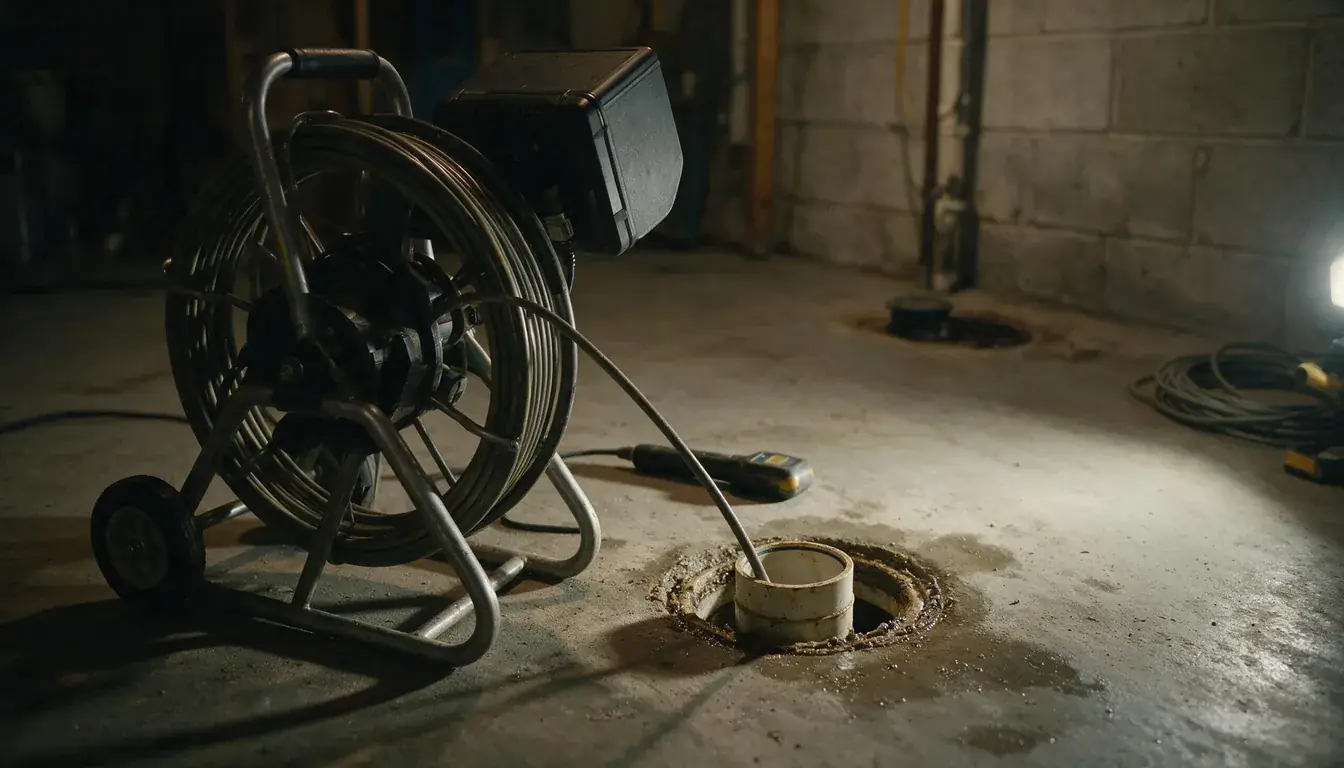
Post-2000 construction uses PEX-A and code-modern copper at low initial failure rates. Slab-mounted supply lines shift with soil moisture over time; chloramine-related PEX fitting issues can appear at 15–25 years. Proactive inspection on Cary homes past that threshold typically catches developing issues before they become emergency calls.
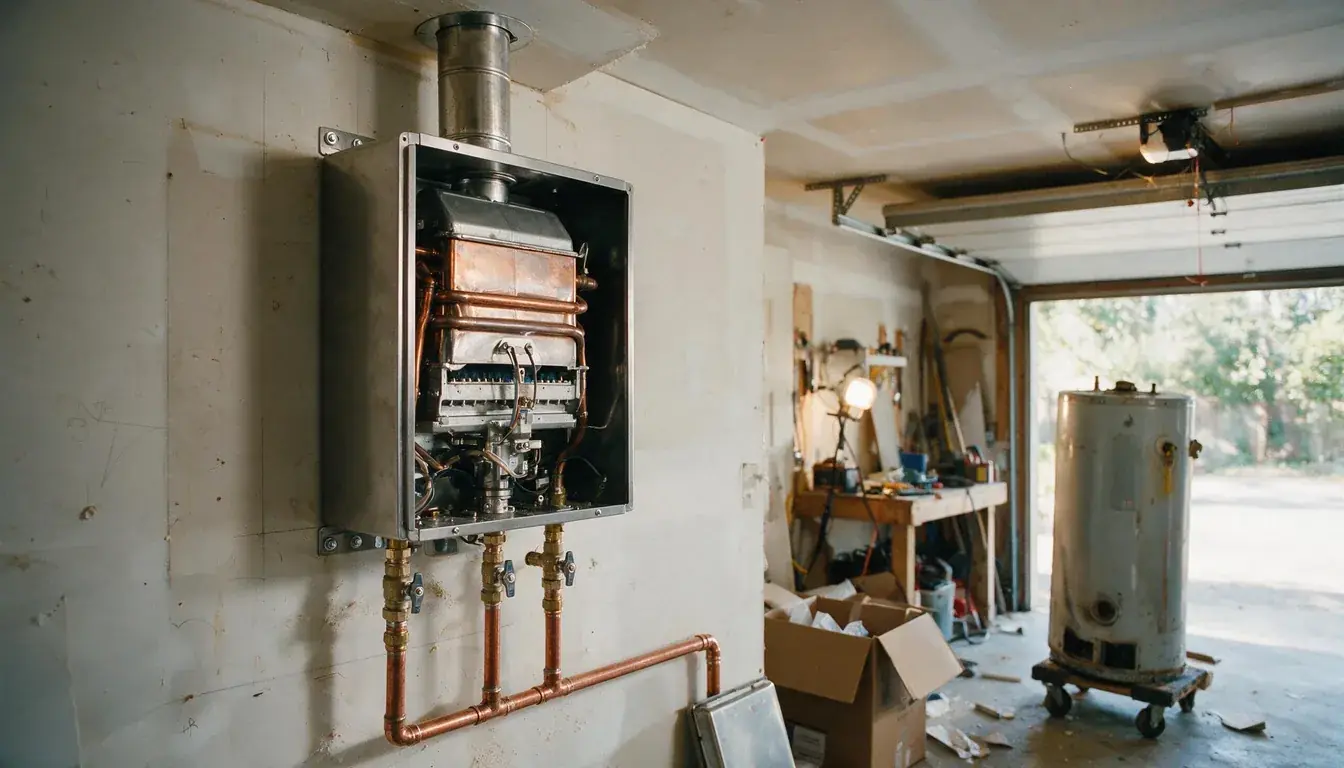
4–7 GPG produces gradual scale that stays manageable with standard maintenance intervals in Cary — annual flushing, cartridge cleaning every 1–2 years. Equipment runs near design lifespan. The primary water quality driver here is preventive maintenance rather than emergency replacement, which distributes service demand more evenly across the calendar.
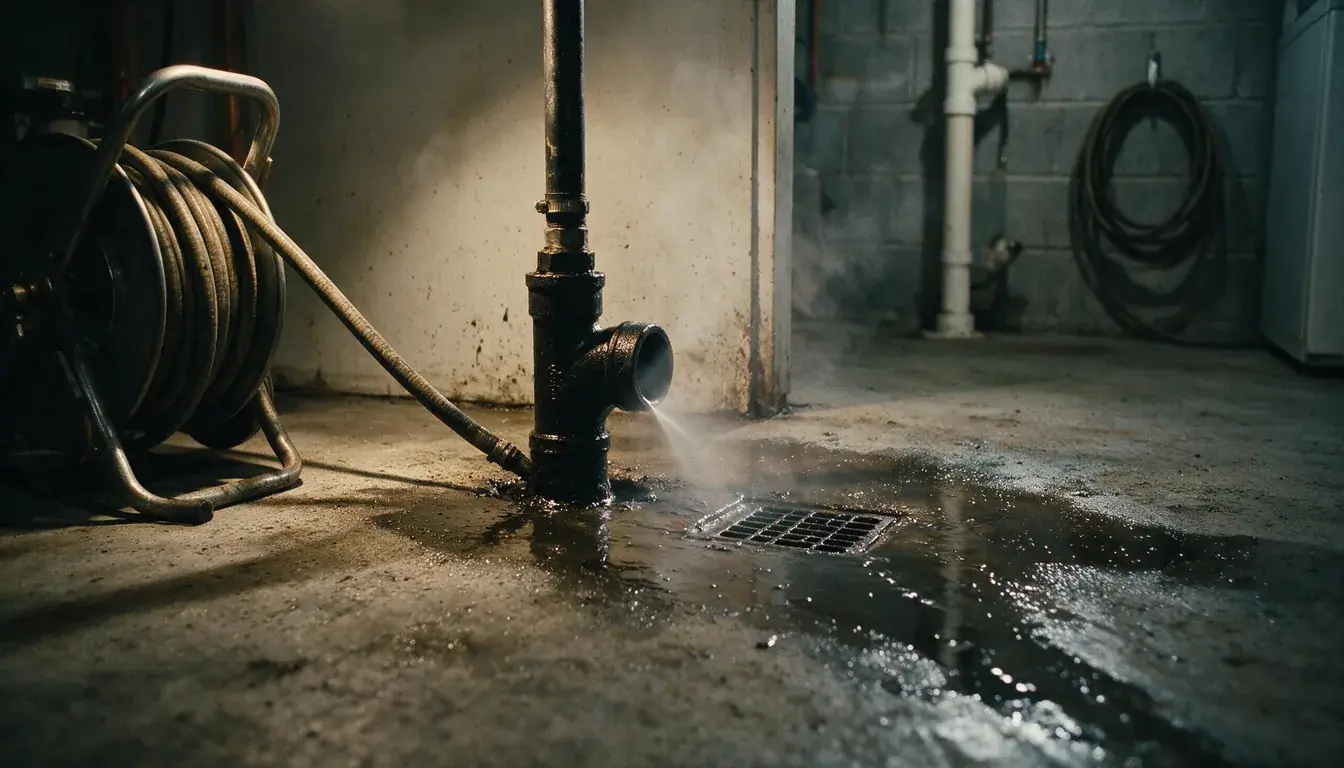
Without a hard freeze season, demand in Cary distributes evenly through the year. Maintenance-driven categories dominate: end-of-life water heater replacement, root intrusion clearing, and fixture repair. Deferred maintenance surfaces gradually as partial failures rather than acute winter emergencies — which means issues compound silently until they become a larger job.
How does permit-required work run in Cary, application through certificate?
The North Carolina contractor prepares the permit application — drawings, specifications, contractor license number (ask for it) — and submits it to the Cary building department. Issuance typically takes 3–10 business days. No construction begins until the permit is in hand.
Once Cary issues the permit, the contractor notifies affected utilities — gas, water, electrical — as required by the permit scope. Work follows the approved drawings; any scope change requires an amended permit before that portion starts.
The contractor schedules the final inspection with the Cary building department inspector. After sign-off, a certificate of completion is issued. All permit documentation is filed with the city; you receive copies for home records and future property disclosure.
Whole-Home Repipe cost calculator — Cary
Pre-filled for whole-home repipe in Cary. Adjust the ZIP for a neighboring area, or change the service to compare. Calculator pulls from the city's scraped permit-fee + state plumber-density data.
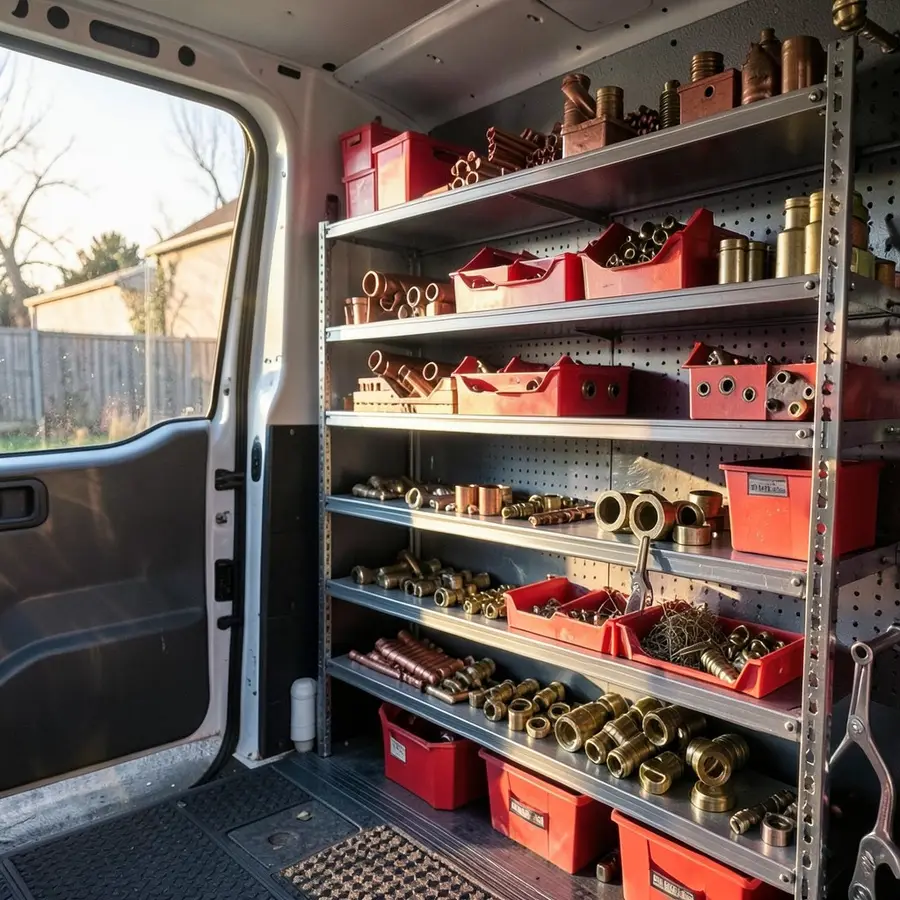
Whole-Home Repipe in Cary — permitted work protects your home’s value.
Unpermitted plumbing affects insurance claims and resale disclosures in North Carolina. Ask the North Carolina plumber you reach which permits your address needs.
What else do people ask about whole-home repipe in Cary?
How much does a whole-home repipe cost in Cary, NC?
Whole-home repipe in Cary runs in line with the national average depending on size and fixture count. The NC NCLB permit floor is set by the local fee schedule. PEX runs 30–40% cheaper than copper for the same scope. Price ranges: whole-home repipe cost guide.
What triggers a repipe in Cary — galvanized, polybutylene, or lead?
Cary's stock is a mix of galvanized in older neighborhoods and PB in 1978–1995 subdivisions.
PEX or copper for a Cary repipe?
Both perform well in Cary's 5 gpg water. PEX installs 30–40% cheaper; copper is rigid and recyclable. PEX dominates new repipes 4:1 on cost.
Do I need a permit for a Cary repipe?
Yes — an NC NCLB permit, rough-in inspection (before drywall), and final inspection. The permit floor is set by the local fee schedule plus per-fixture surcharges typically bringing a full repipe to a higher total in permit fees. The matched plumber pulls and schedules both inspections. Permit fee ranges: permit fee estimator.
How long does a Cary repipe take?
2–5 days for pipe work, 1–2 days for patching and final inspection — most Cary repipes wrap in one week. PEX is faster (manifold + home-run, fewer joints). Water is restored each evening so you can stay in the home.
Is there a lead pipe risk in Cary?
Cary's water utility maintains a small LSL inventory under NC NCLB oversight. Confirm your service-line material with the utility portal before the repipe.
What changes about Cary water quality after a repipe?
Most Cary repipes off PB fix sudden-failure risk (PB fails catastrophically at fittings) and eliminate plastic taste over time.
Will North Carolina homeowners insurance cover a repipe?
Standard North Carolina policies don't cover proactive repipes. They may cover damage from a sudden pipe failure subject to your deductible, but not the replacement pipe itself. Service-line endorsements help — confirm with your carrier.
How do I know if my Cary home has polybutylene?
Polybutylene is gray (sometimes silver or black) flexible plastic, 1/2"–3/4" diameter, stamped "PB2110." Check the supply lines at your water heater, behind toilets, and at the meter. Homes built or repiped 1978–1995 have the highest probability.
How do I check the license of repipe contractors in NC?
AlertPlumber does not vet plumbers: in Cary, ask for the NC NCLB license number and check it with the state board, and ask whether they hold manufacturer certifications for PEX and PEX-A systems.
Asking for a written quote costs you nothing. Guessing costs you the job.
The form below takes under a minute — it goes to an independent North Carolina plumber in our partner's network; ask them to scope the whole-home repipe and put the quote in writing.
Need a whole-home repipe callback in Cary?
In a meeting, with the kids, or just prefer not to call? Drop your ZIP and number below. AlertPlumber sends your request to our routing partner — if a participating plumber serves your area, they may call you back directly. For anything urgent, call the number on this page.
- 1 Submit your info. ZIP, phone, and what kind of work you need.
- 2 AlertPlumber passes it on to our routing partner for your area.
- 3 If a participating plumber serves your area, they may call you back. Ask for a written estimate before work starts.
Whole-Home Repipe in Cary — compliant installation
Permitted whole-home repipe protects your home's resale value and keeps insurance claims defensible in North Carolina. Ask your licensed plumber for their license number, who pulls the required permits, and a written scope before work starts.