
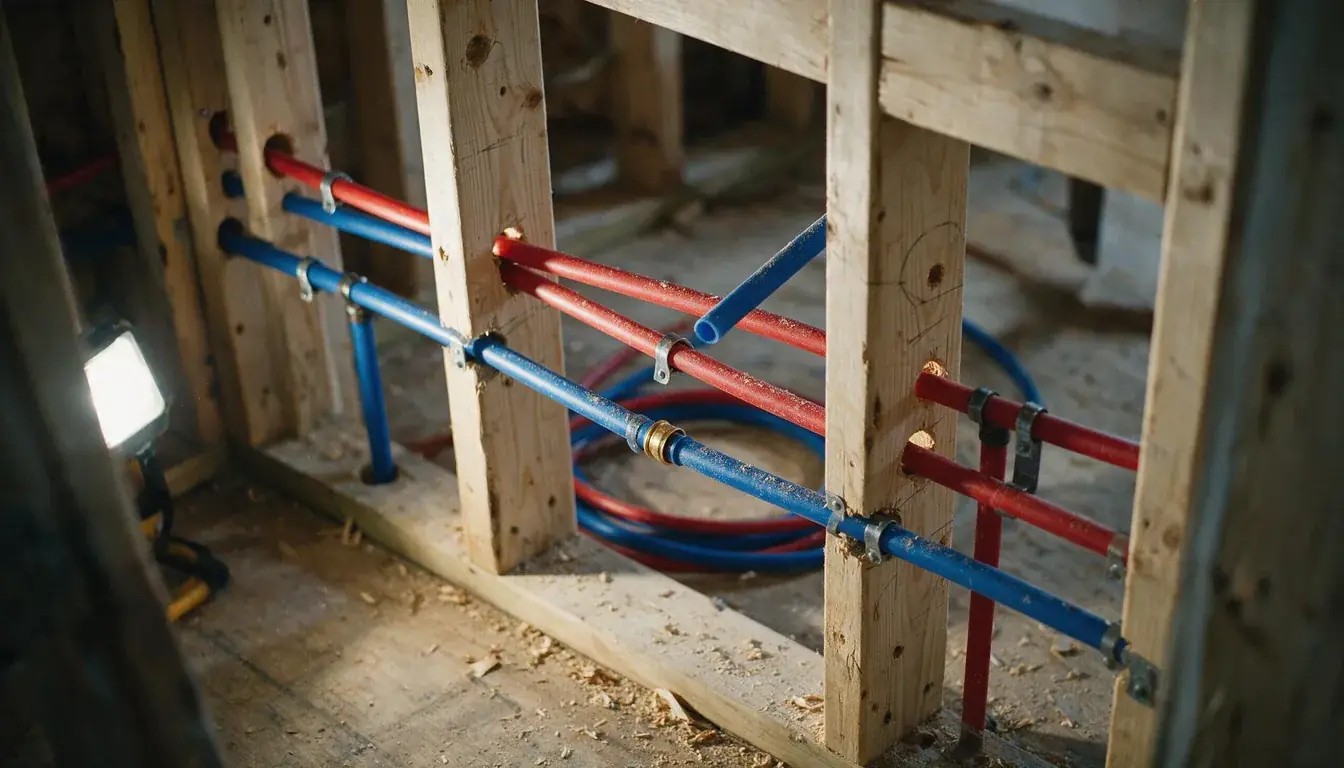
Whole-Home Repipe in Philadelphia, Pennsylvania
Whole-Home Repipe in Philadelphia, Pennsylvania replaces old galvanized or polybutylene plumbing with PEX or copper. Local conditions in Philadelphia: water measured at 5, a 30 frost line and a median home age of 78 years.
Permitted, inspected, documented — ask for the permit and the license number before Philadelphia work starts.
What does the local plumbing data show for Philadelphia, PA?
Seeing these conditions at your place in Philadelphia? Describe them on the call to a state-licensed local plumber — free, no obligation.
What are the pipe conditions in Philadelphia, PA?
Whole-house repipe in Philadelphia typically takes 2–4 days: the plumber runs new lines through wall cavities, connects at fixtures, and performs a pressure test before drywall is patched. The primary decision is material — copper is the long-term standard for durability and water chemistry compatibility; PEX is faster to install, flexible in tight cavities, and resistant to freeze-thaw stress. Philadelphia's housing stock age and local water chemistry should drive the material choice, not cost alone. AlertPlumber routes your call to an independent Pennsylvania-licensed plumber — ask for a full pipe assessment before any materials are ordered. Freeze events and frost-depth requirements add pipe insulation, exterior faucet winterization, and burst-risk assessment to service calls in this climate.
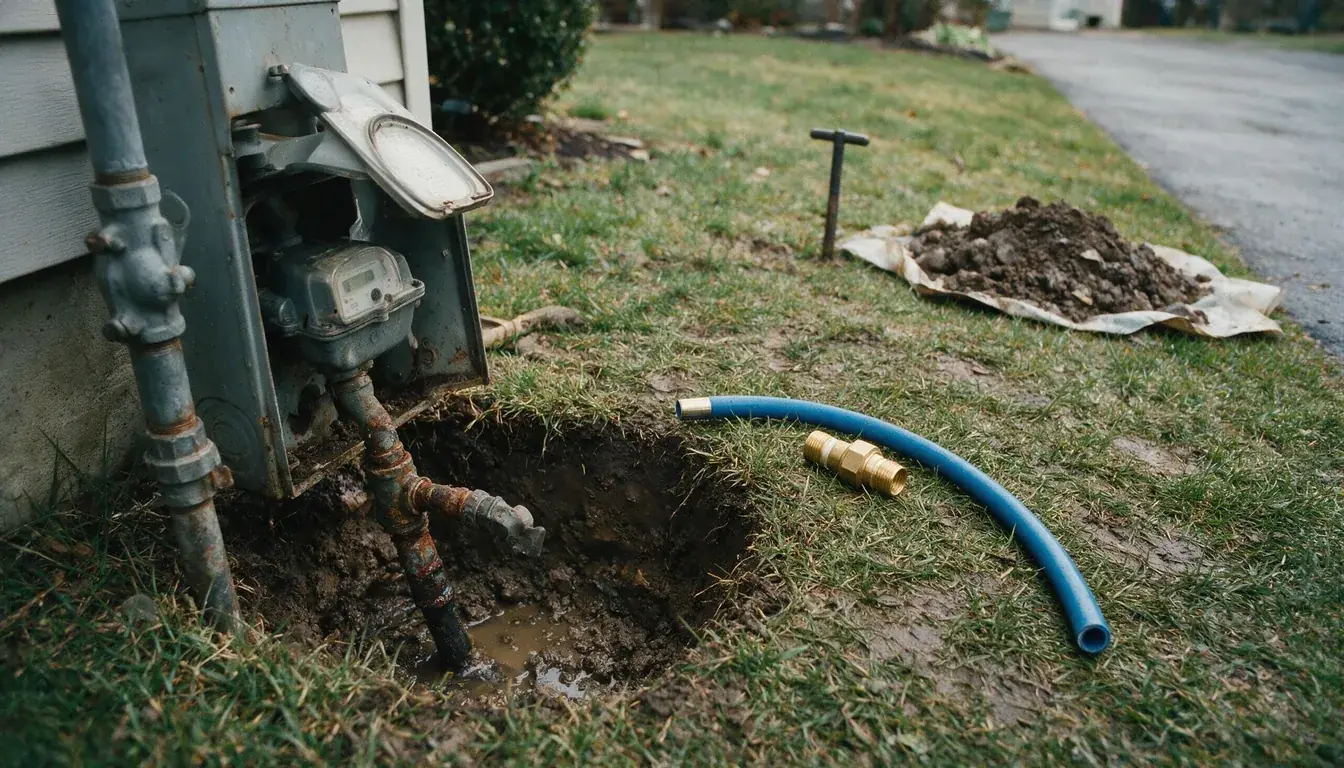
Philadelphia's water utility maintains an active lead service line (LSL) replacement program. With a median home age of 78 years, a portion of the housing stock may still have lead service laterals connecting the water main to interior supply — a consideration during any work near the service entry point. Ask a licensed plumber to confirm whether supply-side work requires utility coordination. Homes of other eras in Philadelphia may have galvanized pipe, copper pipe or polybutylene supply lines instead; ask the plumber which your home has.
Frost line depth in Philadelphia means supply lines and outdoor plumbing must be installed below the freeze threshold — typically 30 — to prevent pipe burst during cold events. Exterior hose bibs, irrigation shutoffs, and any exposed pipe runs are the most common winterization service points in freeze-risk markets.
- Median home age
- 78 yrs
- Water hardness
- 5 gpg
- Frost line
- 30 in.
- Lead lines
- Active replacement
- Permit
- City fee schedule
Census housing age, Philadelphia city, Pennsylvania: median year built 1949; 64.9% of homes built before 1960, 83.3% before 1980. Source: U.S. Census Bureau, ACS 2020–2024 5-year estimates, tables B25034 and B25035, read 2026-09-30.
Mention these conditions when you describe the symptom to the PA plumber you reach.
What local infrastructure shapes Whole-Home Repipe in Philadelphia?
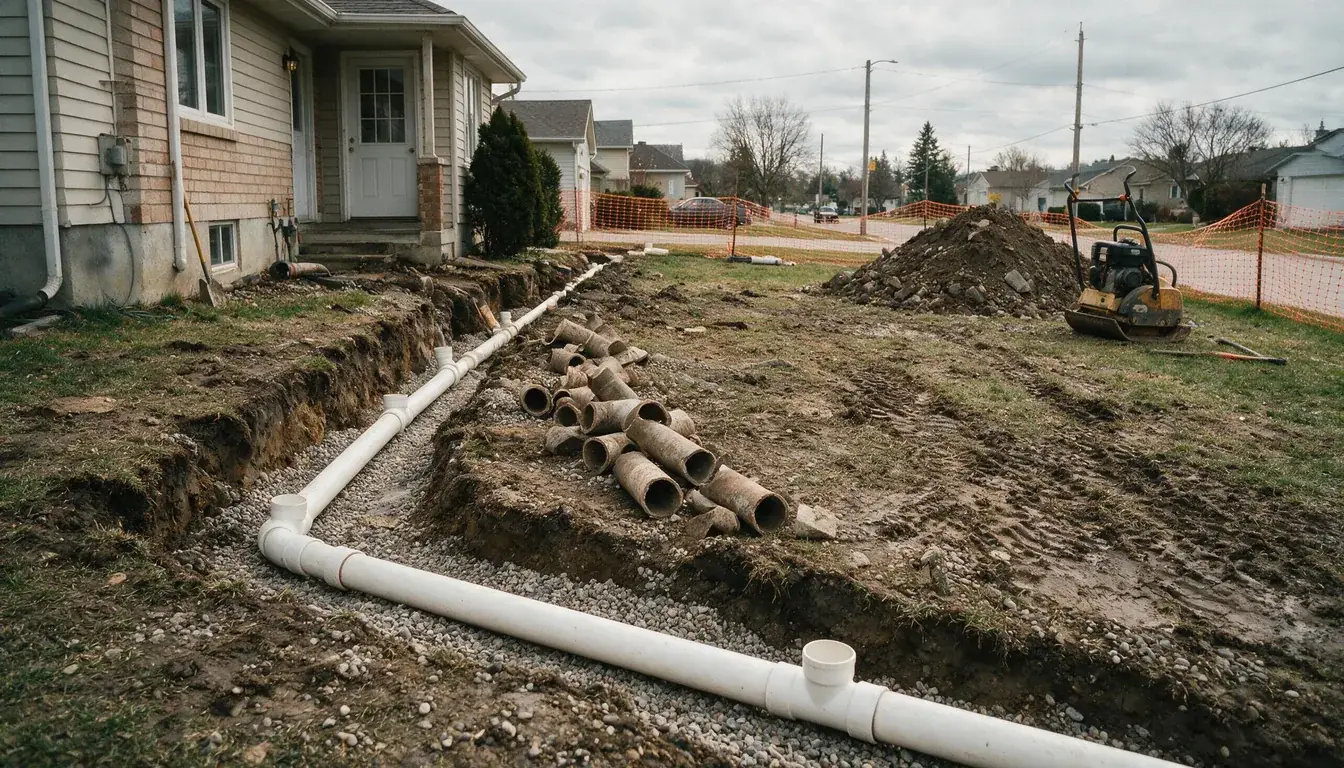
Repipe scope in Philadelphia involves a boundary question shaped by the 20,000+ lead service lines cataloged in the municipal inventory: interior distribution pipe from the meter connection through the building is the repipe project scope, while street-side connections from the municipal main to the meter run under a separate replacement program. The permit file and homeowner understanding of the project should both document where the interior scope ends and the street-side program begins.
The 30-inch frost line is a routing constraint for supply runs along exterior walls and through unconditioned spaces. Those sections must clear the freeze depth — supply lines positioned above it experience annual thermal differential that accelerates joint fatigue in metal pipe over successive winters. At 78 years, pre-war housing stock here has faced those conditions repeatedly since original installation.
Water hardness at 5 grains per gallon is in moderate territory — not the primary corrosion driver at this level compared to pipe age and galvanic interaction at dissimilar-material joints. Permit fees run the scheduled fee for the residential work permit and pressure test across all new connections. With 18,420 licensed plumbing contractors in the state, scheduling depends primarily on scope assessment time rather than contractor availability. Permit fee ranges: permit fee estimator.
What shapes plumbing demand in Philadelphia, PA?
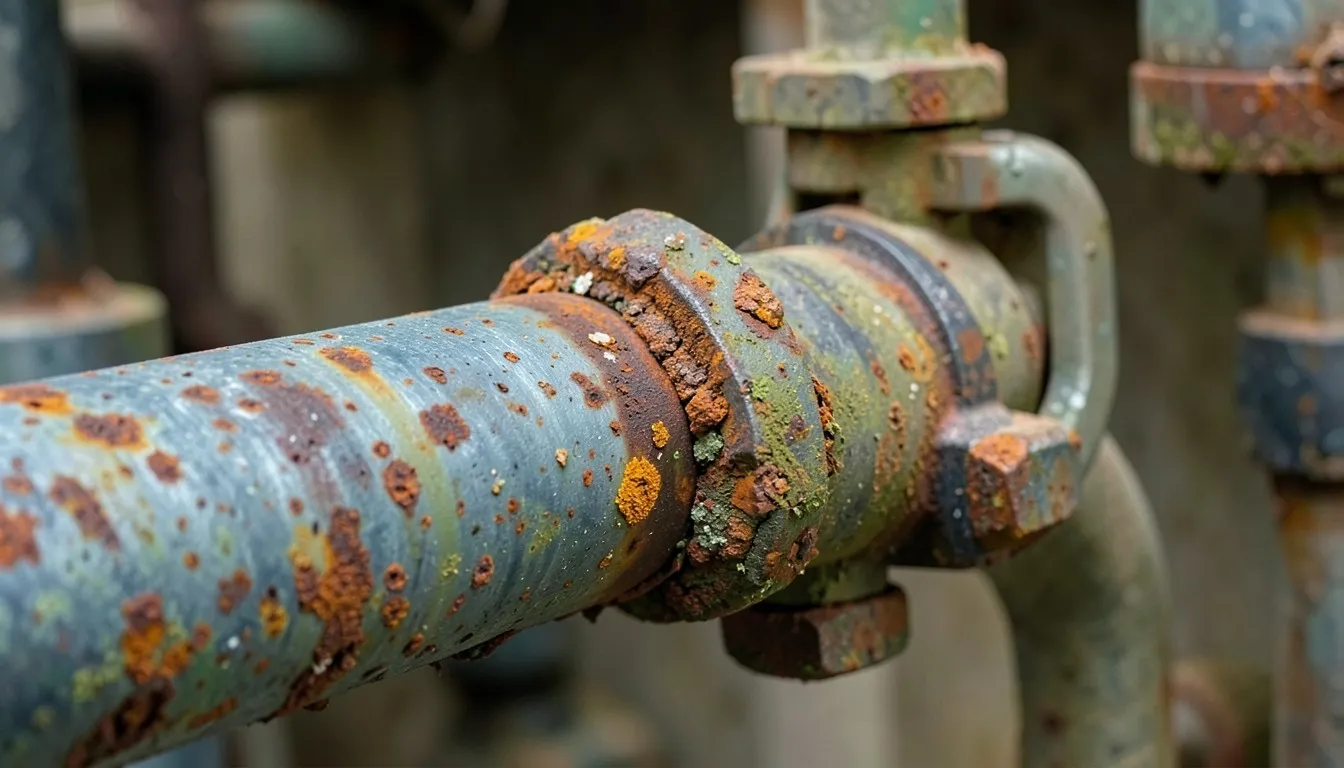
Galvanized supply lines and cast iron drain systems from the 1880s–1940s are past their 40–70-year design life across much of Philadelphia. Interior rust scale progressively narrows pipe bore. Plumbers here routinely scope supply lines before quoting any repair — the underlying pipe condition often makes full replacement more cost-effective than patching.
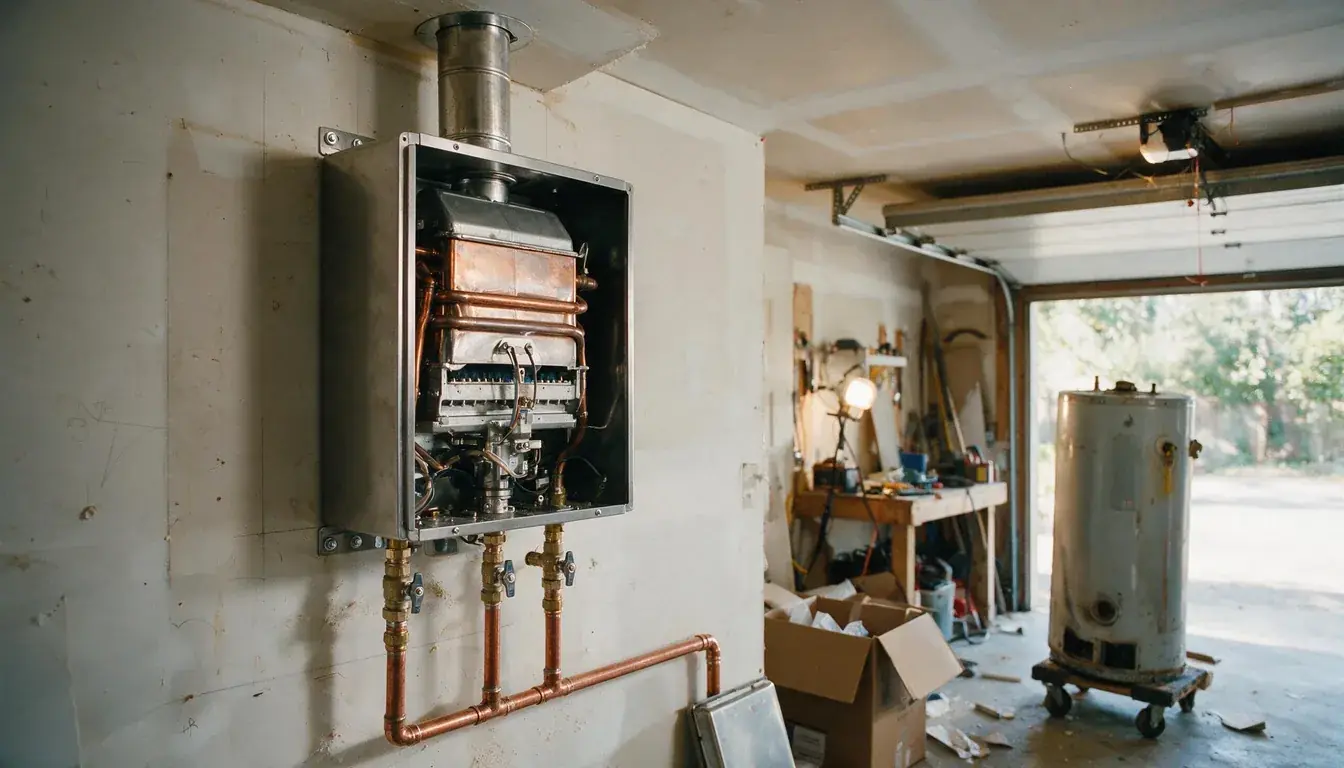
4–7 GPG produces gradual scale that stays manageable with standard maintenance intervals in Philadelphia — annual flushing, cartridge cleaning every 1–2 years. Equipment runs near design lifespan. The primary water quality driver here is preventive maintenance rather than emergency replacement, which distributes service demand more evenly across the calendar.
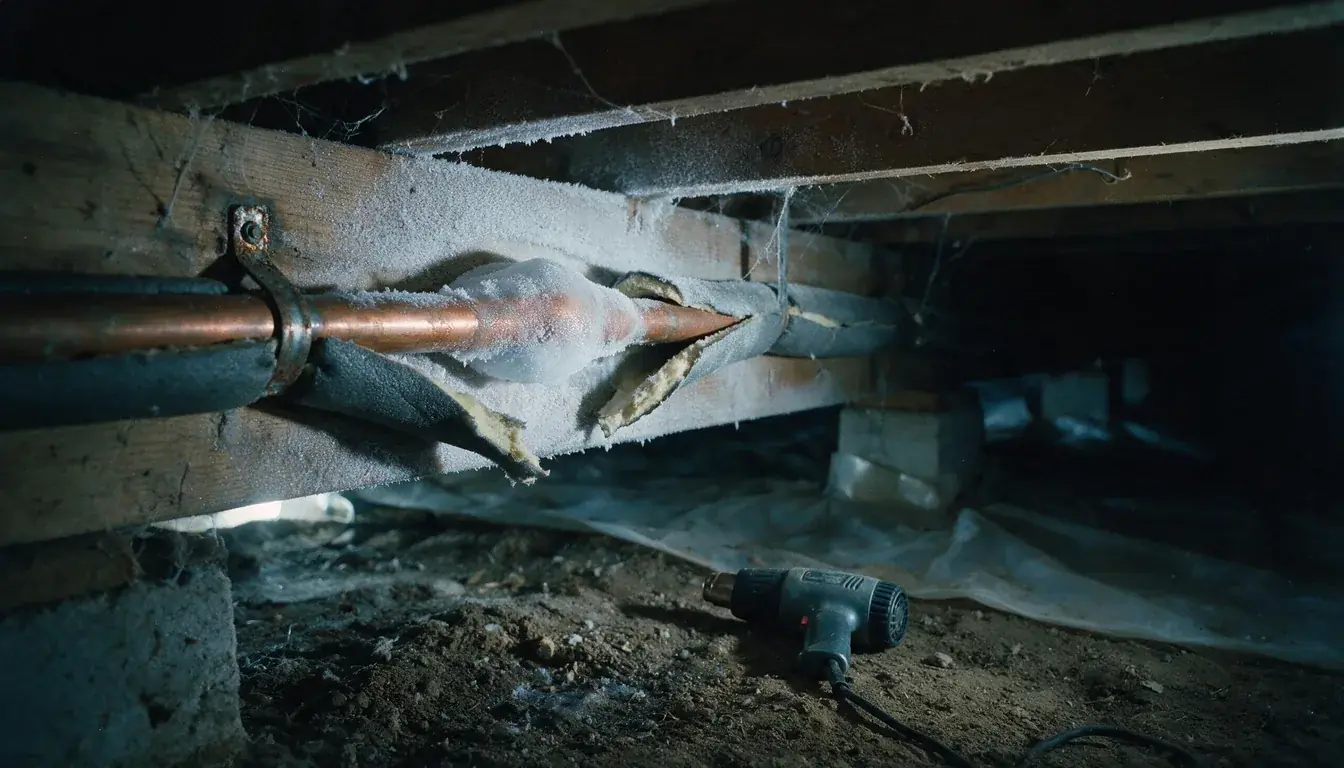
The primary surge in Philadelphia runs January–March, with a secondary wave at the spring thaw — when pipes that held through the freeze rupture as pressure is restored above 32°F. Scheduling competition peaks exactly when emergency calls are highest. Homeowners who wait for visible damage compete for the same limited plumber slots at the worst possible time.
How does permit-required work run in Philadelphia, application through certificate?
The Pennsylvania contractor prepares the permit application — drawings, specifications, contractor license number (ask for it) — and submits it to the Philadelphia building department. Issuance typically takes 3–10 business days. No construction begins until the permit is in hand.
Once Philadelphia issues the permit, the contractor notifies affected utilities — gas, water, electrical — as required by the permit scope. Work follows the approved drawings; any scope change requires an amended permit before that portion starts.
The contractor schedules the final inspection with the Philadelphia building department inspector. After sign-off, a certificate of completion is issued. All permit documentation is filed with the city; you receive copies for home records and future property disclosure.
Whole-Home Repipe cost calculator — Philadelphia
Pre-filled for whole-home repipe in Philadelphia. Adjust the ZIP for a neighboring area, or change the service to compare. Calculator pulls from the city's scraped permit-fee + state plumber-density data.
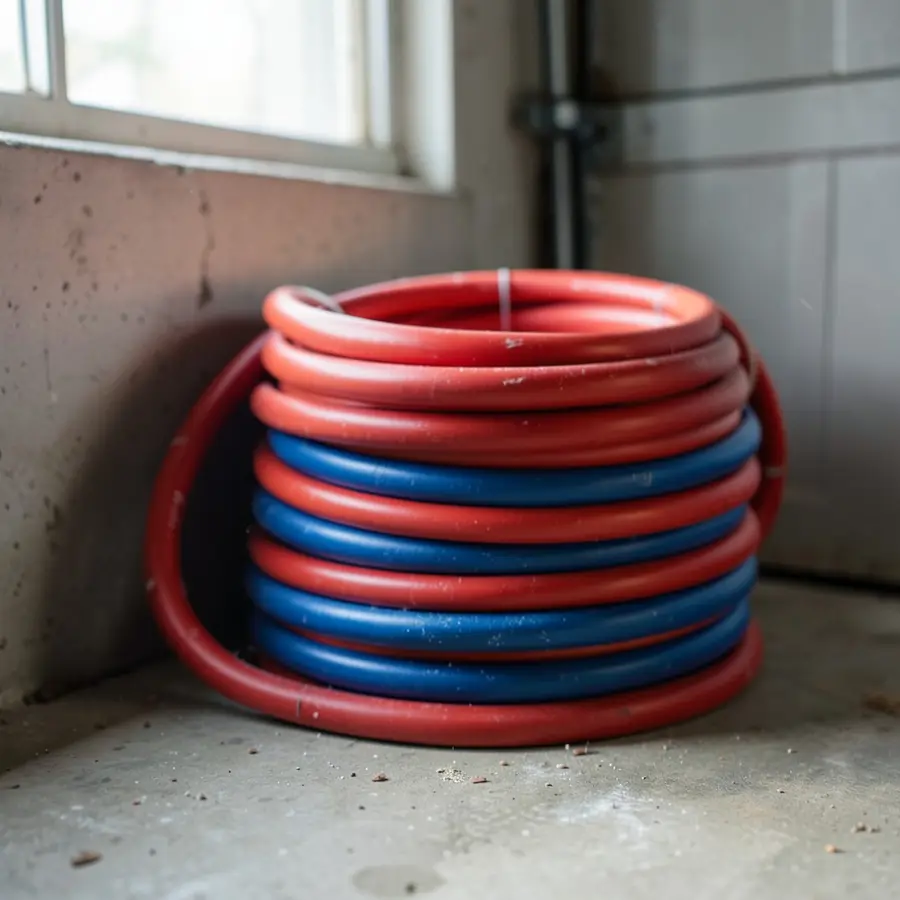
Whole-Home Repipe in Philadelphia — permitted work protects your home’s value.
Unpermitted plumbing affects insurance claims and resale disclosures in Pennsylvania. Ask the Pennsylvania plumber you reach which permits your address needs.
What else do people ask about whole-home repipe in Philadelphia?
How much does a whole-home repipe cost in Philadelphia, PA?
Whole-home repipe in Philadelphia runs a scope-based price depending on square footage, fixture count, and whether the home is single-story or multi-story (roughly 10% above the national average). The PA L&I permit floor is set by the local fee schedule. PEX runs roughly 30–40% cheaper than copper for the same scope. Price ranges: whole-home repipe cost guide.
What triggers a repipe in Philadelphia — galvanized, polybutylene, or lead?
Philadelphia's 84-year median home age means galvanized steel supply lines are the dominant repipe trigger — they rust from inside, narrow the bore, and produce brown water. Pre-1986 homes also often have lead solder at copper joints.
Should I repipe with PEX or copper in Philadelphia?
Both PEX and copper perform well in Philadelphia's 5 gpg water. PEX is faster to install and freeze-tolerant; copper is rigid and recyclable. PEX dominates new Philadelphia repipes 4:1 on cost alone.
Do I need a permit for a repipe in Philadelphia?
Yes — any whole-home repipe requires a PA L&I permit, a rough-in inspection (before drywall closes), and a final inspection (after fixtures are reconnected). The Philadelphia permit floor is set by the local fee schedule but a whole-home repipe typically lands at the scheduled fee in permit fees because the per-fixture surcharge adds up. Ask whether the plumber will pull the permit on your behalf. Permit fee ranges: permit fee estimator.
How long does a whole-home repipe take in Philadelphia?
2–5 days for the actual pipe work, plus 1–2 days for drywall patching and final inspection — typical Philadelphia repipe wraps in a week. PEX is faster (manifold + home-run topology, fewer joints) than copper (each joint sweat-soldered). You usually have water shut off only during the day; most crews restore water by evening so you can stay in the home.
Is there a lead service line risk in Philadelphia?
Philadelphia's water utility typically reports a small LSL inventory under PA L&I oversight. Check the utility's inventory portal to confirm your service line material before scheduling the repipe.
What changes about my Philadelphia water quality after a repipe?
Most Philadelphia homes coming off galvanized see immediate water-pressure improvement (often 15–30%), elimination of rust-colored "morning water," and cleaner-tasting cold water at every fixture. Hot-water recovery also improves because new supply lines have full ID rather than scale-narrowed bore.
Will Pennsylvania homeowners insurance cover a repipe?
Standard Pennsylvania policies do NOT cover proactive repipes. They may cover damage from a sudden failure (a burst polybutylene fitting, for example) subject to your deductible — but they typically do not cover the replacement pipe itself, only the damage cleanup. Some carriers offer a service-line endorsement; confirm with your carrier before assuming coverage.
How do I know if my Philadelphia home has polybutylene?
Polybutylene is gray (sometimes silver or black) flexible plastic, 1/2" or 3/4" diameter, with copper or acetal crimp fittings. Look at the supply lines coming into your water heater, behind toilets, and at the meter. Pipes stamped "PB2110" are polybutylene. Homes built or repiped 1978–1995 have the highest probability — this matches Philadelphia's post-1978 subdivision builds.
How do I check the license of repipe contractors in PA?
AlertPlumber does not vet plumbers: in Philadelphia, ask for the PA L&I license number and check it with the state board. Repipe-specialty crews in the network also carry manufacturer certifications (Uponor, SharkBite, NIBCO) required for full warranty coverage on PEX and PEX-A systems.
Asking for a written quote costs you nothing. Guessing costs you the job.
The form below takes under a minute — it goes to an independent Pennsylvania plumber in our partner's network; ask them to scope the whole-home repipe and put the quote in writing.
Need a whole-home repipe callback in Philadelphia?
In a meeting, with the kids, or just prefer not to call? Drop your ZIP and number below. AlertPlumber sends your request to our routing partner — if a participating plumber serves your area, they may call you back directly. For anything urgent, call the number on this page.
- 1 Submit your info. ZIP, phone, and what kind of work you need.
- 2 AlertPlumber passes it on to our routing partner for your area.
- 3 If a participating plumber serves your area, they may call you back. Ask for a written estimate before work starts.
Whole-Home Repipe in Philadelphia — compliant installation
Permitted whole-home repipe protects your home's resale value and keeps insurance claims defensible in Pennsylvania. Ask your licensed plumber for their license number, who pulls the required permits, and a written scope before work starts.