
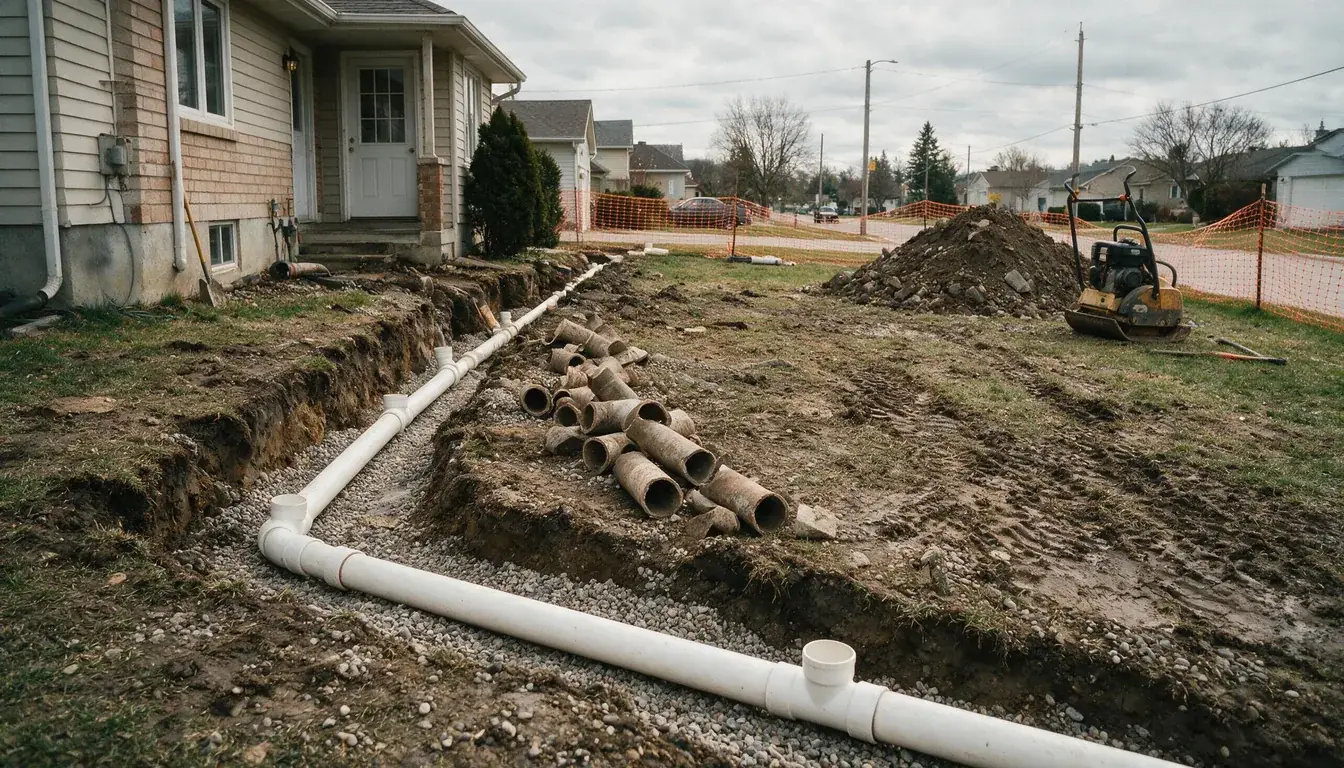
Sewer Line Replacement in Boulder, Colorado
Sewer Line Replacement in Boulder, Colorado is full sewer line replacement (trenched or trenchless pipe bursting). Local conditions in Boulder: water measured at 8 gpg, a 30 in frost line and a median home age of 45 years.
Permitted, inspected, documented — ask for the permit and the license number before Boulder work starts.
Is sewer line replacement in Boulder, CO the right job?
- Sewer Line Repair in Boulder
- Backups or sewage in the yard may point to a damaged sewer line that needs a section repaired.
- Pipe Camera Inspection in Boulder
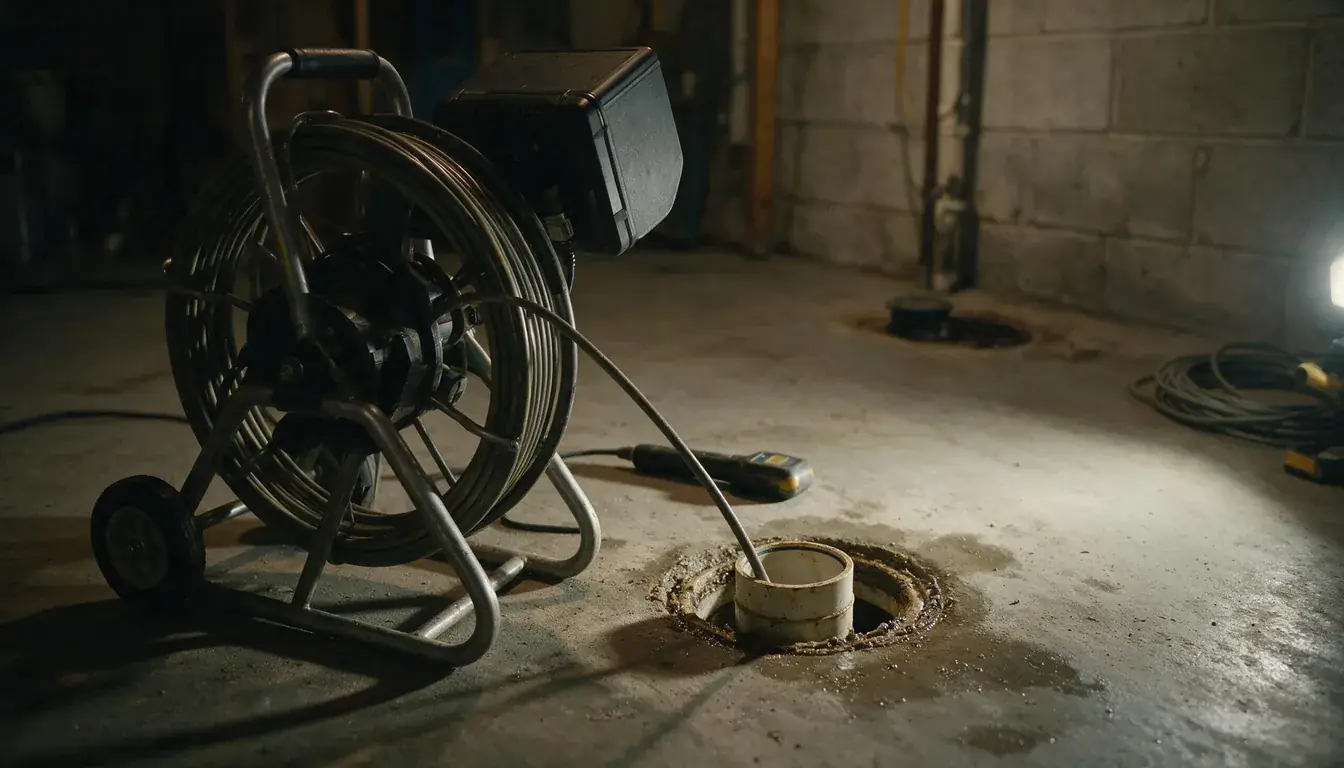
- Drains keep backing up and the cause is unclear, so a camera inspection can help show a blockage or damage inside the pipe.
- Hydro Jetting in Boulder
- Grease, sludge, or heavy buildup keeps blocking an otherwise sound drain or sewer pipe, and high-pressure water jetting may clear it.
- Drain Cleaning in Boulder
- A sink, tub, or drain is slow or blocked, and the blockage needs clearing.
What does the local plumbing data show for Boulder, CO?
Seeing these conditions at your place in Boulder? Describe them on the call to a state-licensed local plumber — free, no obligation.
What are the pipe conditions in Boulder, CO?
Full sewer line replacement in Boulder involves a trench or trenchless decision that depends on pipe depth, surface conditions, and access constraints. Traditional open-cut excavation costs less per foot but requires restoration of landscaping, concrete, or asphalt. CIPP (cured-in-place pipe lining) and pipe bursting are trenchless alternatives for pipes 4 inches and larger where the host pipe has sufficient structural integrity to guide the liner. AlertPlumber connects your call with an independent Colorado-licensed plumber — ask them to assess both methods and put the comparison in writing before work begins. Freeze events and frost-depth requirements add pipe insulation, exterior faucet winterization, and burst-risk assessment to service calls in this climate.
Boulder's housing stock spans multiple construction eras — median home age 45 years — meaning pipe materials and failure modes vary significantly by neighborhood and building vintage. An inspection-led approach that confirms pipe material before recommending a service path is standard practice for mixed housing profiles. Homes of other eras in Boulder may have galvanized pipe, copper pipe or polybutylene supply lines instead; ask the plumber which your home has.
Hard water in Boulder accelerates scale buildup inside water heater tanks, on heating elements, and at fixture connections. Sediment accumulation in tank heaters reduces efficiency and shortens element life; visible deposits at aerators and showerheads are an early indicator. Ask a licensed plumber to assess whether a water softener or conditioner is appropriate for the home's service configuration.
Frost line depth in Boulder means supply lines and outdoor plumbing must be installed below the freeze threshold — typically 30 in — to prevent pipe burst during cold events. Exterior hose bibs, irrigation shutoffs, and any exposed pipe runs are the most common winterization service points in freeze-risk markets.
- Median home age
- 45 yrs
- Water hardness
- 8 gpg
- Frost line
- 30 in
- Permit
- City fee schedule
Census housing age, Boulder city, Colorado: median year built 1977; 18.3% of homes built before 1960, 55.4% before 1980. Source: U.S. Census Bureau, ACS 2020–2024 5-year estimates, tables B25034 and B25035, read 2026-09-30.
Mention these conditions when you describe the symptom to the CO plumber you reach.
What shapes plumbing demand in Boulder, CO?
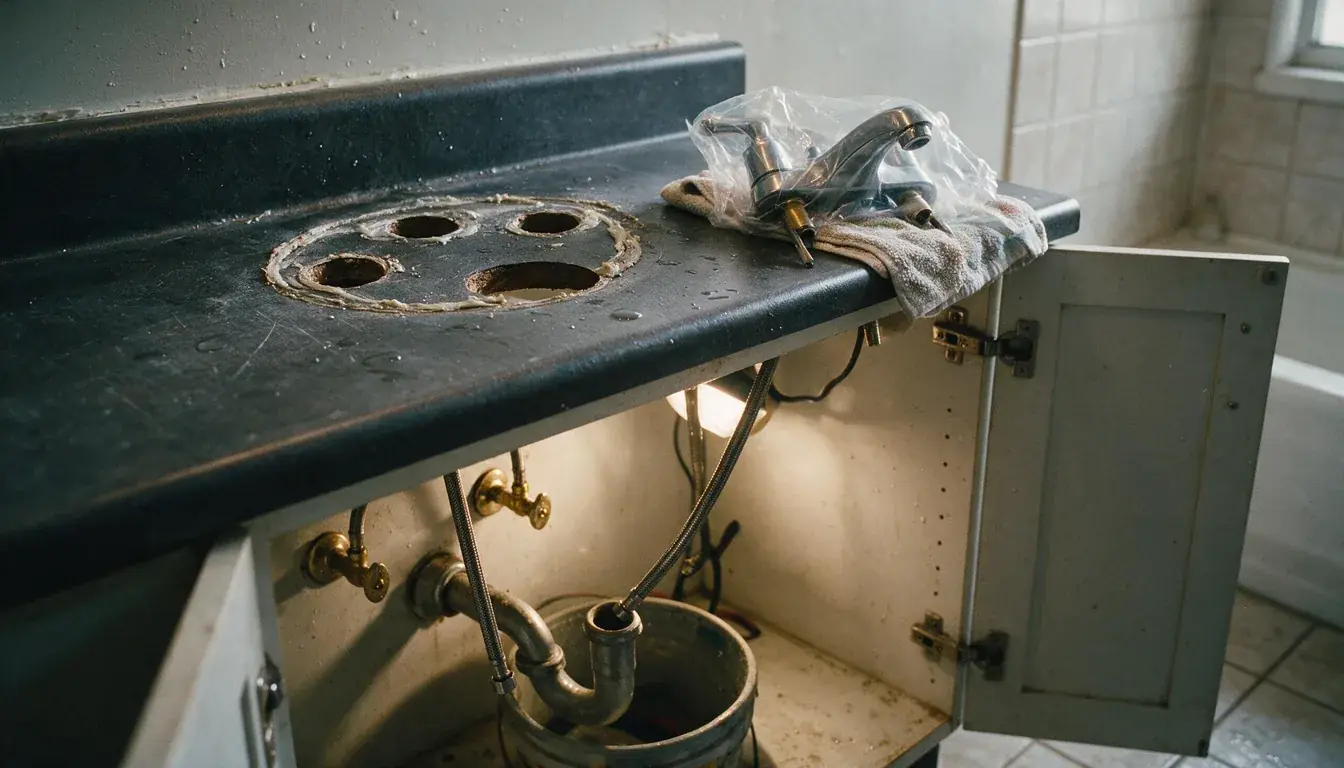
CPVC becomes brittle in the 20–35-year range and snaps under thermal stress or incompatible pipe dopes. Early PEX fittings (pre-2010) may develop chloramine compatibility issues at 15–25 years. The 1980s–1990s housing stock in Boulder is entering its first wave of material-driven service calls — not from neglect, but from normal service-life progression.
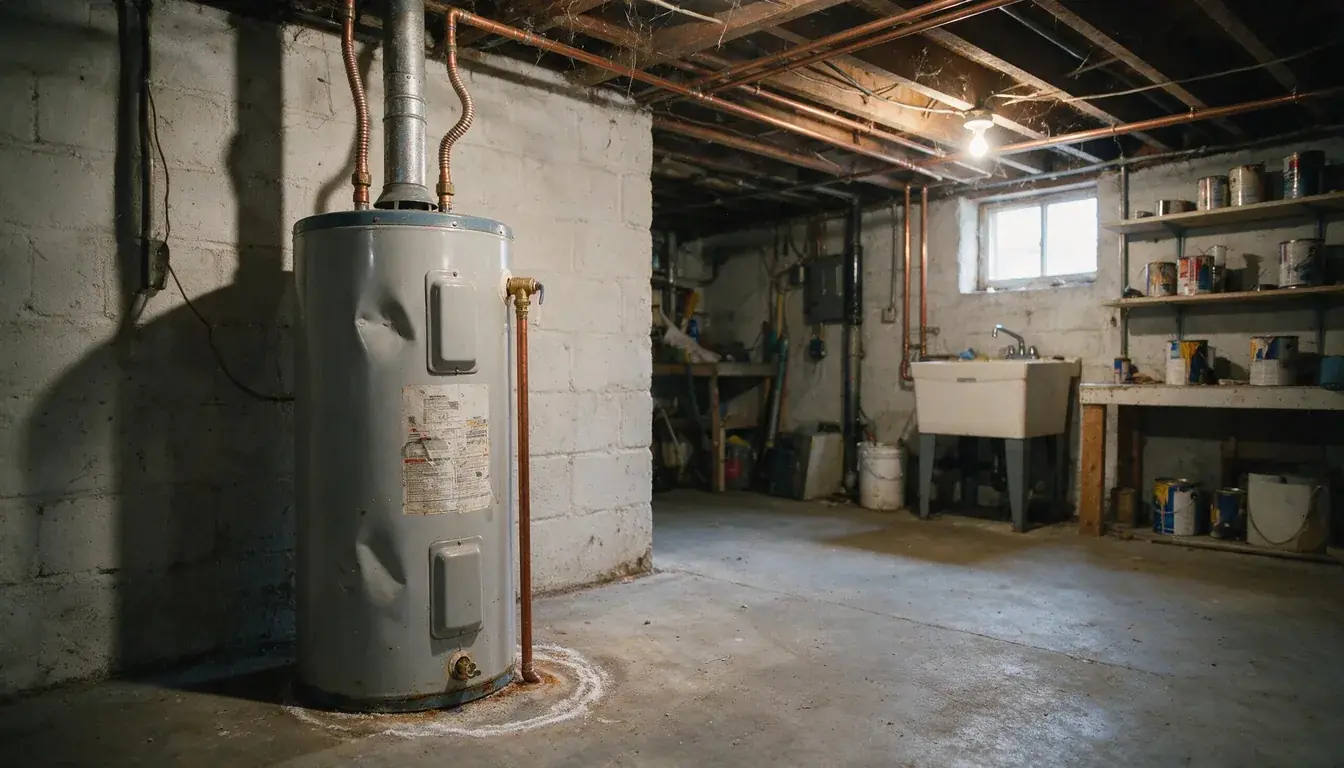
8–14 GPG shortens water heater service life to 8–11 years in Boulder and drives rolling maintenance demand at aerators, shower cartridges, and heat exchanger ports. Annual flushing prevents premature failure; skipped maintenance cycles push units toward early replacement. Scale-related calls represent a significant share of the annual service workload here.
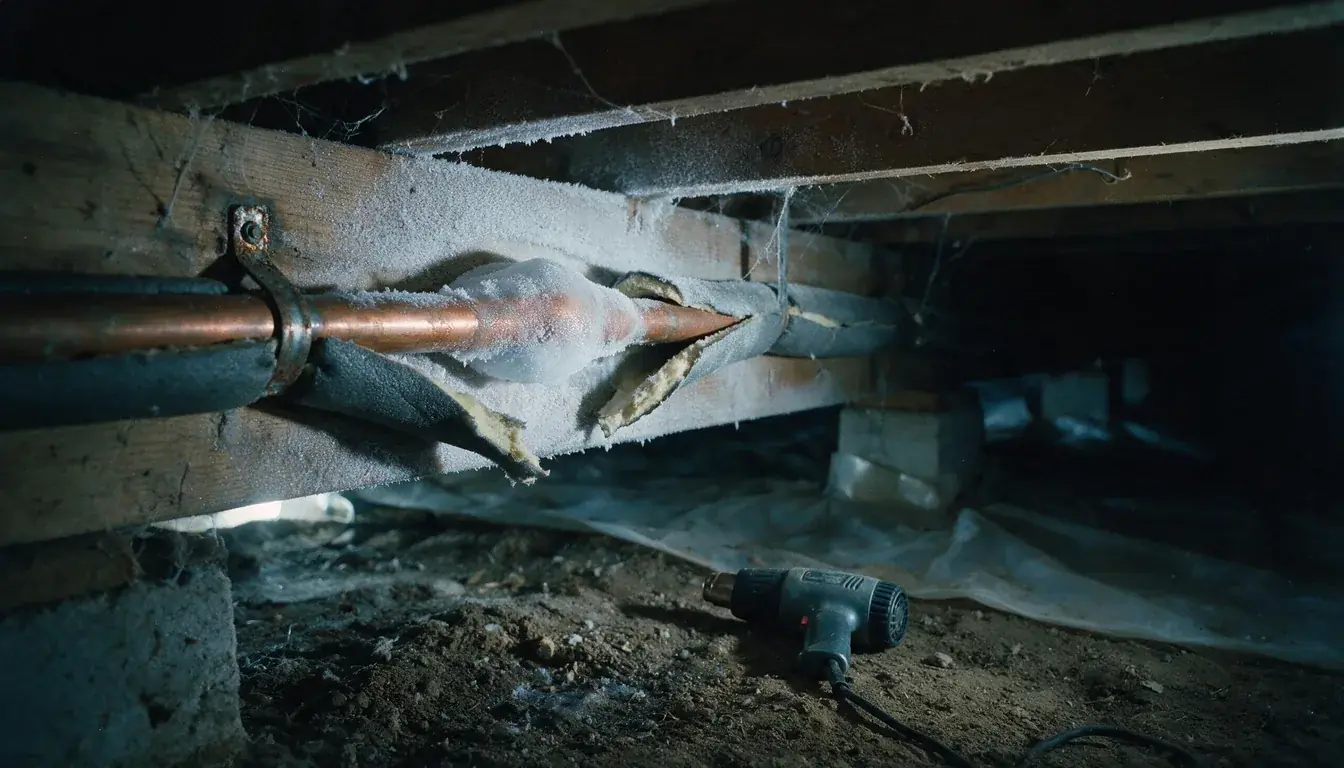
The primary surge in Boulder runs January–March, with a secondary wave at the spring thaw — when pipes that held through the freeze rupture as pressure is restored above 32°F. Scheduling competition peaks exactly when emergency calls are highest. Homeowners who wait for visible damage compete for the same limited plumber slots at the worst possible time.
How does permit-required work run in Boulder, application through certificate?
The Colorado contractor prepares the permit application — drawings, specifications, contractor license number (ask for it) — and submits it to the Boulder building department. Issuance typically takes 3–10 business days. No construction begins until the permit is in hand.
Once Boulder issues the permit, the contractor notifies affected utilities — gas, water, electrical — as required by the permit scope. Work follows the approved drawings; any scope change requires an amended permit before that portion starts.
The contractor schedules the final inspection with the Boulder building department inspector. After sign-off, a certificate of completion is issued. All permit documentation is filed with the city; you receive copies for home records and future property disclosure.
Sewer Line Replacement cost calculator — Boulder
Pre-filled for sewer line replacement in Boulder. Adjust the ZIP for a neighboring area, or change the service to compare. Calculator pulls from the city's scraped permit-fee + state plumber-density data.
Sewer Line Replacement in Boulder — permitted work protects your home’s value.
Unpermitted plumbing affects insurance claims and resale disclosures in Colorado. Ask the Colorado plumber you reach which permits your address needs.
What else do people ask about sewer line replacement in Boulder?
How much does sewer line replacement cost in Boulder, CO?
Sewer replacement in Boulder runs roughly 15% above the national average for trenched and roughly 15–25% more for trenchless pipe bursting. The CO DORA permit minimum is set by the local fee schedule. Price ranges: sewer line replacement cost guide.
Trenchless or trenched replacement in Boulder?
Boulder's clay/decomposed granite (Front Range foothills) makes excavation expensive — trenchless pipe bursting is often preferred under driveways and hardscape. Camera inspection confirms the method.
Do I need a permit for sewer replacement in Boulder?
Yes — a CO DORA plumbing permit plus city sewer-tap inspection. The connection at the property line may need a separate utility permit. The matched plumber pulls both. Permit fee ranges: permit fee estimator.
How much of my Boulder sewer problem is root intrusion?
Boulder's clay/decomposed granite (Front Range foothills) retains moisture that attracts roots to bell joints — root intrusion is the #1 replacement driver here.
How long does sewer replacement take in Boulder?
Trenchless pipe bursting: typically one day for a 40–80 ft residential lateral. Traditional trenching: 2–3 days including backfill and inspection. Boulder's 30" frost adds a day in winter.
What pipe material is under my Boulder home?
Median home age is 45 years: 1970s-90s copper/PVC. Newer homes typically have ABS or PVC.
Replace vs repair — how do I decide in Boulder?
Replace if camera shows multiple offsets, >30% pipe wall loss, a belly holding standing water, or Orangeburg material. Spot repair works for a single root entry at one joint in otherwise sound pipe.
Will homeowners insurance cover sewer replacement in Boulder?
Standard Colorado policies typically don't cover lateral replacement. A service-line endorsement specifically covers it. The matched plumber documents the failure for the insurance claim. Price ranges: sewer line replacement cost guide.
Combined or separate sewer in Boulder?
Boulder has a separate sewer system — sanitary-only lateral simplifies the permit scope.
How do I check the license of sewer contractors in CO?
AlertPlumber does not vet plumbers: for Boulder sewer replacement, ask for the CO DORA license number and check it with the state board.
Asking for a written quote costs you nothing. Guessing costs you the job.
The form below takes under a minute — it goes to an independent Colorado plumber in our partner's network; ask them to scope the sewer line replacement and put the quote in writing.
Need a sewer line replacement callback in Boulder?
In a meeting, with the kids, or just prefer not to call? Drop your ZIP and number below. AlertPlumber sends your request to our routing partner — if a participating plumber serves your area, they may call you back directly. For anything urgent, call the number on this page.
- 1 Submit your info. ZIP, phone, and what kind of work you need.
- 2 AlertPlumber passes it on to our routing partner for your area.
- 3 If a participating plumber serves your area, they may call you back. Ask for a written estimate before work starts.
Sewer Line Replacement in Boulder — compliant installation
Permitted sewer line replacement protects your home's resale value and keeps insurance claims defensible in Colorado. Ask your licensed plumber for their license number, who pulls the required permits, and a written scope before work starts.