
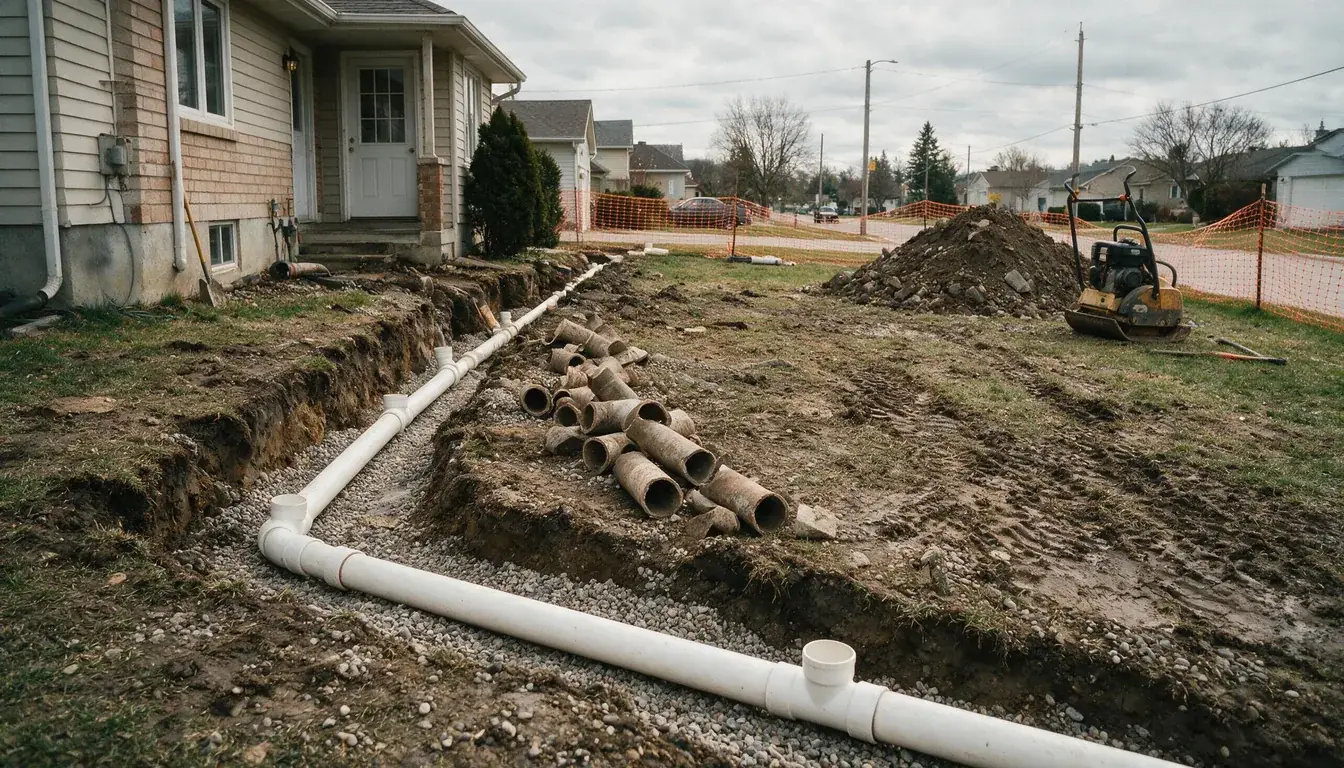
Sewer Line Replacement in Marietta, Georgia
Sewer Line Replacement in Marietta, Georgia is full sewer line replacement (trenched or trenchless pipe bursting). Local conditions in Marietta: a 8 in. frost line and a median home age of 38 years.
Permitted, inspected, documented — ask for the permit and the license number before Marietta work starts.
Is sewer line replacement in Marietta, GA the right job?
- Sewer Line Repair in Marietta
- Backups or sewage in the yard may point to a damaged sewer line that needs a section repaired.
- Pipe Camera Inspection in Marietta
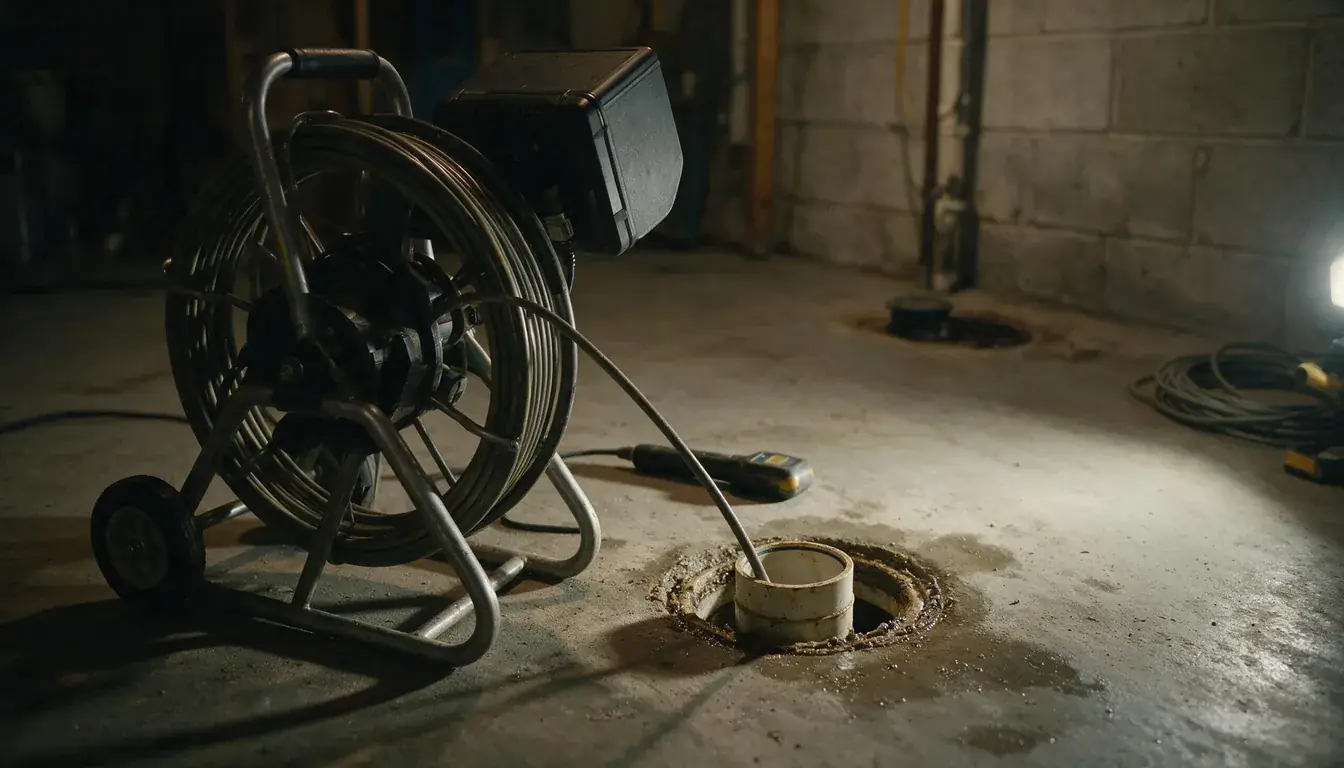
- Drains keep backing up and the cause is unclear, so a camera inspection can help show a blockage or damage inside the pipe.
- Hydro Jetting in Marietta
- Grease, sludge, or heavy buildup keeps blocking an otherwise sound drain or sewer pipe, and high-pressure water jetting may clear it.
- Drain Cleaning in Marietta
- A sink, tub, or drain is slow or blocked, and the blockage needs clearing.
What does the local plumbing data show for Marietta, GA?
Seeing these conditions at your place in Marietta? Describe them on the call to a state-licensed local plumber — free, no obligation.
What are the pipe conditions in Marietta, GA?
Full sewer line replacement in Marietta involves a trench or trenchless decision that depends on pipe depth, surface conditions, and access constraints. Traditional open-cut excavation costs less per foot but requires restoration of landscaping, concrete, or asphalt. CIPP (cured-in-place pipe lining) and pipe bursting are trenchless alternatives for pipes 4 inches and larger where the host pipe has sufficient structural integrity to guide the liner. AlertPlumber connects your call with an independent Georgia-licensed plumber — ask them to assess both methods and put the comparison in writing before work begins. Storm-season sewer backup and brief freeze events affecting exterior pipe runs are additional risk factors specific to this climate zone.
Homes built in Marietta between 1978 and 1995 — median age 38 years — may carry polybutylene supply lines, a grey plastic material that stopped being installed after a 1990s class-action settlement over failures linked to chlorinated municipal water. Polybutylene fails at fittings and mid-run stress points; ask a licensed plumber to identify the material by pipe color and fitting type and advise on repipe timing. Homes of other eras in Marietta may have galvanized pipe or copper pipe supply lines instead; ask the plumber which your home has.
Hard water in Marietta accelerates scale buildup inside water heater tanks, on heating elements, and at fixture connections. Sediment accumulation in tank heaters reduces efficiency and shortens element life; visible deposits at aerators and showerheads are an early indicator. Ask a licensed plumber to assess whether a water softener or conditioner is appropriate for the home's service configuration.
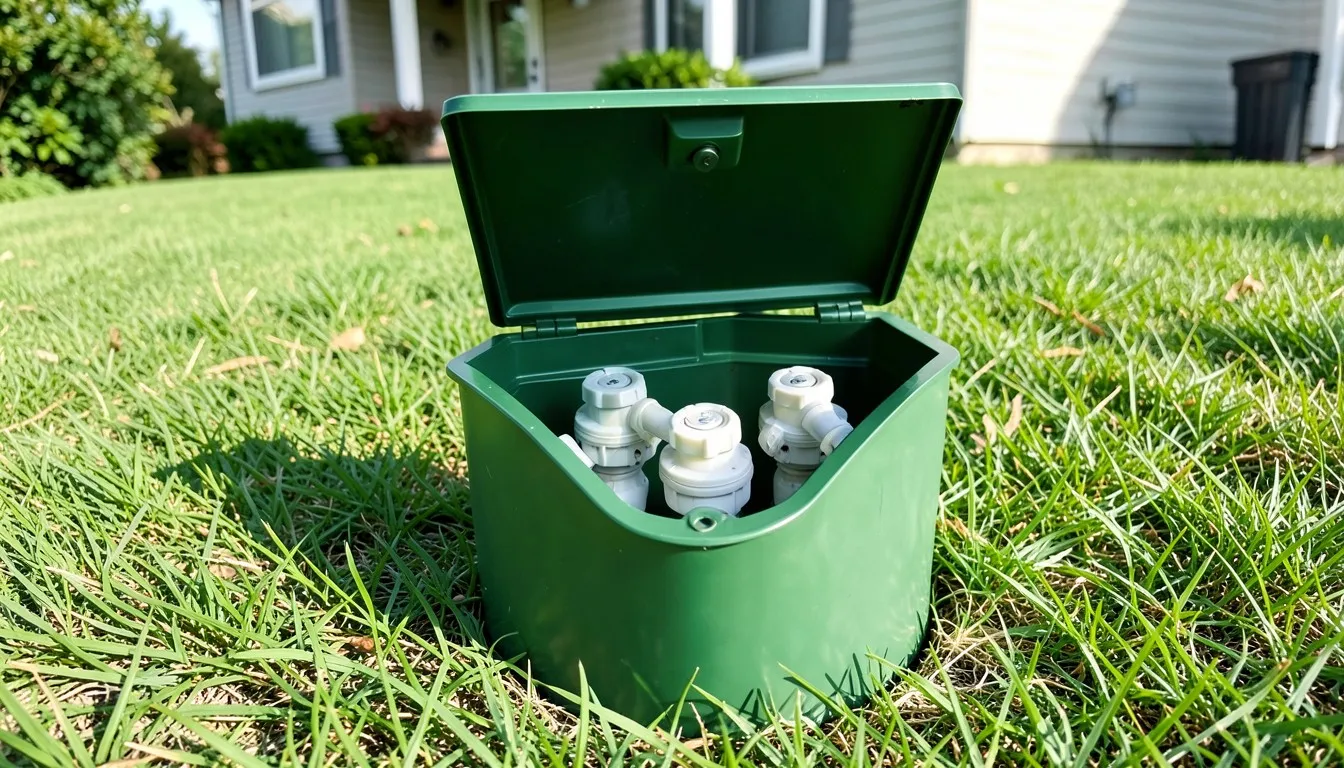
Frost line depth in Marietta means supply lines and outdoor plumbing must be installed below the freeze threshold — typically 8 in. — to prevent pipe burst during cold events. Exterior hose bibs, irrigation shutoffs, and any exposed pipe runs are the most common winterization service points in freeze-risk markets.
- Median home age
- 38 yrs
- Frost line
- 8 in.
Census housing age, Marietta city, Georgia: median year built 1987; 10.2% of homes built before 1960, 33.3% before 1980. Source: U.S. Census Bureau, ACS 2020–2024 5-year estimates, tables B25034 and B25035, read 2026-09-30.
Mention these conditions when you describe the symptom to the GA plumber you reach.
What shapes plumbing demand in Marietta, GA?
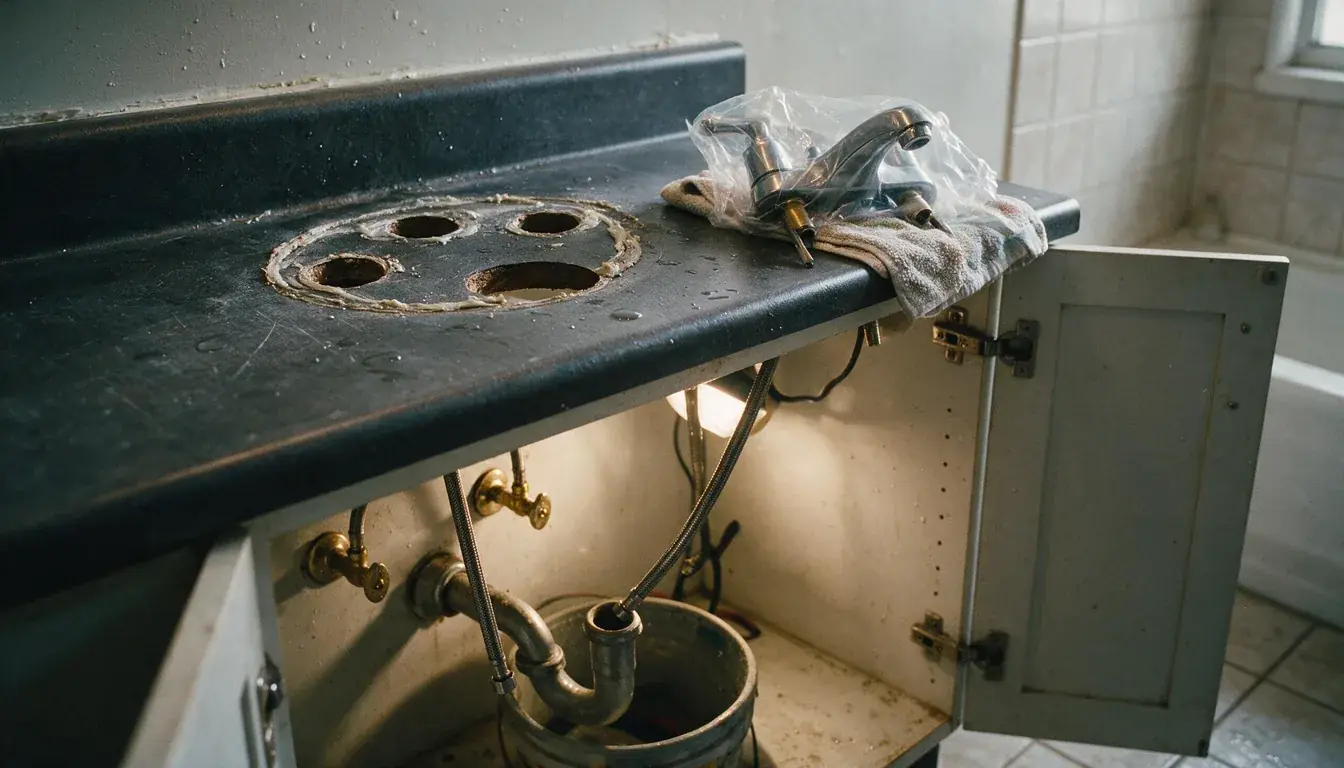
CPVC becomes brittle in the 20–35-year range and snaps under thermal stress or incompatible pipe dopes. Early PEX fittings (pre-2010) may develop chloramine compatibility issues at 15–25 years. The 1980s–1990s housing stock in Marietta is entering its first wave of material-driven service calls — not from neglect, but from normal service-life progression.
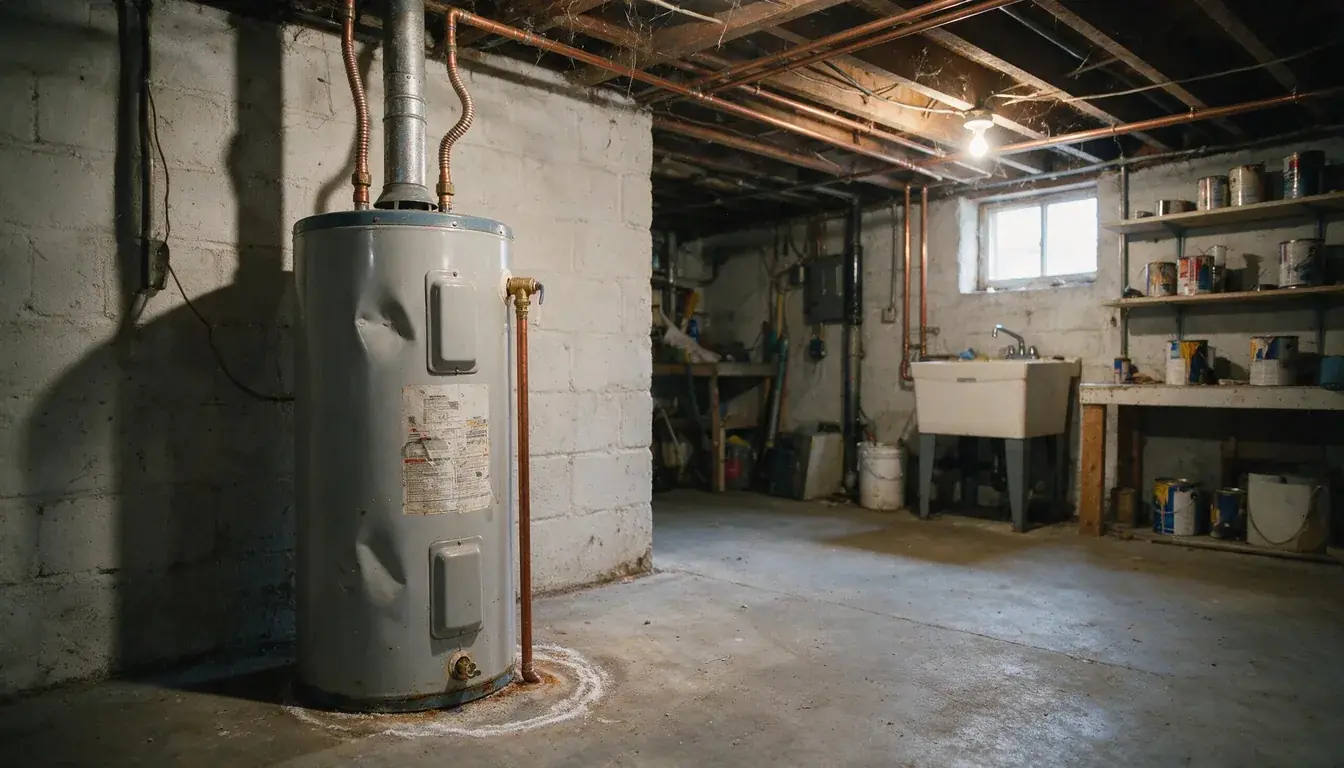
8–14 GPG shortens water heater service life to 8–11 years in Marietta and drives rolling maintenance demand at aerators, shower cartridges, and heat exchanger ports. Annual flushing prevents premature failure; skipped maintenance cycles push units toward early replacement. Scale-related calls represent a significant share of the annual service workload here.
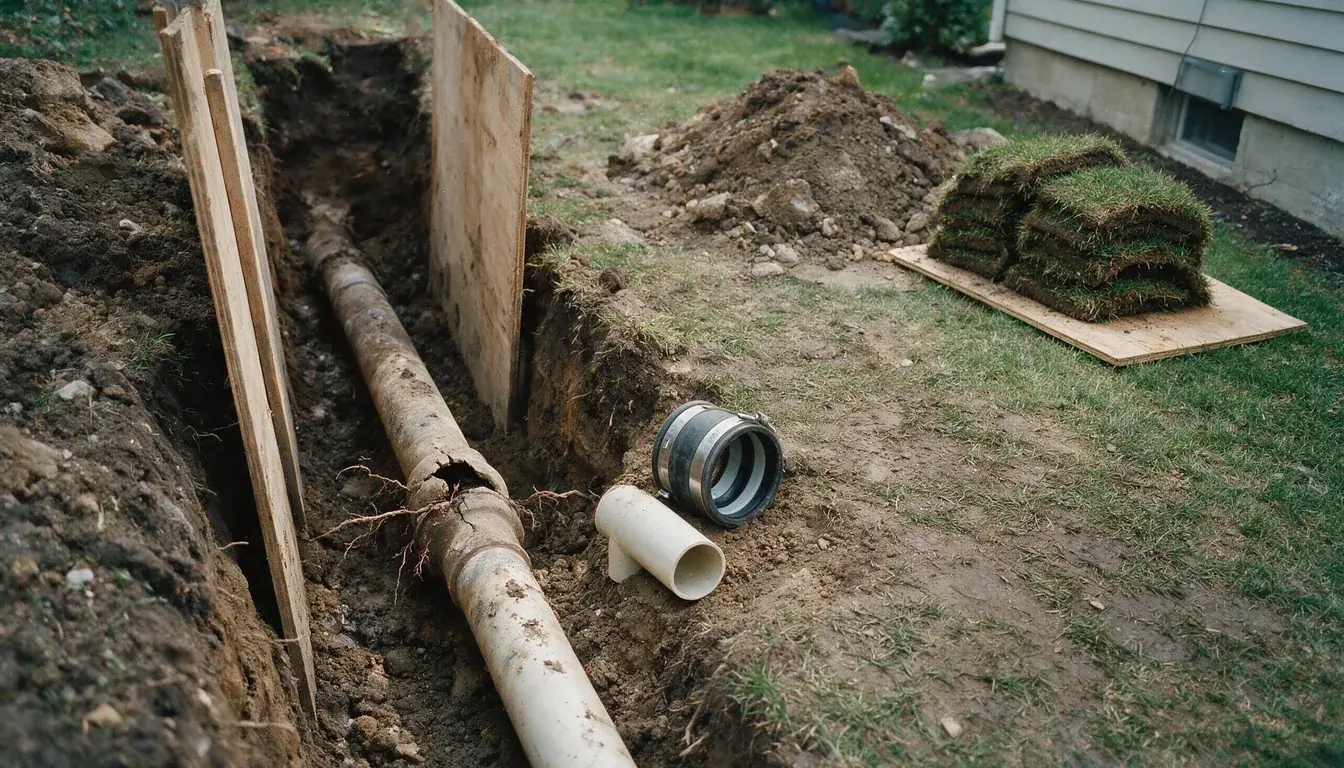
Drain and sewer line health drives the primary maintenance workload in Marietta: high groundwater tables stress lateral joints and root intrusion accelerates in warm soil. AC condensate drainage adds a recurring summer category. Drain slowdowns that homeowners defer tend to surface as full blockages during the wet season when groundwater pressure compounds the obstruction.
How does permit-required work run in Marietta, application through certificate?
The Georgia contractor prepares the permit application — drawings, specifications, contractor license number (ask for it) — and submits it to the Marietta building department. Issuance typically takes 3–10 business days. No construction begins until the permit is in hand.
Once Marietta issues the permit, the contractor notifies affected utilities — gas, water, electrical — as required by the permit scope. Work follows the approved drawings; any scope change requires an amended permit before that portion starts.
The contractor schedules the final inspection with the Marietta building department inspector. After sign-off, a certificate of completion is issued. All permit documentation is filed with the city; you receive copies for home records and future property disclosure.
Sewer Line Replacement cost calculator — Marietta
Pre-filled for sewer line replacement in Marietta. Adjust the ZIP for a neighboring area, or change the service to compare. Calculator pulls from the city's scraped permit-fee + state plumber-density data.
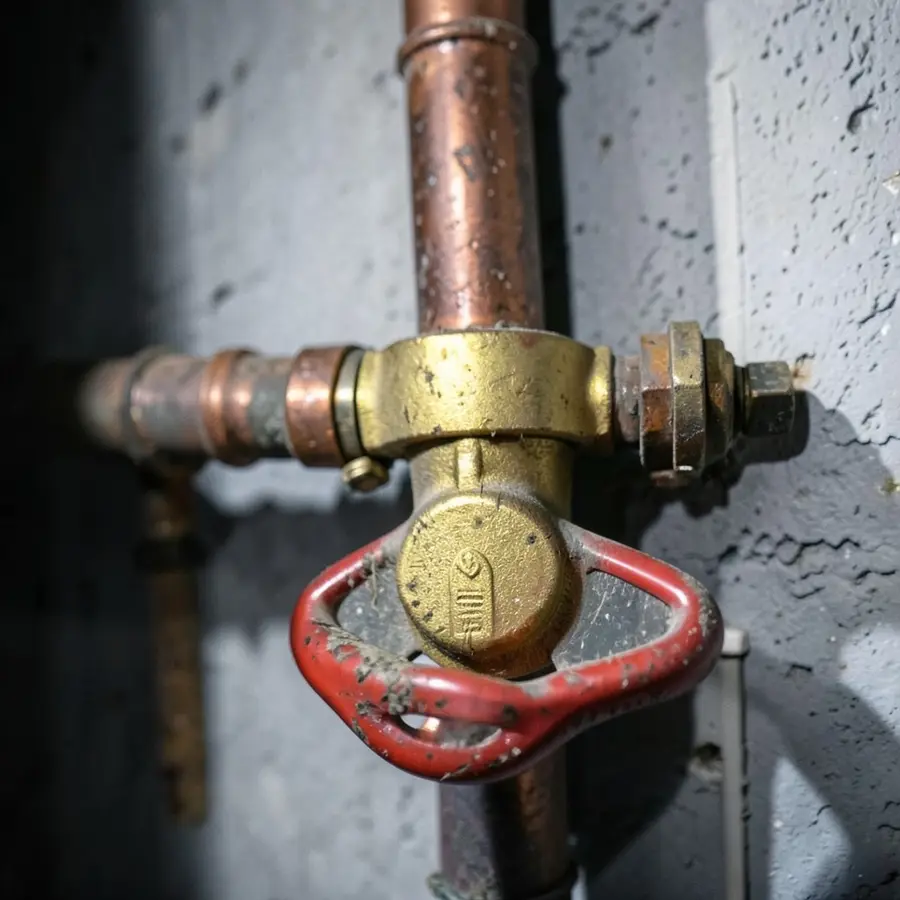
Sewer Line Replacement in Marietta — permitted work protects your home’s value.
Unpermitted plumbing affects insurance claims and resale disclosures in Georgia. Ask the Georgia plumber you reach which permits your address needs.
What else do people ask about sewer line replacement in Marietta?
When does a sewer lateral need full replacement vs. a spot repair?
Spot repair is appropriate when a camera shows damage limited to a single section shorter than about 15–20% of the total lateral. Full replacement is required when: the pipe material has failed systemically (an entire Orangeburg run or corroded cast-iron lateral), root intrusion or offset joints appear throughout the camera inspection, or multiple spot repairs have already been done and the underlying pipe condition is deteriorating. The camera assessment before any dig determines which is warranted.
What pipe materials are used in sewer line replacement today?
PVC Schedule 40 is standard in most residential replacements — inert, smooth-bore, and resistant to root entry at properly solvent-welded joints. HDPE (high-density polyethylene) is used in pipe-bursting installations because it comes in continuous rolls without joints. Cast iron is specified in some urban markets for noise control under slabs. Never use Orangeburg, ABS, or galvanized steel as replacement materials — all three have documented long-term failure modes in sewer applications.
What is pipe bursting and when is it the right choice?
Pipe bursting pulls a cone-shaped head through the existing pipe, splitting it outward into the surrounding soil while drawing new HDPE pipe in behind it. It works when the existing pipe is mostly intact (not collapsed), the soil can accept the displaced material, and there are no abrupt bends. It slightly upsizes the new pipe, which is an advantage in restricted-clearance installations. Severe collapses, pipe encased in concrete, or runs with multiple tight bends require open excavation instead.
Who owns the sewer lateral — the homeowner or the city of Marietta?
In most jurisdictions, the homeowner owns the lateral from the house cleanout to the connection at the city main. The city owns the main itself. Some older urban systems have a shared-ownership boundary at the property line rather than the main connection — the city's utilities department can confirm the boundary for Marietta. Repairs or replacements within the homeowner's section are the homeowner's financial responsibility; work in the city's section may be covered by the municipality.
What permits and inspections are required for sewer line replacement?
Typically two permits: a plumbing permit and a public-works or right-of-way permit (if the replacement crosses the street or city easement). The city inspector must review the installation before the trench is backfilled — this confirms depth, bedding, slope, and connection compliance. A final video inspection of the new line is standard professional practice. The plumber provides the closed permit documentation for resale disclosure and insurance records.
How does Marietta's freeze risk (8 in. frost line) affect sewer line replacement in this market?
Marietta averages 30 days below freezing per year, which requires pipe burial below the 8 in. frost line for outdoor and foundation-edge supply runs. Sewer laterals must be buried below frost depth; frost heave can offset shallow joints and crack pipe sections that were installed marginal on depth.
How does Marietta's median home age (38 years) affect sewer line replacement pricing?
Census data (American Community Survey) puts Marietta's median home age at 38 years. Age alone does not tell you what pipes a particular home has. Older homes may still have galvanized pipe, cast-iron drains or Orangeburg sewer laterals; homes built from the late 1970s to the mid-1990s may have polybutylene supply lines; and many homes of every age have been partly or fully repiped with copper pipe or PEX since. Ask the plumber what pipe materials your home has and whether they change the scope or the price of the job — a pipe material check is a reasonable part of a diagnostic visit.
What's the seasonal plumbing risk profile for sewer line replacement in Marietta?
Cobb County's historic county seat northwest of Atlanta, served by Cobb County–Marietta Water Authority at 11–14 gpg. The antebellum-era and 1880s–1930s downtown residential stock — Glover Park neighborhood, Historic Marietta Square corridor — has original galvanized and early copper supply well past service life. Hard water accelerates water heater scale failures across both the historic core and outlying 1960s–1990s suburban precincts. Citywide, the U.S. Census Bureau's ACS 2020–2024 estimates (table B25034, read 2026-10-01) count 10.2% of Marietta homes as built before 1960, so homes of that era are a small share of the city's housing. Understanding the local call pattern helps set realistic expectations for plumber availability and response time during peak periods — during high-demand weeks, advance scheduling is advisable for non-emergency work.
What affects the cost of sewer line replacement in Marietta, GA?
Total footage from building to city connection, depth of cover, surface type (lawn vs. concrete vs. asphalt), and whether the municipal tap requires permit inspection hold points are the main cost drivers. Trenchless pipe-bursting costs more upfront but eliminates surface restoration. Depth and surface type are measured before the replacement method is selected. Ask the plumber for a written estimate covering price, scope, and permit requirements before any work begins.
How do I check a plumber's license in Georgia?
AlertPlumber does not license, vet or employ plumbers; calls are connected to independent local plumbers in our partner's network. Before work begins, ask the plumber for their Georgia license number and look it up on the Georgia licensing board's public database — it shows current standing, including any recent disciplinary actions, renewals, or lapses. Bonding, liability-coverage and continuing-education rules vary by state; ask for proof of insurance as well.
Does AlertPlumber charge a fee for connecting me with a plumber in Marietta?
AlertPlumber does not charge homeowners. AlertPlumber is paid a referral fee by its routing partner for qualifying calls — it is not an added charge to you. Ask the plumber for a written price before any work begins; if the quote doesn't fit your situation, you can decline at any point.
Asking for a written quote costs you nothing. Guessing costs you the job.
The form below takes under a minute — it goes to an independent Georgia plumber in our partner's network; ask them to scope the sewer line replacement and put the quote in writing.
Need a sewer line replacement callback in Marietta?
In a meeting, with the kids, or just prefer not to call? Drop your ZIP and number below. AlertPlumber sends your request to our routing partner — if a participating plumber serves your area, they may call you back directly. For anything urgent, call the number on this page.
- 1 Submit your info. ZIP, phone, and what kind of work you need.
- 2 AlertPlumber passes it on to our routing partner for your area.
- 3 If a participating plumber serves your area, they may call you back. Ask for a written estimate before work starts.
Sewer Line Replacement in Marietta — compliant installation
Permitted sewer line replacement protects your home's resale value and keeps insurance claims defensible in Georgia. Ask your licensed plumber for their license number, who pulls the required permits, and a written scope before work starts.