
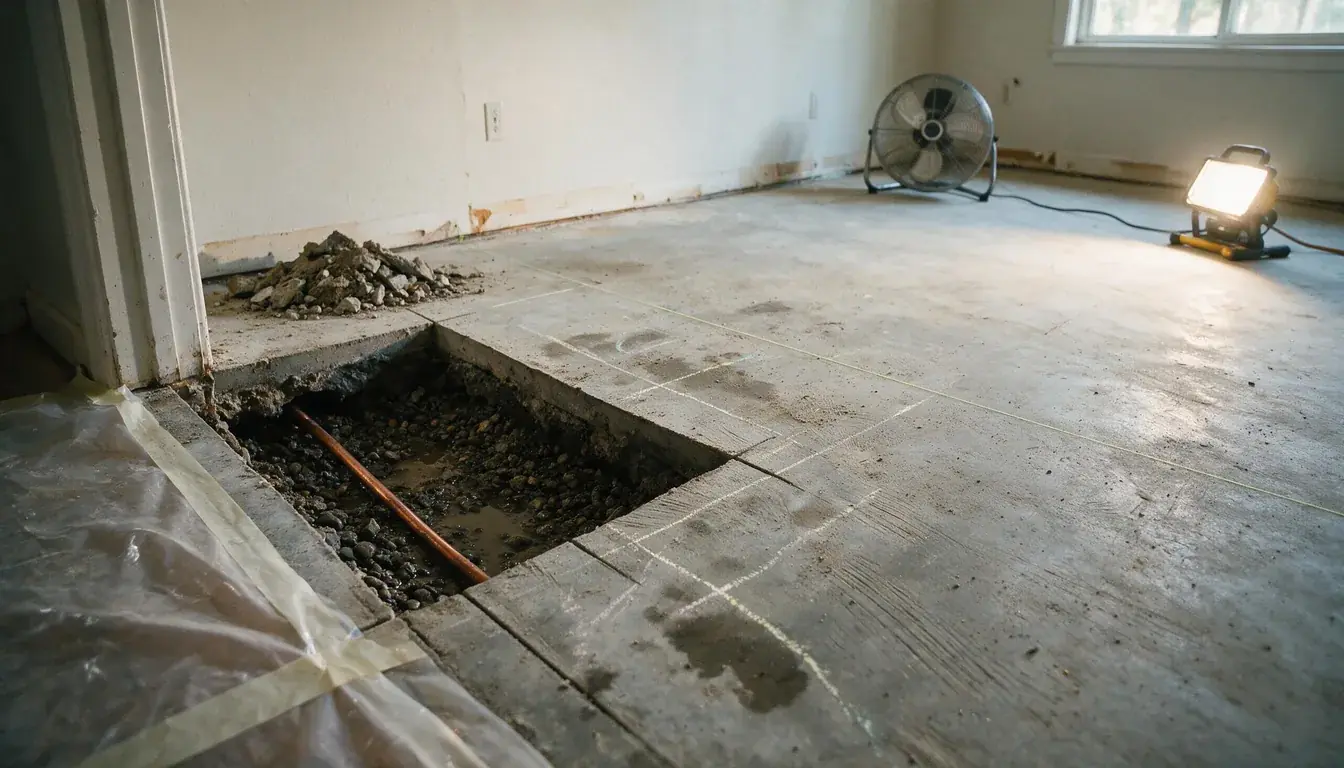
Emergency Slab Leak Repair in Bloomington, Indiana
Slab Leak Repair in Bloomington, Indiana detects and repairs leaks in pipes beneath the concrete slab foundation. Local conditions in Bloomington: water measured at 13 gpg, a 22 in frost line and a median home age of 50 years.
Camera first, quote second — know exactly what's wrong in your Bloomington home before you approve a dollar.
Who do I call for a slab leak in Bloomington?
A plumber who does leak detection and slab leak repair. In Bloomington, as anywhere, ask whether they locate the leak with detection equipment before any concrete is opened. It is urgent when water is coming up through the floor or the leak is near electrical outlets or appliances.
What does the local plumbing data show for Bloomington, IN?
Seeing these conditions at your place in Bloomington? Describe them on the call to a state-licensed local plumber — free, no obligation.
What are the pipe conditions in Bloomington, IN?
Slab leaks form when copper supply lines embedded in the concrete foundation develop pinholes from electrochemical corrosion, high-velocity water erosion, or slab movement. Bloomington homes built during the 1960s–1980s on post-tensioned slabs face the highest slab-leak risk — copper installed at original construction is approaching or past the 50-year corrosion window. Early signs include warm or wet spots on the floor, unexplained water bill spikes, and the sound of running water when all fixtures are closed. AlertPlumber routes your call to an independent Indiana-licensed plumber — ask for acoustic leak location before any slab cutting begins.
Bloomington's housing stock spans multiple construction eras — median home age 50 years — meaning pipe materials and failure modes vary significantly by neighborhood and building vintage. An inspection-led approach that confirms pipe material before recommending a service path is standard practice for mixed housing profiles. Homes of other eras in Bloomington may have galvanized pipe, copper pipe or polybutylene supply lines instead; ask the plumber which your home has.
Very hard water in Bloomington is a primary driver of accelerated appliance failure: water heater anode rods exhaust in 2–3 years instead of 6–8, scale deposits at fixture connections form within months of installation, and tankless heat exchangers accumulate mineral buildup that can reduce lifespan by half without regular descaling. A softener or whole-house conditioner is strongly recommended alongside any appliance service call.
Frost line depth in Bloomington means supply lines and outdoor plumbing must be installed below the freeze threshold — typically 22 in — to prevent pipe burst during cold events. Exterior hose bibs, irrigation shutoffs, and any exposed pipe runs are the most common winterization service points in freeze-risk markets.
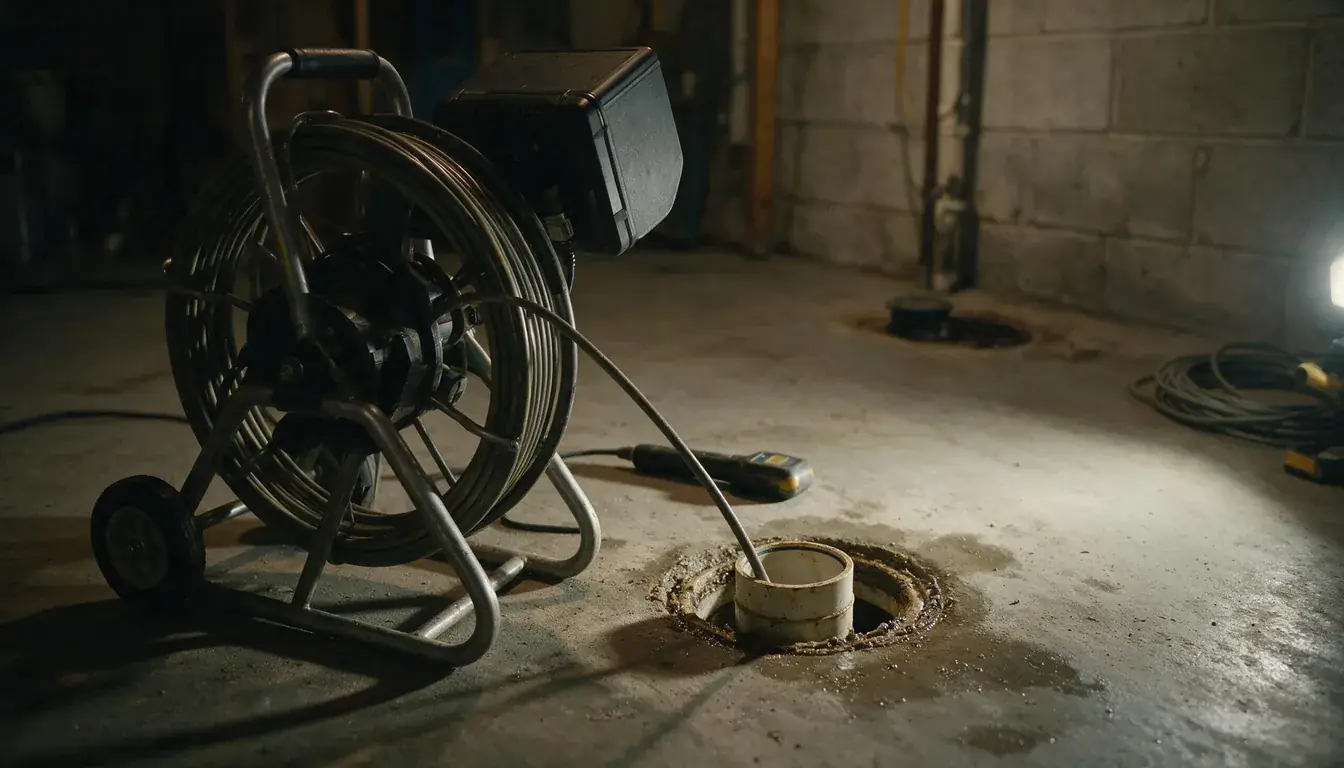
- Median home age
- 50 yrs
- Water hardness
- 13 gpg
- Frost line
- 22 in
- Permit
- City fee schedule
Census housing age, Bloomington city, Indiana: median year built 1985; 20.8% of homes built before 1960, 43.7% before 1980. Source: U.S. Census Bureau, ACS 2020–2024 5-year estimates, tables B25034 and B25035, read 2026-09-30.
Mention these conditions when you describe the symptom to the IN plumber you reach.
What shapes plumbing demand in Bloomington, IN?
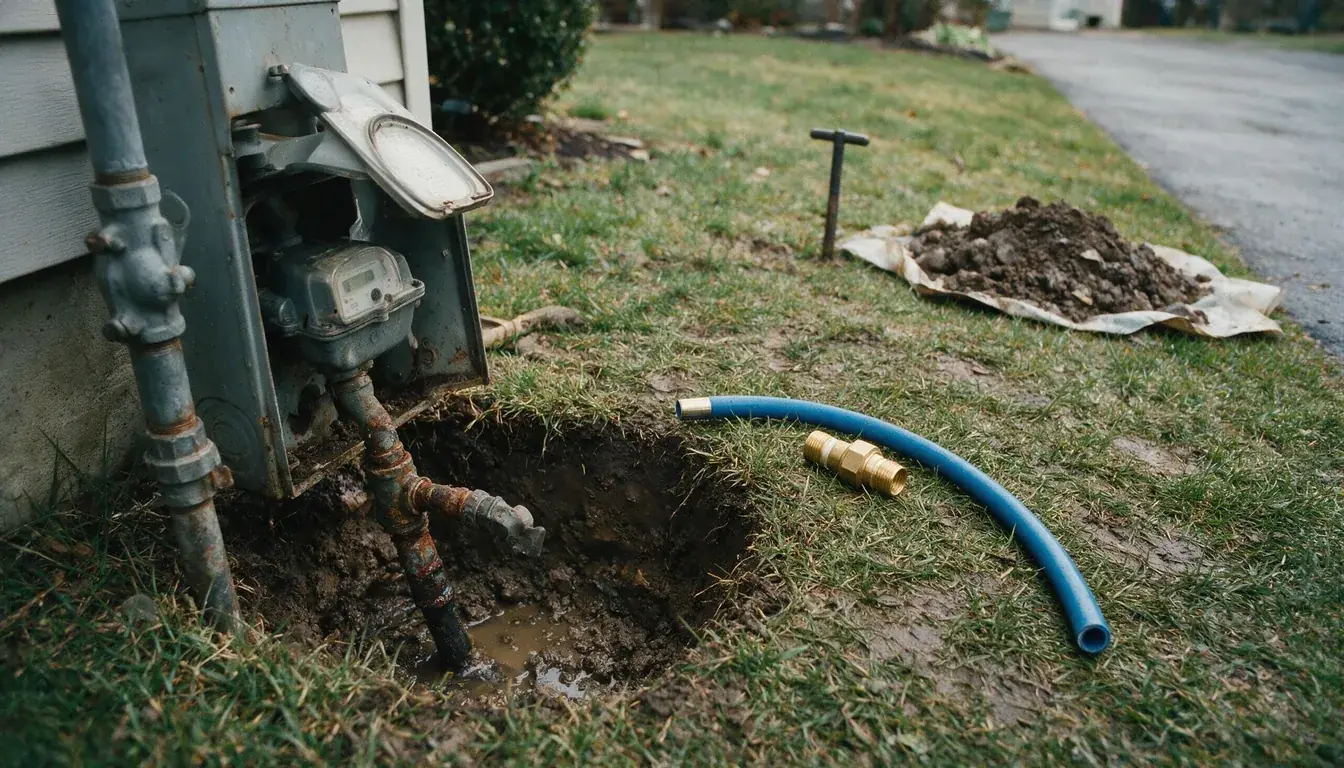
1950s–70s copper supply is now 50–70 years into its service cycle in Bloomington. Thermal fatigue at fittings and slab-on-grade access complexity — common in Sun Belt construction — make repair vs. replacement a live decision on most jobs. This housing cohort is the active primary replacement wave in this market.
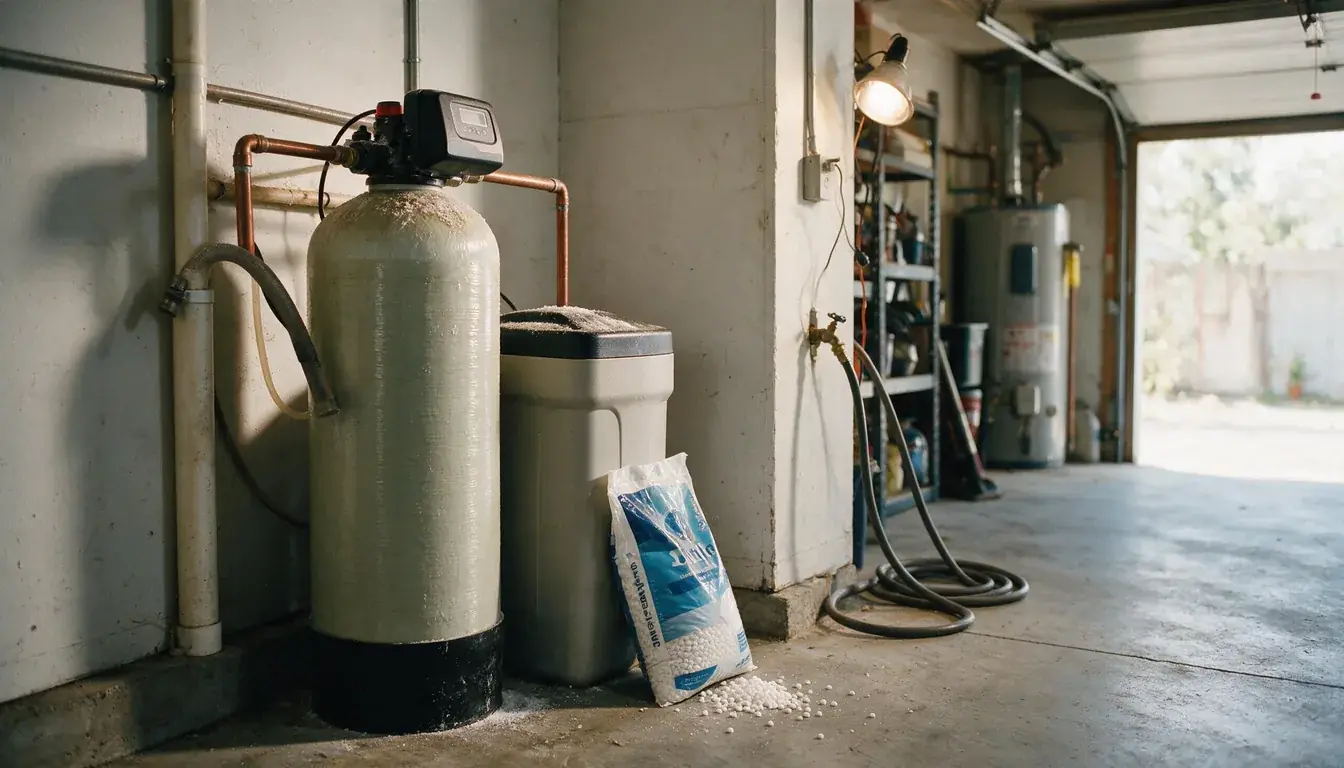
At 15–20+ GPG, calcium scale forces compressed equipment cycles in Bloomington: tank heaters average 6–9 years vs. the 10–12-year national benchmark, and tankless units require annual descaling. Anode rods calcify within 12–18 months. Most plumbers here assess heater age against the local scale timeline — not the manufacturer's service life.
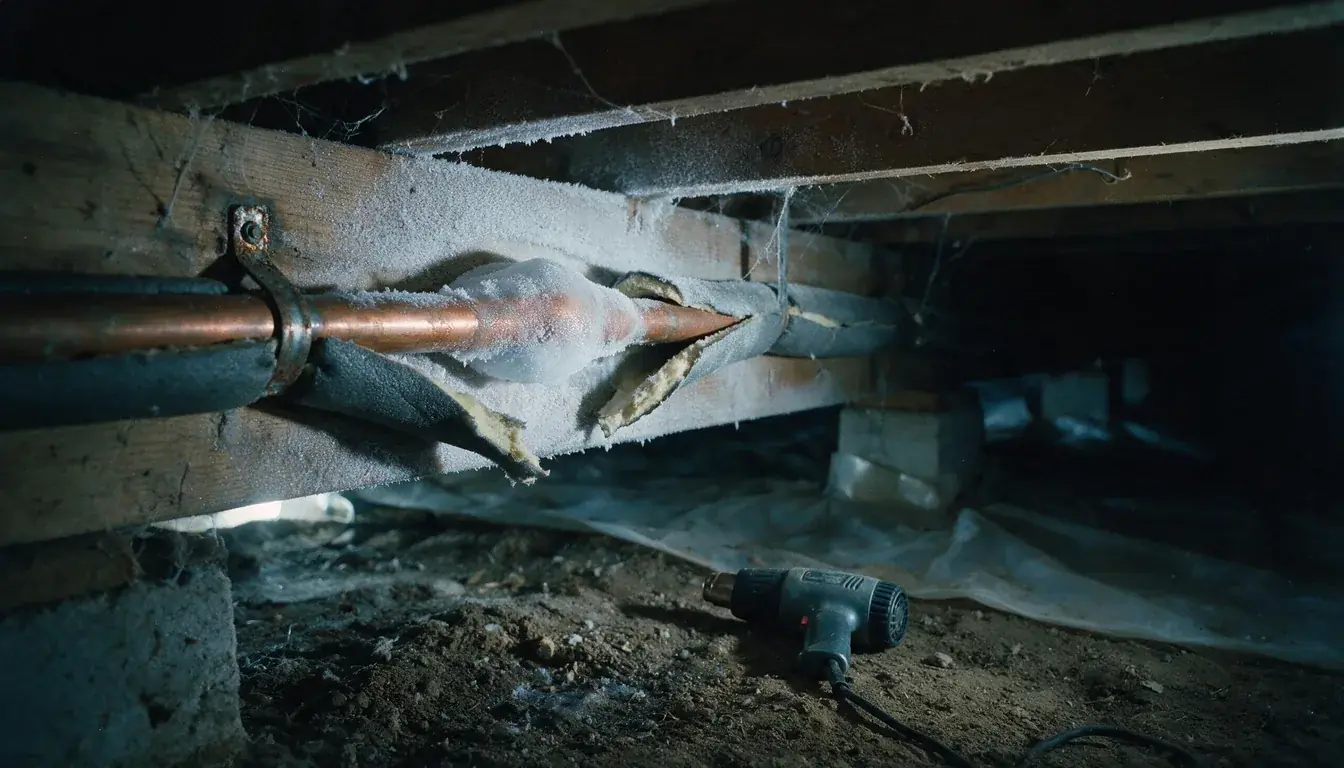
The primary surge in Bloomington runs January–March, with a secondary wave at the spring thaw — when pipes that held through the freeze rupture as pressure is restored above 32°F. Scheduling competition peaks exactly when emergency calls are highest. Homeowners who wait for visible damage compete for the same limited plumber slots at the worst possible time.
Why diagnose before repairing in Bloomington?
Describe the symptom — not the repair. AlertPlumber routes the call to an independent IN-licensed plumber in its partner's network — ask whether the site visit will use camera tracing, acoustic detection, or hydrostatic pressure testing matched to the reported failure type.
Ask the plumber for a written diagnostic report: confirmed failure location, available repair methods, and tradeoffs — disruption level, material durability, long-term cost, and whether a Bloomington building permit applies to the selected method.
You select the repair path. Ask for a fixed scope and price on the authorized method before the Indiana-licensed plumber proceeds and, where required, who files the permit application to Bloomington.
Slab Leak Repair cost calculator — Bloomington
Pre-filled for slab leak repair in Bloomington. Adjust the ZIP for a neighboring area, or change the service to compare. Calculator pulls from the city's scraped permit-fee + state plumber-density data.
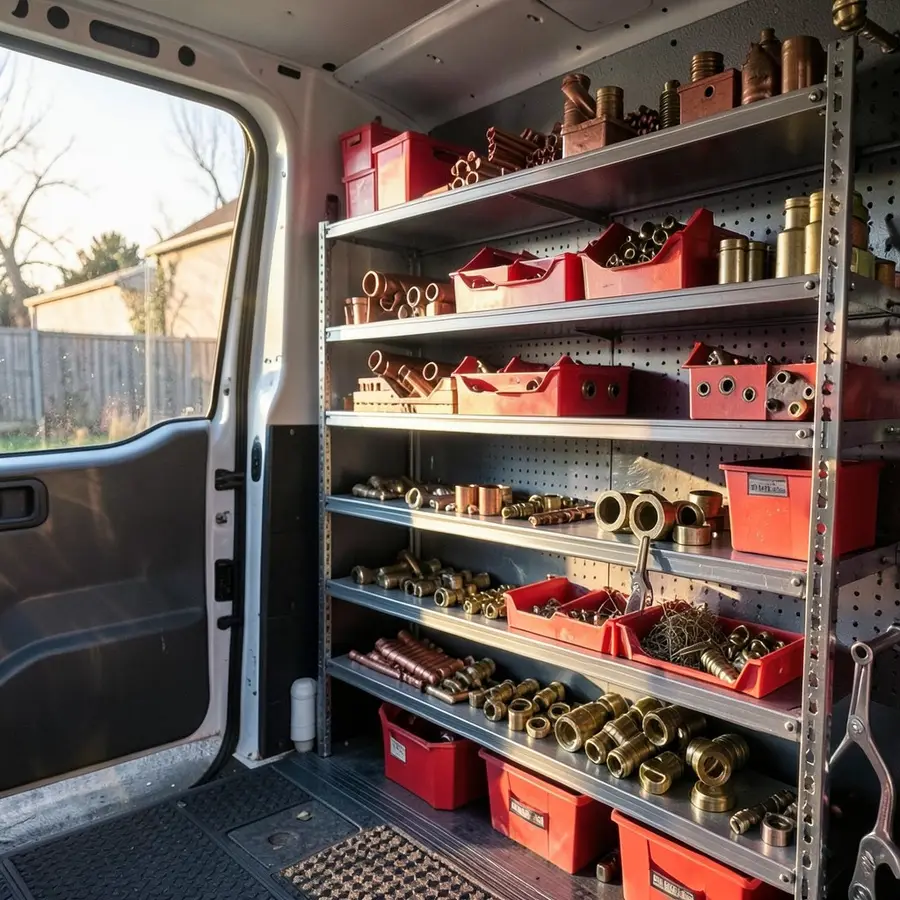
Slab Leak Repair emergency in Bloomington?
Every hour without a repair increases structural risk and remediation cost. Calls connect to independent local plumbers in our partner's network — ask for an arrival time and a written estimate.
What else do people ask about slab leak repair in Bloomington?
How much does slab leak repair cost in Bloomington, IN?
Slab leak repair for a Bloomington, Indiana home runs a scope-based price for leak detection plus spot repair. A copper-pinhole repair rerouted above the slab costs a scope-based price; a concrete core-drill-and-repair costs a scope-based price; a whole-home repipe that retires the embedded run costs a scope-based price. Monroe County's housing stock skews toward two eras — Near East Side homes built in the 1880s–1930s that still carry original galvanized supply runs, and suburban additions from the 2000s–2020s now entering their first major repair cycle — so the AlertPlumber-matched plumber quotes after confirming which era's construction and slab depth apply to your address, since access difficulty swings the final number more than the leak itself. Price ranges: slab leak repair cost guide.
What tools find a slab leak in a Bloomington home?
Detection in Bloomington combines acoustic listening equipment, thermal imaging, and tracer gas (nitrogen+helium) for cold-water lines, typically narrowing the leak to within 6–12 inches before any concrete is opened. Detection runs a scope-based price. Because a large share of Monroe County's housing serves Indiana University's 46,000-student population as rental stock, landlords often request detection as a stand-alone diagnostic step — before authorizing repair — so property managers can document the cause for a tenant work order or insurance file. Homes built during the 2000s–2020s suburban expansion typically have cleaner acoustic signatures than the pre-1930s Near East Side stock, where older galvanized branch lines add background noise that extends the diagnostic window by an hour or more. Price ranges: slab leak repair cost guide.
Why do slab leaks happen in Bloomington homes?
Bloomington's water carries 13 grains per gallon of hardness, and scale build-up on copper pipe interior walls creates the micro-turbulence that seeds pinhole corrosion over time — a slow, wall-thinning process with no external warning until the leak breaks through. Separately, Indiana's freeze season adds mechanical stress: the area logs roughly 90 nights a year below freezing and a frost depth near 22 inches, deep enough to reach shallow slab-edge plumbing runs in older additions. Homes from the 1880s–1930s Near East Side era with original galvanized supply lines see the highest combined rate of both failure modes, since galvanized pipe corrodes internally on a shorter timeline than the copper used in later construction.
Core drill or tunnel — how does a Bloomington plumber reach a slab leak?
Core drilling — cutting a 4–8" hole directly at the leak point — is the fastest access method and works whenever the leak sits under open floor area. Tunneling from an exterior wall is the alternative when drilling risks a load-bearing footing or when finished flooring can't be cut. For Bloomington specifically, an above-slab reroute is often the better long-term call in the Near East Side's 1880s–1930s housing, where galvanized supply lines run throughout the slab rather than to just one fixture — patching a single pinhole in that era of plumbing usually means a second leak within a few years. Newer 2000s–2020s suburban builds on copper or PVC are more often single-point repairs.
Does slab leak repair need a city permit in Bloomington?
Yes. Any pipe repair, reroute, or repipe under a Bloomington slab requires a City of Bloomington plumbing permit, with a minimum fee set by the city, plus a rough-in inspection before the concrete patch goes back down and a final inspection once fixtures are reconnected. The state layer sits on top of the local one: Indiana requires the plumber performing the work to hold a state PLA plumber license, separate from the city's permit process. The AlertPlumber-matched plumber handles both the city permit application and the required inspections as part of the job, so nothing is left for the homeowner to file. Permit fee ranges: permit fee estimator.
Will homeowners insurance pay toward a Bloomington slab leak?
Standard Indiana homeowners policies typically cover the cost of accessing the leak and the resulting water damage to flooring or drywall — but not the failed pipe section itself, which is treated as normal wear rather than a covered peril. Notify the carrier as soon as a slab leak is suspected and photograph the damage before work starts, since claims are evaluated on documented progression. In Bloomington's large Indiana University rental market, the same access-cost-only coverage structure applies to landlord policies, and property managers should loop in the plumber's written estimate early since it typically doubles as the claim's supporting documentation.
What's the timeline for a Bloomington slab leak repair job?
Detection takes 2–4 hours. Core-drill access plus a single-point spot repair typically finishes in 4–8 hours, one visit, for most leaks. A full above-slab reroute runs 1–2 days, and the concrete patch needs 24–48 hours to cure before flooring goes back down. In practice, Bloomington's pre-1930s Near East Side homes tend to land at the longer end of that range because galvanized branch lines complicate the reroute path, while 2000s–2020s suburban homes on copper or PEX usually finish closer to the low end. Most jobs restore water service within 24 hours regardless of which repair method is used, with cosmetic flooring work sometimes scheduled separately.
Should I worry about mold after a Bloomington slab leak?
Yes — a slab leak that goes undetected for even a few weeks can saturate framing and subfloor with enough moisture to start mold growth within 24–48 hours of the material staying wet. This risk runs highest in the Near East Side's older homes, where original subfloor material sits directly over galvanized runs with no vapor barrier, compared to newer suburban builds with more moisture-resistant assemblies. Professional moisture mapping and structural drying are strongly recommended immediately after the slab repair itself, before any flooring is replaced, so trapped moisture isn't sealed back under new material.
Hot side or cold side — can a Bloomington plumber tell which line is leaking?
Yes, and the distinction changes the repair approach. A hot-side leak shows up clearly on thermal imaging because the warm water plume is easy to trace through the slab. A cold-side leak has no thermal signature and is located acoustically or by injecting tracer gas and tracking its escape point. In practice, hot-side leaks in Bloomington point toward pinhole corrosion inside older copper runs, while cold-side leaks more often trace back to a fitting or joint connection that failed under the mechanical stress of the region's freeze-thaw cycle. The AlertPlumber-matched plumber identifies which side is affected before recommending core drilling versus tunneling.
How do I check the license of slab leak specialists in IN?
AlertPlumber does not vet plumbers: for slab leak work in Bloomington, ask for the Indiana PLA plumber license number and check it with the state board, and ask whether they carry acoustic and thermal detection equipment on the service vehicle. A written scope-of-work estimate — covering the access method, expected concrete patch size, and whether a core drill or reroute is recommended — is provided before any concrete cutting begins, so the homeowner can review the plan against their City of Bloomington permit paperwork. Near East Side homeowners with older galvanized runs and suburban homeowners alike get the same before-and-after documentation for their own records or an insurance claim.
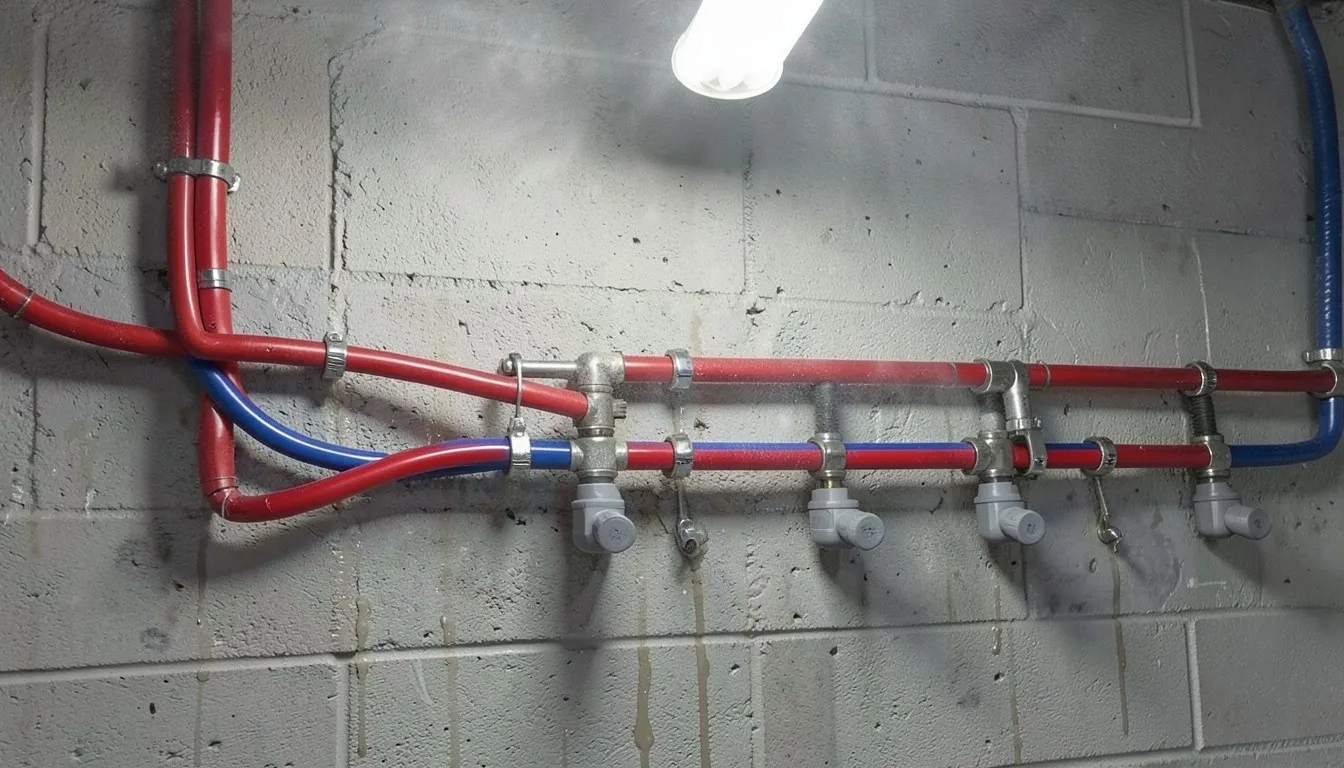
One call puts your problem in front of a local plumber.
Call the number, or put your number in the form below — the request goes to an independent Indiana plumber in our partner's network; ask about the slab leak repair and for a written estimate.

Need a slab leak repair callback in Bloomington?
In a meeting, with the kids, or just prefer not to call? Drop your ZIP and number below. AlertPlumber sends your request to our routing partner — if a participating plumber serves your area, they may call you back directly. For anything urgent, call the number on this page.
- 1 Submit your info. ZIP, phone, and what kind of work you need.
- 2 AlertPlumber passes it on to our routing partner for your area.
- 3 If a participating plumber serves your area, they may call you back. Ask for a written estimate before work starts.
Slab Leak Repair in Bloomington — when to call
Acute plumbing failures cannot wait. AlertPlumber routes calls about slab leak repair in Bloomington to independent Indiana plumbers in our partner's network — call now or submit the form above for a callback.