
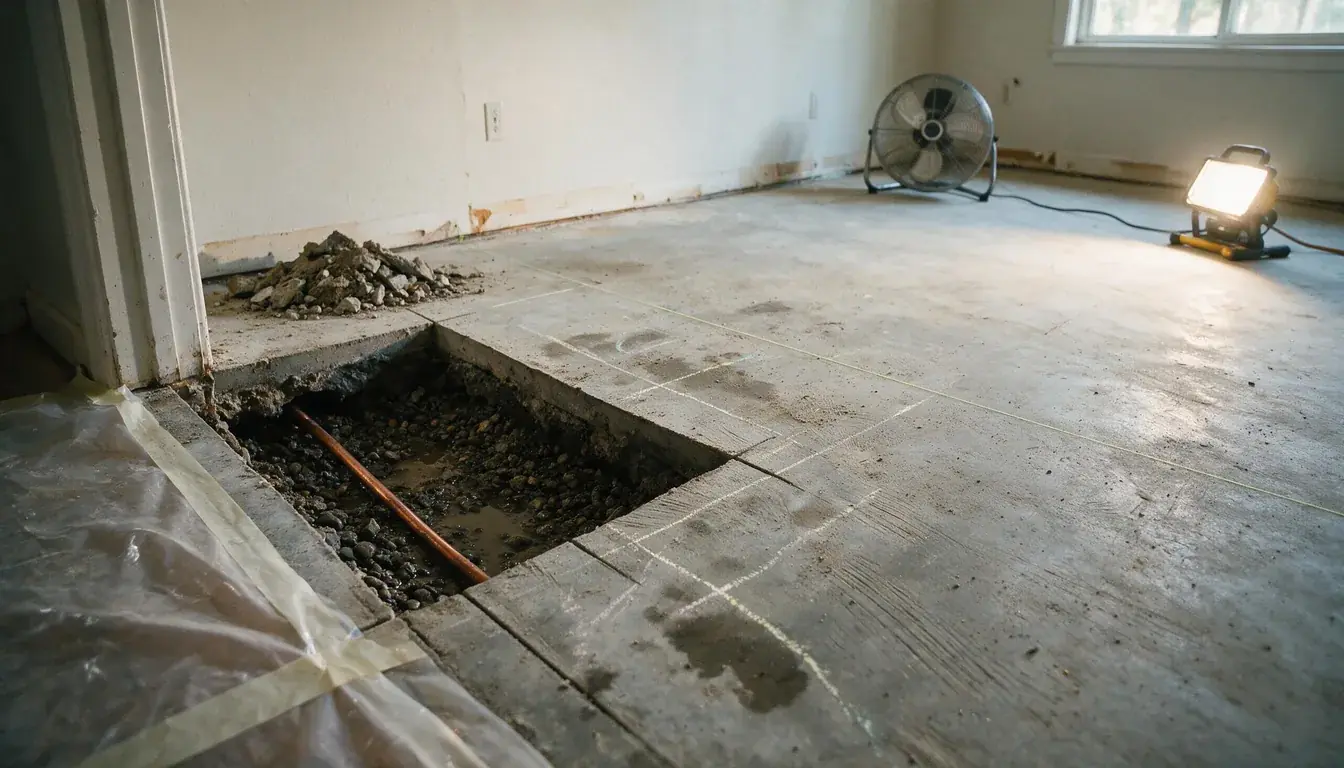
Emergency Slab Leak Repair in Brooklyn, New York
Slab Leak Repair in Brooklyn, New York detects and repairs leaks in pipes beneath the concrete slab foundation. Local conditions in Brooklyn: water measured at 2, a 36 frost line and a median home age of 82 years.
Camera first, quote second — know exactly what's wrong in your Brooklyn home before you approve a dollar.
Who do I call for a slab leak in Brooklyn?
A plumber who does leak detection and slab leak repair. In Brooklyn, as anywhere, ask whether they locate the leak with detection equipment before any concrete is opened. It is urgent when water is coming up through the floor or the leak is near electrical outlets or appliances.
What does the local plumbing data show for Brooklyn, NY?
Seeing these conditions at your place in Brooklyn? Describe them on the call to a state-licensed local plumber — free, no obligation.
What are the pipe conditions in Brooklyn, NY?
Slab leaks form when copper supply lines embedded in the concrete foundation develop pinholes from electrochemical corrosion, high-velocity water erosion, or slab movement. Brooklyn homes built during the 1960s–1980s on post-tensioned slabs face the highest slab-leak risk — copper installed at original construction is approaching or past the 50-year corrosion window. Early signs include warm or wet spots on the floor, unexplained water bill spikes, and the sound of running water when all fixtures are closed. AlertPlumber routes your call to an independent New York-licensed plumber — ask for acoustic leak location before any slab cutting begins.
Brooklyn's water utility maintains an active lead service line (LSL) replacement program. With a median home age of 82 years, a portion of the housing stock may still have lead service laterals connecting the water main to interior supply — a consideration during any work near the service entry point. Ask a licensed plumber to confirm whether supply-side work requires utility coordination. Homes of other eras in Brooklyn may have galvanized pipe, copper pipe or polybutylene supply lines instead; ask the plumber which your home has.
Frost line depth in Brooklyn means supply lines and outdoor plumbing must be installed below the freeze threshold — typically 36 — to prevent pipe burst during cold events. Exterior hose bibs, irrigation shutoffs, and any exposed pipe runs are the most common winterization service points in freeze-risk markets.
- Median home age
- 82 yrs
- Water hardness
- 2 gpg
- Frost line
- 36 in.
- Permit
- City fee schedule
Census housing age, Kings County (Brooklyn), New York: median year built 1944; 65.5% of homes built before 1960, 80.1% before 1980. Source: U.S. Census Bureau, ACS 2020–2024 5-year estimates, tables B25034 and B25035, read 2026-09-30.
Mention these conditions when you describe the symptom to the NY plumber you reach.
What shapes plumbing demand in Brooklyn, NY?
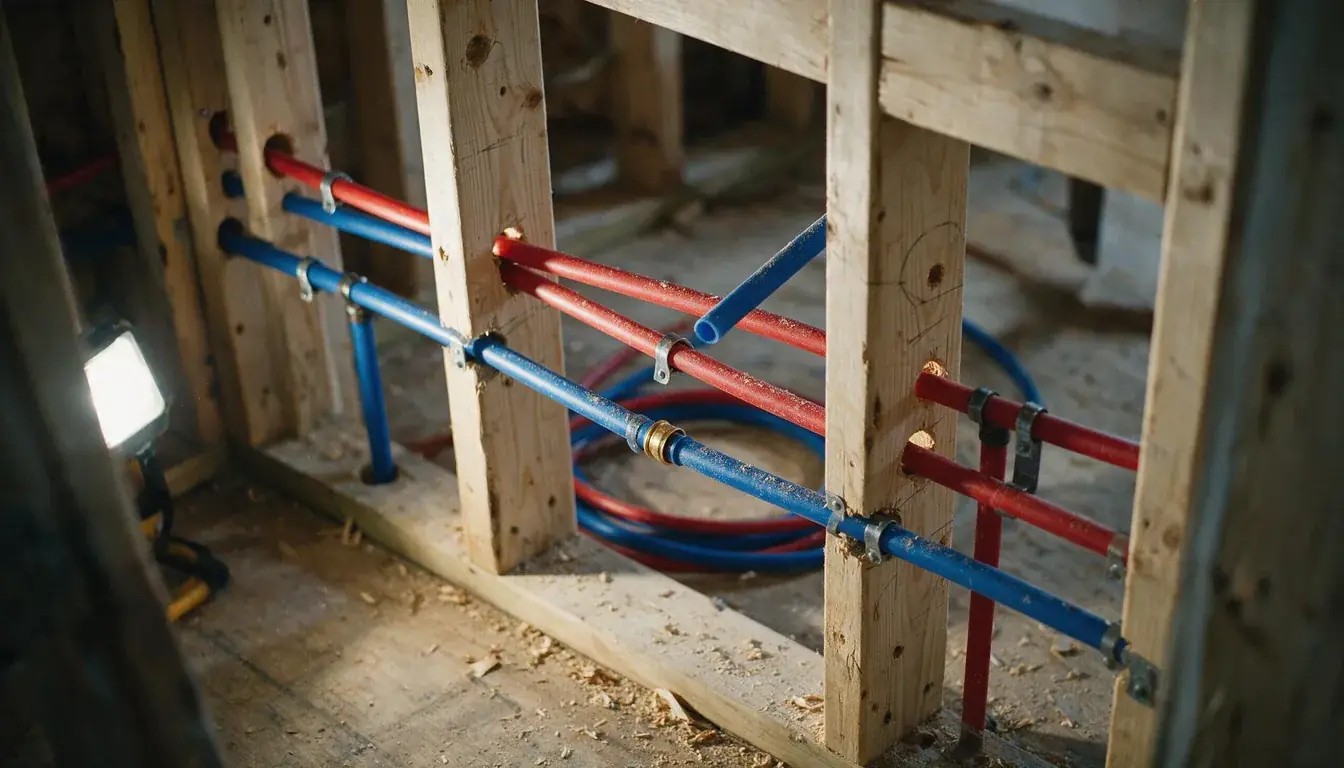
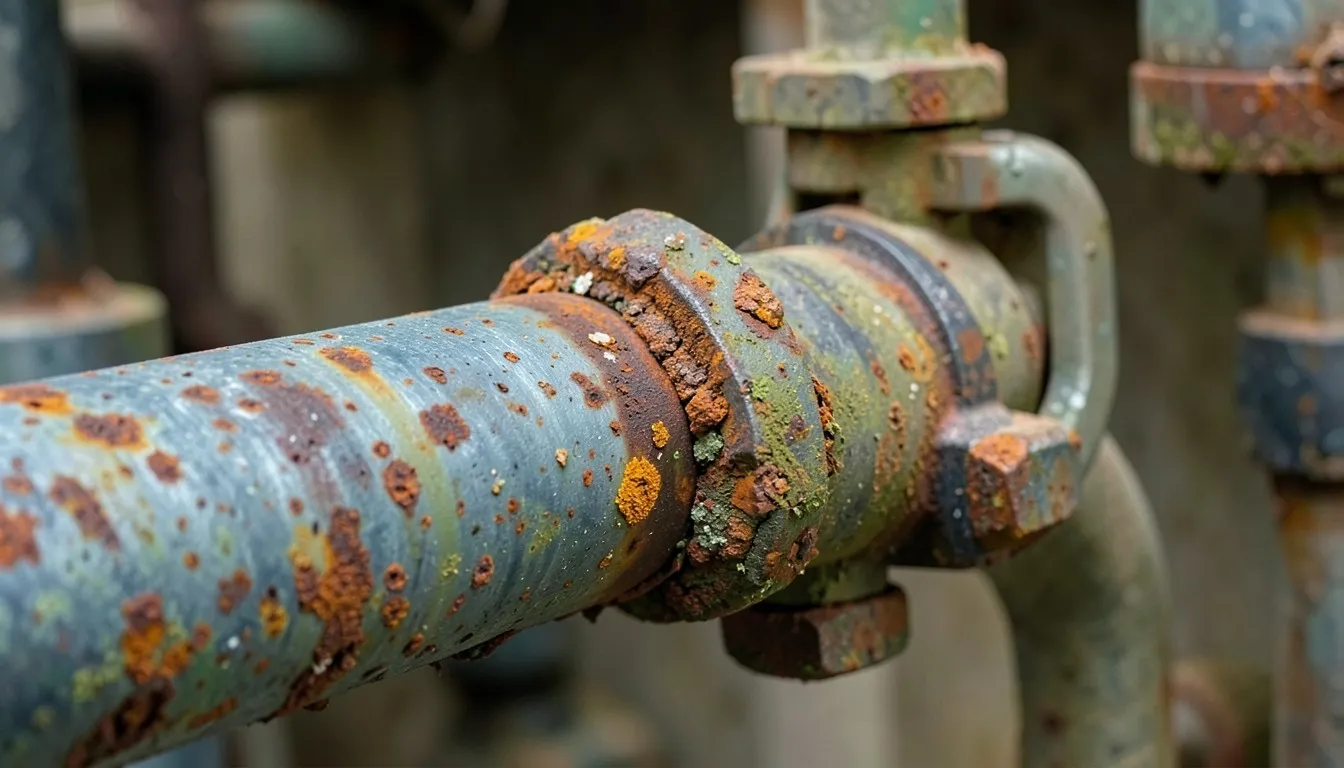
Galvanized supply lines and cast iron drain systems from the 1880s–1940s are past their 40–70-year design life across much of Brooklyn. Interior rust scale progressively narrows pipe bore. Plumbers here routinely scope supply lines before quoting any repair — the underlying pipe condition often makes full replacement more cost-effective than patching.
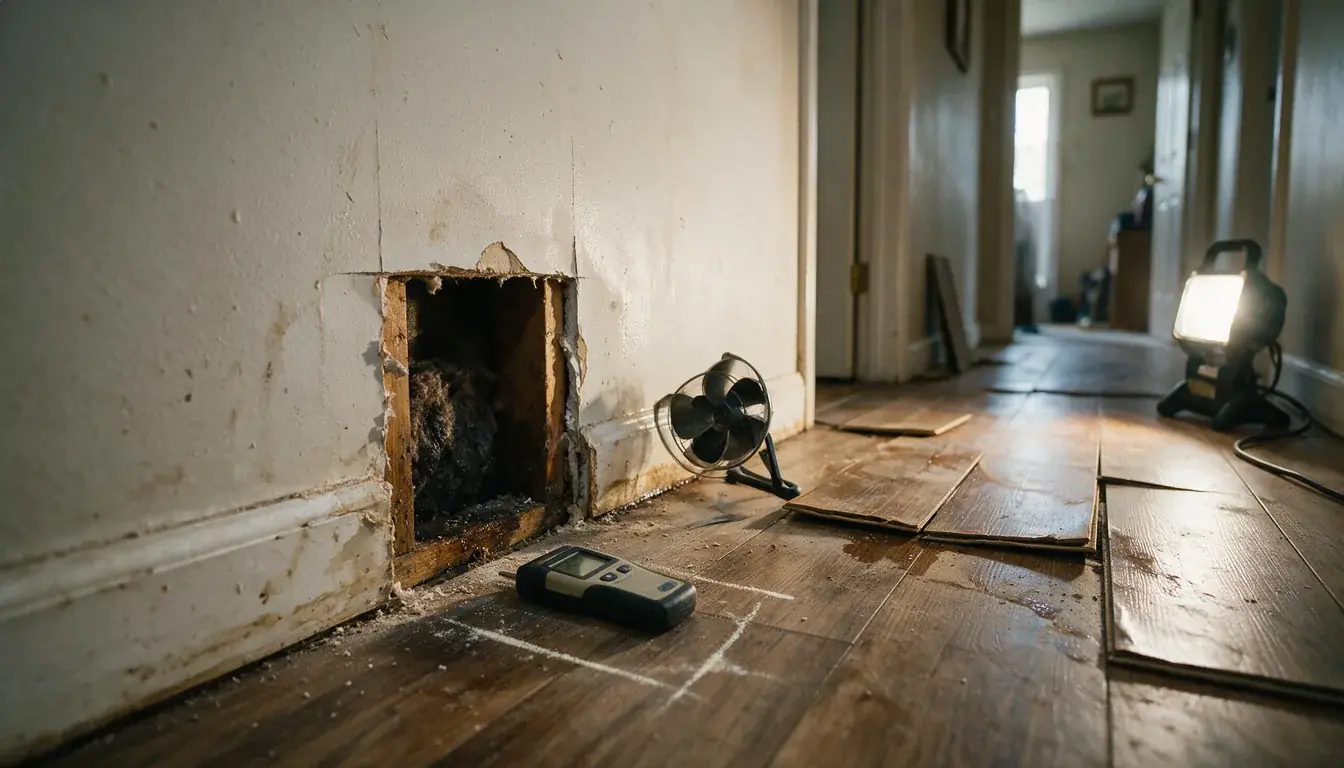
Soft, slightly acidic water in Brooklyn is corrosive to copper pipe and solder joints — the opposite failure pattern from hard-water markets. Pinhole failure at fittings and elbows is the dominant non-emergency repair category. Anode rods also deplete faster in soft water, shortening effective tank life without timely replacement.
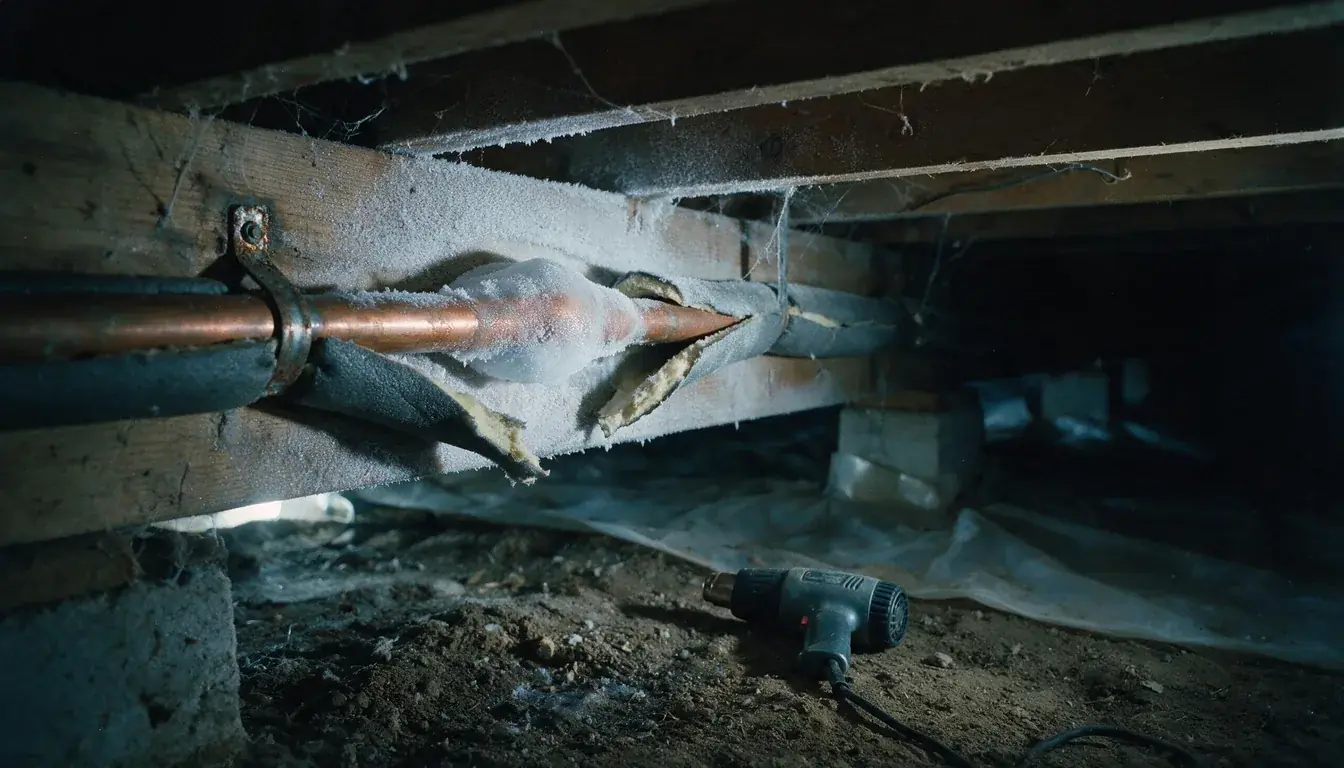
The primary surge in Brooklyn runs January–March, with a secondary wave at the spring thaw — when pipes that held through the freeze rupture as pressure is restored above 32°F. Scheduling competition peaks exactly when emergency calls are highest. Homeowners who wait for visible damage compete for the same limited plumber slots at the worst possible time.
Why diagnose before repairing in Brooklyn?
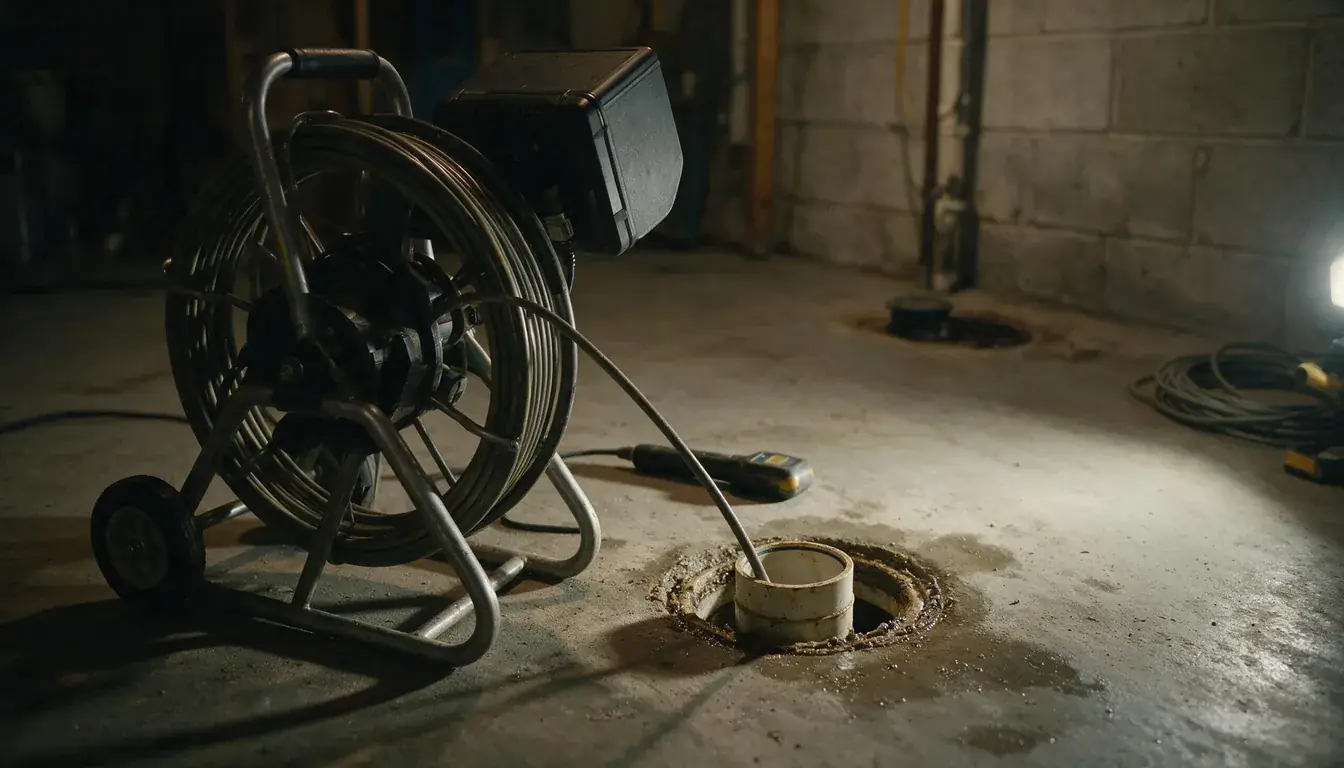
Describe the symptom — not the repair. AlertPlumber routes the call to an independent NY-licensed plumber in its partner's network — ask whether the site visit will use camera tracing, acoustic detection, or hydrostatic pressure testing matched to the reported failure type.
Ask the plumber for a written diagnostic report: confirmed failure location, available repair methods, and tradeoffs — disruption level, material durability, long-term cost, and whether a Brooklyn building permit applies to the selected method.
You select the repair path. Ask for a fixed scope and price on the authorized method before the New York-licensed plumber proceeds and, where required, who files the permit application to Brooklyn.
Slab Leak Repair cost calculator — Brooklyn
Pre-filled for slab leak repair in Brooklyn. Adjust the ZIP for a neighboring area, or change the service to compare. Calculator pulls from the city's scraped permit-fee + state plumber-density data.
Slab Leak Repair emergency in Brooklyn?
Every hour without a repair increases structural risk and remediation cost. Calls connect to independent local plumbers in our partner's network — ask for an arrival time and a written estimate.
What else do people ask about slab leak repair in Brooklyn?
Are slab leaks common in Brooklyn brownstones?
No — slab leaks are RARE in Brooklyn. The standard Brooklyn brownstone, tenement, and row-house construction (1820s-1920s, dominating Park Slope, Brooklyn Heights, Carroll Gardens, Prospect Heights, and Bed-Stuy) is cellar-on-rubble-stone-foundation, not slab-on-grade. Pipes run inside cellar joists or chase walls, not embedded in concrete. The two exceptions where slab leaks DO appear in Brooklyn: modern post-2000 Williamsburg post-industrial warehouse-to-condo conversions with slab-on-grade ground-floor units, and rare cellar-conversion projects in Park Slope where the original cellar floor was poured over as habitable space.
What does slab leak repair cost in Brooklyn, NY?
For the limited Brooklyn housing where slab leaks actually occur, repair typically runs a scope-based price for spot repair of a single pinhole leak, a scope-based price for full repipe overhead, and a scope-based price for a Williamsburg warehouse-conversion full-floor slab investigation and repair. Pricing reflects the NYC DOB permit floor plus the labor premium for jackhammer access in finished post-industrial space. Price ranges: slab leak repair cost guide.
Do Williamsburg post-industrial conversions get slab leaks?
Yes — Williamsburg has a meaningful inventory of 1880s-1920s warehouses converted to residential condos post-2000, and many of those conversions poured a new slab over the original wood-floor or freight-floor structure. Supply lines embedded in or under that new slab can develop pinhole leaks, especially where the 2 gpg soft Catskill+Delaware watershed water has aggressive chemistry on copper at scale-thinned points. Acoustic and pressure-test detection identifies the actual leak location before any jackhammer work.
Can a Park Slope cellar conversion develop a slab leak?
Possibly. Park Slope brownstone cellars sometimes get converted to habitable space (legal ground-floor apartments, recreation rooms, or au-pair suites) with a new poured slab over the original cellar floor. If supply lines were routed under that new pour, the same pinhole-leak risk applies as in any slab-on-grade home. This is a small fraction of the brownstone belt — original 1880s row-house construction is cellar-on-stone, not slab.
How does Brooklyn's soft water affect slab leak risk?
NYC delivers 2 gpg very soft water from the Catskill and Delaware watershed via the Hillview Reservoir aqueduct system. Soft water is mildly aggressive on copper and accelerates pinhole-leak development at constriction points — the opposite of hard-water cities where scale clogs pipes. For the limited Brooklyn slab-equipped housing (Williamsburg conversions, Park Slope cellar conversions), the soft-water aggressive-chemistry profile shortens copper service life modestly relative to a hard-water market.
How does slab leak detection work in a Williamsburg loft?
For a Williamsburg post-industrial warehouse-conversion ground-floor loft, detection combines acoustic correlator listening (placed on the slab face at multiple points to triangulate the leak hiss), infrared thermal imaging (a leak shows as a warm or cool spot depending on water temperature versus slab temperature), and pressure testing the supply system to confirm flow loss when isolation valves are closed. Detection avoids speculative jackhammer cuts in finished concrete floors and exposed-brick interiors.
Do I need a permit for slab leak repair in Brooklyn?
Yes for repair work. NYC DOB plumbing permit is required when work touches supply piping. Only a NYC DOB Verified Master Plumber can pull it (~2,400 active citywide). For Williamsburg condo-conversion buildings, board approval and HOA notification are typically required before slab cutting. Brooklyn Heights and Park Slope landmark-district addresses add Landmarks review for any exterior visible work. Permit fee ranges: permit fee estimator.
Should I repipe instead of repair my Williamsburg slab leak?
If a Williamsburg post-industrial conversion has had two or more pinhole leaks in different slab locations within 3-5 years, overhead repipe is usually the right call — exposed-ceiling industrial-loft aesthetic actually makes overhead PEX or copper repipe practical and visually acceptable. Spot-repair of a single first-time pinhole is reasonable. A third leak almost always means systemic supply-line failure and overhead repipe pays back faster than chasing successive slab cuts.
Will Brooklyn condo or co-op insurance cover slab leak repair?
Coverage varies. Standard HO-6 condo and co-op policies typically cover water damage from a slab leak but not the leak repair itself. Some carriers offer service-line endorsements that include in-unit supply lines. Williamsburg condo master policies usually cover concealed pipe in common-area slab. Read both your HO-6 and the building master before slab cutting — coordination affects what's reimbursed. Document the detection process; carriers want acoustic and thermal records.
How long does slab leak repair take in a Brooklyn conversion?
For a Williamsburg post-industrial loft single spot-repair, total time runs 6-10 hours including detection, slab cut, pipe repair, pressure test, and concrete patch. Multi-leak investigations or whole-unit repipe (overhead) on a 1,200-1,800 sqft loft run 2-4 days. Park Slope cellar-conversion slab repair runs similar to single-leak Williamsburg timing. The NYC DOB Master Plumber gives a firm window after the on-site scope.
How do I check the license of a plumber in Brooklyn?
Yes. Every plumber reached through AlertPlumber in Brooklyn holds an active NYC DOB Master Plumber credential — required for any permit-pull work in Kings County. AlertPlumber verifies the credential against the DOB roster (~2,400 active citywide). NYC plumbing is city-credentialed, not state. Slab leak work in finished Williamsburg conversion units especially benefits from a DOB-independent plumber who handles co-op or condo board paperwork as part of the job.
Does AlertPlumber cover slab leak repair across Brooklyn?
Yes, in the limited Brooklyn housing types where slab leaks actually occur — Williamsburg, DUMBO, and Gowanus post-industrial conversions, plus cellar-conversion units in Park Slope, Carroll Gardens, and Prospect Heights. For original cellar-on-stone-foundation brownstones (the vast majority of the borough's row-house stock), pipe runs aren't under slab and the failure mode is different. The AlertPlumber intake form routes by housing type and access conditions, not just ZIP.
One call puts your problem in front of a local plumber.
Call the number, or put your number in the form below — the request goes to an independent New York plumber in our partner's network; ask about the slab leak repair and for a written estimate.
Need a slab leak repair callback in Brooklyn?
In a meeting, with the kids, or just prefer not to call? Drop your ZIP and number below. AlertPlumber sends your request to our routing partner — if a participating plumber serves your area, they may call you back directly. For anything urgent, call the number on this page.
- 1 Submit your info. ZIP, phone, and what kind of work you need.
- 2 AlertPlumber passes it on to our routing partner for your area.
- 3 If a participating plumber serves your area, they may call you back. Ask for a written estimate before work starts.
Slab Leak Repair in Brooklyn — when to call
Acute plumbing failures cannot wait. AlertPlumber routes calls about slab leak repair in Brooklyn to independent New York plumbers in our partner's network — call now or submit the form above for a callback.