
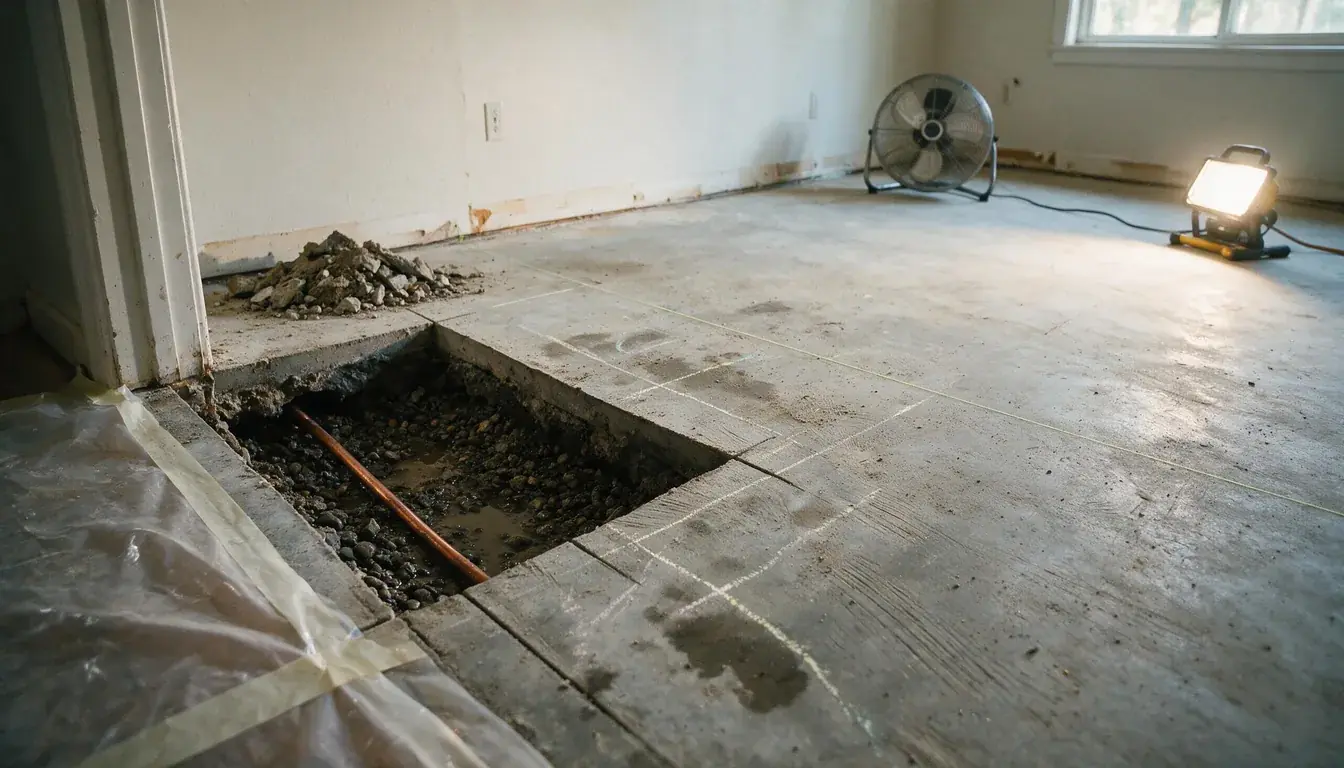
Emergency Slab Leak Repair in Dallas, Texas
Slab Leak Repair in Dallas, Texas detects and repairs leaks in pipes beneath the concrete slab foundation. Local conditions in Dallas: water measured at 11, a 6 frost line and a median home age of 49 years.
Camera first, quote second — know exactly what's wrong in your Dallas home before you approve a dollar.
Who do I call for a slab leak in Dallas?
A plumber who does leak detection and slab leak repair. In Dallas, as anywhere, ask whether they locate the leak with detection equipment before any concrete is opened. It is urgent when water is coming up through the floor or the leak is near electrical outlets or appliances.
What does the local plumbing data show for Dallas, TX?
Seeing these conditions at your place in Dallas? Describe them on the call to a state-licensed local plumber — free, no obligation.
What are the pipe conditions in Dallas, TX?
Slab leaks form when copper supply lines embedded in the concrete foundation develop pinholes from electrochemical corrosion, high-velocity water erosion, or slab movement. Dallas homes built during the 1960s–1980s on post-tensioned slabs face the highest slab-leak risk — copper installed at original construction is approaching or past the 50-year corrosion window. Early signs include warm or wet spots on the floor, unexplained water bill spikes, and the sound of running water when all fixtures are closed. AlertPlumber routes your call to an independent Texas-licensed plumber — ask for acoustic leak location before any slab cutting begins.
Dallas's housing stock spans multiple construction eras — median home age 49 years — meaning pipe materials and failure modes vary significantly by neighborhood and building vintage. An inspection-led approach that confirms pipe material before recommending a service path is standard practice for mixed housing profiles. Homes of other eras in Dallas may have galvanized pipe, copper pipe or polybutylene supply lines instead; ask the plumber which your home has.
Hard water in Dallas accelerates scale buildup inside water heater tanks, on heating elements, and at fixture connections. Sediment accumulation in tank heaters reduces efficiency and shortens element life; visible deposits at aerators and showerheads are an early indicator. Ask a licensed plumber to assess whether a water softener or conditioner is appropriate for the home's service configuration.
Frost line depth in Dallas means supply lines and outdoor plumbing must be installed below the freeze threshold — typically 6 — to prevent pipe burst during cold events. Exterior hose bibs, irrigation shutoffs, and any exposed pipe runs are the most common winterization service points in freeze-risk markets.
- Median home age
- 49 yrs
- Water hardness
- 11 gpg
- Frost line
- 6 in.
- Permit
- City fee schedule
Census housing age, Dallas city, Texas: median year built 1981; 21.6% of homes built before 1960, 48.1% before 1980. Source: U.S. Census Bureau, ACS 2020–2024 5-year estimates, tables B25034 and B25035, read 2026-09-30.
Mention these conditions when you describe the symptom to the TX plumber you reach.
What local infrastructure shapes Slab Leak Repair in Dallas?
Dallas slab-leak repair carries a geology driver not present in most coastal markets: the Blackland Prairie expansive clay underlying the Dallas-Fort Worth basin shrinks and swells with seasonal moisture cycles, creating horizontal soil movement that transmits differential stress to slab-embedded copper supply lines. Post-war Dallas residential construction from the 1960s through the 1980s — concentrated in Oak Cliff, Lake Highlands, and the inner North Dallas corridors — placed copper supply directly in slabs poured over clay subgrade with no protection against the documented 2-to-4-inch vertical slab movement this soil produces.
Trinity River Corridor supply to Dallas distribution runs at approximately 11 grains per gallon — hard enough to drive interior copper pitting at a pace that compounds the clay-movement stress mechanism. A 49-year copper-slab installation subject to both hard-water interior corrosion and seasonal clay-driven joint stress reaches failure faster than comparable homes on stable soil with the same water chemistry. The convergence of both mechanisms makes Dallas post-war slab copper one of the higher-risk combinations in the mid-continent market.
The permit covers investigation and repair documentation. Pre-access detection pinpoints the failure zone. With 27,810 state-credentialed plumbing contractors in the Texas market, scheduling constraints are minimal. Above-slab rerouting removes the supply line from both the clay-movement zone and the hard-water corrosion environment. Permit fee ranges: permit fee estimator.
What shapes plumbing demand in Dallas, TX?
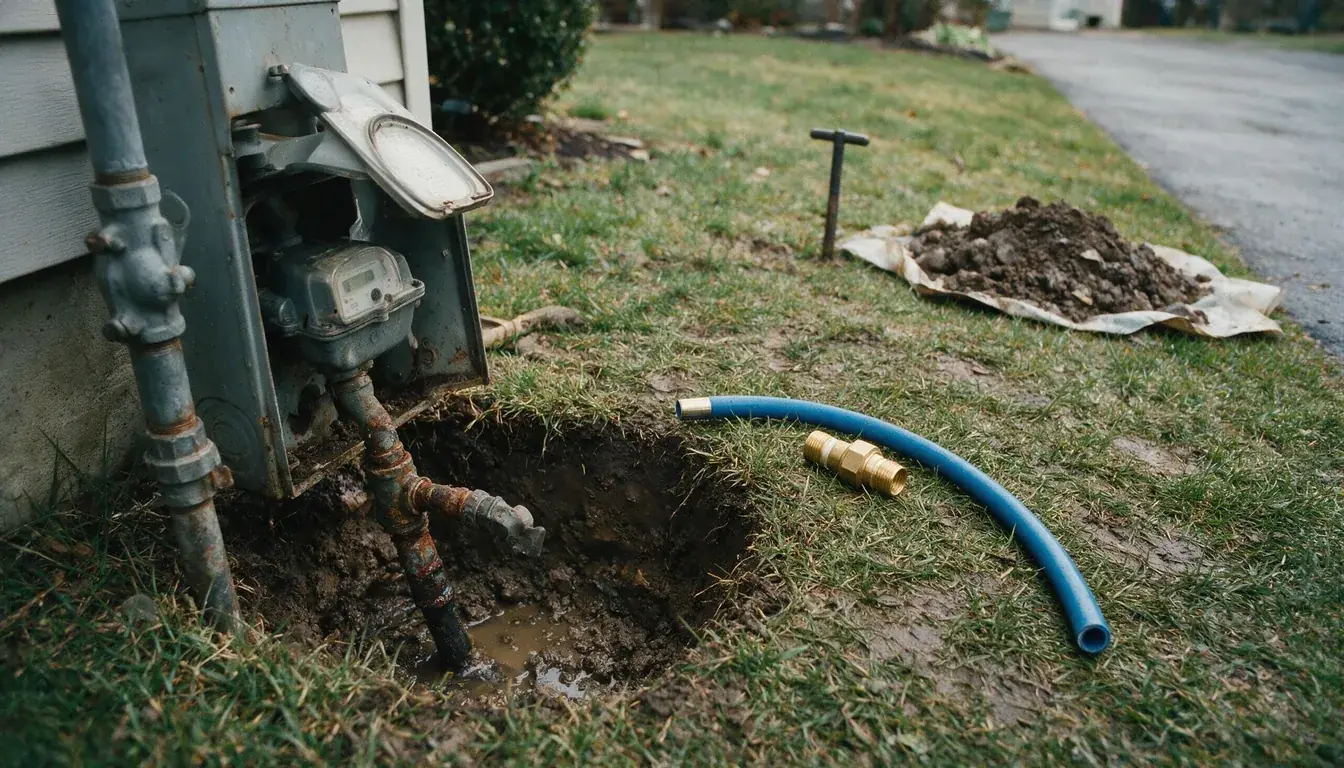
1950s–70s copper supply is now 50–70 years into its service cycle in Dallas. Thermal fatigue at fittings and slab-on-grade access complexity — common in Sun Belt construction — make repair vs. replacement a live decision on most jobs. This housing cohort is the active primary replacement wave in this market.
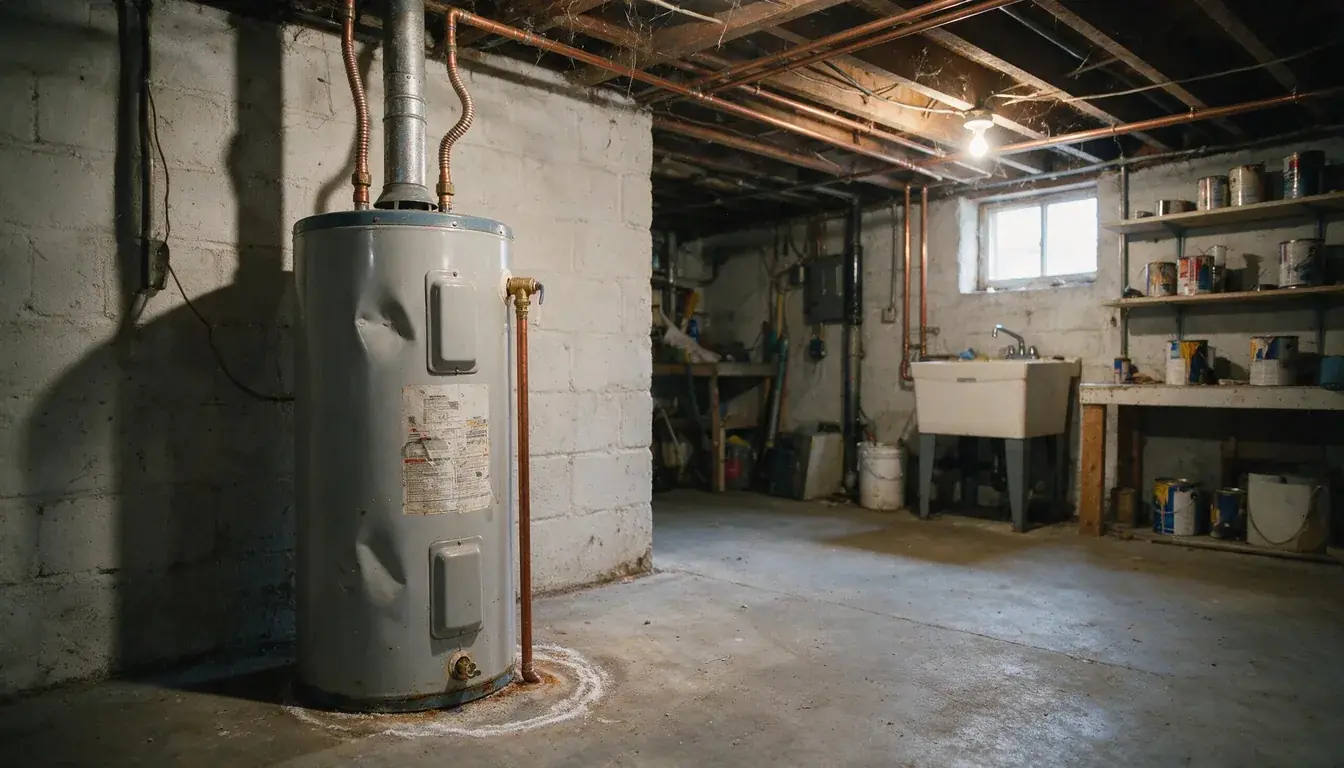
8–14 GPG shortens water heater service life to 8–11 years in Dallas and drives rolling maintenance demand at aerators, shower cartridges, and heat exchanger ports. Annual flushing prevents premature failure; skipped maintenance cycles push units toward early replacement. Scale-related calls represent a significant share of the annual service workload here.
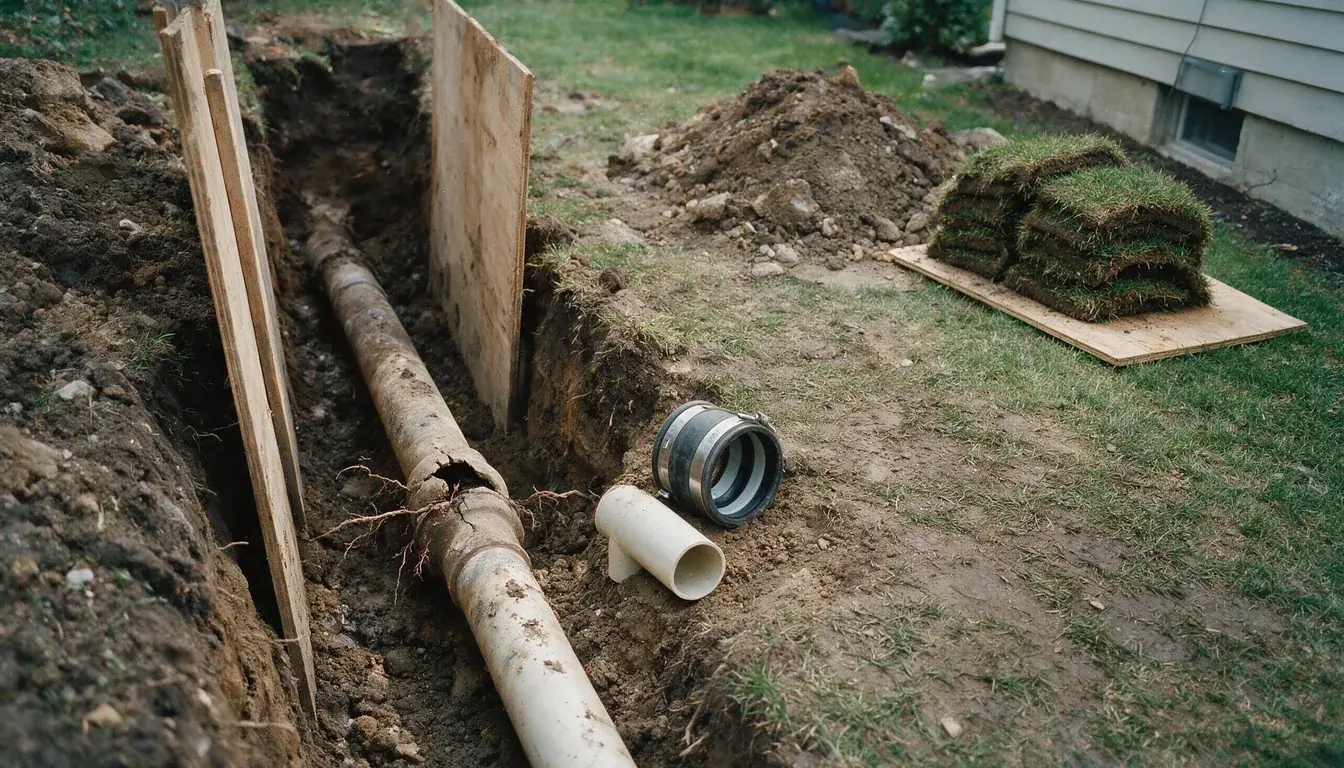
Drain and sewer line health drives the primary maintenance workload in Dallas: high groundwater tables stress lateral joints and root intrusion accelerates in warm soil. AC condensate drainage adds a recurring summer category. Drain slowdowns that homeowners defer tend to surface as full blockages during the wet season when groundwater pressure compounds the obstruction.
Why diagnose before repairing in Dallas?
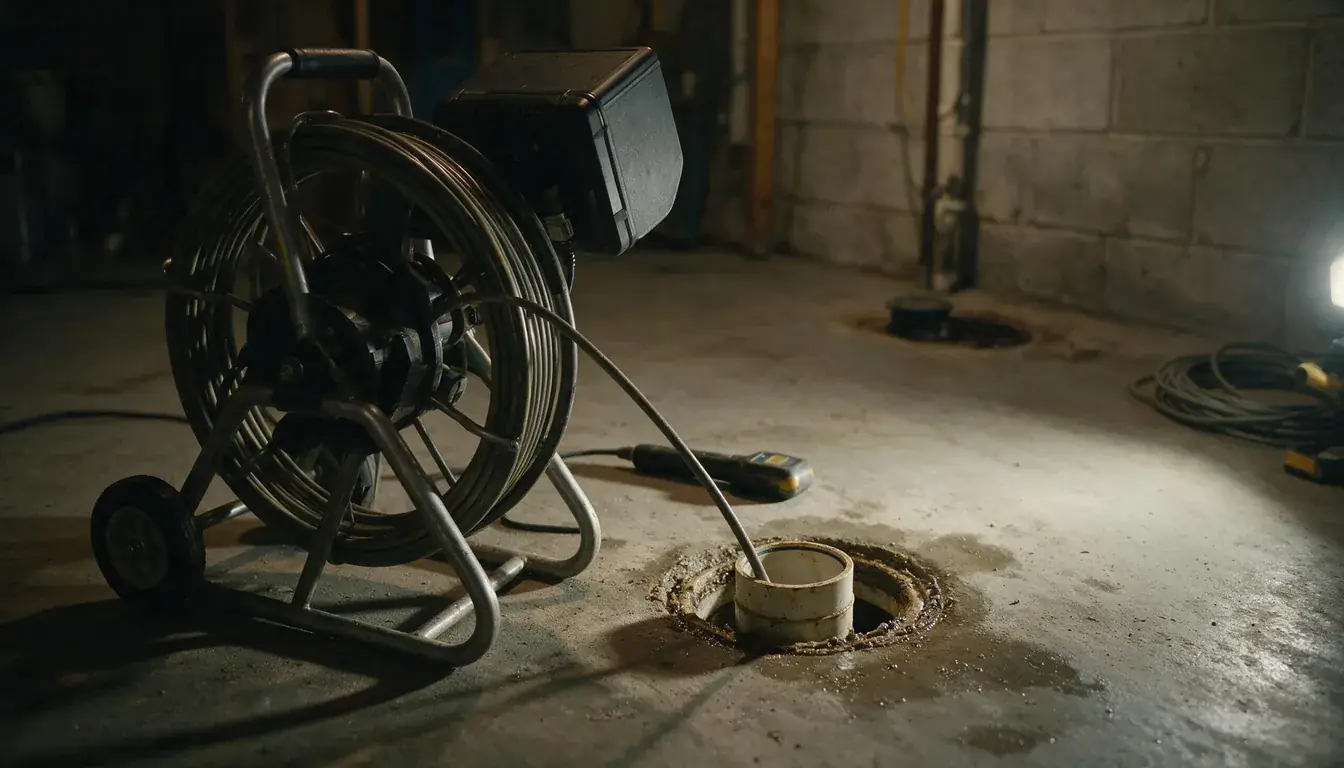
Describe the symptom — not the repair. AlertPlumber routes the call to an independent TX-licensed plumber in its partner's network — ask whether the site visit will use camera tracing, acoustic detection, or hydrostatic pressure testing matched to the reported failure type.
Ask the plumber for a written diagnostic report: confirmed failure location, available repair methods, and tradeoffs — disruption level, material durability, long-term cost, and whether a Dallas building permit applies to the selected method.
You select the repair path. Ask for a fixed scope and price on the authorized method before the Texas-licensed plumber proceeds and, where required, who files the permit application to Dallas.
Slab Leak Repair cost calculator — Dallas
Pre-filled for slab leak repair in Dallas. Adjust the ZIP for a neighboring area, or change the service to compare. Calculator pulls from the city's scraped permit-fee + state plumber-density data.

Slab Leak Repair emergency in Dallas?
Every hour without a repair increases structural risk and remediation cost. Calls connect to independent local plumbers in our partner's network — ask for an arrival time and a written estimate.
What else do people ask about slab leak repair in Dallas?
How is a slab leak detected without tearing up the entire floor?
Acoustic leak detection presses sensitive microphones against the slab surface to listen for the unique frequency of water escaping under pressure. Electronic detection measures electrical resistivity changes in the concrete over a wet pipe. Thermal imaging identifies surface temperature differentials where a hot-water or cold-water leak transfers through the slab. Helium tracer gas — the most precise method — fills the pipe under low pressure and sniffs for escape points above the surface. The plumber chooses based on pipe type, slab thickness, and floor covering.
What causes slab leaks in residential homes?
Hard-water chemistry attacks copper pipe from the outside — mineral deposits concentrate corrosive chemistry at the pipe-slab contact point, forming pinhole leaks over years. Soft water attacks copper from the inside via aggressive dissolved CO₂. Seismic ground movement and soil settlement crack both copper and PEX-A pipes under the slab. High-velocity water hammer in high-pressure supply lines fatigues pipe walls over time. The geography determines which mechanism dominates: hard-water slab leaks are most common in Phoenix, Las Vegas, and parts of southern California and Texas.
Should I do a slab reroute or open the slab for a spot repair?
Spot repair opens a targeted 2–4 square foot section of slab, replaces the failed pipe section, and patches the concrete — a scope-based price. A full reroute runs entirely new pipe through walls and ceiling, bypassing all under-slab plumbing permanently — a scope-based price. Rerouting costs more upfront but eliminates future slab leak risk in aging copper. For homes with pre-1980 copper under the slab in a hard-water market, rerouting is often the better long-term investment: one reroute is typically less expensive than 3–4 future spot repairs. Price ranges: slab leak repair cost guide.
How does a slab leak show up in a Dallas home before it becomes obvious?
Early signs include: unexplained water bill increases of 15–25% without a usage change, carpet or hardwood that feels warm or damp in one localized area (hot-water leak), persistent mildew smell in a ground-floor room, and a water meter that continues turning 30 minutes after all fixtures are shut off. Tile grout line discoloration and small foundation cracks are later-stage indicators. The earlier the detection, the lower the remediation cost — moisture behind the slab can reach structural wood framing and drywall within weeks of a significant leak.
Does homeowners insurance cover slab leak repair?
The resulting damage (damaged flooring, wet drywall, mold remediation) is typically covered under the "sudden and accidental" clause in standard HO-3 policies, subject to your deductible. The pipe repair itself is almost never covered — it's considered maintenance. Long-running undetected leaks may be denied as gradual deterioration if the insurer argues you should have noticed earlier. Document when you first observed symptoms and call a plumber promptly — a prompt service call creates a record that the leak was addressed immediately.
How does Dallas's water hardness (11) affect slab leak repair?
Dallas water hardness of 11 is in the hard range, where scale builds up quickly inside water heaters, tankless units, and pipes. A whole-home water softener pays for itself through extended appliance life in this hardness range. Tankless water heaters in this market need descaling every 18–24 months to maintain warranty compliance and efficiency.
How does Dallas's median home age (49 years) affect slab leak repair pricing?
Census data (American Community Survey) puts Dallas's median home age at 49 years. Age alone does not tell you what pipes a particular home has. Older homes may still have galvanized pipe, cast-iron drains or Orangeburg sewer laterals; homes built from the late 1970s to the mid-1990s may have polybutylene supply lines; and many homes of every age have been partly or fully repiped with copper pipe or PEX since. Ask the plumber what pipe materials your home has and whether they change the scope or the price of the job — a pipe material check is a reasonable part of a diagnostic visit.
What's the seasonal plumbing risk profile for slab leak repair in Dallas?
Expansive North TX clay soil cycles between drought + flood — slab heave drives the highest slab-leak rate of any US metro. Hard water (~10–15 gpg) accelerates pinhole corrosion in 1960s–80s copper. Brief winter freezes (Feb 2021 catastrophe) catch unwrapped exterior pipes. Understanding the local call pattern helps set realistic expectations for plumber availability and response time during peak periods — during high-demand weeks, advance scheduling is advisable for non-emergency work.
What affects the cost of slab leak repair in Dallas, TX?
Slab thickness and aggregate hardness, detection method (acoustic vs. tracer gas), and whether the repair uses direct slab access or a wall-reroute are the main cost branches. Tunneling under the foundation avoids interior finish damage but adds significant labor. Repair method is selected after leak location is confirmed and slab composition is assessed. Ask the plumber for a written estimate covering price, scope, and permit requirements before any work begins.
How do I check a plumber's license in Texas?
AlertPlumber does not license, vet or employ plumbers; calls are connected to independent local plumbers in our partner's network. Before work begins, ask the plumber for their Texas license number and look it up on the Texas licensing board's public database — it shows current standing, including any recent disciplinary actions, renewals, or lapses. Bonding, liability-coverage and continuing-education rules vary by state; ask for proof of insurance as well.
Does AlertPlumber charge a fee for connecting me with a plumber in Dallas?
AlertPlumber does not charge homeowners. AlertPlumber is paid a referral fee by its routing partner for qualifying calls — it is not an added charge to you. Ask the plumber for a written price before any work begins; if the quote doesn't fit your situation, you can decline at any point.
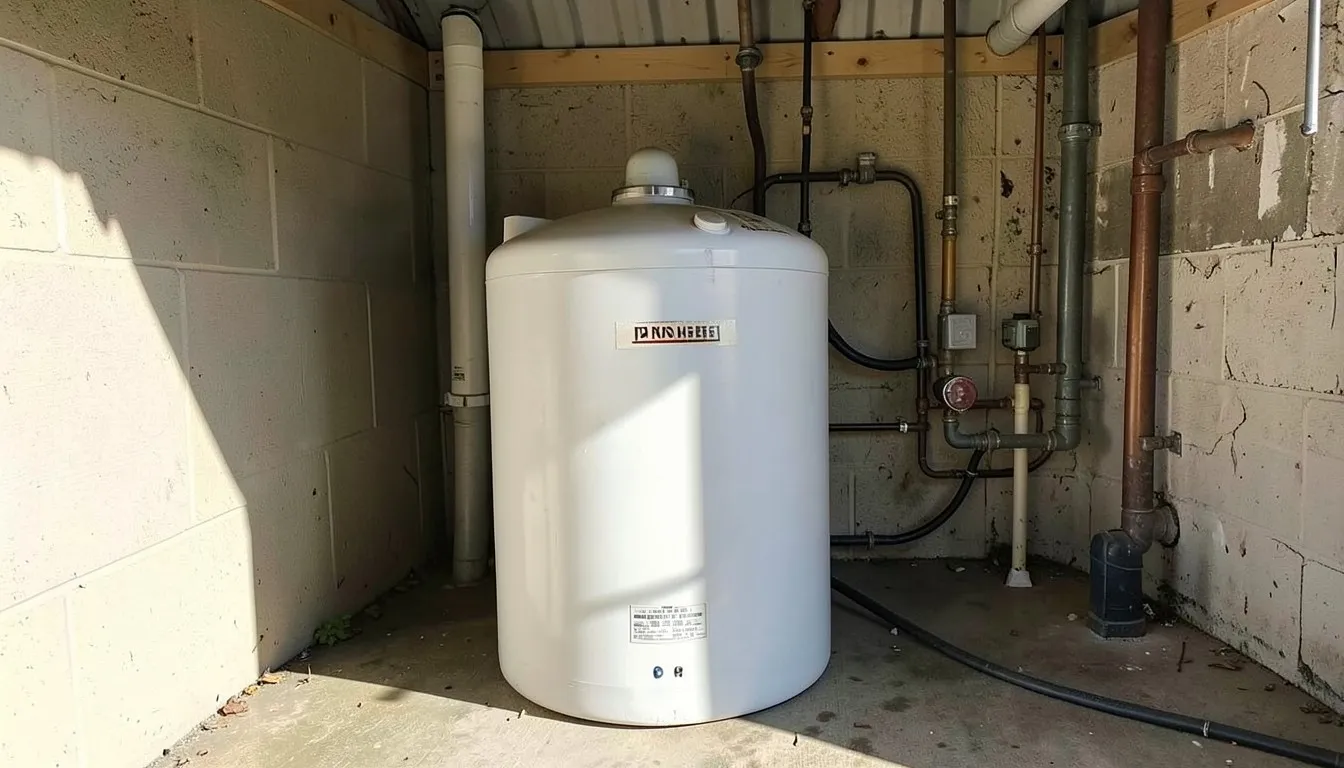
One call puts your problem in front of a local plumber.
Call the number, or put your number in the form below — the request goes to an independent Texas plumber in our partner's network; ask about the slab leak repair and for a written estimate.

Need a slab leak repair callback in Dallas?
In a meeting, with the kids, or just prefer not to call? Drop your ZIP and number below. AlertPlumber sends your request to our routing partner — if a participating plumber serves your area, they may call you back directly. For anything urgent, call the number on this page.
- 1 Submit your info. ZIP, phone, and what kind of work you need.
- 2 AlertPlumber passes it on to our routing partner for your area.
- 3 If a participating plumber serves your area, they may call you back. Ask for a written estimate before work starts.
Slab Leak Repair in Dallas — when to call
Acute plumbing failures cannot wait. AlertPlumber routes calls about slab leak repair in Dallas to independent Texas plumbers in our partner's network — call now or submit the form above for a callback.