
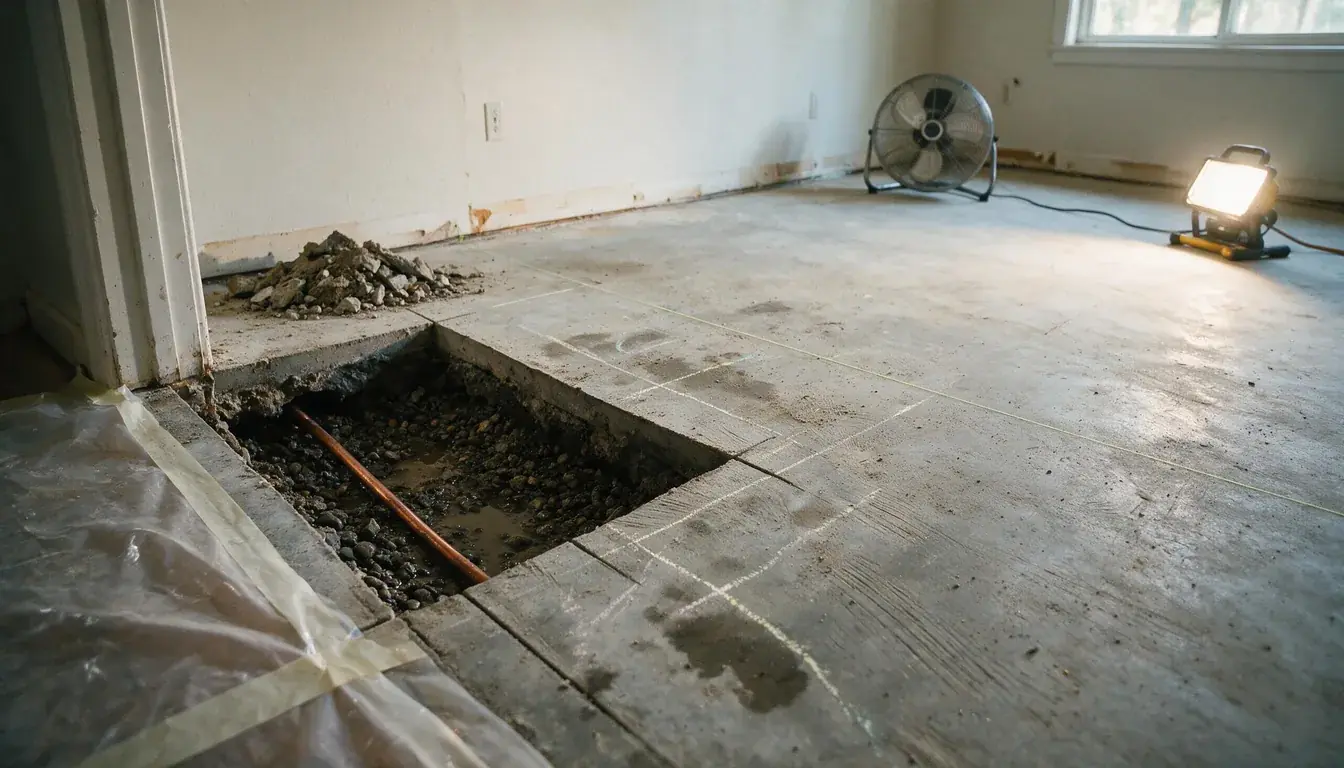
Emergency Slab Leak Repair in Grand Rapids, Michigan
Slab Leak Repair in Grand Rapids, Michigan detects and repairs leaks in pipes beneath the concrete slab foundation. Local conditions in Grand Rapids: water measured at 12 gpg, a 18 in frost line and a median home age of 73 years.
Camera first, quote second — know exactly what's wrong in your Grand Rapids home before you approve a dollar.
Who do I call for a slab leak in Grand Rapids?
A plumber who does leak detection and slab leak repair. In Grand Rapids, as anywhere, ask whether they locate the leak with detection equipment before any concrete is opened. It is urgent when water is coming up through the floor or the leak is near electrical outlets or appliances.
What does the local plumbing data show for Grand Rapids, MI?
Seeing these conditions at your place in Grand Rapids? Describe them on the call to a state-licensed local plumber — free, no obligation.
What are the pipe conditions in Grand Rapids, MI?
Slab leaks form when copper supply lines embedded in the concrete foundation develop pinholes from electrochemical corrosion, high-velocity water erosion, or slab movement. Grand Rapids homes built during the 1960s–1980s on post-tensioned slabs face the highest slab-leak risk — copper installed at original construction is approaching or past the 50-year corrosion window. Early signs include warm or wet spots on the floor, unexplained water bill spikes, and the sound of running water when all fixtures are closed. AlertPlumber routes your call to an independent Michigan-licensed plumber — ask for acoustic leak location before any slab cutting begins.
Pre-war housing in Grand Rapids — median home age 73 years — may still carry galvanized steel supply lines installed before the copper era. Galvanized pipe corrodes from the inside out: internal oxidation gradually narrows bore diameter, reduces water pressure, and eventually results in pinhole failure at corroded sections. Inspection confirms whether scale and corrosion warrant section replacement or full repipe. Homes of other eras in Grand Rapids may have copper pipe or polybutylene supply lines instead; ask the plumber which your home has.
Very hard water in Grand Rapids is a primary driver of accelerated appliance failure: water heater anode rods exhaust in 2–3 years instead of 6–8, scale deposits at fixture connections form within months of installation, and tankless heat exchangers accumulate mineral buildup that can reduce lifespan by half without regular descaling. A softener or whole-house conditioner is strongly recommended alongside any appliance service call.
Frost line depth in Grand Rapids means supply lines and outdoor plumbing must be installed below the freeze threshold — typically 18 in — to prevent pipe burst during cold events. Exterior hose bibs, irrigation shutoffs, and any exposed pipe runs are the most common winterization service points in freeze-risk markets.
- Median home age
- 73 yrs
- Water hardness
- 12 gpg
- Frost line
- 18 in
- Permit
- City fee schedule
Census housing age, Grand Rapids city, Michigan: median year built 1953; 59.5% of homes built before 1960, 75.7% before 1980. Source: U.S. Census Bureau, ACS 2020–2024 5-year estimates, tables B25034 and B25035, read 2026-09-30.
Mention these conditions when you describe the symptom to the MI plumber you reach.
What shapes plumbing demand in Grand Rapids, MI?
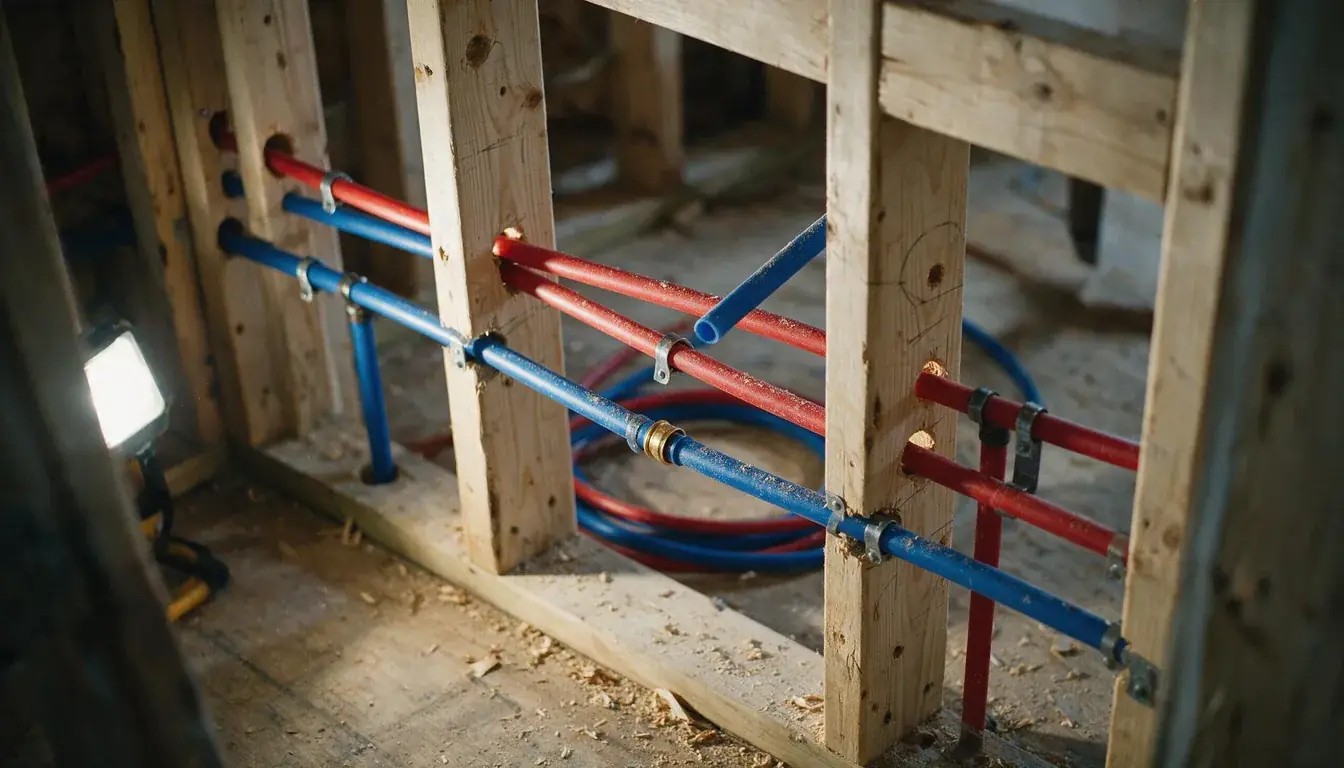
Galvanized supply lines and cast iron drain systems from the 1880s–1940s are past their 40–70-year design life across much of Grand Rapids. Interior rust scale progressively narrows pipe bore. Plumbers here routinely scope supply lines before quoting any repair — the underlying pipe condition often makes full replacement more cost-effective than patching.
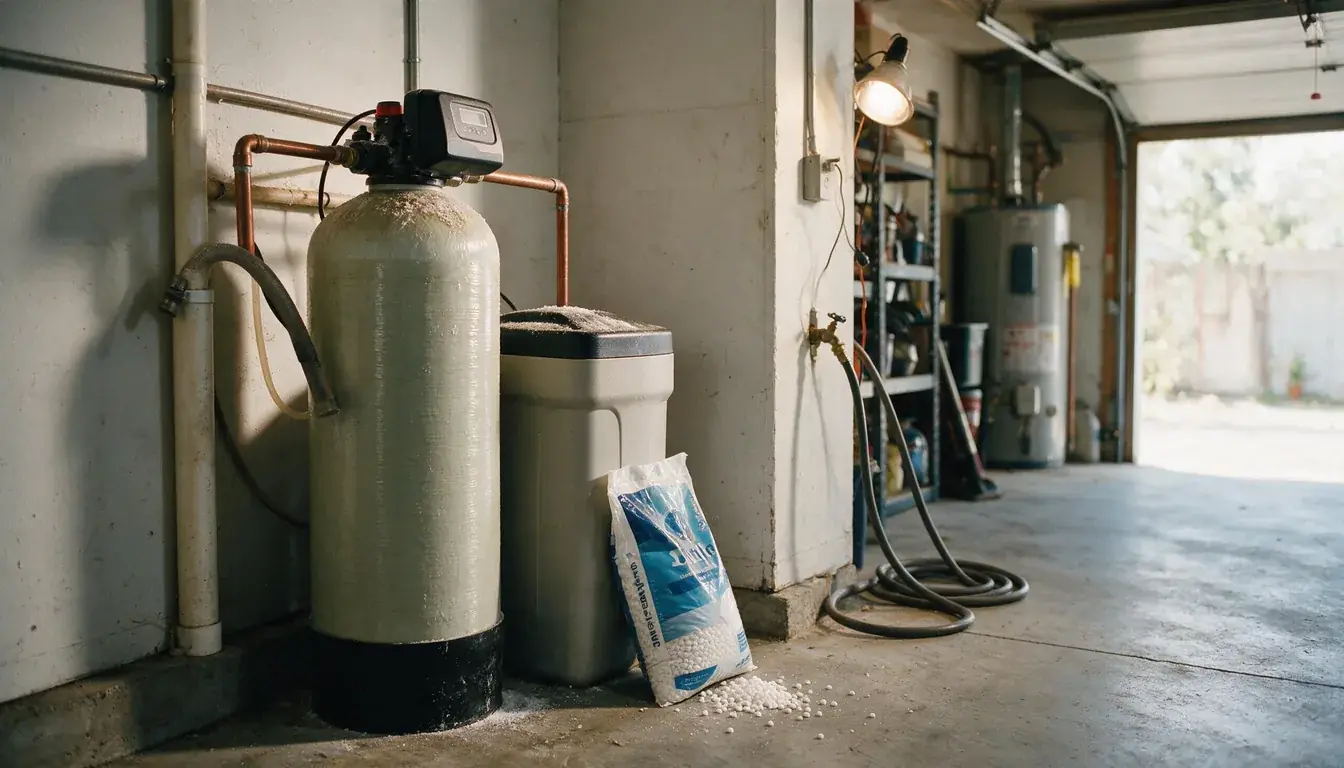
At 15–20+ GPG, calcium scale forces compressed equipment cycles in Grand Rapids: tank heaters average 6–9 years vs. the 10–12-year national benchmark, and tankless units require annual descaling. Anode rods calcify within 12–18 months. Most plumbers here assess heater age against the local scale timeline — not the manufacturer's service life.
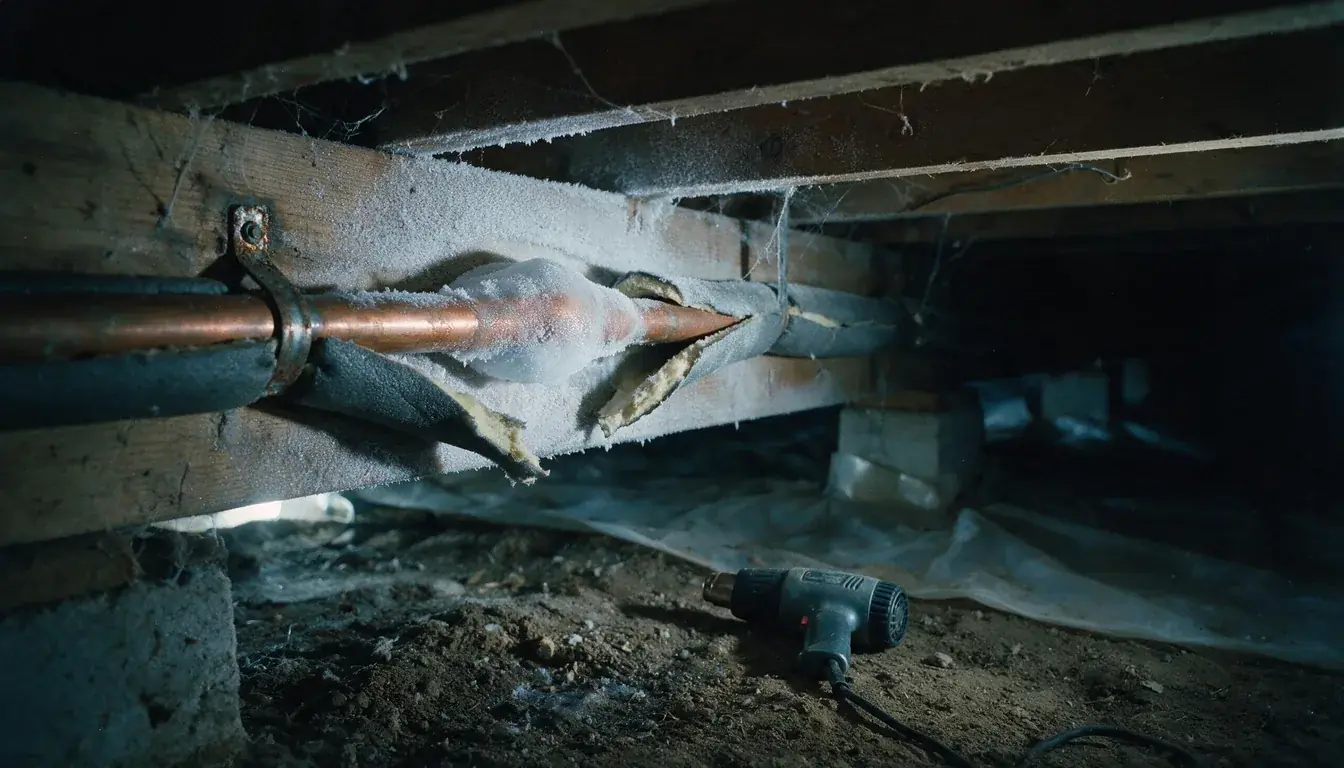
The primary surge in Grand Rapids runs January–March, with a secondary wave at the spring thaw — when pipes that held through the freeze rupture as pressure is restored above 32°F. Scheduling competition peaks exactly when emergency calls are highest. Homeowners who wait for visible damage compete for the same limited plumber slots at the worst possible time.
Why diagnose before repairing in Grand Rapids?
Describe the symptom — not the repair. AlertPlumber routes the call to an independent MI-licensed plumber in its partner's network — ask whether the site visit will use camera tracing, acoustic detection, or hydrostatic pressure testing matched to the reported failure type.
Ask the plumber for a written diagnostic report: confirmed failure location, available repair methods, and tradeoffs — disruption level, material durability, long-term cost, and whether a Grand Rapids building permit applies to the selected method.
You select the repair path. Ask for a fixed scope and price on the authorized method before the Michigan-licensed plumber proceeds and, where required, who files the permit application to Grand Rapids.
Slab Leak Repair cost calculator — Grand Rapids
Pre-filled for slab leak repair in Grand Rapids. Adjust the ZIP for a neighboring area, or change the service to compare. Calculator pulls from the city's scraped permit-fee + state plumber-density data.
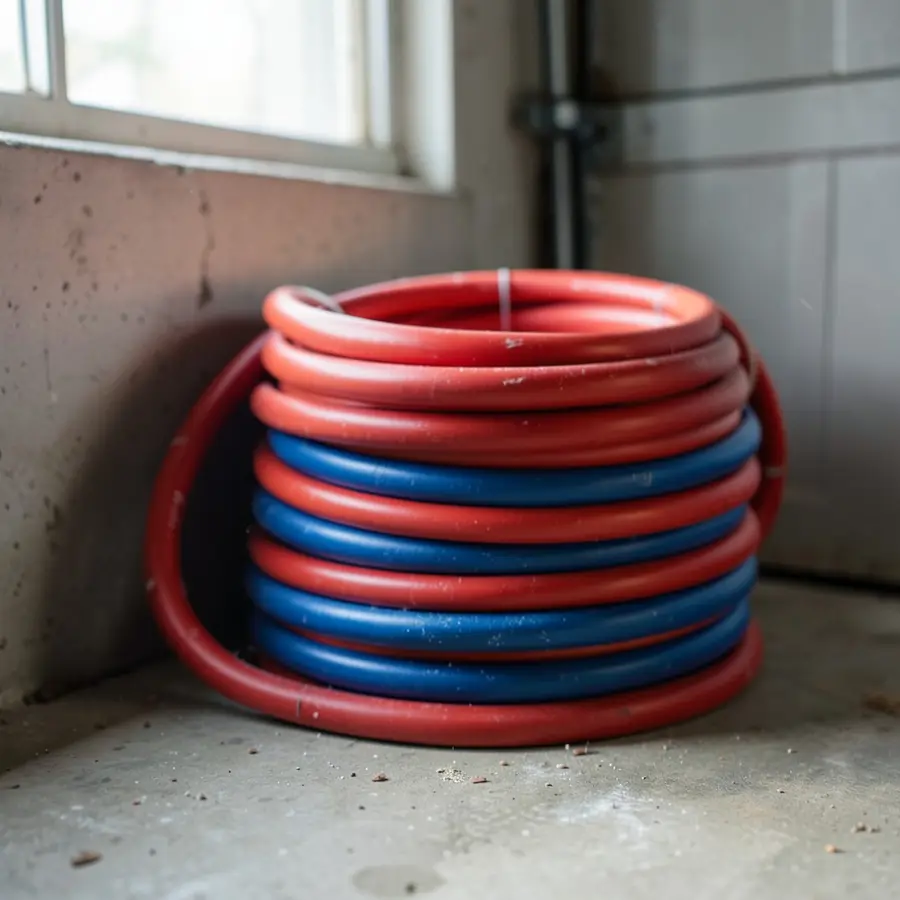
Slab Leak Repair emergency in Grand Rapids?
Every hour without a repair increases structural risk and remediation cost. Calls connect to independent local plumbers in our partner's network — ask for an arrival time and a written estimate.
What else do people ask about slab leak repair in Grand Rapids?
How much does slab leak repair cost in Grand Rapids, MI?
Slab leak repair in Grand Rapids runs roughly 5% below the national average for leak detection plus spot repair. A copper-pinhole repair by reroute above-slab costs a scope-based price; a concrete core-drill-and-repair at the leak point costs a scope-based price; a whole-home repipe that eliminates the slab run costs a scope-based price. Insurance often covers the access and repair — see Q6. Price ranges: slab leak repair cost guide.
How are slab leaks detected in Grand Rapids?
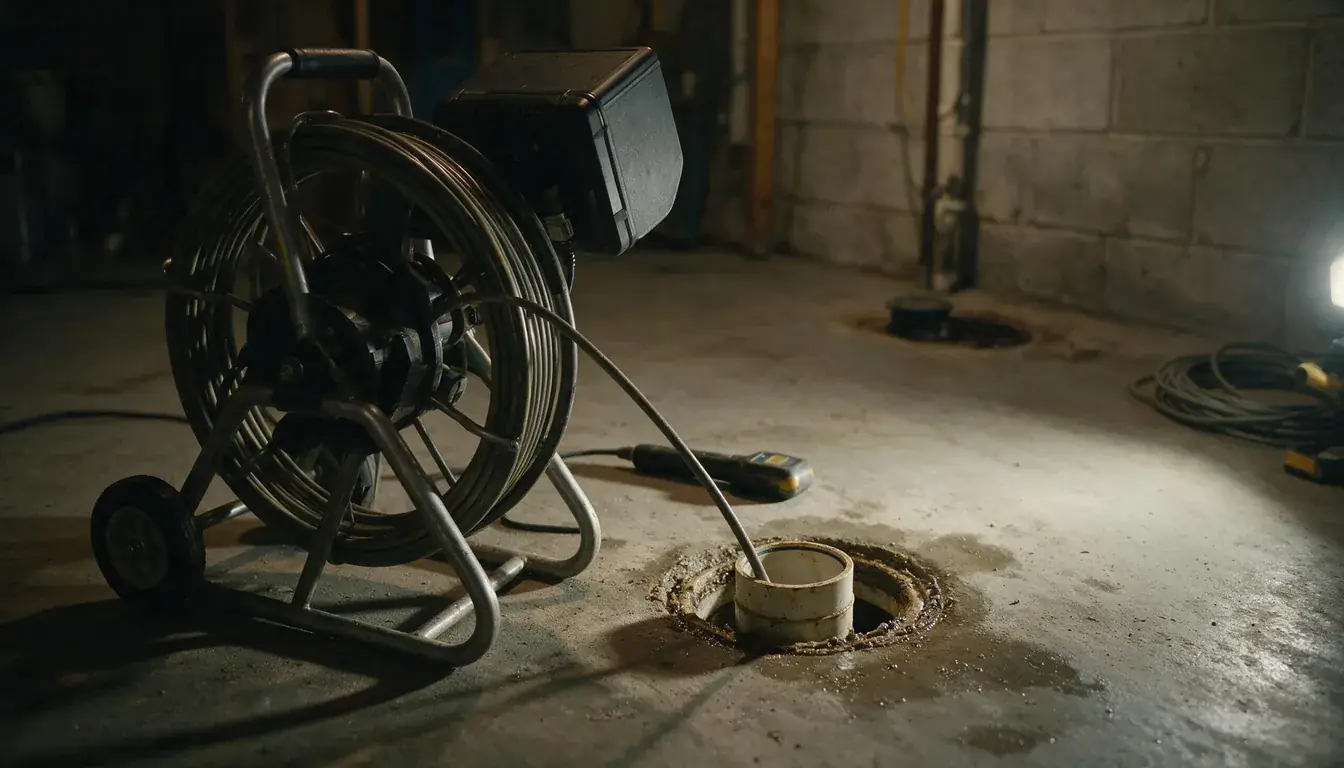
Slab leak detection in Grand Rapids uses acoustic listening equipment to amplify pipe noise through the concrete, thermal imaging cameras to map heat differentials from warm-water leaks, and tracer gas (nitrogen+helium) for cold-water leaks that don't produce thermal signature. The combination typically locates a leak within 6–12 inches of the actual point — accurate enough for a single core drill rather than a long trench. Detection runs a scope-based price in Grand Rapids and is usually separate from the repair quote. Price ranges: slab leak repair cost guide.
What causes slab leaks in Grand Rapids?
Grand Rapids's 12 gpg hard water deposits scale on copper inner walls, reducing water pressure and creating micro-turbulence that accelerates pinhole formation — this is the dominant slab-leak driver in hard-water markets. Seasonal soil movement from Grand Rapids's glacial sandy/clay (west Michigan) shifts the slab slightly, stressing embedded supply line connections over time.
How do I access a slab leak in Grand Rapids — core drill or tunnel?
Core drilling (cutting a 4–8" hole through the concrete at the leak point) is fastest and least disruptive — works when the leak is under an accessible floor area with no tile, hardwood, or critical structure above. Tunneling (hand-digging a crawlspace under the slab) is used when drilling would damage finished flooring or the leak is under a load-bearing element. Above-slab reroute (running a new line through walls and ceiling, bypassing the slab run entirely) is the most disruptive but permanently eliminates the embedded pipe — the right approach for homes with widespread corrosion in the 1930s-70s clay/cast iron supply lines.
Do I need a permit for slab leak repair in Grand Rapids?
Yes — any pipe repair, reroute, or repipe in Grand Rapids requires an MI LARA plumbing permit including a rough-in inspection before concrete is poured back and a final inspection after fixtures are restored. Ask whether the plumber will pull the permit and schedule both inspections on your behalf. Permit fee ranges: permit fee estimator.
Does homeowners insurance cover slab leaks in Grand Rapids?
Standard Michigan homeowners policies typically cover the "access" cost (cutting and patching concrete) and the resulting water damage — but NOT the failed pipe itself. This means your policy may pay for jackhammering, drywall repair, flooring restoration, and mold remediation, while the plumber's repair bill comes out-of-pocket or is subject to a service-line endorsement. Notify your carrier as soon as you suspect a slab leak and document with photos before any work starts to preserve the claim.
How long does slab leak repair take in Grand Rapids?
Detection: 2–4 hours. Core drill access + spot repair: 4–8 hours (often one visit for most single-point leaks). Reroute repair: 1–2 days. Concrete patching after core drilling: 24–48 hours to cure before foot traffic. Flooring restoration (tile, hardwood) is a separate trade and typically takes 1–2 weeks. Most Grand Rapids slab leak repairs restore water service within 24 hours of the plumber's arrival.
Is mold a risk after a slab leak in Grand Rapids?
Yes — a slow slab leak that went undetected for weeks can saturate framing, wall cavities, and flooring with enough moisture to germinate mold within 24–48 hours. Grand Rapids's seasonal humidity accelerates mold growth once moisture is present. After slab repair, professional moisture mapping and structural drying (commercial dehumidifiers + air movers) are strongly recommended before closing the walls — a moisture reading above 16% in wood framing indicates active risk.
Can the matched plumber tell me if the leak is on the hot or cold side?
Yes — and it matters for repair strategy. Hot-side slab leaks cause a warm or wet spot on the floor and show clearly on thermal imaging. Cold-side leaks are often found acoustically or via tracer gas, and they're more common in older Grand Rapids homes where the cold supply runs beneath the slab at lower pressure but higher volume. Hot-side leaks usually point to pinhole copper corrosion; cold-side leaks more often involve joint failures at fitting connections.
How do I check the license of slab leak specialists in MI?
AlertPlumber does not vet plumbers: for slab leak work in Grand Rapids, ask for the MI LARA license number and check it with the state board, and ask whether they carry acoustic + thermal detection equipment. Ask the specialist for camera footage and a written scope-of-work estimate before any concrete cutting begins.
One call puts your problem in front of a local plumber.
Call the number, or put your number in the form below — the request goes to an independent Michigan plumber in our partner's network; ask about the slab leak repair and for a written estimate.
Need a slab leak repair callback in Grand Rapids?
In a meeting, with the kids, or just prefer not to call? Drop your ZIP and number below. AlertPlumber sends your request to our routing partner — if a participating plumber serves your area, they may call you back directly. For anything urgent, call the number on this page.
- 1 Submit your info. ZIP, phone, and what kind of work you need.
- 2 AlertPlumber passes it on to our routing partner for your area.
- 3 If a participating plumber serves your area, they may call you back. Ask for a written estimate before work starts.
Slab Leak Repair in Grand Rapids — when to call
Acute plumbing failures cannot wait. AlertPlumber routes calls about slab leak repair in Grand Rapids to independent Michigan plumbers in our partner's network — call now or submit the form above for a callback.