
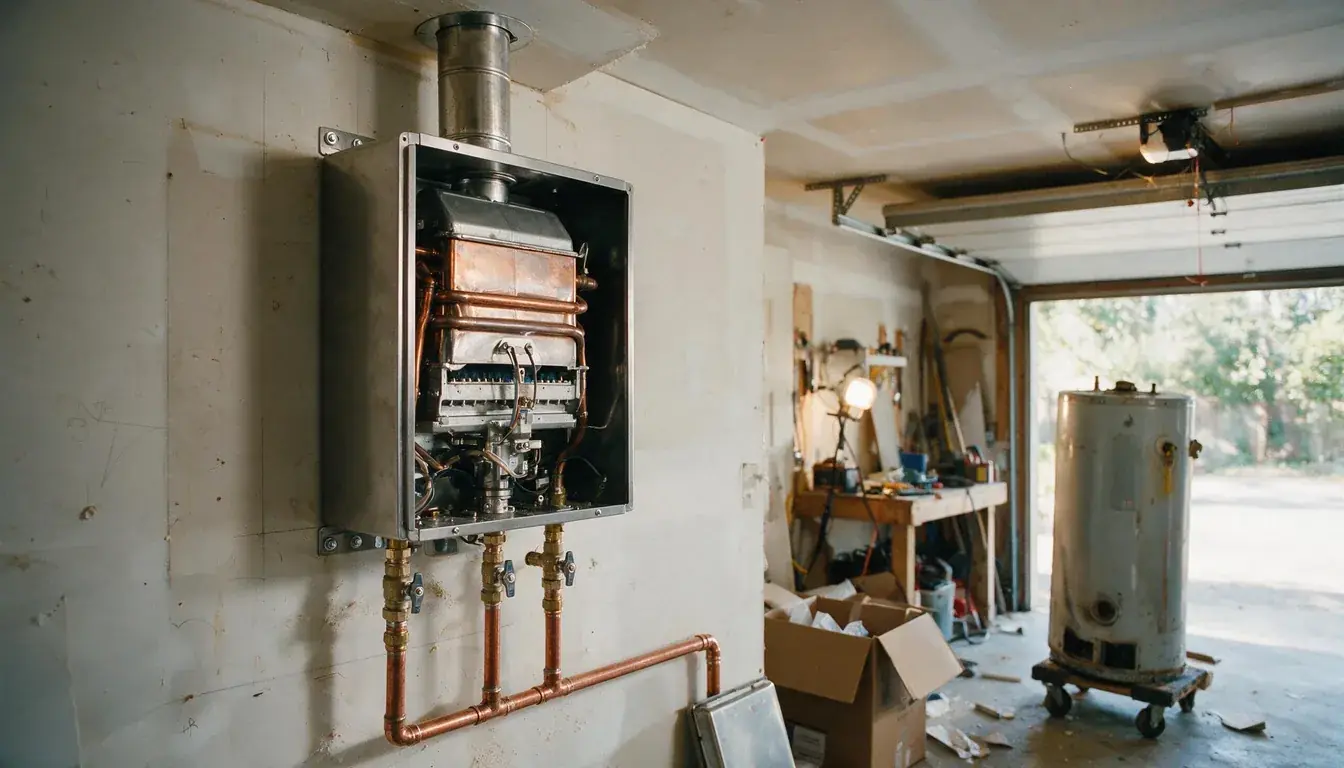
Tankless Water Heater Installation in Cambridge, Massachusetts
Tankless Water Heater Installation in Cambridge, Massachusetts installs gas or electric tankless water heaters with proper venting. Local conditions in Cambridge: water measured at 5 gpg, a 42 in frost line and a median home age of 76 years.
Permitted, inspected, documented — ask for the permit and the license number before Cambridge work starts.
What does the local plumbing data show for Cambridge, MA?
Seeing these conditions at your place in Cambridge? Describe them on the call to a state-licensed local plumber — free, no obligation.
What are the pipe conditions in Cambridge, MA?
Tankless water heater installation in Cambridge requires matching the unit's BTU capacity to the home's peak simultaneous demand — undersized units produce cold sandwiches at full hot draw. Hard water markets require an upstream softener or scale inhibitor to protect the heat exchanger; without it, mineral buildup cuts heat-exchanger life by 30–50%. Gas-powered units need a dedicated large-diameter gas line; electric units require significant electrical panel capacity. AlertPlumber routes your call to an independent Massachusetts-licensed plumber — ask for a load calculation before any unit is specified. Freeze events and frost-depth requirements add pipe insulation, exterior faucet winterization, and burst-risk assessment to service calls in this climate.
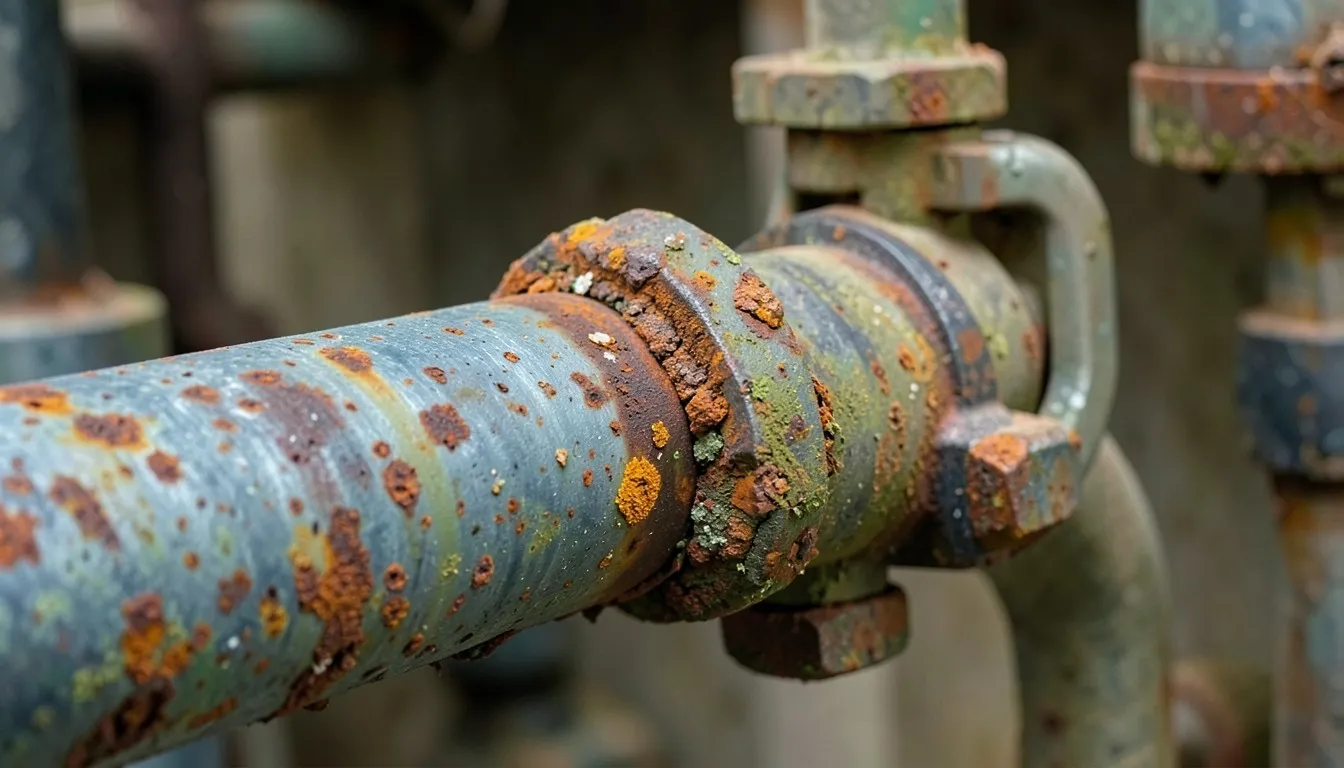
Pre-war housing in Cambridge — median home age 76 years — may still carry galvanized steel supply lines installed before the copper era. Galvanized pipe corrodes from the inside out: internal oxidation gradually narrows bore diameter, reduces water pressure, and eventually results in pinhole failure at corroded sections. Inspection confirms whether scale and corrosion warrant section replacement or full repipe. Homes of other eras in Cambridge may have copper pipe or polybutylene supply lines instead; ask the plumber which your home has.
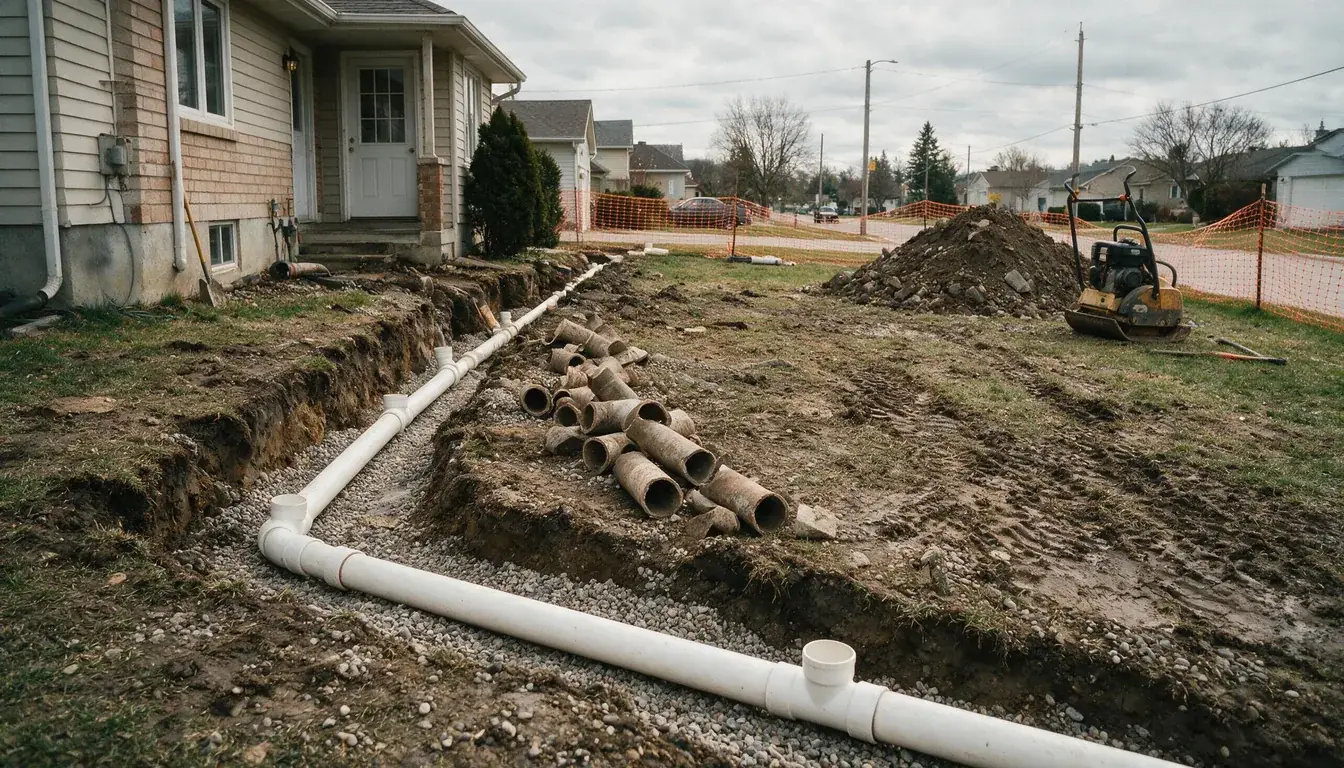
Frost line depth in Cambridge means supply lines and outdoor plumbing must be installed below the freeze threshold — typically 42 in — to prevent pipe burst during cold events. Exterior hose bibs, irrigation shutoffs, and any exposed pipe runs are the most common winterization service points in freeze-risk markets.
- Median home age
- 76 yrs
- Water hardness
- 5 gpg
- Frost line
- 42 in
- Permit
- City fee schedule
Census housing age, Cambridge city, Massachusetts: median year built 1950; 53.6% of homes built before 1960, 67.9% before 1980. Source: U.S. Census Bureau, ACS 2020–2024 5-year estimates, tables B25034 and B25035, read 2026-09-30.
Mention these conditions when you describe the symptom to the MA plumber you reach.
What shapes plumbing demand in Cambridge, MA?
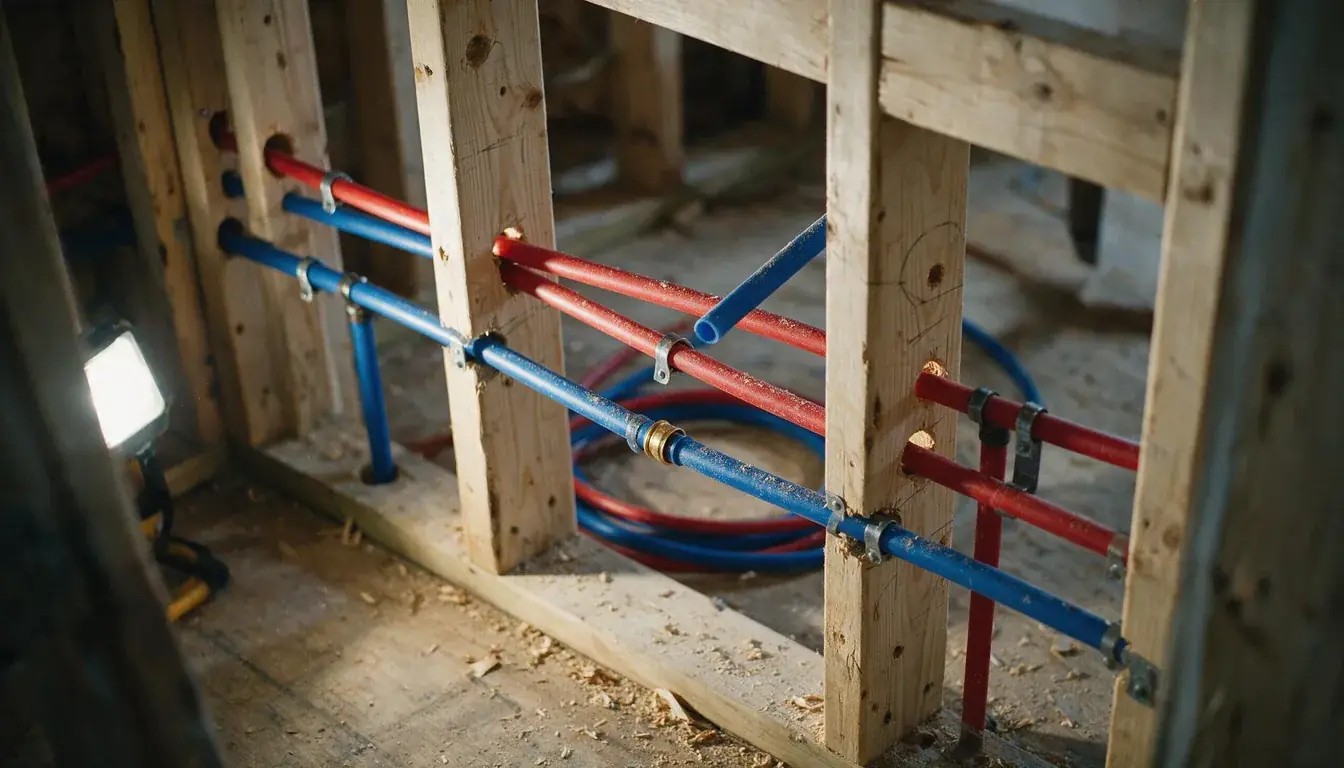
Galvanized supply lines and cast iron drain systems from the 1880s–1940s are past their 40–70-year design life across much of Cambridge. Interior rust scale progressively narrows pipe bore. Plumbers here routinely scope supply lines before quoting any repair — the underlying pipe condition often makes full replacement more cost-effective than patching.
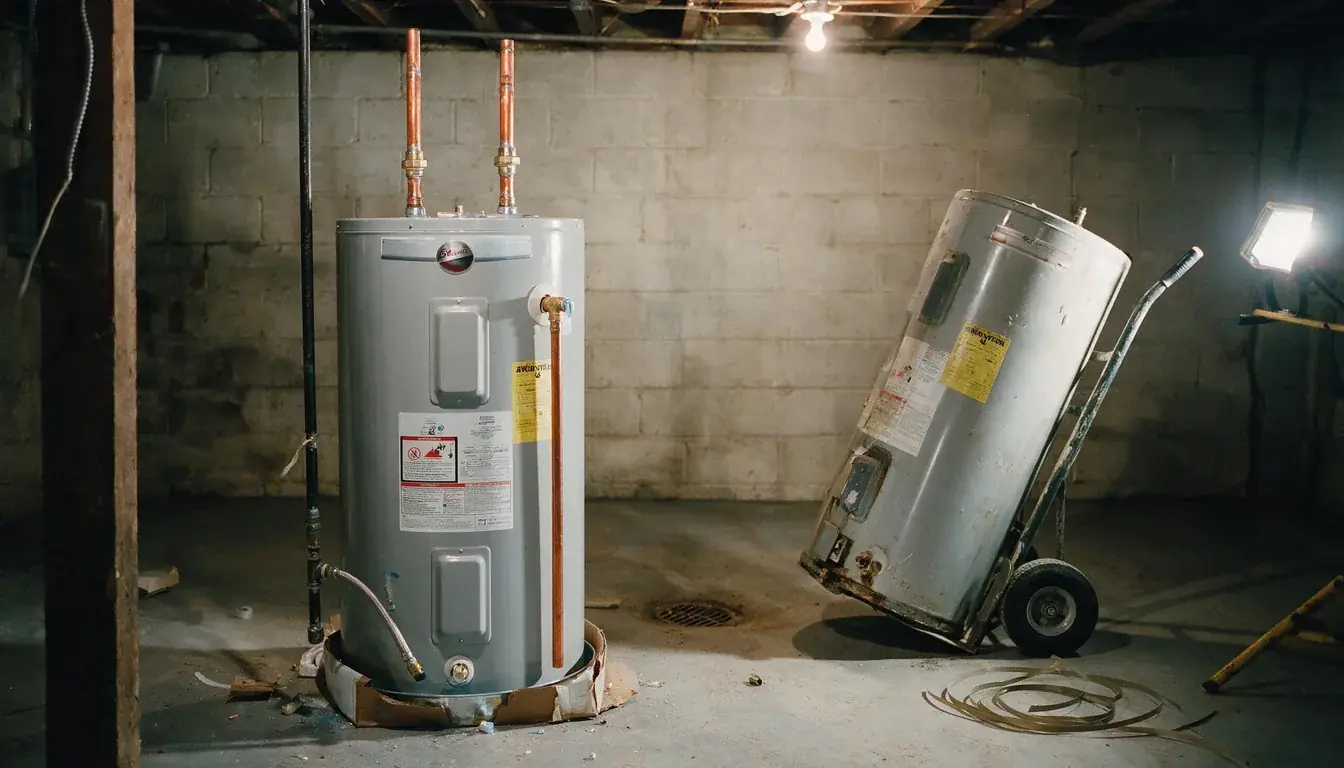
4–7 GPG produces gradual scale that stays manageable with standard maintenance intervals in Cambridge — annual flushing, cartridge cleaning every 1–2 years. Equipment runs near design lifespan. The primary water quality driver here is preventive maintenance rather than emergency replacement, which distributes service demand more evenly across the calendar.
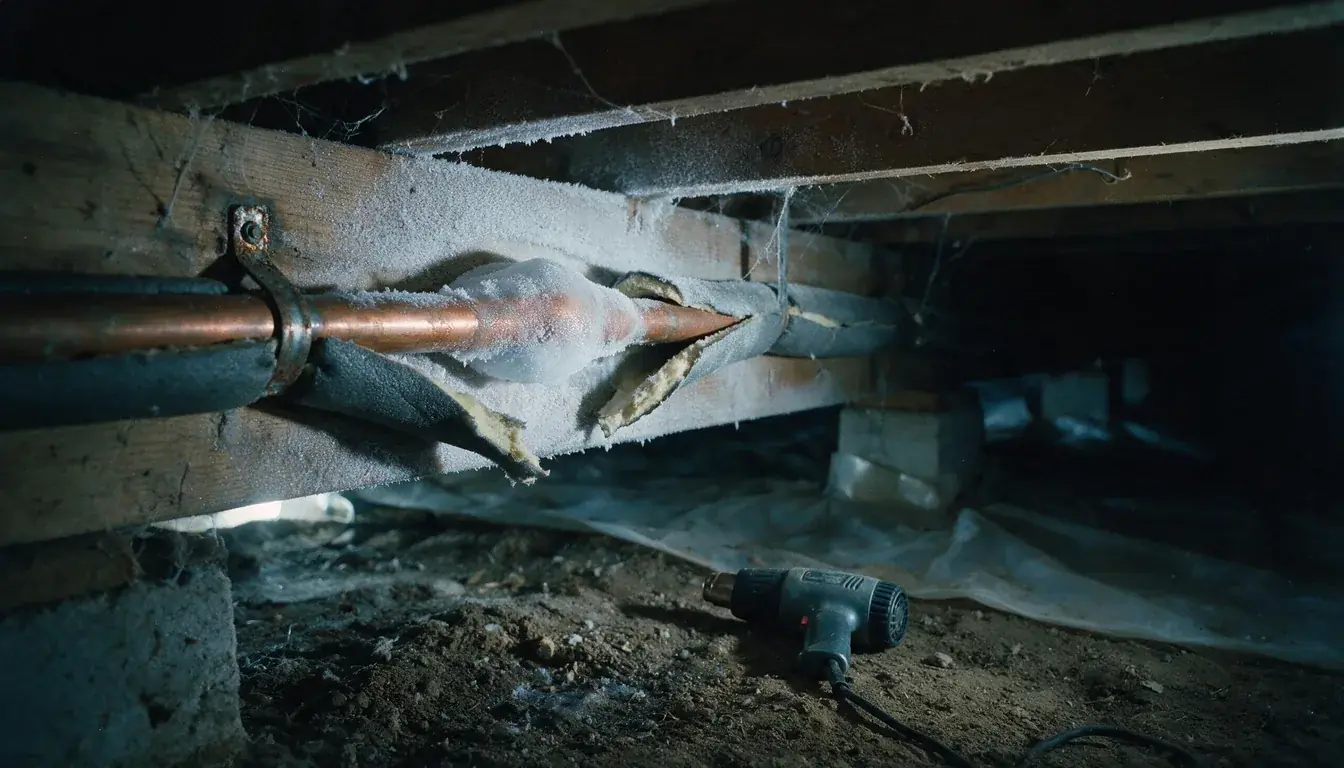
The primary surge in Cambridge runs January–March, with a secondary wave at the spring thaw — when pipes that held through the freeze rupture as pressure is restored above 32°F. Scheduling competition peaks exactly when emergency calls are highest. Homeowners who wait for visible damage compete for the same limited plumber slots at the worst possible time.
Should you repair or replace a water heater in Cambridge?
- Where the water is coming from: ask whether a leak is at a replaceable part (a valve, fitting or drain valve) or the tank itself — the answer usually decides repair versus replacement.
- Age: the rating plate or serial number shows when the unit was made. Ask the plumber how old yours is and how that changes the advice.
- Symptom: no hot water, not enough hot water, rusty water or rumbling each point to different parts. Ask which part has failed and whether the rest of the unit is sound.
- Fit: if the size and fuel type have suited your household, a like-for-like replacement keeps the job simple.
67.9% of Cambridge homes were built before 1980 and the median home was built in 1950 (U.S. Census Bureau, ACS 2020–2024). In an older home, ask the plumber to look at the shutoff valve and supply connections at the same visit.
“If your current water heater meets your needs most of the time, you can probably replace it with one the same size.”
— ENERGY STAR (U.S. EPA), read 2026-10-01
“To make your life easier, plan ahead for your next water heater replacement and you will have time to research and select the best technology for your situation before it's an emergency.”
— ENERGY STAR (U.S. EPA), read 2026-10-01
Price ranges live on the cost guides: water heater repair cost → · water heater replacement cost → · signs a water heater needs replacing →
Tank or tankless: which water heater fits a Cambridge home?
- Sizing works differently: ask the plumber to size a tankless unit from the fixtures you run at the same time, not from the old tank’s gallons.
- For a gas tankless unit, ask whether the gas line and venting need changes; for an electric one, whether the electrical panel can carry it.
- Replacing like for like is usually the simpler job; switching type changes the installation, so ask for both options in writing.
“While the capacity of gas storage water heaters is based on the number of gallons that will fit in the tank, tankless models are rated by how many gallons of hot water they produce per minute (GPM).”
— ENERGY STAR (U.S. EPA), read 2026-10-01
“By heating water only when it's needed, ENERGY STAR certified gas tankless water heaters cut water heating expenses, while also providing continuous hot water delivery.”
— ENERGY STAR (U.S. EPA), read 2026-10-01
Gas water heaters: if you smell gas, the Public Service Commission of Wisconsin says:
“If you smell natural gas leave the area immediately and, from a safe distance outdoors, call the local gas utility's emergency number or 911.”
— Public Service Commission of Wisconsin, read 2026-09-29
Tankless vs tank water heater compared → · tankless installation cost → · tankless sizing guide → · Water Heater Repair in Cambridge → · Water Heater Installation in Cambridge →
How does permit-required work run in Cambridge, application through certificate?
The Massachusetts contractor prepares the permit application — drawings, specifications, contractor license number (ask for it) — and submits it to the Cambridge building department. Issuance typically takes 3–10 business days. No construction begins until the permit is in hand.
Once Cambridge issues the permit, the contractor notifies affected utilities — gas, water, electrical — as required by the permit scope. Work follows the approved drawings; any scope change requires an amended permit before that portion starts.
The contractor schedules the final inspection with the Cambridge building department inspector. After sign-off, a certificate of completion is issued. All permit documentation is filed with the city; you receive copies for home records and future property disclosure.
Tankless Water Heater Installation cost calculator — Cambridge
Pre-filled for tankless water heater installation in Cambridge. Adjust the ZIP for a neighboring area, or change the service to compare. Calculator pulls from the city's scraped permit-fee + state plumber-density data.
Ready to move forward on tankless water heater installation in Cambridge?
Lead times for equipment and scheduling vary by season. Ask the plumber you reach about availability and a written estimate — and settle timing before demand peaks.
What else do people ask about tankless water heater installation in Cambridge?
How much does tankless water heater installation cost in Cambridge, MA?
Tankless installation in Cambridge typically runs roughly 30% above the national average. The MA OCABR permit floor is set by the local fee schedule. Gas-line upsize and new venting add cost when swapping from a tank. Price ranges: tankless water heater installation cost guide.
Gas or electric tankless for Cambridge?
Gas tankless handles whole-home demand more economically in Cambridge. Electric suits ADUs and point-of-use. Confirm gas-line capacity (3/4" minimum) with the Massachusetts plumber.
Do I need a permit for tankless installation in Cambridge?
Yes. Cambridge requires an MA OCABR permit for any water-heater swap. Gas-line and venting changes also fall under the permit. The matched plumber pulls it on your behalf. Permit fee ranges: permit fee estimator.
How does Cambridge water quality affect a tankless unit?
Cambridge water is 5 gpg. Scale buildup is minimal; a sediment pre-filter is still recommended.
How fast can a tankless installer arrive in Cambridge?
Tankless is scheduled work — most AlertPlumber-matched plumbers in Cambridge book within 2–5 business days. If your existing tank failed and you need hot water sooner, the plumber can often expedite or arrange a temporary solution.
How do I protect a Cambridge tankless unit from freezing?
Cambridge sees ~100 freeze days/yr with 42" frost depth — interior-mount tankless is standard. Exterior-mount requires built-in freeze protection plus a heated, insulated enclosure.
Will my existing gas line and venting work for tankless in Cambridge?
Cambridge's median home age is 76 years (1880s-1930s lead/cast-iron). Pre-1990 homes often need 1/2" gas branches upsized to 3/4" and B-vent replaced with Category III stainless or PVC concentric venting. The plumber assesses both on the quote visit.
What's the payback period for going tankless in Cambridge?
Tankless units run 22–34% more efficiently than 50-gallon tanks. Cambridge's long heating season (100+ cold days) means faster payback — typically 8–12 years. The ~20-year service life usually outlasts the payback window.
What venting does tankless installation require in Cambridge?
Condensing tankless uses direct-vent through Schedule 40 PVC or polypropylene to an exterior wall — no chimney needed. MA OCABR code requires 12" clearance from windows/doors and 36" from forced-air intakes. Power-vent (non-condensing) uses Category III stainless.
How do I check the license of tankless installers in MA?
AlertPlumber does not vet plumbers: for Cambridge tankless work, ask for the MA OCABR license number and check it with the state board. Many also hold manufacturer certifications (Rinnai, Navien, Rheem) required for full warranty coverage.
Asking for a written quote costs you nothing. Guessing costs you the job.
The form below takes under a minute — it goes to an independent Massachusetts plumber in our partner's network; ask them to scope the tankless water heater installation and put the quote in writing.
Need a tankless water heater installation callback in Cambridge?
In a meeting, with the kids, or just prefer not to call? Drop your ZIP and number below. AlertPlumber sends your request to our routing partner — if a participating plumber serves your area, they may call you back directly. For anything urgent, call the number on this page.
- 1 Submit your info. ZIP, phone, and what kind of work you need.
- 2 AlertPlumber passes it on to our routing partner for your area.
- 3 If a participating plumber serves your area, they may call you back. Ask for a written estimate before work starts.
Tankless Water Heater Installation in Cambridge — scope and schedule
AlertPlumber connects your call with an independent MA plumber for tankless water heater installation in Cambridge. Ask for a written estimate and permit coordination; you are under no obligation until you approve a quote.