
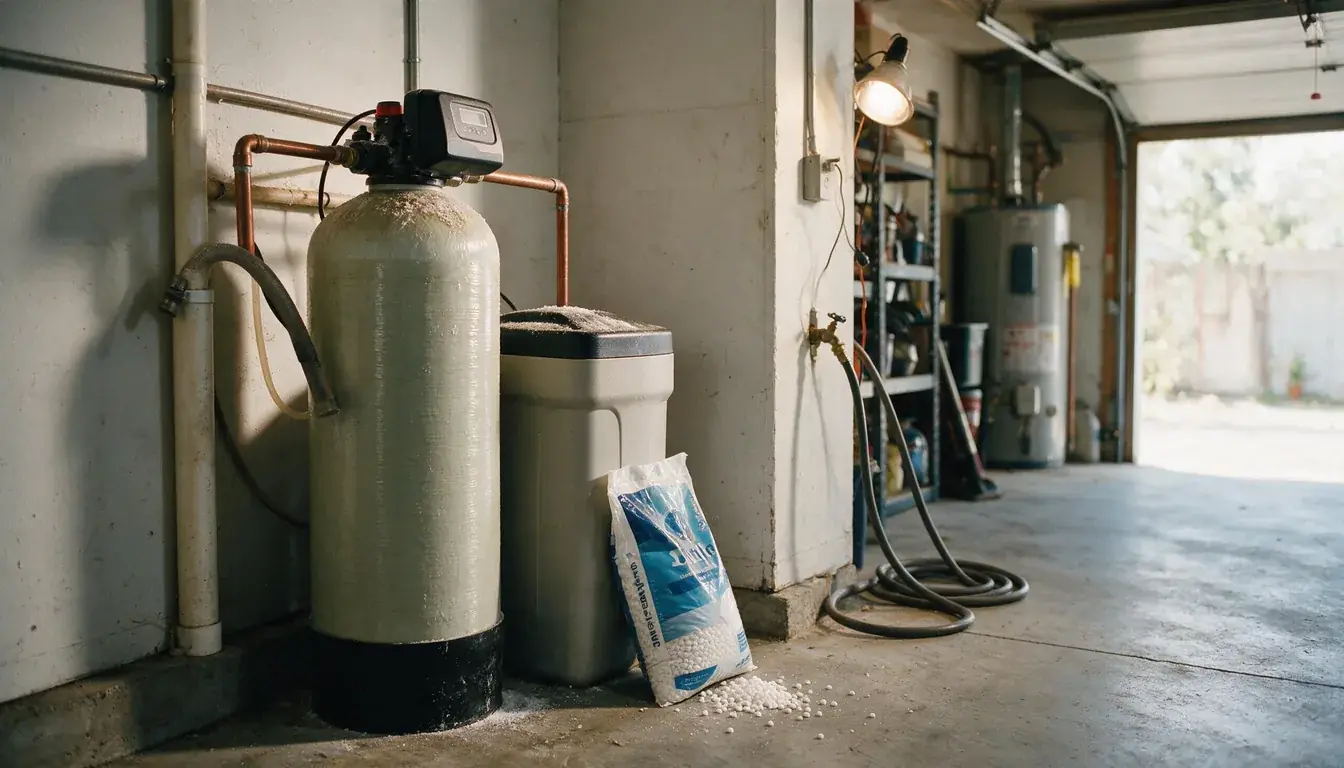
Water Softener Installation in Detroit, Michigan
Water Softener Installation in Detroit, Michigan installs whole-home water softeners and salt-free conditioners. Local conditions in Detroit: a 42 in frost line and a median home age of 77 years.
Book it this week — ask the independent MI plumber you reach for a quote by phone before anyone comes out.
What does the local plumbing data show for Detroit, MI?
Seeing these conditions at your place in Detroit? Describe them on the call to a state-licensed local plumber — free, no obligation.
What are the pipe conditions in Detroit, MI?
Water softener installation in Detroit is calibrated to the local water hardness — GPG level determines the resin tank size, regeneration cycle frequency, and salt type required. An undersized softener in a hard-water market regenerates too frequently and passes hard water during peak demand. Drain line placement and brine tank position require planning; older homes may need the softener positioned before the water heater but after the main shutoff. AlertPlumber connects your call with an independent Michigan-licensed plumber — ask them to specify the unit from your actual hardness reading.
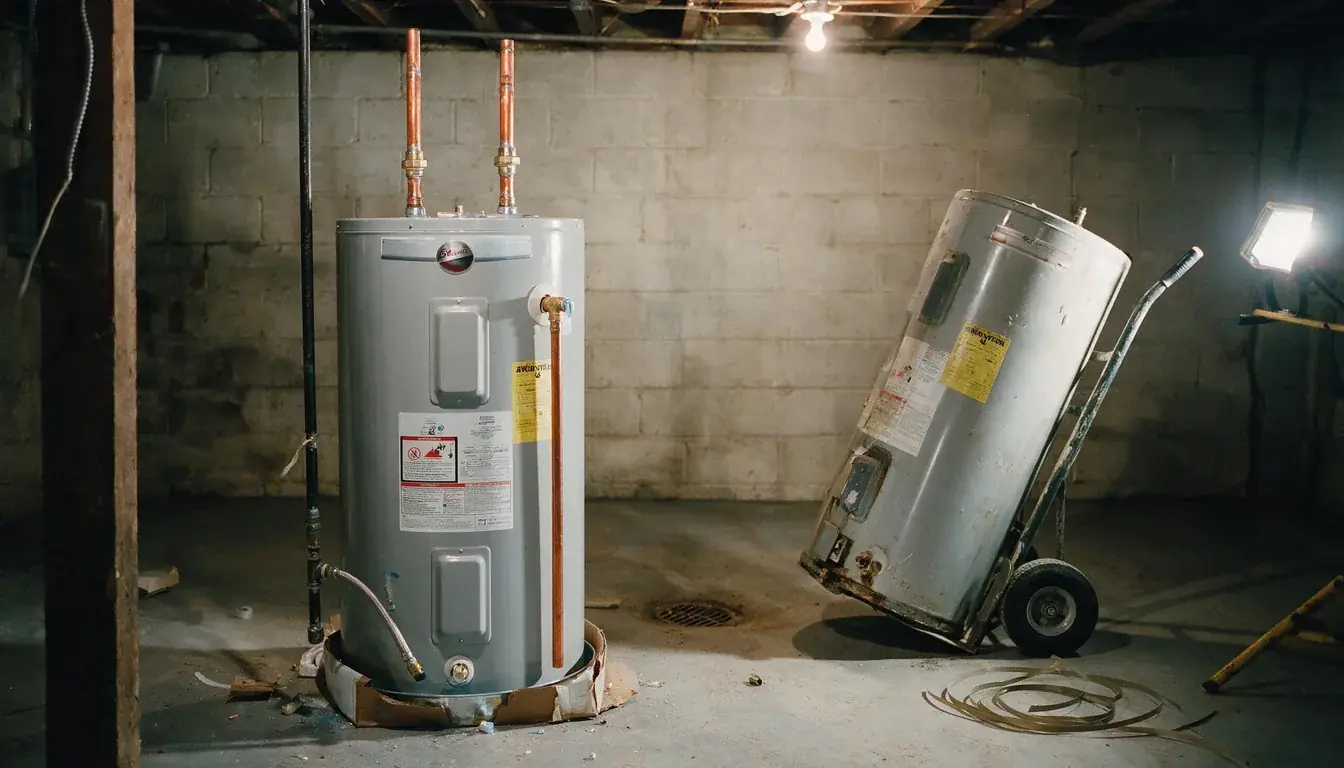
Pre-war housing in Detroit — median home age 77 years — may still carry galvanized steel supply lines installed before the copper era. Galvanized pipe corrodes from the inside out: internal oxidation gradually narrows bore diameter, reduces water pressure, and eventually results in pinhole failure at corroded sections. Inspection confirms whether scale and corrosion warrant section replacement or full repipe. Homes of other eras in Detroit may have copper pipe or polybutylene supply lines instead; ask the plumber which your home has.
Frost line depth in Detroit means supply lines and outdoor plumbing must be installed below the freeze threshold — typically 42 in — to prevent pipe burst during cold events. Exterior hose bibs, irrigation shutoffs, and any exposed pipe runs are the most common winterization service points in freeze-risk markets.
- Median home age
- 77 yrs
- Frost line
- 42 in
Census housing age, Detroit city, Michigan: median year built 1947; 77.8% of homes built before 1960, 90.3% before 1980. Source: U.S. Census Bureau, ACS 2020–2024 5-year estimates, tables B25034 and B25035, read 2026-09-30.
Mention these conditions when you describe the symptom to the MI plumber you reach.
What local infrastructure shapes Water Softener Installation in Detroit?
Great Lakes Water Authority sources from Lake St. Clair and the Detroit River, producing water at approximately 6 grains per gallon documented in GLWA's annual water quality report. At moderate hardness, a water softener is not a universal requirement in this market; Lake water is considerably softer than the limestone aquifer supplies common in the Southwest and Midwest plains. Softeners are occasionally installed in Detroit-area homes for iron staining, specific TDS concerns, or personal water quality preferences rather than as a hardness-management measure.
Detroit's galvanized pipe profile is the most consequential factor in softener installation scoping here. Galvanized steel supply lines, common in pre-war construction with a 77-year median home age, develop interior corrosion products over decades of service. Softened water removes the mineral scale deposits that partially coat corroded galvanized interior surfaces — scale that has been acting as a partial seal against further corrosion and against rust and particulate shedding into the supply.
Detroit Building, Safety Engineering and Environmental Department requires a permit for softener installation; the fee is among the lower in this dataset and covers the connection inspection. GLWA's consumer confidence report is the homeowner's reference for current hardness data. The 42-inch frost line and 140 annual freeze days are relevant for any supply penetration at grade; pre-war Detroit construction with basement access places the softener installation point away from freeze risk. Permit fee ranges: permit fee estimator.
What shapes plumbing demand in Detroit, MI?
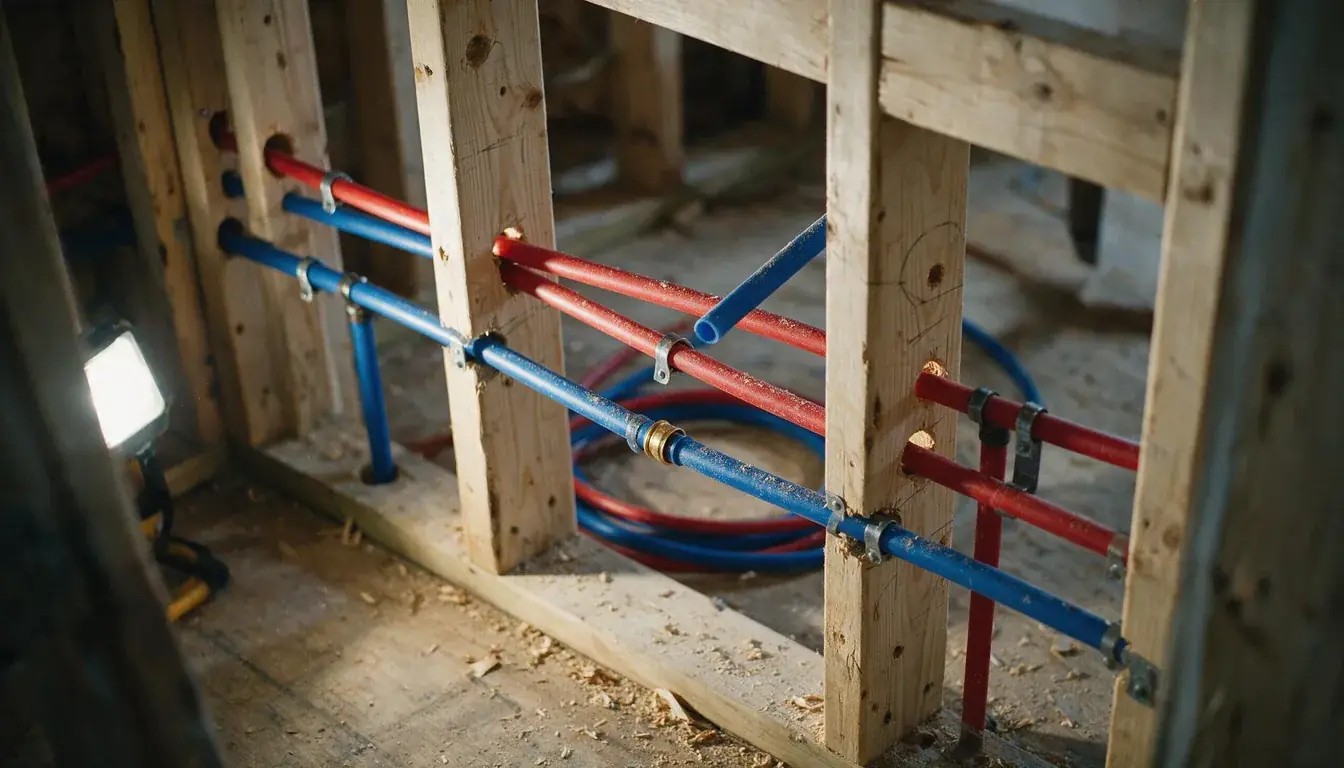
Galvanized supply lines and cast iron drain systems from the 1880s–1940s are past their 40–70-year design life across much of Detroit. Interior rust scale progressively narrows pipe bore. Plumbers here routinely scope supply lines before quoting any repair — the underlying pipe condition often makes full replacement more cost-effective than patching.
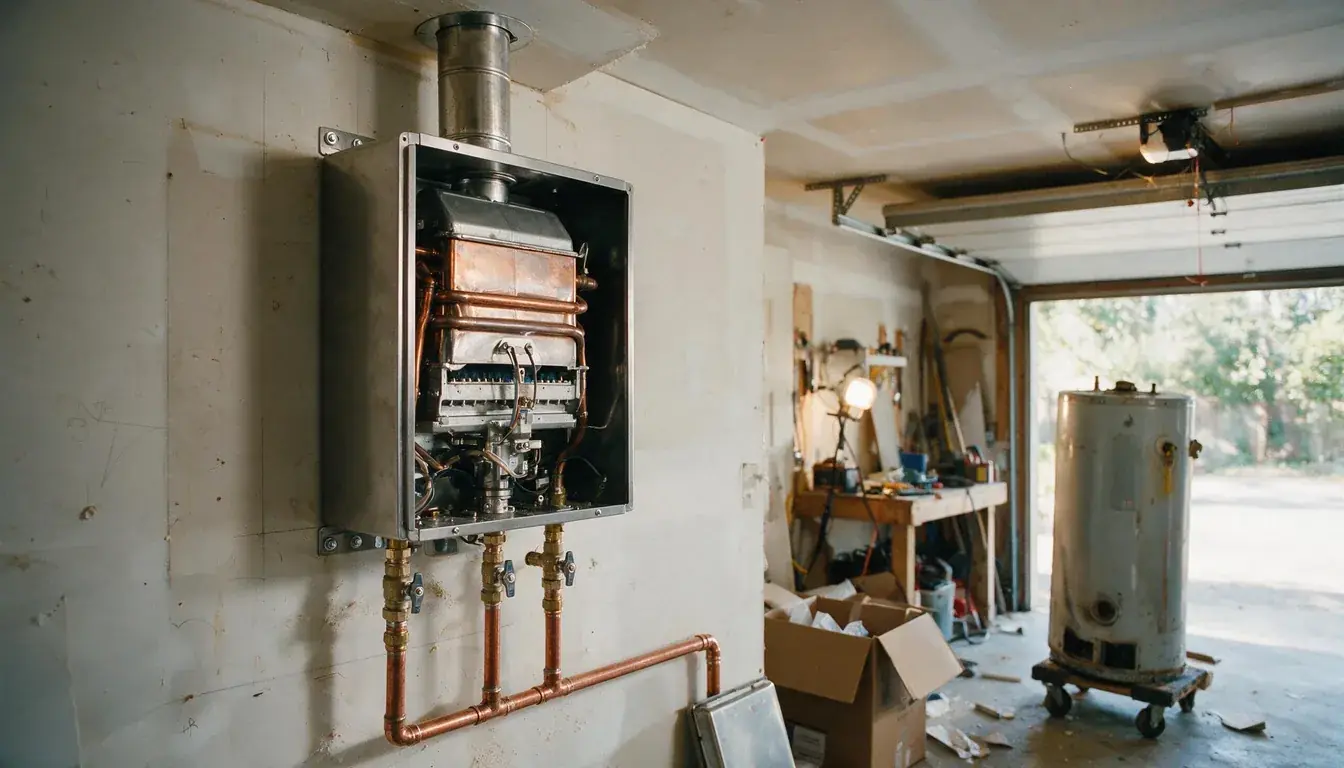
4–7 GPG produces gradual scale that stays manageable with standard maintenance intervals in Detroit — annual flushing, cartridge cleaning every 1–2 years. Equipment runs near design lifespan. The primary water quality driver here is preventive maintenance rather than emergency replacement, which distributes service demand more evenly across the calendar.
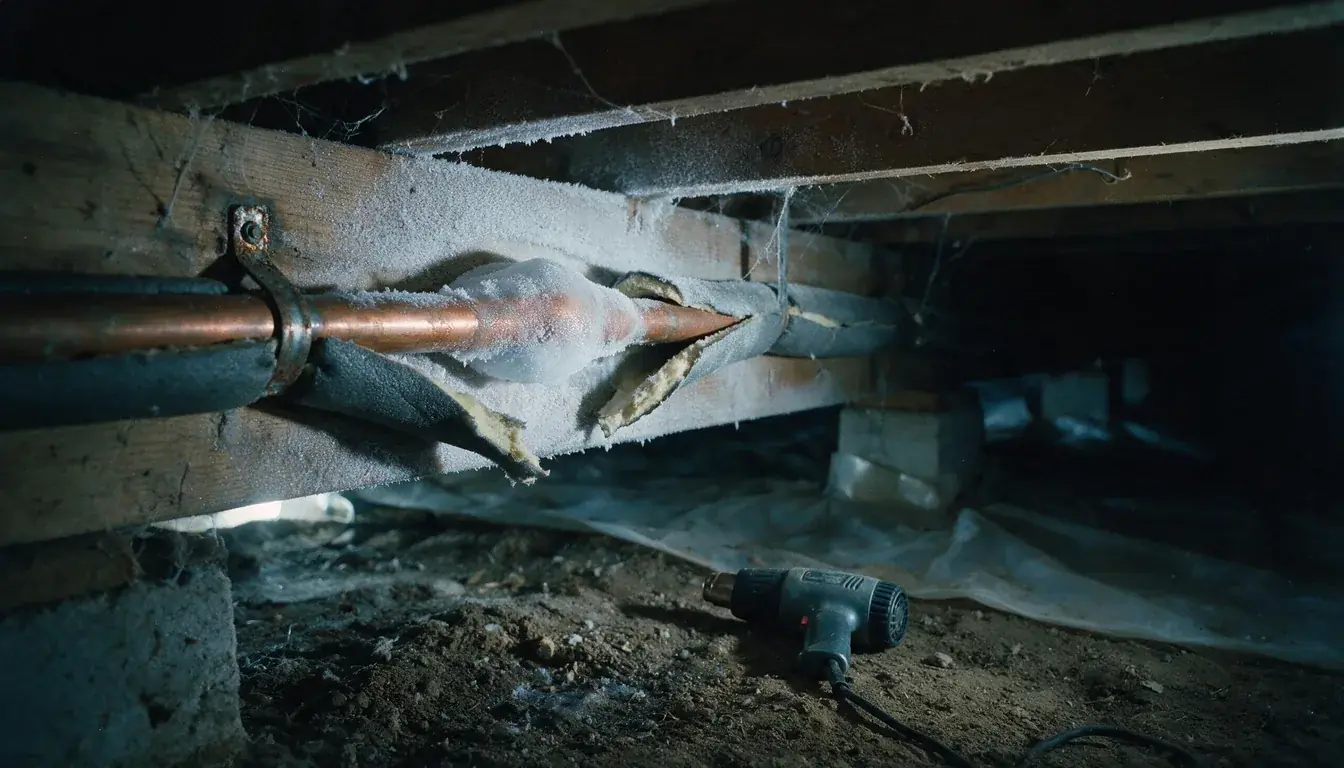
The primary surge in Detroit runs January–March, with a secondary wave at the spring thaw — when pipes that held through the freeze rupture as pressure is restored above 32°F. Scheduling competition peaks exactly when emergency calls are highest. Homeowners who wait for visible damage compete for the same limited plumber slots at the worst possible time.
Why does a Detroit plumber estimate first and commit second?
Submit the service type and your Detroit address. The request goes to an independent Michigan plumber in our partner's network — ask when a site visit can be scheduled. There is no financial commitment or obligation at this stage.
At the appointment, ask the plumber to inspect the installation point, confirm the project approach, and put the estimate in writing: fixed price, material breakdown, and project timeline for Detroit. Review it at your pace before deciding.
Once you approve the estimate, agree the start date. Ask that required permits for Detroit are pulled before the job starts, and for a final walkthrough confirming every item in the agreed scope was delivered.
Water Softener Installation cost calculator — Detroit
Pre-filled for water softener installation in Detroit. Adjust the ZIP for a neighboring area, or change the service to compare. Calculator pulls from the city's scraped permit-fee + state plumber-density data.
Ready to move forward on water softener installation in Detroit?
Lead times for equipment and scheduling vary by season. Ask the plumber you reach about availability and a written estimate — and settle timing before demand peaks.
What else do people ask about water softener installation in Detroit?
How much does water softener installation cost in Detroit, MI?
Water softener installation in Detroit runs in line with the national average. A 32,000-grain salt-based system for a 2-bathroom home is at the lower end; a whole-home 48,000-grain dual-tank unit with professional installation and drain connection is at the higher end. Salt-free (template-assisted crystallization) systems cost similarly but don't remove hardness — they prevent scale without ion exchange. Price ranges: water softener installation cost guide.
Does Detroit water actually need a softener?
Detroit water at 6 gpg is moderate — borderline for a softener. A water test kit or free utility report confirms whether softening is worth the cost for your specific supply. Price ranges: water softener installation cost guide.
Salt-based vs salt-free water softener — which is right for Detroit?
Salt-based (ion exchange) systems fully remove hardness minerals, producing genuinely soft water that lathers easily and extends appliance life. Salt-free (TAC/template crystallization) systems prevent scale attachment without removing minerals — they work well in the 6 gpg range and avoid the softened-water corrosion risk in copper-piped homes. If Detroit has brine-discharge restrictions in your area, ask the plumber to confirm before purchasing — some California water districts restrict salt-based softeners.
How do I size a water softener for my Detroit home?
Sizing formula: (household members × 75 gallons/day × water hardness in gpg) = daily grain removal needed × 7 days = system grain capacity. For a 4-person Detroit home at 6 gpg: 4 × 75 × 6 × 7 = 12,600 grains — round up to the next standard size (typically 32K, 48K, or 64K grain). The plumber measures actual water hardness on-site and sizes accordingly.
What installation requirements apply to water softeners in Detroit?
Softener installations in Detroit require: a nearby floor drain or utility sink for brine discharge, a dedicated bypass valve on the inlet and outlet, and in some jurisdictions a separate permit from MI LARA. The unit goes on the main supply line before water reaches heaters and fixtures — typically in the utility room near the main shutoff. Electrical outlet within 6 feet is needed for the control head. The plumber handles all connections and programs the regeneration cycle during installation.
How does a water softener affect Detroit plumbing materials?
Detroit's 1900s-1950s clay/terracotta housing stock includes a mix of materials. Soft water slightly increases the corrosivity of copper — if your home has copper supply lines, a properly set softener (targeting 5–7 gpg output, not 0) avoids the corrosion issue while still preventing scale. PEX and CPVC are unaffected by softened water. Galvanized steel actually benefits the most — softened water dramatically slows the internal rusting that narrows galvanized bore over decades.
How does brine discharge work and are there restrictions in Detroit?
Salt-based softeners regenerate every 5–7 days, discharging brine (salty water) into the drain — typically 50–75 gallons per regeneration cycle. This goes to the sanitary sewer, not storm drain. Most Detroit utilities allow standard brine discharge to sanitary sewer. Confirm with your local utility if you're in a sensitive groundwater recharge area.
What maintenance does a water softener need in Detroit?
Refill the brine tank with salt every 4–8 weeks depending on usage and system size (50-lb bags are inexpensive). Check annually for salt bridges (a hardened crust that prevents salt from dissolving — break it up with a broom handle). Sanitize the resin tank every 5 years. Replace the resin bed every 10–15 years. Set the hardness level accurately during commissioning — a miscalibrated setting wastes salt or leaves water insufficiently softened. Price ranges: water softener installation cost guide.
Will a water softener protect my Detroit water heater?
Detroit's 6 gpg water causes moderate scale at best — a water softener helps, but proper annual heater flushing achieves most of the same protection.
How do I check the license of water softener installers in MI?
AlertPlumber does not vet plumbers: for water softener installation in Detroit, ask for the MI LARA license number and check it with the state board. Installers in the network carry major brands (Fleck, Clack, Pentair) and will test your water hardness on-site before recommending a system — no upselling to an oversized unit.
Asking for a written quote costs you nothing. Guessing costs you the job.
The form below takes under a minute — it goes to an independent Michigan plumber in our partner's network; ask them to scope the water softener installation and put the quote in writing.
Need a water softener installation callback in Detroit?
In a meeting, with the kids, or just prefer not to call? Drop your ZIP and number below. AlertPlumber sends your request to our routing partner — if a participating plumber serves your area, they may call you back directly. For anything urgent, call the number on this page.
- 1 Submit your info. ZIP, phone, and what kind of work you need.
- 2 AlertPlumber passes it on to our routing partner for your area.
- 3 If a participating plumber serves your area, they may call you back. Ask for a written estimate before work starts.
Water Softener Installation in Detroit — scope and schedule
AlertPlumber connects your call with an independent MI plumber for water softener installation in Detroit. Ask for a written estimate and permit coordination; you are under no obligation until you approve a quote.