
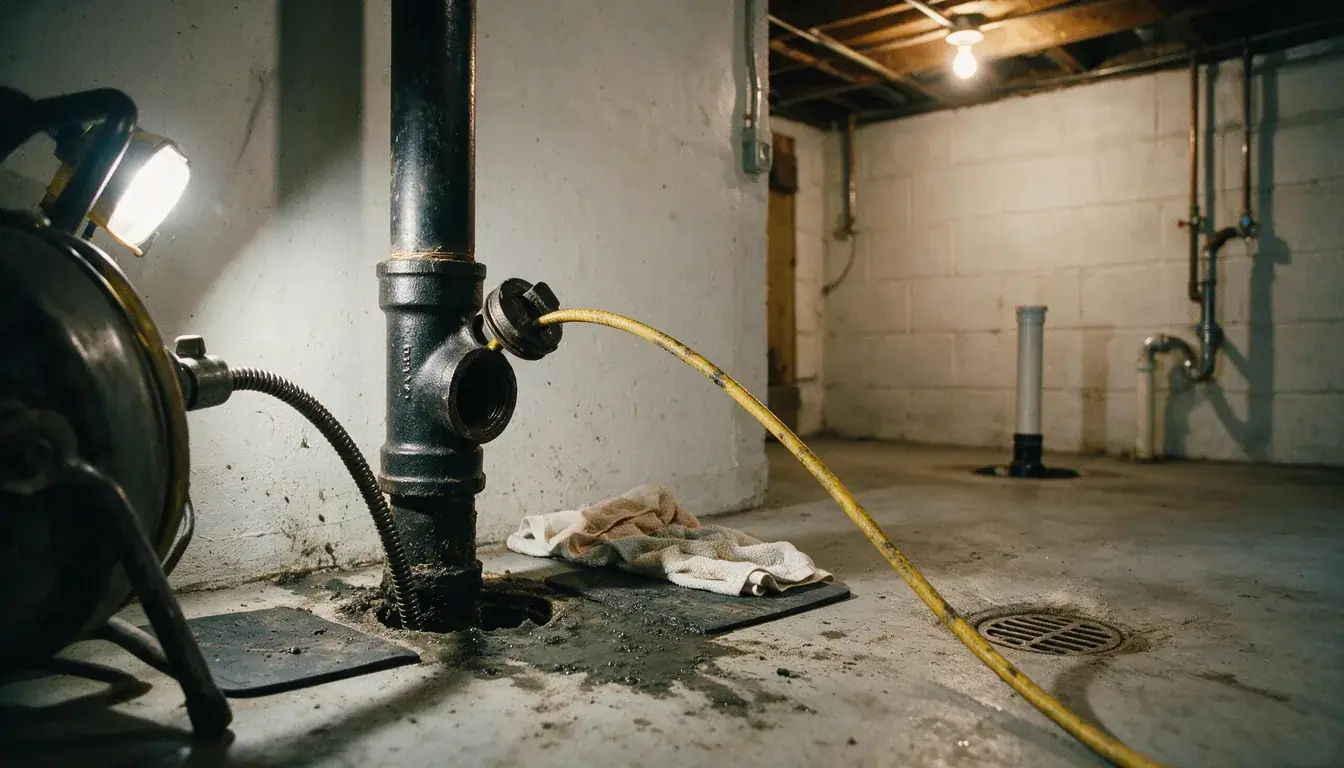
Emergency Drain Cleaning in Honolulu, Hawaii
Drain Cleaning in Honolulu, Hawaii clears clogged drains, slow drains, and backed-up sinks fast. Local conditions in Honolulu: water measured at 2, a 0 frost line and a median home age of 52 years.
Active water damage compounds by the hour — the 24/7 line connects calls to independent local plumbers serving Honolulu in our partner's network.
Is drain cleaning in Honolulu, HI the right job?
- Sewer Line Repair in Honolulu
- Backups or sewage in the yard may point to a damaged sewer line that needs a section repaired.
- Sewer Line Replacement in Honolulu
- Sewer backups keep returning and the existing line is too damaged for a section repair, so the line needs replacement.
- Pipe Camera Inspection in Honolulu
- Drains keep backing up and the cause is unclear, so a camera inspection can help show a blockage or damage inside the pipe.
- Hydro Jetting in Honolulu
- Grease, sludge, or heavy buildup keeps blocking an otherwise sound drain or sewer pipe, and high-pressure water jetting may clear it.
Who do I call for a clogged drain in Honolulu?
A plumber for drain cleaning. One slow sink is routine; several fixtures backing up at once, or sewage coming up a floor drain, points to the main line and is urgent in any Honolulu home.
What does the local plumbing data show for Honolulu, HI?
Seeing these conditions at your place in Honolulu? Describe them on the call to a state-licensed local plumber — free, no obligation.
What are the pipe conditions in Honolulu, HI?
Drain cleaning in Honolulu addresses two distinct problems: immediate blockage clearance (snake or jet, usually one visit) and the underlying condition causing recurring clogs (root intrusion, scale buildup, pipe belly, or grease accumulation requiring treatment beyond a single service call). The right approach depends on the root cause — a cable machine clears the blockage without revealing what caused it; a camera scope adds a separate charge but determines whether the drain will re-block in weeks or hold for years. AlertPlumber routes your call to an independent Hawaii-licensed plumber — ask them to price both options up front.
Honolulu's housing stock spans multiple construction eras — median home age 52 years — meaning pipe materials and failure modes vary significantly by neighborhood and building vintage. An inspection-led approach that confirms pipe material before recommending a service path is standard practice for mixed housing profiles. Homes of other eras in Honolulu may have galvanized pipe, copper pipe or polybutylene supply lines instead; ask the plumber which your home has.
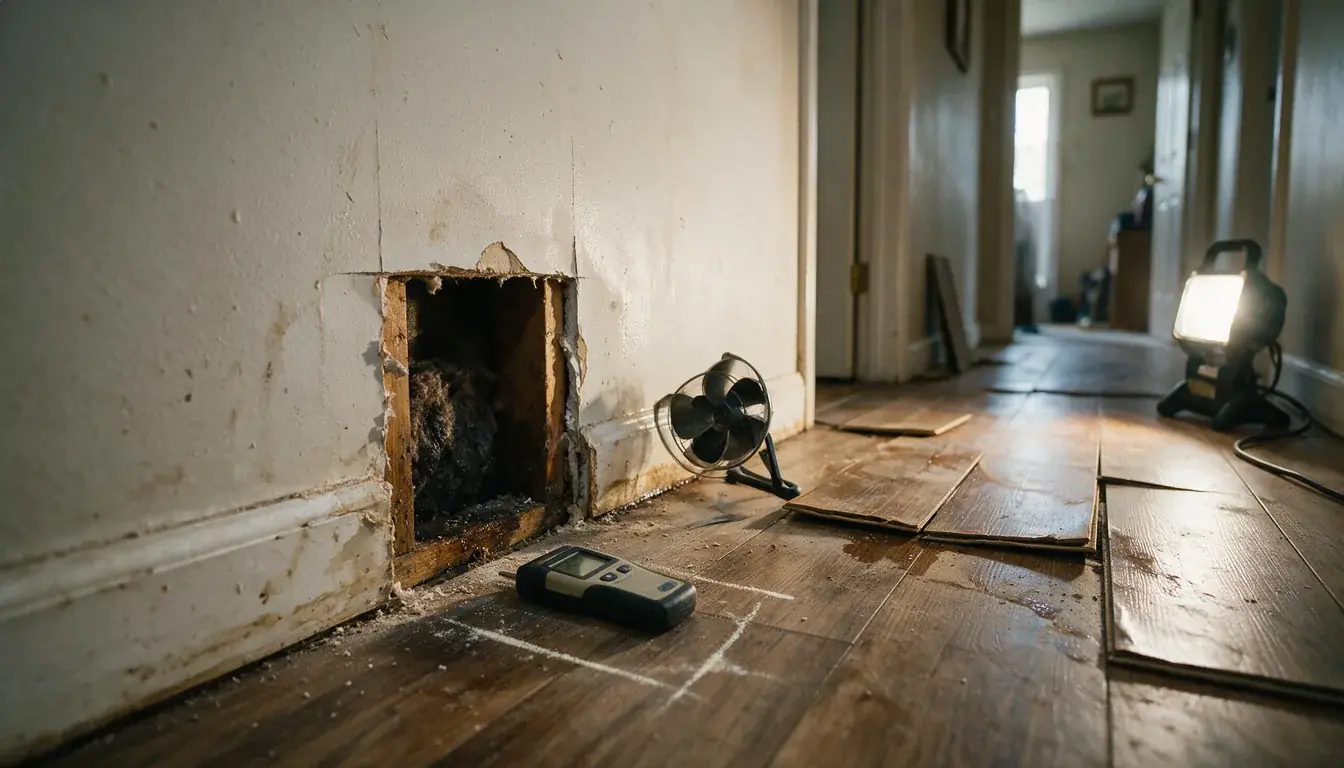
- Median home age
- 52 yrs
- Water hardness
- 2 gpg
- Frost line
- 0 in.
- Permit
- City fee schedule
Census housing age, Urban Honolulu CDP, Hawaii: median year built 1974; 20.8% of homes built before 1960, 65.4% before 1980. Source: U.S. Census Bureau, ACS 2020–2024 5-year estimates, tables B25034 and B25035, read 2026-09-30.
Mention these conditions when you describe the symptom to the HI plumber you reach.
What shapes plumbing demand in Honolulu, HI?
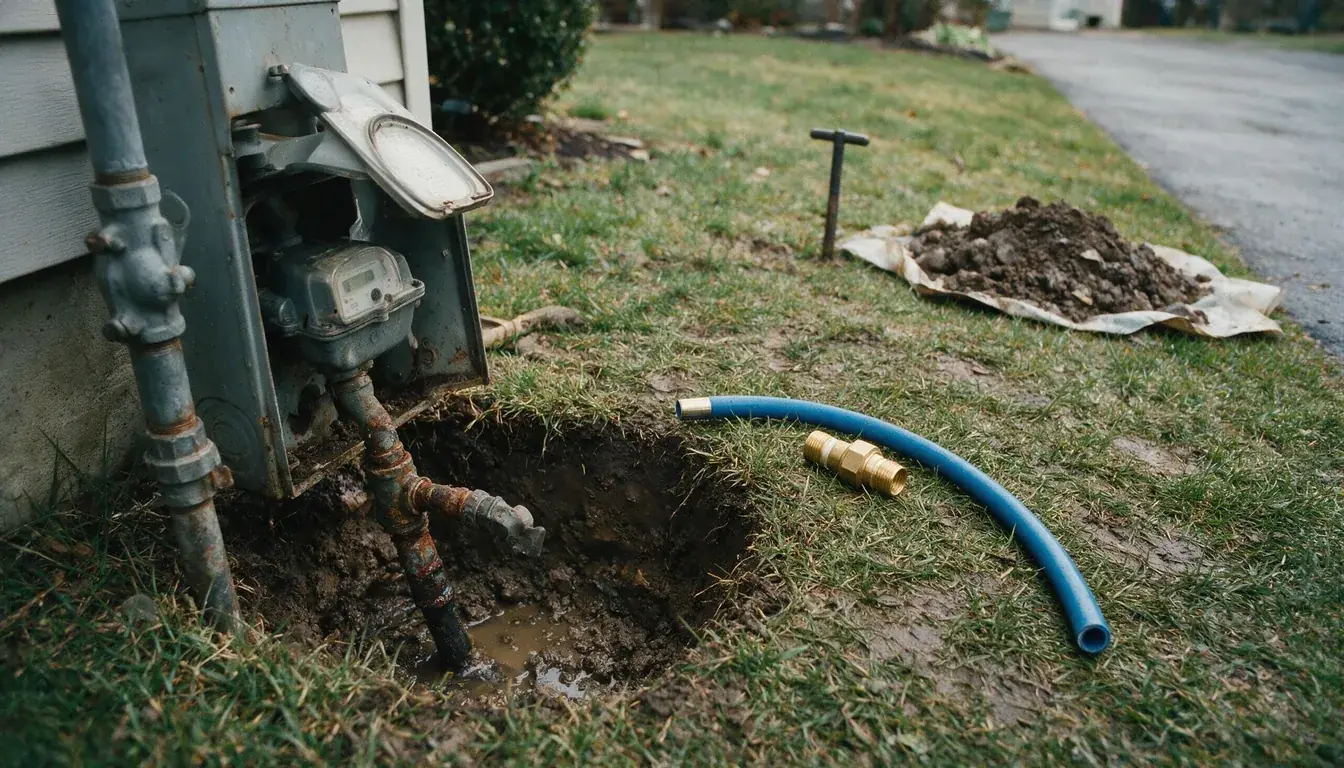
1950s–70s copper supply is now 50–70 years into its service cycle in Honolulu. Thermal fatigue at fittings and slab-on-grade access complexity — common in Sun Belt construction — make repair vs. replacement a live decision on most jobs. This housing cohort is the active primary replacement wave in this market.
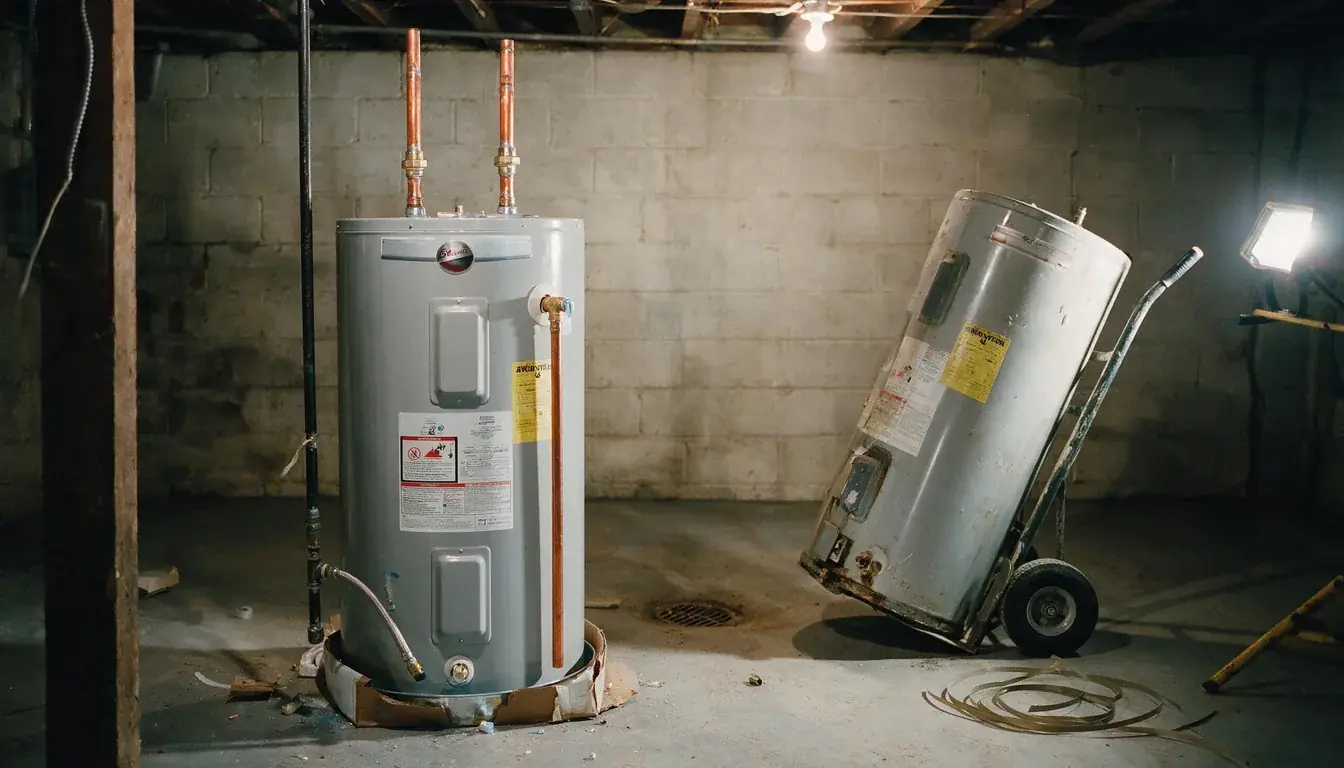
Soft, slightly acidic water in Honolulu is corrosive to copper pipe and solder joints — the opposite failure pattern from hard-water markets. Pinhole failure at fittings and elbows is the dominant non-emergency repair category. Anode rods also deplete faster in soft water, shortening effective tank life without timely replacement.
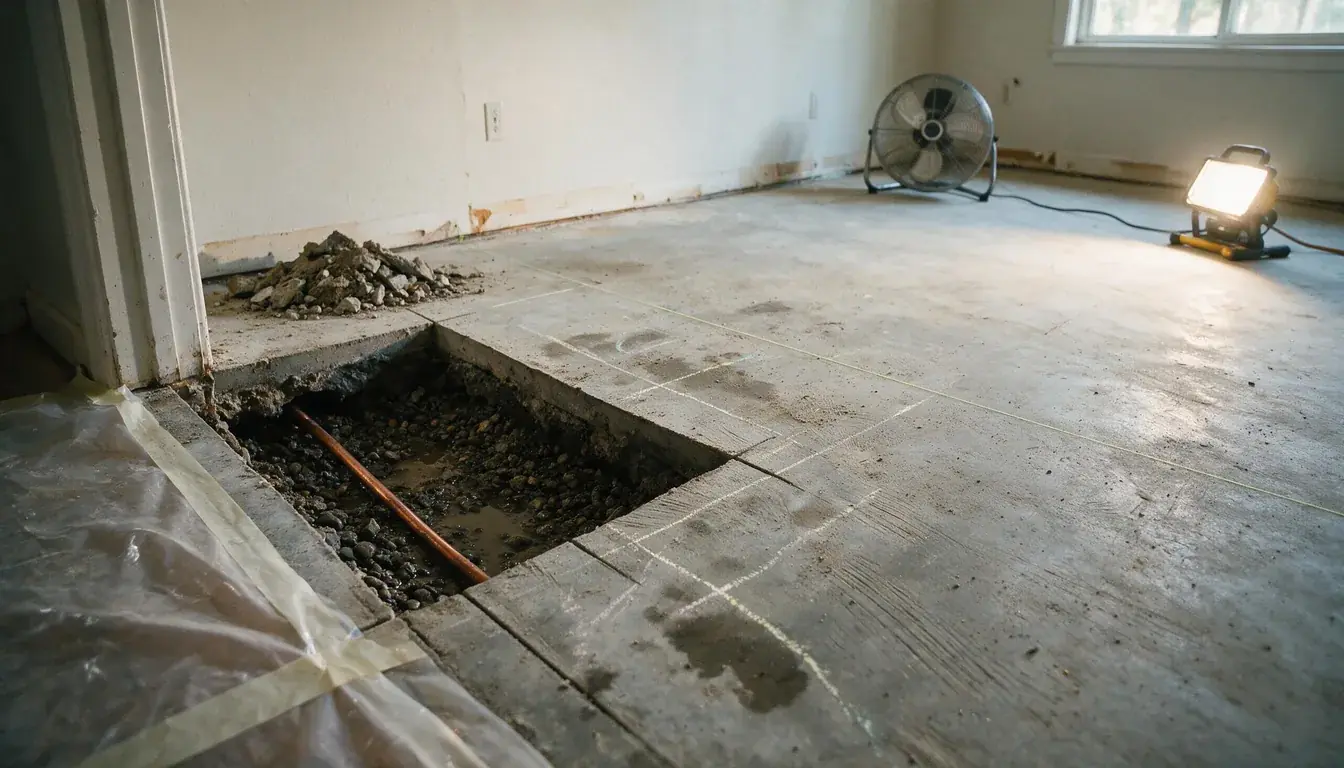
Summer heat above 95–115°F in Honolulu keeps sediment in suspension inside tank water heaters — accelerating element failure instead of allowing sediment to settle and flush. Attic-mounted supply lines face diurnal thermal stress year-round. Root intrusion concentrates around irrigated landscaping rather than distributing evenly across the full sewer lateral path.
Active damage in Honolulu — how is it contained, assessed and restored?
Submit your Honolulu address and describe the active damage — flooding, failed shutoff, burst or frozen line. AlertPlumber passes the request to an independent HI-licensed plumber in its partner's network — ask them to confirm receipt and give you an arrival window.
On arrival, ask the plumber to locate the nearest shutoff and map the damage boundary — affected lines, access points, material condition — and to tell you what requires immediate containment and what can wait until the full repair scope is confirmed.
Ask for a written containment and repair scope to approve before any work begins, with temporary isolation priced separately from full restoration. Give your explicit sign-off before each phase proceeds.
Drain Cleaning cost calculator — Honolulu
Pre-filled for drain cleaning in Honolulu. Adjust the ZIP for a neighboring area, or change the service to compare. Calculator pulls from the city's scraped permit-fee + state plumber-density data.
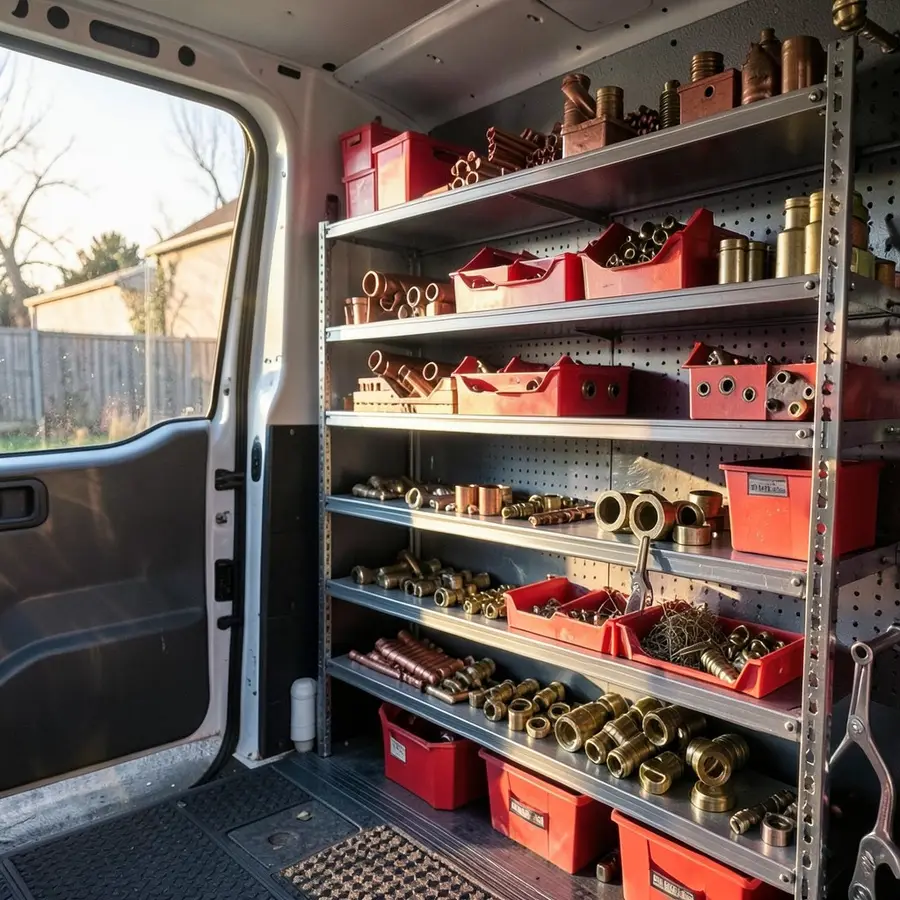
Drain Cleaning in Honolulu — the longer it runs, the more it costs.
Slow failures compound: soft pipe walls, root penetration, mineral buildup. Ask the plumber you reach for a scope-first estimate before anything is dug up.
What else do people ask about drain cleaning in Honolulu?
How much does drain cleaning cost in Honolulu, HI?
Honolulu drain cleaning typically runs less for single-fixture cabling than for a main-line clog on a south-shore Oahu residential 4-inch lateral. Pricing reflects the Honolulu Department of Planning and Permitting permit floor — meaningfully above mainland averages because every fitting, every cable bit, and every replacement part ships across the Pacific — plus a labor adjustment for working the 1880s-1920s Chinatown cast-iron stacks where wall thickness is past century-mark and any caustic chemistry is off the table. The 1960 Honolulu median build skews older than most Sun Belt markets, and AlertPlumber routes calls to plumbers holding active Hawaii DCCA C-37 plumbing contractor credentialing (~4,200 statewide). Price ranges: drain cleaning cost guide.
How fast can a Honolulu plumber arrive for an emergency drain backup?
Arrival times depend on which independent plumber takes the call, the time of day and the season — ask for an arrival window on the call. South-shore Oahu plumber density is tightest inside the Honolulu urban core covering Kakaako, Chinatown, Downtown, Ala Moana, Waikiki, and Kalihi; calls out to Hawaii Kai, East Honolulu, or windward Manoa add 30-60 minutes because the H-1 corridor and Kalanianaole Highway are the only practical routes. The Hawaii DCCA C-37-credentialed plumber confirms the exact ETA on the callback. Trade-wind storm cells can occasionally extend ETAs in Manoa wet-valley territory when surface flooding closes side streets.
Do I need a permit for drain cleaning in Honolulu?
No permit for routine fixture cabling, main-line snaking, or jet-and-scope maintenance — the work classes as maintenance under Hawaii-adopted plumbing code as administered by the Honolulu Department of Planning and Permitting. A DPP permit IS required for any lateral replacement, cleanout install, fixture re-pipe, or any code-altering scope; the matched plumber files it directly. The City and County of Honolulu issued roughly 8,400 residential building permits in 2024 across DPP. Hawaii DCCA C-37 contractor credentialing is required to pull the permit; homeowners cannot self-permit lateral work on south-shore Oahu. Permit fee ranges: permit fee estimator.
What causes most drain clogs in Honolulu homes?
Four pathologies dominate Honolulu clogs and they split sharply by neighborhood vintage. First, Chinatown 1880s-1920s historic district — oldest cast-iron drain stacks in the city, brick-and-wood walk-ups with bell-and-spigot stacks running to clay sewer laterals that have been carrying load for 100-130 years. Second, Kakaako plantation-era pre-1940 worker housing in active high-rise redevelopment, where original galvanized waste branches sit on top of decades of mineral-light scale and the building stock is rotating through demolition-and-rebuild cycles. Third, Manoa wet-windward-valley craftsman tract from the 1920s-40s where heavy rainfall (60-180 inches annually depending on elevation) saturates slab-side moisture and washes clay-bank fines into laterals. Fourth, Hawaii Kai marina dredge-fill coral-pad laterals where laterals were laid on engineered coral fill in the 1960s-70s and joint settlement causes recurring offset. The 2 gpg ultra-soft BWS basal-aquifer supply per USGS hardness classification means scale is NOT a clog driver — but soft water IS mildly corrosive on aging cast-iron and produces rust-flake catch points on Chinatown and Kakaako stacks.
Should I pour chemical drain cleaner down a Honolulu line?
No. Caustic chemical cleaners are particularly destructive on Honolulu housing stock. Chinatown 1880s cast-iron is past century-mark wall thickness and chemistry strips what's left. Kakaako plantation-era galvanized waste branches at end-of-life lose remaining wall in days. The 2 gpg ultra-soft Honolulu Board of Water Supply (BWS) basal-aquifer supply already runs mildly aggressive on aging iron; adding caustic compounds wall thinning fast. Trade-wind salt air carries chloride aerosols inland and accelerates corrosion on any exposed metal — the chemical residue creates a galvanic cell once it dries. Mechanical cabling or pipe-matched low-PSI jetting handles Honolulu clogs without destroying the host pipe. Flag any prior chemical use on the callback so the matched plumber wears appropriate PPE before opening the line.
Snake versus jet for a Chinatown 1880s cast-iron stack?
Cable first, scope-confirmed, then judge. Chinatown 1880s-1920s historic district carries the oldest cast-iron stacks in the city — bell-and-spigot construction with lead-and-oakum joints that don't tolerate concentrated hydraulic force. A 35-foot drum auger with a soft cutting head at slow rotation clears single-fixture clogs without stressing joints. Hydro jetting Chinatown stacks happens only after camera-scope grading per NASSCO PACP defect codes confirms Grade 1-3 condition, and PSI gets dialed down to 1,200-1,800 (about half residential standard). A Grade 4 or 5 stack routes to spot-replacement bid rather than higher pressure. The matched plumber scopes first because the cost of blowing through a 130-year-old wall section is measured in five-figure stack-replacement scope, not the cable call. Price ranges: drain cleaning cost guide.
Why does Hawaii Kai marina dredge-fill cause recurring drain backups?
Hawaii Kai was developed across the 1960s-70s on an engineered dredge-fill of Kuapa Pond — the marina basin was excavated and the displaced coral spoil was used to grade the residential pads. Sewer laterals on those pads sit on top of fill that's continued to consolidate and settle for six decades. The settlement produces offset joints at every belled connection, water leaks out, fines wash in, and partial collapse follows. Repair sequence: PACP-coded camera scope first to grade the lateral, then either CIPP cured-in-place lining (the preferred trenchless approach when joint integrity is mostly intact) or spot excavation on collapsed sections. Hawaii Kai dredge-fill is one of the only Oahu sub-markets where homeowners should schedule camera scope every 5-7 years as preventive maintenance — settlement is ongoing and undetected partial offsets become emergency backups during rain events.
How does Manoa wet-valley rainfall affect drain clogs?
Manoa sits in a windward valley with 60-180 inches of annual rainfall depending on elevation (lower Manoa near University of Hawaii is the dry end, upper Manoa toward the Koolau crest is the wet end), per NWS Honolulu. That rainfall affects drains three ways. First, ahupua'a watershed runoff — the traditional Hawaiian land-division system carries water from ridge to reef through the same drainage paths laterals follow, and trade-wind storms surcharge the system. Second, clay-bank fines wash into laterals at every storm event, accumulating in the lateral run as a gritty paste that catches FOG and organics. Third, slab moisture on 1920s-40s craftsman tract — sustained slab dampness corrodes original galvanized waste branches from outside-in. The matched plumber camera-scopes after every notable storm event for chronic-backup Manoa addresses and schedules annual root-and-fines cable passes between Pacific cyclone seasons.
Are drain backups worse during Pacific trade-wind storms or Kona lows?
Kona lows are worse for Honolulu drain systems. Trade-wind showers are routine, brief, and the sanitary system handles them without surcharge. Kona lows reverse the trade pattern, push moisture-laden air against the south shore, and deliver 4-8 inches of rain in 24-48 hours over Manoa, Nuuanu, and Palolo valleys. That volume floods storm drains, raises the water table under Kakaako and Kalihi single-wall slab construction, and pushes infiltration into aged cast-iron laterals. Multi-fixture backups concentrate 12-36 hours after a Kona low passes when groundwater levels peak. Trade-wind season (May-September) keeps drain work routine; Kona-low season (November-March) is when emergency call-out density climbs. The matched plumber prioritizes scope-with-camera for chronic-backup addresses ahead of forecasted Kona-low events.
Will my Hawaii homeowners insurance cover a Honolulu drain backup?
Standard Hawaii HO-3 policies do NOT cover routine drain cleaning, but most major carriers offer a sewer-backup endorsement covering interior damage from a clog-driven backup. Given Chinatown 1880s cast-iron, Kakaako plantation-era galvanized end-of-life, Manoa wet-valley clay-fines infiltration, and Hawaii Kai dredge-fill settlement, the endorsement is widely recommended on any pre-1990 south-shore Oahu home. Premium adds typically run a scope-based price in Hawaii (above mainland because of Pacific freight on remediation supplies). The matched plumber provides camera footage and a written cause-of-loss report in the format Hawaii carriers require for endorsement claims. About 96% of Honolulu addresses are on the City and County of Honolulu sanitary sewer system per Honolulu Environmental Services reporting; the small remaining share on cesspool or on-site wastewater is handled separately. Price ranges: drain cleaning cost guide.
How does Honolulu drain work differ from mainland markets?
Five substantive differences. First, Pacific freight: every replacement fitting, cable bit, jet nozzle, and CIPP liner ships across the ocean — 2-4 week lead times on specialty parts are routine. Second, water chemistry: 2 gpg ultra-soft BWS basal-aquifer per Honolulu Board of Water Supply means zero scale (corrosive-not-scaling regime) where most mainland cities run hard. Third, climate: zero freeze days per NOAA NCEI climate normals and 0-inch frost penetration so deep-line freeze-burst is not a failure mode — but trade-wind salt air, ahupua'a runoff, and slab-on-coral construction are. Fourth, housing stock: median 1960 build year skews older than most Sun Belt cities, and Chinatown 1880s-1920s historic stock predates most mainland inventory outside the original 13 colonies. Fifth, jurisdiction: Hawaii DCCA C-37 contractor credentialing and Honolulu DPP permits replace the typical state-plus-municipal framework on the mainland.
How often should Honolulu homeowners schedule preventive drain service?
Cadence splits by housing era. Chinatown 1880s-1920s historic cast-iron: every 18-30 months for descaling and scope inspection; the 100-130 year fabric needs active maintenance not reactive cabling. Kakaako plantation-era pre-1940 galvanized: every 18-36 months given end-of-life status and active redevelopment cycles around the property. Manoa 1920s-40s craftsman: annual root-and-fines cable plus a scope every 24-30 months given wet-valley clay-bank infiltration. Diamond Head/Kahala post-WWII slab-on-coral: every 3-5 years on the supply side, reactive on drains since smoother newer pipe doesn't scale. Hawaii Kai 1960s-70s dredge-fill: every 5-7 years camera scope mandatory to track settlement-driven joint offset. Schedule preventive work in the May-September trade-wind window when storm plumber density is lower.
How does AlertPlumber verify Honolulu drain-cleaning contractors?
The partner network requires every plumber routed through AlertPlumber in Honolulu to maintain active Hawaii Department of Commerce and Consumer Affairs (DCCA) Contractors License Board C-37 plumbing contractor credentialing. Hawaii has roughly 4,200 active DCCA C-37 plumbers statewide. AlertPlumber doesn't independently verify each plumber on a per-call basis — homeowners are encouraged to confirm credentials with the state board directly via the link above before authorizing work. Honolulu DPP permit sign-off on any lateral or replacement work requires the active C-37 credential on file. The matched plumber provides the credential number on the callback for independent verification.
Which Honolulu ZIP codes and neighborhoods does AlertPlumber cover?
The AlertPlumber call-out grid covers the full south-shore Oahu footprint — 96813 (Downtown / Chinatown / Kakaako), 96814 (Ala Moana / Kakaako Makai), 96815 (Waikiki / Diamond Head), 96816 (Kahala / Diamond Head / Kapahulu), 96817 (Kalihi / Liliha / Nuuanu), 96818 (airport / Salt Lake / Aliamanu), 96819 (Kalihi Valley / Kapalama), 96821 (Hawaii Kai / Aina Haina), 96822 (Manoa / Makiki / Punchbowl), 96825 (Hawaii Kai / Portlock). Local context. Honolulu's 343,302 residents per US Census Bureau, 2024, 1960 median home age, south-shore Oahu position, 2 gpg ultra-soft BWS volcanic basal-aquifer groundwater from Pearl Harbor and Honolulu aquifer systems at a scope-based price per 1,000 gallons, zero freeze days, 0-inch frost line, 1,800 LSL under LCRR inventory, and a dominant clog-driver mix of Chinatown 1880s historic cast-iron, Kakaako plantation-era galvanized, Manoa wet-valley clay-bank infiltration, and Hawaii Kai dredge-fill settlement that together produce a distinctive Honolulu drain signature unlike any mainland market. Price ranges: drain cleaning cost guide.
The fix gets cheaper the sooner a plumber sees it.
Degradation problems compound quietly. Call now, or use the form below to reach an independent Hawaii plumber, and ask for an estimate for the drain cleaning — you are under no obligation.

Need a drain cleaning callback in Honolulu?
In a meeting, with the kids, or just prefer not to call? Drop your ZIP and number below. AlertPlumber sends your request to our routing partner — if a participating plumber serves your area, they may call you back directly. For anything urgent, call the number on this page.
- 1 Submit your info. ZIP, phone, and what kind of work you need.
- 2 AlertPlumber passes it on to our routing partner for your area.
- 3 If a participating plumber serves your area, they may call you back. Ask for a written estimate before work starts.
Drain Cleaning in Honolulu — catch it early
Degradation-driven failures worsen over time and cost more to fix the longer they run. Ask the independent HI plumber you reach in Honolulu to diagnose your specific condition and put the scope in writing before any work begins.