
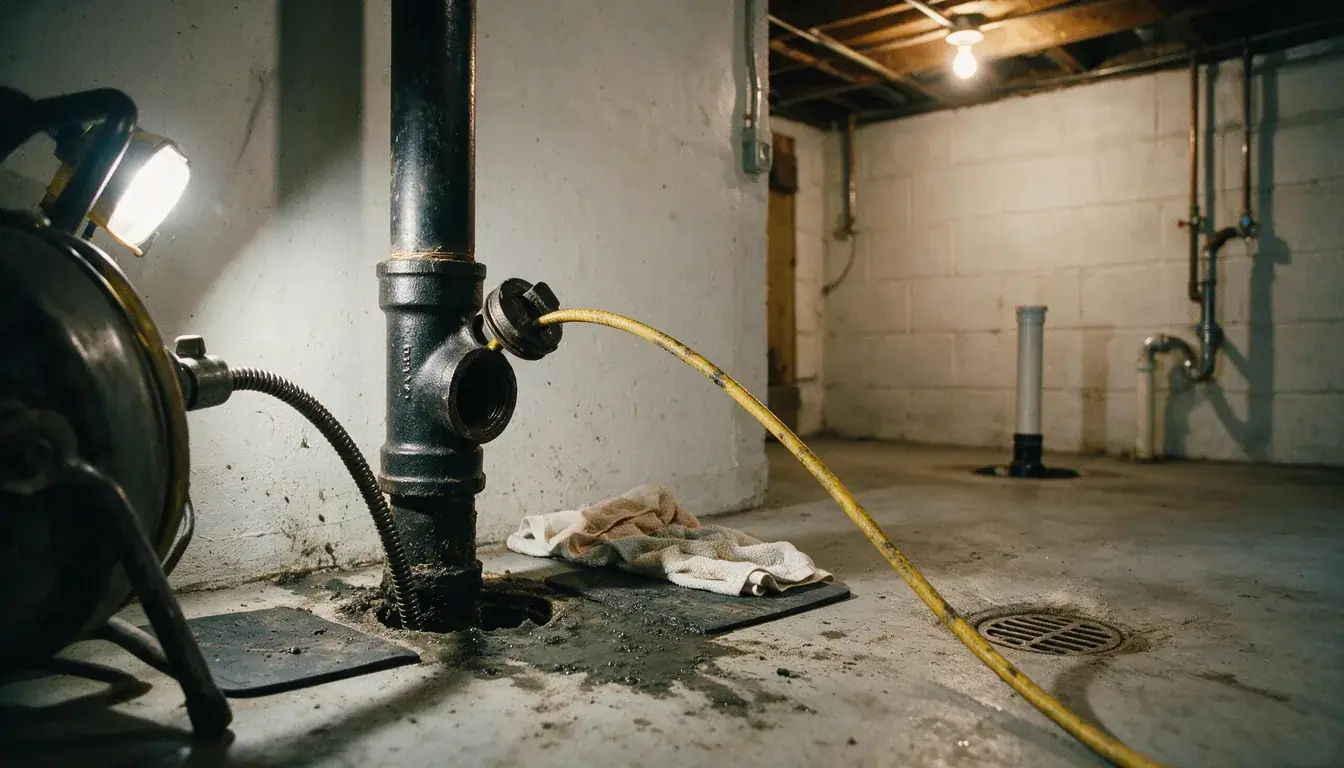
Emergency Drain Cleaning in Seattle, Washington
Drain Cleaning in Seattle, Washington clears clogged drains, slow drains, and backed-up sinks fast. Local conditions in Seattle: water measured at 1.8, a 12 frost line and a median home age of 50 years.
Active water damage compounds by the hour — the 24/7 line connects calls to independent local plumbers serving Seattle in our partner's network.
Who do I call for a clogged drain in Seattle?
A plumber for drain cleaning. One slow sink is routine; several fixtures backing up at once, or sewage coming up a floor drain, points to the main line and is urgent in any Seattle home.
What does the local plumbing data show for Seattle, WA?
Seeing these conditions at your place in Seattle? Describe them on the call to a state-licensed local plumber — free, no obligation.
What are the pipe conditions in Seattle, WA?
Drain cleaning in Seattle addresses two distinct problems: immediate blockage clearance (snake or jet, usually one visit) and the underlying condition causing recurring clogs (root intrusion, scale buildup, pipe belly, or grease accumulation requiring treatment beyond a single service call). The right approach depends on the root cause — a cable machine clears the blockage without revealing what caused it; a camera scope adds a separate charge but determines whether the drain will re-block in weeks or hold for years. AlertPlumber routes your call to an independent Washington-licensed plumber — ask them to price both options up front.
Seattle's housing stock spans multiple construction eras — median home age 50 years — meaning pipe materials and failure modes vary significantly by neighborhood and building vintage. An inspection-led approach that confirms pipe material before recommending a service path is standard practice for mixed housing profiles. Homes of other eras in Seattle may have galvanized pipe, copper pipe or polybutylene supply lines instead; ask the plumber which your home has.
- Median home age
- 50 yrs
- Water hardness
- 1.8 gpg
- Frost line
- 12 in.
- Permit
- City fee schedule
Census housing age, Seattle city, Washington: median year built 1976; 38.4% of homes built before 1960, 52.8% before 1980. Source: U.S. Census Bureau, ACS 2020–2024 5-year estimates, tables B25034 and B25035, read 2026-09-30.
Mention these conditions when you describe the symptom to the WA plumber you reach.
What local infrastructure shapes Drain Cleaning in Seattle?
Seattle Public Utilities delivers Cedar River and South Fork Tolt River watershed supply at approximately 1.8 grains per gallon — soft, mountain-sourced water with minimal dissolved minerals. Scale does not accumulate in drain lines in this water chemistry; grease deposits form as soft, adhesive layers at horizontal runs and trap configurations without calcium binding.
Post-war construction with a 50-year median home age spans the cast iron era of the 1950s and 1960s and the PVC transition of the 1970s. Seattle's older neighborhoods — Capitol Hill, Fremont, Columbia City — carry original cast iron drain stacks with developing interior corrosion, and clay tile lateral connections in the hillside neighborhoods where crawl space construction is common. Root intrusion at clay tile laterals is a documented failure pattern given Seattle's heavy tree canopy and wet soil conditions that promote root growth toward drain line joints.
Seattle Department of Construction and Inspections does not require a permit for drain cleaning through an existing cleanout. Drain line repair, cleanout installation, or lateral modification requires a permit at the scheduled fee. About 98% of properties connect to SPU's combined sewer system, which affects lateral configuration and the cleanout access point for service. Hydro-jetting at 1,500–2,500 PSI is appropriate for soft-water grease deposits and root mass in cast iron and clay tile lines; pre-jetting camera inspection is standard for post-war cast iron in homes exceeding 60 years, with jetting pressure held conservative where corrosion thinning is identified. Permit fee ranges: permit fee estimator.
What shapes plumbing demand in Seattle, WA?
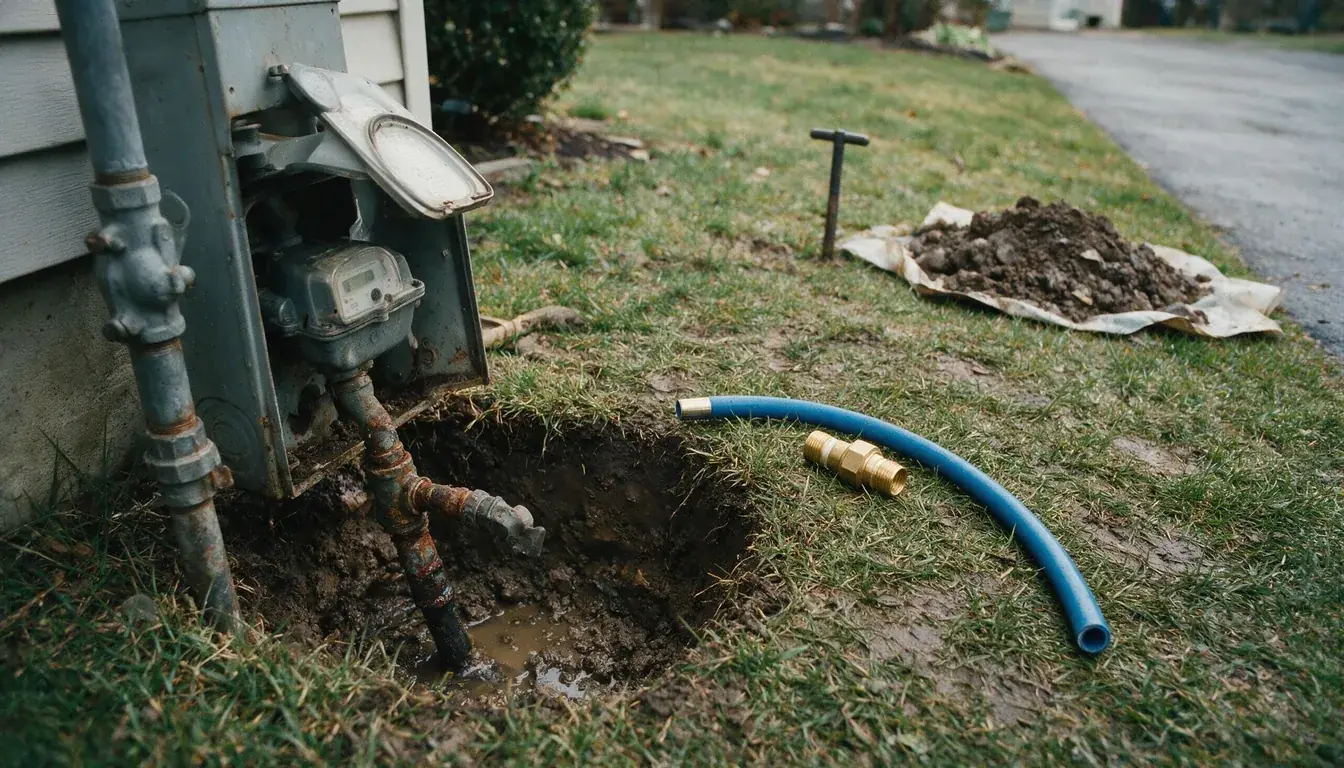
1950s–70s copper supply is now 50–70 years into its service cycle in Seattle. Thermal fatigue at fittings and slab-on-grade access complexity — common in Sun Belt construction — make repair vs. replacement a live decision on most jobs. This housing cohort is the active primary replacement wave in this market.
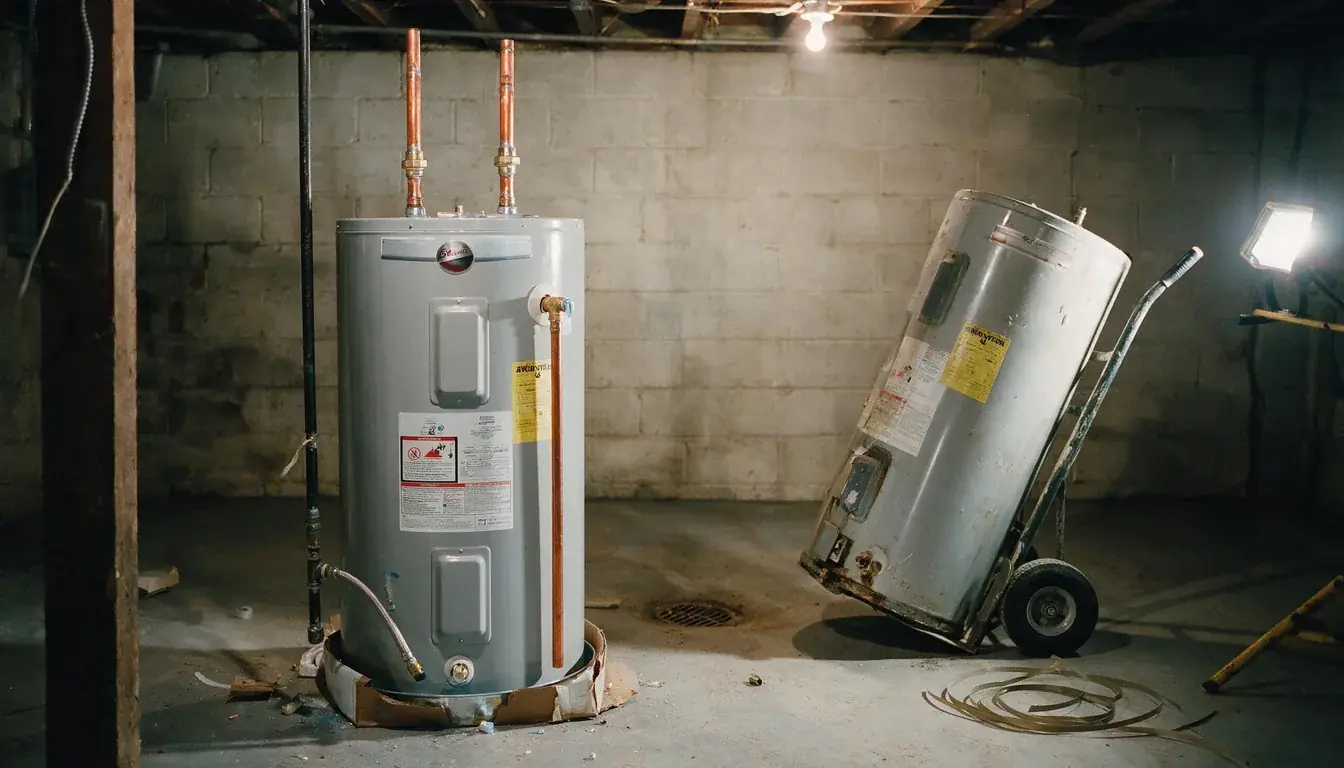
Soft, slightly acidic water in Seattle is corrosive to copper pipe and solder joints — the opposite failure pattern from hard-water markets. Pinhole failure at fittings and elbows is the dominant non-emergency repair category. Anode rods also deplete faster in soft water, shortening effective tank life without timely replacement.
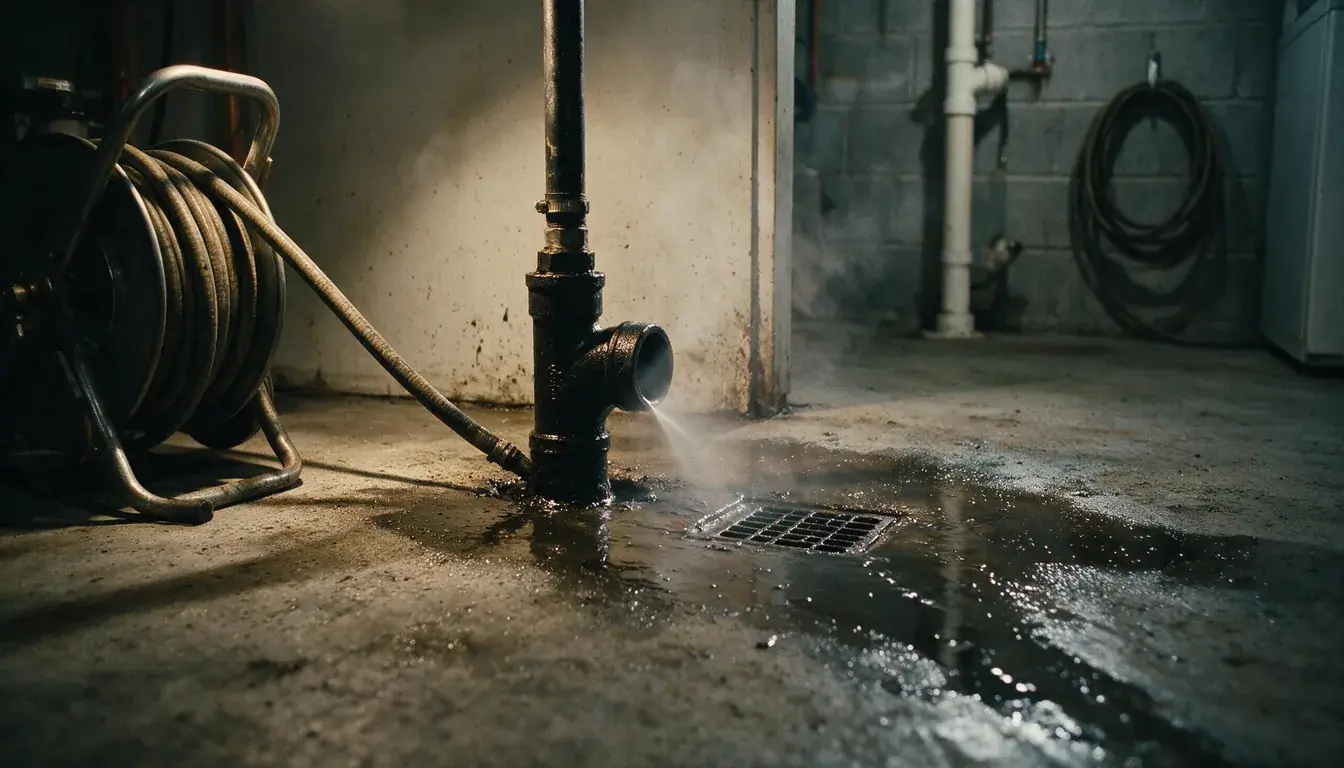
Without a hard freeze season, demand in Seattle distributes evenly through the year. Maintenance-driven categories dominate: end-of-life water heater replacement, root intrusion clearing, and fixture repair. Deferred maintenance surfaces gradually as partial failures rather than acute winter emergencies — which means issues compound silently until they become a larger job.
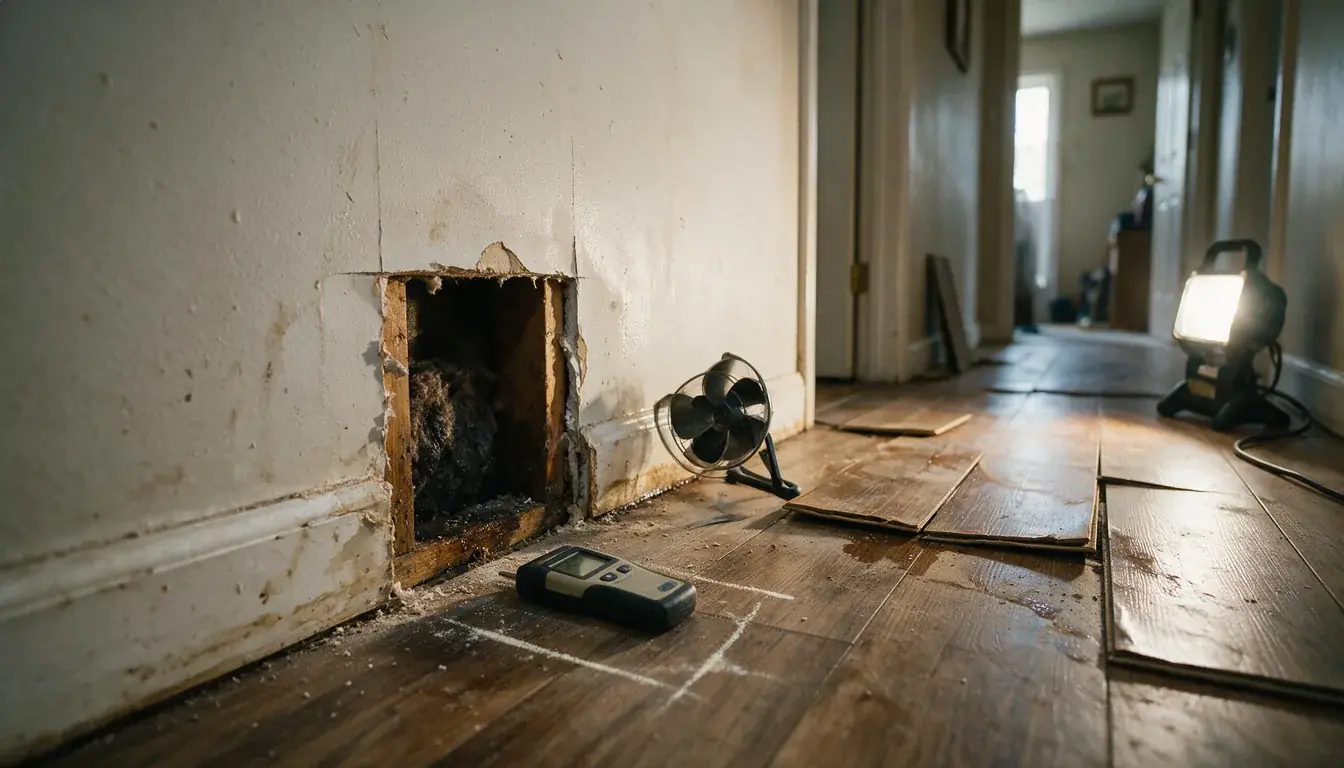
Active damage in Seattle — how is it contained, assessed and restored?
Submit your Seattle address and describe the active damage — flooding, failed shutoff, burst or frozen line. AlertPlumber passes the request to an independent WA-licensed plumber in its partner's network — ask them to confirm receipt and give you an arrival window.
On arrival, ask the plumber to locate the nearest shutoff and map the damage boundary — affected lines, access points, material condition — and to tell you what requires immediate containment and what can wait until the full repair scope is confirmed.
Ask for a written containment and repair scope to approve before any work begins, with temporary isolation priced separately from full restoration. Give your explicit sign-off before each phase proceeds.
Drain Cleaning cost calculator — Seattle
Pre-filled for drain cleaning in Seattle. Adjust the ZIP for a neighboring area, or change the service to compare. Calculator pulls from the city's scraped permit-fee + state plumber-density data.
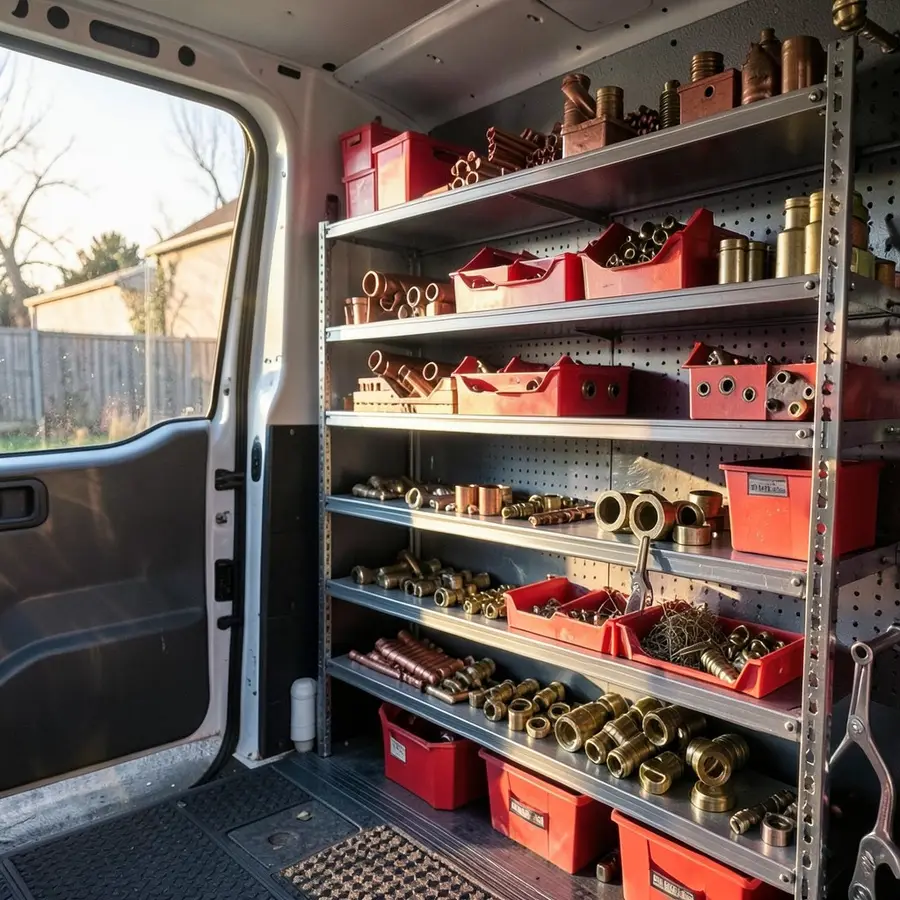
Drain Cleaning in Seattle — the longer it runs, the more it costs.
Slow failures compound: soft pipe walls, root penetration, mineral buildup. Ask the plumber you reach for a scope-first estimate before anything is dug up.
What else do people ask about drain cleaning in Seattle?
How much does drain cleaning cost in Seattle, WA?
Drain cleaning in Seattle typically runs less for a single fixture than for a main-line clog requiring hydro jetting. Pricing reflects the City of Seattle permit floor of the scheduled fee (one of the highest in the West) plus the labor premium for root-intrusion work that drives a majority of Seattle drain calls, especially in older Ballard, Wallingford, and Beacon Hill bungalows. Price ranges: drain cleaning cost guide.
How fast can a Seattle-area plumber arrive for a clogged drain?
Arrival times depend on which independent plumber takes the call, the time of day and the season — ask for an arrival window on the call. King County traffic is the main delay variable — calls north of the Ship Canal during weekday rush hour run at the high end. independent plumber confirms a specific ETA on the callback.
Do I need a permit for drain cleaning in Seattle?
No permit is required for routine fixture snaking. A permit IS required for any drain-line replacement, sewer-lateral repair, or work in the right-of-way. Seattle Department of Construction and Inspections charges the scheduled fee for the basic plumbing permit. Seattle Public Utilities also requires a side-sewer permit (separate fee) for any work on the lateral between the home and the public main. Permit fee ranges: permit fee estimator.
What causes most drain clogs in Seattle homes?
The dominant cause in Seattle is cedar, fir, and laurel root intrusion through aging clay and concrete sewer laterals — Seattle housing median build is 1959 and many original laterals are now 60+ years old running under mature urban-forest canopy. The 37 inches of annual rainfall pushes groundwater into pipe joints, which roots follow. Secondary causes are storm-drain backups during heavy fall and winter rains.
Does Washington homeowners insurance cover Seattle drain cleaning?
Standard Washington homeowners policies typically do NOT cover routine drain cleaning, but most major carriers offer a sewer-backup endorsement covering damage from a backup. Given the prevalence of root-intrusion lateral failures and the storm-drain inflow risk during Seattle atmospheric river events, the endorsement is strongly recommended. Premium adds typically run a scope-based price annually. Price ranges: drain cleaning cost guide.
Should I pour a chemical drain cleaner first in Seattle?
Most Seattle plumbers recommend AGAINST chemical cleaners. They will not clear root intrusion (the dominant Seattle clog cause), they damage aging clay-pipe joints common in pre-1970 Seattle housing, and they create disposal and worker-safety problems. Mechanical root-cutting and hydro jetting are the only approaches that actually solve Seattle sewer-lateral issues.
Snake versus hydro jet for a Seattle sewer line?
For Seattle root intrusion, the standard sequence is cable root-cutting first to break up the mass, then hydro jetting at 3,000-4,000 PSI to flush the cut roots and scour the pipe wall. Cedar River-fed Seattle water is very soft (1.8 gpg) so mineral scale is rare; the issue is almost always organic root invasion. Seattle hydro jetting runs a scope-based price. Price ranges: drain cleaning cost guide.
How often should Seattle homeowners clean the sewer lateral?
Seattle homes with mature evergreens over the lateral path benefit from annual root-cutting and a sewer-camera inspection every 2 years. After heavy autumn storms, watching for slow drains in the lowest fixtures (basement floor drain, ground-floor toilet) catches a developing backup early. Seattle Public Utilities documents historical lateral failures by neighborhood — homes in known fail zones should inspect more often.
How do I check the license of a plumber in Washington?
Yes. Every plumber reached through AlertPlumber in Seattle holds an active Washington Department of Labor and Industries plumber certificate (PL01 or PL02 specialty). AlertPlumber verifies certificates against the state database (~9,860 active WA plumbers statewide) so an uncertified contractor never reaches your home.
Will the Seattle plumber pull the side-sewer permit?
Yes for any work that requires it. The independent plumber reached through AlertPlumber pulls the Seattle Department of Construction and Inspections plumbing permit AND the Seattle Public Utilities side-sewer permit when applicable, schedules inspection, and provides closed-out documentation. Make sure both permit costs are itemized in the over-phone quote before you accept the work.
The fix gets cheaper the sooner a plumber sees it.
Degradation problems compound quietly. Call now, or use the form below to reach an independent Washington plumber, and ask for an estimate for the drain cleaning — you are under no obligation.
Need a drain cleaning callback in Seattle?
In a meeting, with the kids, or just prefer not to call? Drop your ZIP and number below. AlertPlumber sends your request to our routing partner — if a participating plumber serves your area, they may call you back directly. For anything urgent, call the number on this page.
- 1 Submit your info. ZIP, phone, and what kind of work you need.
- 2 AlertPlumber passes it on to our routing partner for your area.
- 3 If a participating plumber serves your area, they may call you back. Ask for a written estimate before work starts.
Drain Cleaning in Seattle — catch it early
Degradation-driven failures worsen over time and cost more to fix the longer they run. Ask the independent WA plumber you reach in Seattle to diagnose your specific condition and put the scope in writing before any work begins.