
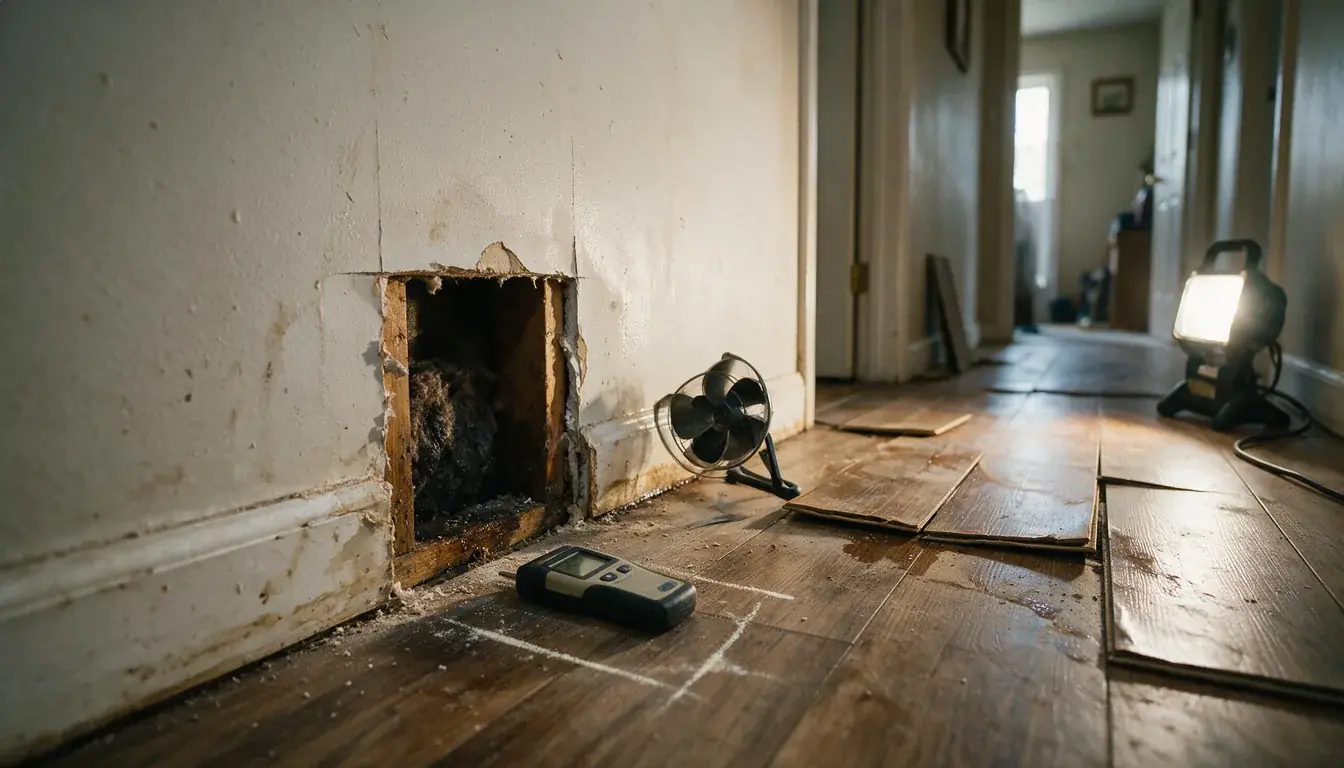
Emergency Leak Detection in Seattle, Washington
Leak Detection in Seattle, Washington locates hidden water and gas leaks using acoustic and thermal equipment. Local conditions in Seattle: water measured at 1.8, a 12 frost line and a median home age of 50 years.
Camera first, quote second — know exactly what's wrong in your Seattle home before you approve a dollar.
Is leak detection in Seattle, WA the right job?
- Burst Pipe Repair in Seattle
- Water is spraying or leaking from a visibly split pipe, and the damaged section needs repair.
- Frozen Pipe Repair in Seattle
- A tap has stopped flowing in freezing weather, and a frozen pipe needs to be checked and thawed.
- Water Line Repair in Seattle
- Low pressure or water pooling between the meter and the house may point to an incoming water line that needs repair.
- Slab Leak Repair in Seattle
- A wet or warm patch on a concrete floor may mean a leaking pipe beneath the slab needs repair.
Who do I call for a hidden leak in Seattle?
A plumber who offers leak detection. Ask what method they use (acoustic, thermal imaging or a pressure test) and whether finding the leak and repairing it are quoted separately. A hidden leak becomes urgent in a Seattle home when water is visible on a ceiling, wall or floor.
What does the local plumbing data show for Seattle, WA?
Seeing these conditions at your place in Seattle? Describe them on the call to a state-licensed local plumber — free, no obligation.
What are the pipe conditions in Seattle, WA?
Non-invasive leak detection uses acoustic amplification, thermal imaging, and pressure isolation to locate water loss in supply lines and drain systems without opening walls or floors. Seattle homes with galvanized or older copper supply runs face the highest pinhole leak incidence — a slow leak inside a wall cavity can cause mold and structural damage for months before becoming visible. A professional leak detection prevents unnecessary demolition by confirming the exact break location before any drywall is cut. AlertPlumber connects your call with an independent Washington-licensed plumber — ask them to locate first and open second. Persistent marine moisture and seasonal dampness drive above-average demand for leak detection and sump pump service in this region.
Seattle's housing stock spans multiple construction eras — median home age 50 years — meaning pipe materials and failure modes vary significantly by neighborhood and building vintage. An inspection-led approach that confirms pipe material before recommending a service path is standard practice for mixed housing profiles. Homes of other eras in Seattle may have galvanized pipe, copper pipe or polybutylene supply lines instead; ask the plumber which your home has.
- Median home age
- 50 yrs
- Water hardness
- 1.8 gpg
- Frost line
- 12 in.
- Lead lines
- Active replacement
- Permit
- City fee schedule
Census housing age, Seattle city, Washington: median year built 1976; 38.4% of homes built before 1960, 52.8% before 1980. Source: U.S. Census Bureau, ACS 2020–2024 5-year estimates, tables B25034 and B25035, read 2026-09-30.
Mention these conditions when you describe the symptom to the WA plumber you reach.
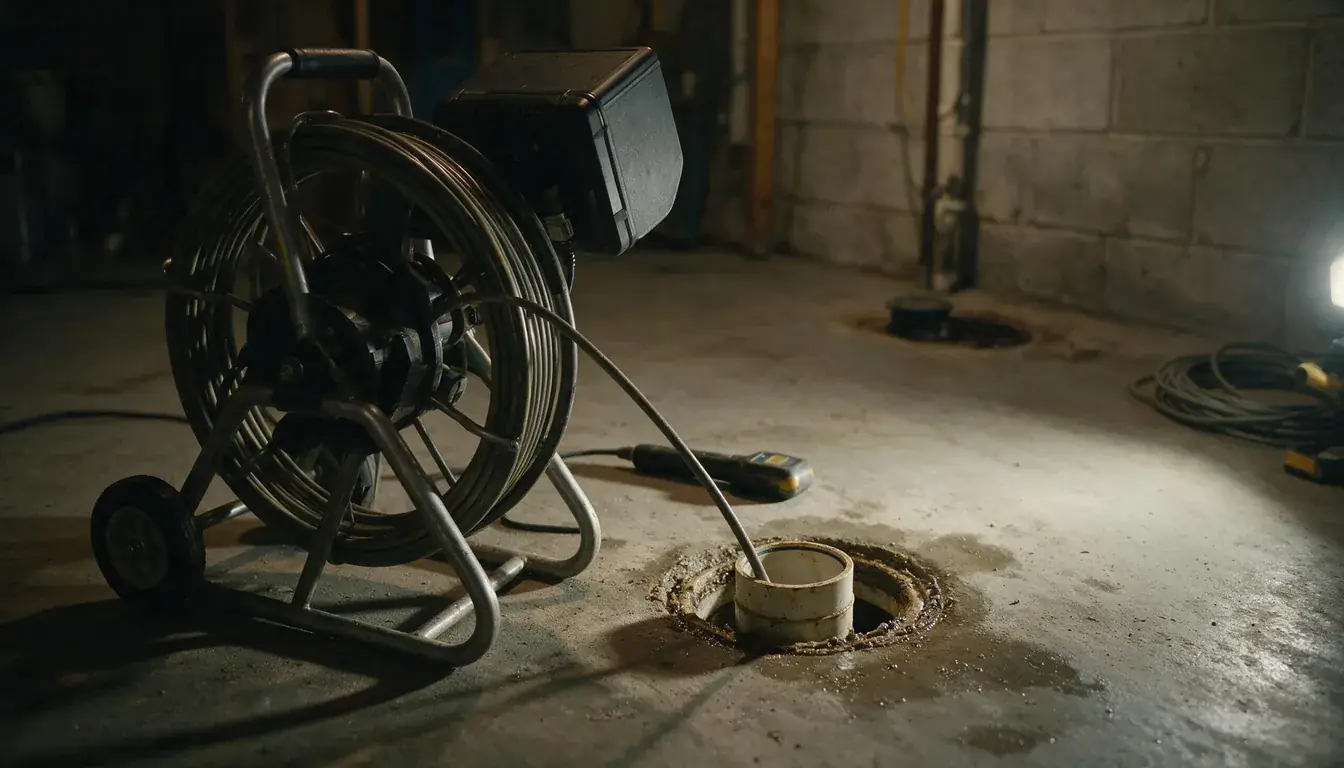
What local infrastructure shapes Leak Detection in Seattle?
Post-war housing averaging 65 years of age here was plumbed predominantly with copper supply lines during the 1950s–1970s construction boom, and Seattle Public Utilities Tolt and Cedar River supply delivers exceptionally soft water at approximately 1.8 grains per gallon. Soft water chemistry is corrosive to copper — without dissolved calcium to form a protective scale layer, slightly acidic water leaches copper ions directly from interior pipe walls, a mechanism that produces pinhole failures in 1960s–1980s copper runs well before the material's theoretical service life is reached.
Acoustic leak detection identifies the pressure-noise signature of an active copper pinhole in wall-cavity supply runs, localizing the failure before exploratory wall openings are made. Seattle's mild climate means wall-cavity copper runs do not face freeze-related stress, but the year-round wet conditions mean that small leaks behind original fir plaster walls can remain undetected for extended periods while moisture accumulates in wall assemblies.
Seattle permits require a fee for detection and repair work before walls are closed. Seattle Public Utilities coordinates water meter isolation for supply-side repairs. Post-repair pressure testing to Washington State Plumbing Code is required before permit closure. Approximately 1,800 active lead service lines remain mapped in the distribution system, primarily in pre-1940 neighborhoods — material verification before copper repair scope is finalized ensures the correct repair material is selected at the service connection. Permit fee ranges: permit fee estimator.
What shapes plumbing demand in Seattle, WA?
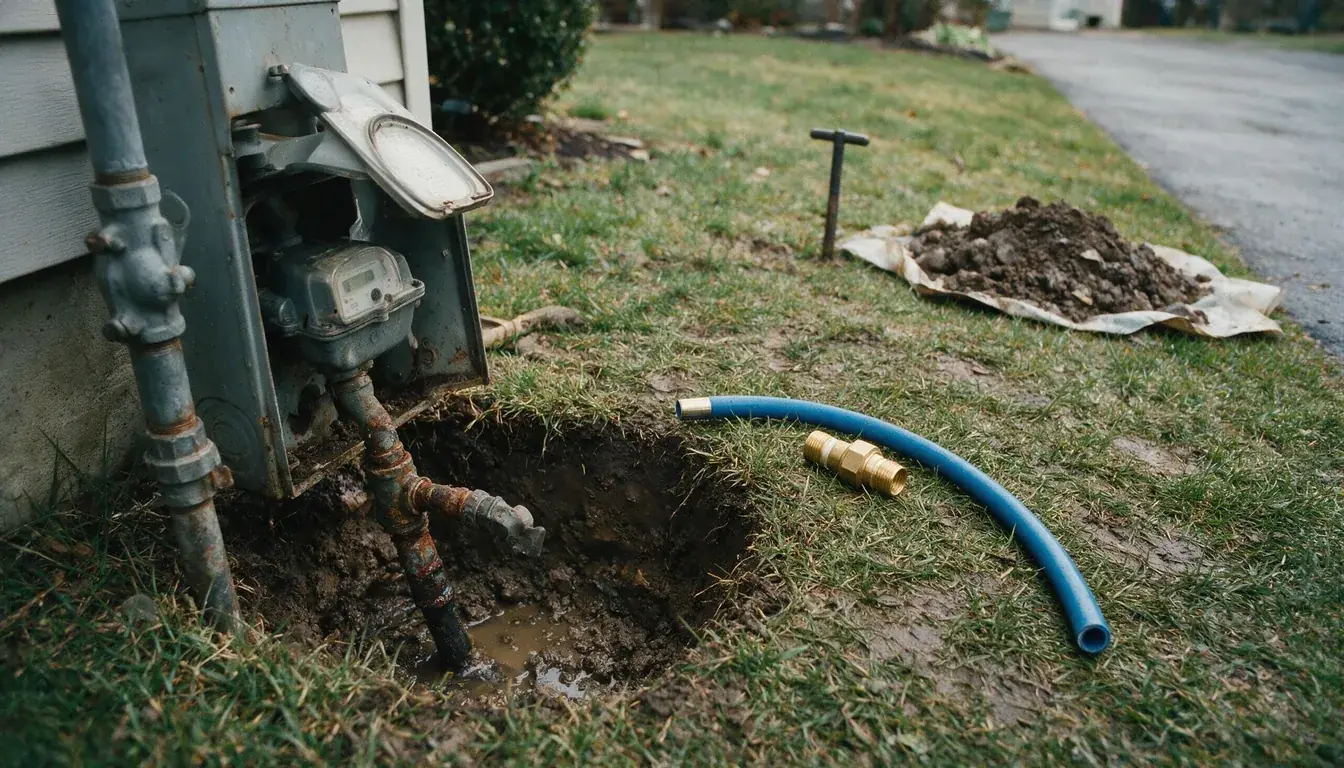
1950s–70s copper supply is now 50–70 years into its service cycle in Seattle. Thermal fatigue at fittings and slab-on-grade access complexity — common in Sun Belt construction — make repair vs. replacement a live decision on most jobs. This housing cohort is the active primary replacement wave in this market.
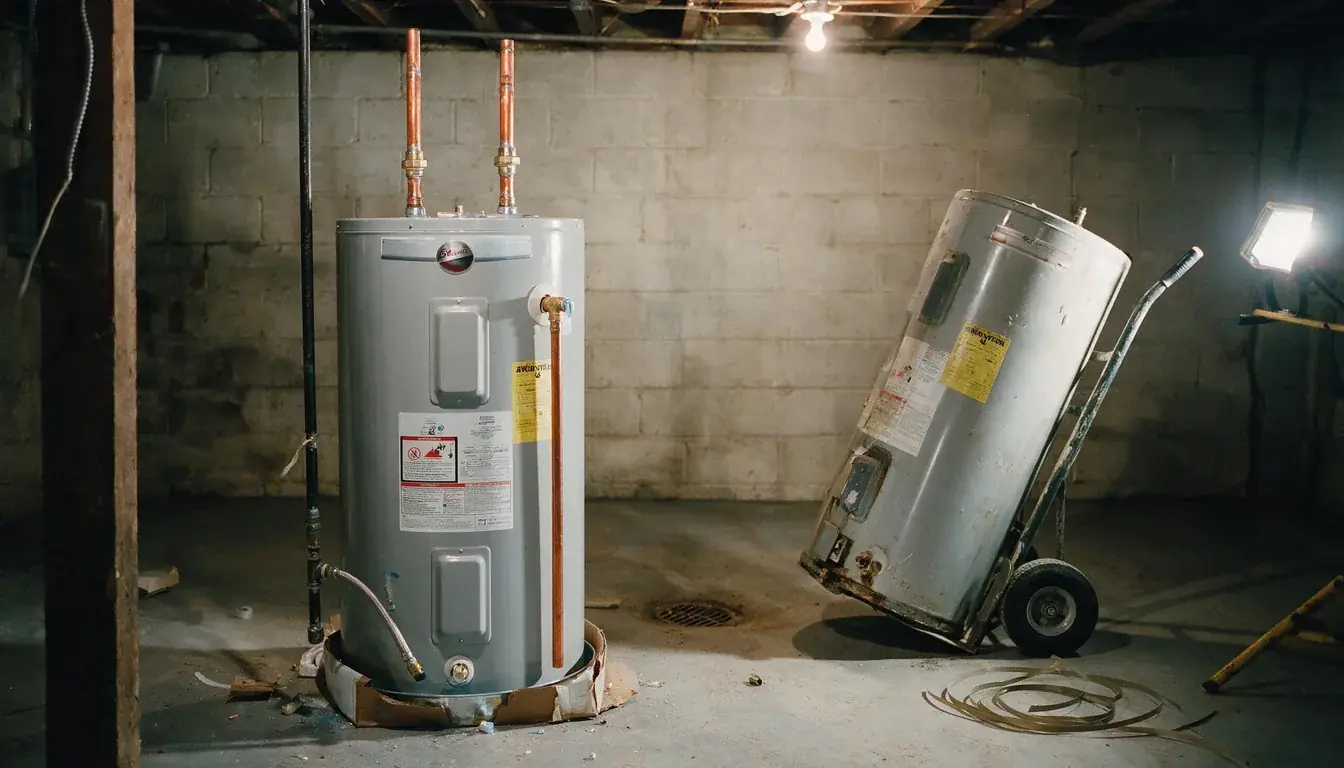
Soft, slightly acidic water in Seattle is corrosive to copper pipe and solder joints — the opposite failure pattern from hard-water markets. Pinhole failure at fittings and elbows is the dominant non-emergency repair category. Anode rods also deplete faster in soft water, shortening effective tank life without timely replacement.
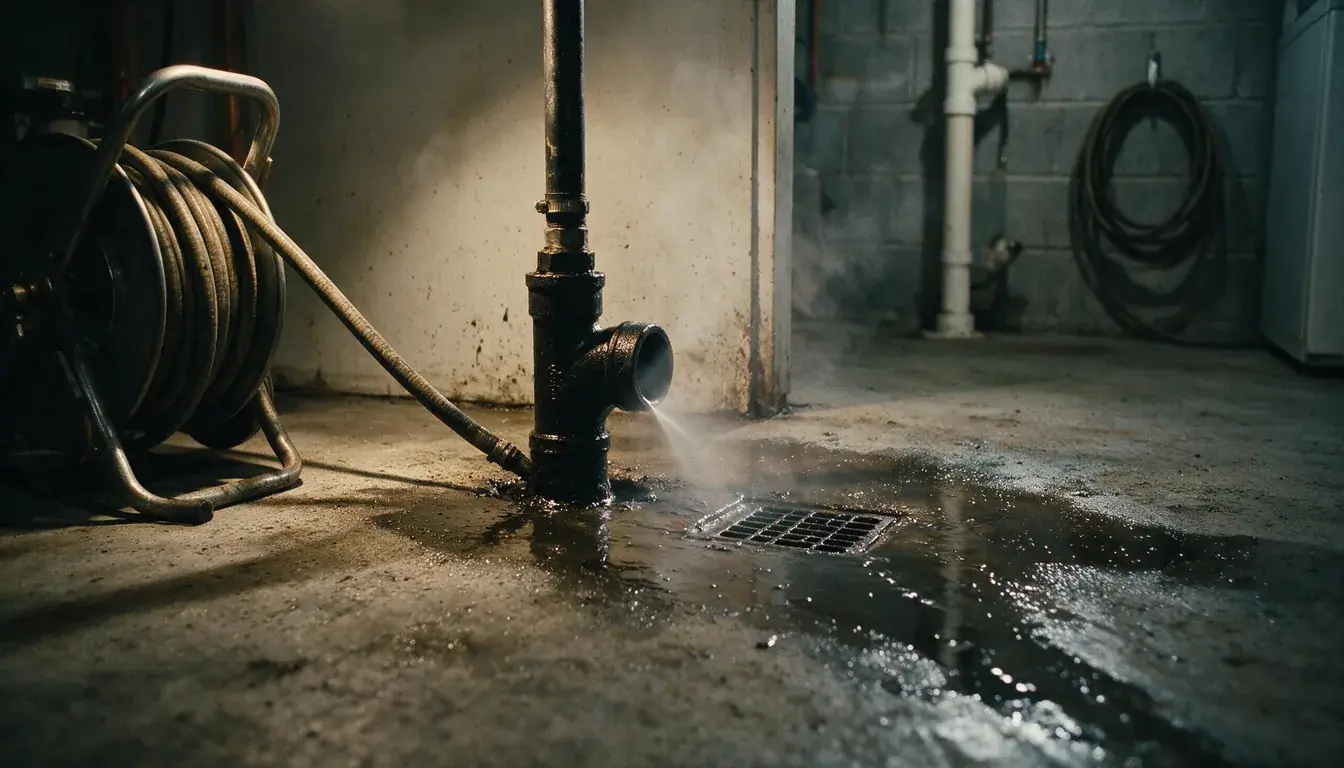
Without a hard freeze season, demand in Seattle distributes evenly through the year. Maintenance-driven categories dominate: end-of-life water heater replacement, root intrusion clearing, and fixture repair. Deferred maintenance surfaces gradually as partial failures rather than acute winter emergencies — which means issues compound silently until they become a larger job.
Why diagnose before repairing in Seattle?
Describe the symptom — not the repair. AlertPlumber routes the call to an independent WA-licensed plumber in its partner's network — ask whether the site visit will use camera tracing, acoustic detection, or hydrostatic pressure testing matched to the reported failure type.
Ask the plumber for a written diagnostic report: confirmed failure location, available repair methods, and tradeoffs — disruption level, material durability, long-term cost, and whether a Seattle building permit applies to the selected method.
You select the repair path. Ask for a fixed scope and price on the authorized method before the Washington-licensed plumber proceeds and, where required, who files the permit application to Seattle.
Leak Detection cost calculator — Seattle
Pre-filled for leak detection in Seattle. Adjust the ZIP for a neighboring area, or change the service to compare. Calculator pulls from the city's scraped permit-fee + state plumber-density data.
Leak Detection in Seattle — the longer it runs, the more it costs.
Slow failures compound: soft pipe walls, root penetration, mineral buildup. Ask the plumber you reach for a scope-first estimate before anything is dug up.
What else do people ask about leak detection in Seattle?
What are the early signs of a hidden water leak in a Seattle home?
A water bill spike of more than 10–15% month-over-month with no usage change is the first indicator. Other signs: the sound of running water when all fixtures are off, warm spots on the floor (hot-water supply leak), unexplained damp drywall or bubbled paint, mold or mildew smell inside walls, and reduced pressure at specific fixtures. The water meter test confirms: shut off all fixtures and valves, wait 30 minutes, and check the meter dial — any movement indicates an active leak somewhere in the supply system.
What are the different leak detection methods and when is each used?
Acoustic detection picks up pipe noise through floors and walls using electronic amplification — effective for pressurized supply leaks in accessible locations. Thermal imaging identifies temperature differentials at the surface above a hot or cold leak — useful through walls and below slab tile. Tracer gas (helium or nitrogen/hydrogen mix) fills the pipe under pressure and a sniffer probe locates escape points precisely — the most accurate method and appropriate for slab or buried pipe scenarios. Experienced plumbers carry multiple tools and choose based on your floor construction and pipe routing.
Can a leak run inside a wall for months without visible surface damage?
Yes. A copper hairpin leak at 0.1–0.2 GPM inside a wall cavity can run for 6–12 months without breaking through drywall, depending on paint type, framing orientation, and whether the floor framing is absorbing the moisture. The sustained humidity is enough to grow mold inside the cavity long before visible staining appears at the surface. A water meter test costs nothing and takes 30 minutes — it's the fastest homeowner-accessible check for any unexplained bill increase.
Does leak detection require opening walls or floors?
Not as a first step. Acoustic and thermal methods are non-invasive and can narrow the leak to a specific section or wall bay before any access is opened. If these methods identify a location, the plumber will open a targeted 6–12 inch access panel to confirm visually before making the repair. The goal is to minimize destructive access — precision matters because wall repair and painting is a real additional cost. A well-equipped plumber rarely needs to open more than one or two panels to confirm a location identified non-invasively.
How much does a hidden leak cost in water waste over a year?
A small slab or supply leak running at 0.5 GPM loses approximately 700 gallons per day — a scope-based price depending on Seattle's water rate, or a scope-based price in wasted water alone, before accounting for property damage. At 1 GPM (a moderate slab leak), the annual water cost reaches a scope-based price. These figures exclude the cost of mold remediation, drywall repair, and flooring replacement if the leak runs for months undetected. Price ranges: leak detection cost guide.
How does Seattle's water hardness (1.8) affect leak detection?
Seattle water is very soft (1.8), so mineral scale is not a significant driver of leak detection issues there. Corrosion-related problems (soft water can be slightly more aggressive toward copper over long periods) and age-related pipe deterioration are more common concerns in Seattle than hard-water scaling.
How does Seattle's median home age (50 years) affect leak detection pricing?
Census data (American Community Survey) puts Seattle's median home age at 50 years. Age alone does not tell you what pipes a particular home has. Older homes may still have galvanized pipe, cast-iron drains or Orangeburg sewer laterals; homes built from the late 1970s to the mid-1990s may have polybutylene supply lines; and many homes of every age have been partly or fully repiped with copper pipe or PEX since. Ask the plumber what pipe materials your home has and whether they change the scope or the price of the job — a pipe material check is a reasonable part of a diagnostic visit.
What do lead service lines mean for leak detection decisions in Seattle?
Seattle has a documented lead service line inventory (1,800). Any disturbance to the service line or interior supply connections in a home with lead pipe should include documentation of materials and discussion of LSL replacement options with the city. Seattle's utility department can confirm whether your specific address is scheduled for replacement.
What affects the cost of leak detection in Seattle, WA?
Detection method (acoustic, thermal imaging, or tracer gas injection) and the number of suspect zones being tested determine the base rate. Slab-embedded systems require more intensive equipment and time than above-slab systems with visible moisture indicators. Leak location and zone count are documented before any repair scope is opened. Ask the plumber for a written estimate covering price, scope, and permit requirements before any work begins.
How do I check a plumber's license in Washington?
AlertPlumber does not license, vet or employ plumbers; calls are connected to independent local plumbers in our partner's network. Before work begins, ask the plumber for their Washington license number and look it up on the Washington licensing board's public database — it shows current standing, including any recent disciplinary actions, renewals, or lapses. Bonding, liability-coverage and continuing-education rules vary by state; ask for proof of insurance as well.
Does AlertPlumber charge a fee for connecting me with a plumber in Seattle?
AlertPlumber does not charge homeowners. AlertPlumber is paid a referral fee by its routing partner for qualifying calls — it is not an added charge to you. Ask the plumber for a written price before any work begins; if the quote doesn't fit your situation, you can decline at any point.
The fix gets cheaper the sooner a plumber sees it.
Degradation problems compound quietly. Call now, or use the form below to reach an independent Washington plumber, and ask for an estimate for the leak detection — you are under no obligation.
Need a leak detection callback in Seattle?
In a meeting, with the kids, or just prefer not to call? Drop your ZIP and number below. AlertPlumber sends your request to our routing partner — if a participating plumber serves your area, they may call you back directly. For anything urgent, call the number on this page.
- 1 Submit your info. ZIP, phone, and what kind of work you need.
- 2 AlertPlumber passes it on to our routing partner for your area.
- 3 If a participating plumber serves your area, they may call you back. Ask for a written estimate before work starts.
Leak Detection in Seattle — catch it early
Degradation-driven failures worsen over time and cost more to fix the longer they run. Ask the independent WA plumber you reach in Seattle to diagnose your specific condition and put the scope in writing before any work begins.