
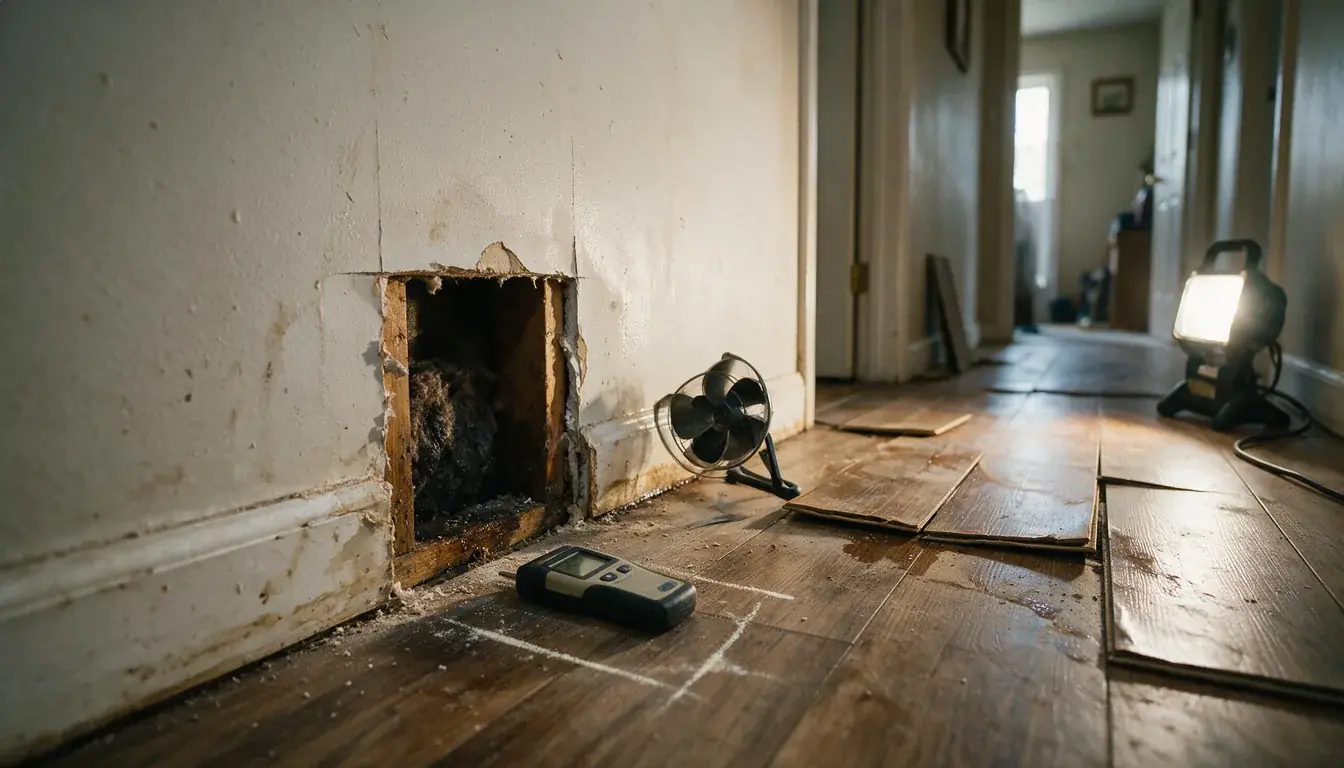
Emergency Leak Detection in Baltimore, Maryland
Leak Detection in Baltimore, Maryland locates hidden water and gas leaks using acoustic and thermal equipment. Local conditions in Baltimore: water measured at 5, a 30 frost line and a median home age of 78 years.
Camera first, quote second — know exactly what's wrong in your Baltimore home before you approve a dollar.
Who do I call for a hidden leak in Baltimore?
A plumber who offers leak detection. Ask what method they use (acoustic, thermal imaging or a pressure test) and whether finding the leak and repairing it are quoted separately. A hidden leak becomes urgent in a Baltimore home when water is visible on a ceiling, wall or floor.
What does the local plumbing data show for Baltimore, MD?
Seeing these conditions at your place in Baltimore? Describe them on the call to a state-licensed local plumber — free, no obligation.
What are the pipe conditions in Baltimore, MD?
Non-invasive leak detection uses acoustic amplification, thermal imaging, and pressure isolation to locate water loss in supply lines and drain systems without opening walls or floors. Baltimore homes with galvanized or older copper supply runs face the highest pinhole leak incidence — a slow leak inside a wall cavity can cause mold and structural damage for months before becoming visible. A professional leak detection prevents unnecessary demolition by confirming the exact break location before any drywall is cut. AlertPlumber connects your call with an independent Maryland-licensed plumber — ask them to locate first and open second.
Baltimore's water utility maintains an active lead service line (LSL) replacement program. With a median home age of 78 years, a portion of the housing stock may still have lead service laterals connecting the water main to interior supply — a consideration during any work near the service entry point. Ask a licensed plumber to confirm whether supply-side work requires utility coordination. Homes of other eras in Baltimore may have galvanized pipe, copper pipe or polybutylene supply lines instead; ask the plumber which your home has.
Frost line depth in Baltimore means supply lines and outdoor plumbing must be installed below the freeze threshold — typically 30 — to prevent pipe burst during cold events. Exterior hose bibs, irrigation shutoffs, and any exposed pipe runs are the most common winterization service points in freeze-risk markets.
- Median home age
- 78 yrs
- Water hardness
- 5 gpg
- Frost line
- 30 in.
- Lead lines
- Active replacement
- Permit
- City fee schedule
Census housing age, Baltimore city, Maryland: median year built 1947; 67.5% of homes built before 1960, 81.6% before 1980. Source: U.S. Census Bureau, ACS 2020–2024 5-year estimates, tables B25034 and B25035, read 2026-09-30.
Mention these conditions when you describe the symptom to the MD plumber you reach.
What shapes plumbing demand in Baltimore, MD?
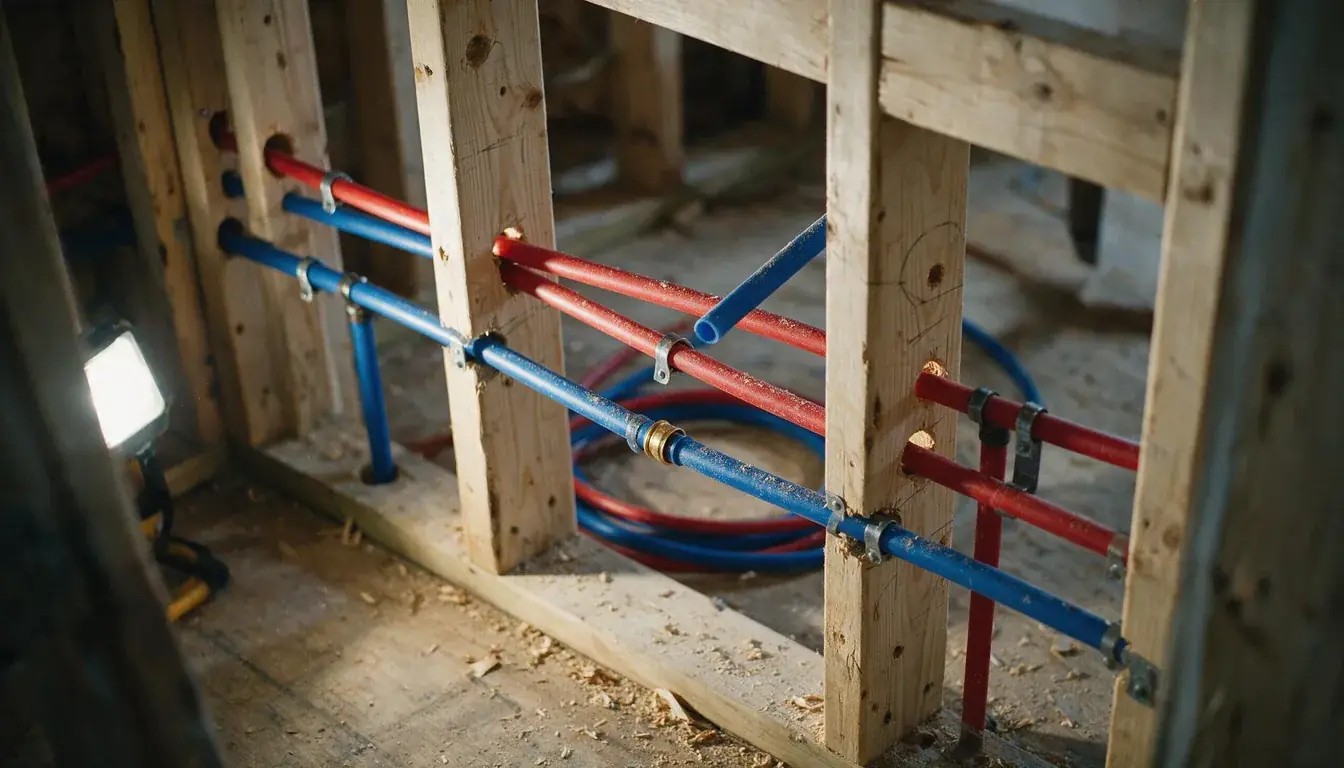
Galvanized supply lines and cast iron drain systems from the 1880s–1940s are past their 40–70-year design life across much of Baltimore. Interior rust scale progressively narrows pipe bore. Plumbers here routinely scope supply lines before quoting any repair — the underlying pipe condition often makes full replacement more cost-effective than patching.
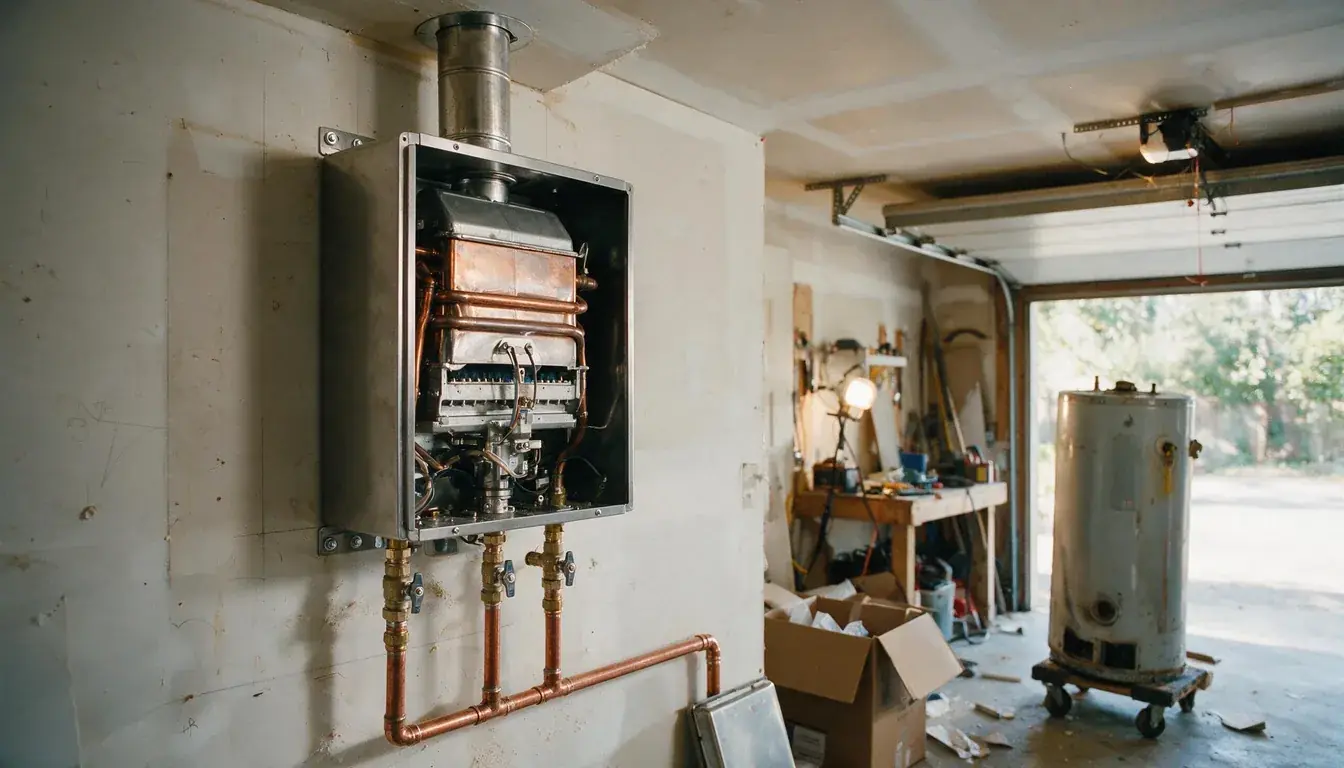
4–7 GPG produces gradual scale that stays manageable with standard maintenance intervals in Baltimore — annual flushing, cartridge cleaning every 1–2 years. Equipment runs near design lifespan. The primary water quality driver here is preventive maintenance rather than emergency replacement, which distributes service demand more evenly across the calendar.
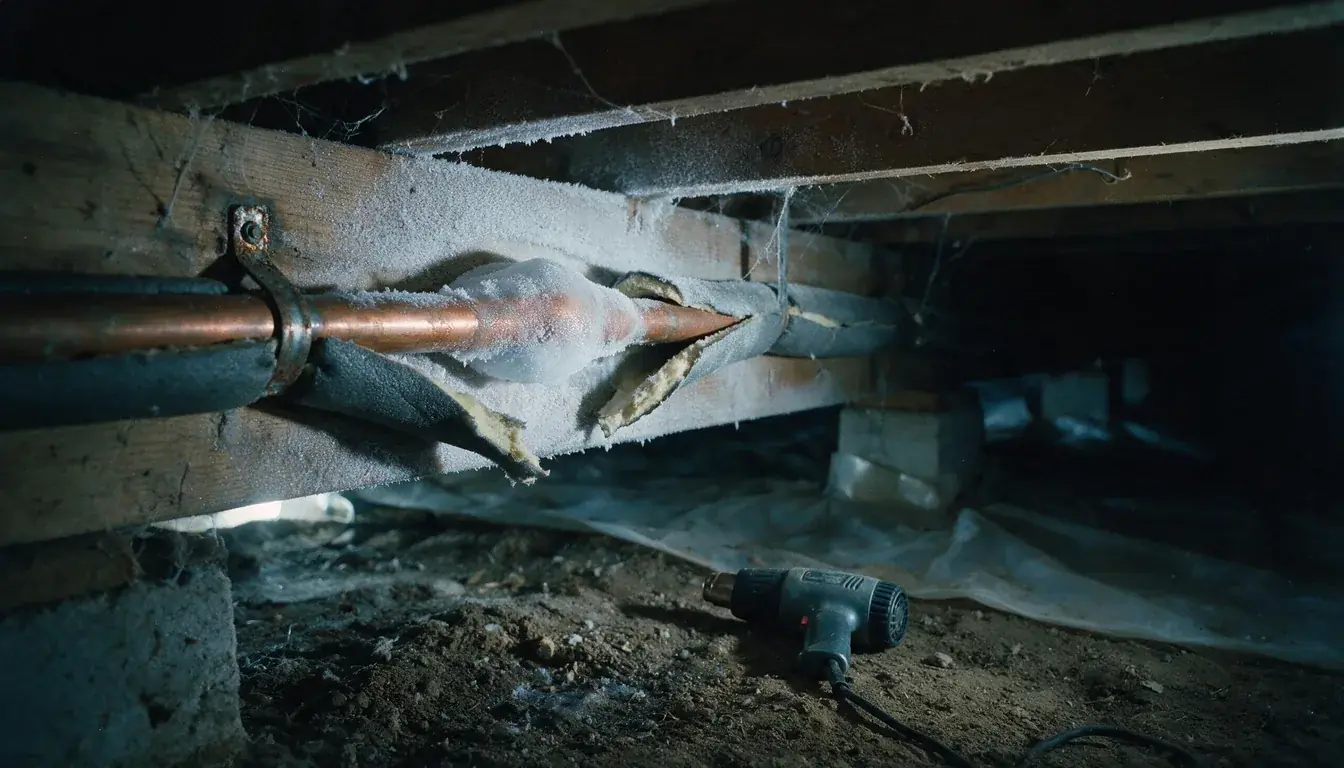
The primary surge in Baltimore runs January–March, with a secondary wave at the spring thaw — when pipes that held through the freeze rupture as pressure is restored above 32°F. Scheduling competition peaks exactly when emergency calls are highest. Homeowners who wait for visible damage compete for the same limited plumber slots at the worst possible time.
Why diagnose before repairing in Baltimore?
Describe the symptom — not the repair. AlertPlumber routes the call to an independent MD-licensed plumber in its partner's network — ask whether the site visit will use camera tracing, acoustic detection, or hydrostatic pressure testing matched to the reported failure type.
Ask the plumber for a written diagnostic report: confirmed failure location, available repair methods, and tradeoffs — disruption level, material durability, long-term cost, and whether a Baltimore building permit applies to the selected method.
You select the repair path. Ask for a fixed scope and price on the authorized method before the Maryland-licensed plumber proceeds and, where required, who files the permit application to Baltimore.
Leak Detection cost calculator — Baltimore
Pre-filled for leak detection in Baltimore. Adjust the ZIP for a neighboring area, or change the service to compare. Calculator pulls from the city's scraped permit-fee + state plumber-density data.

Leak Detection in Baltimore — the longer it runs, the more it costs.
Slow failures compound: soft pipe walls, root penetration, mineral buildup. Ask the plumber you reach for a scope-first estimate before anything is dug up.
What else do people ask about leak detection in Baltimore?
What does professional leak detection cost in Baltimore?
Baltimore leak detection typically runs flat, with the upper end reflecting the rowhouse-stock complexity unique to the city — Federal Hill, Fells Point, and Mount Vernon 1700s–1800s rowhomes have party walls shared with the unit next door, formstone-clad facades, and original cast-iron stacks routed through closet bumpouts. The fee covers acoustic listening on the supply riser, moisture-mapping of plaster ceilings below a suspect branch, and an infrared sweep along the basement-foundation pour-line. The Baltimore Department of Housing & Community Development plumbing-repair permit is set by the local fee schedule, applied separately if invasive access is needed. AlertPlumber routes the call to an independent Maryland-credentialed plumber and confirms the detection-fee number on the callback before the truck rolls. Price ranges: leak detection cost guide.
What are the warning signs of a hidden leak in a Baltimore rowhouse?
Baltimore's pre-1900 rowhouse stock — Bolton Hill, Pigtown, Canton, Highlandtown — produces a different symptom profile than a Hampden or Roland Park 1900s–30s tract home or a suburban Dundalk single-family. Watch for:
- A water stain blooming on a downstairs plaster ceiling (branch line above, often above the kitchen)
- Bubbling or "tide line" discoloration on lath-and-plaster party walls
- Damp masonry along the basement-foundation pour-line (the Baltimore equivalent of a slab leak)
- A musty smell in the basement after a January cold snap (post-thaw rim-joist drip)
- Your neighbor in the adjoining rowhouse reporting unexplained moisture on their side of the party wall
Baltimore's 90+ annual freeze days mean the leak is often a January burst that doesn't surface until the March thaw.
Which leak detection methods work best on Baltimore rowhouse stock?
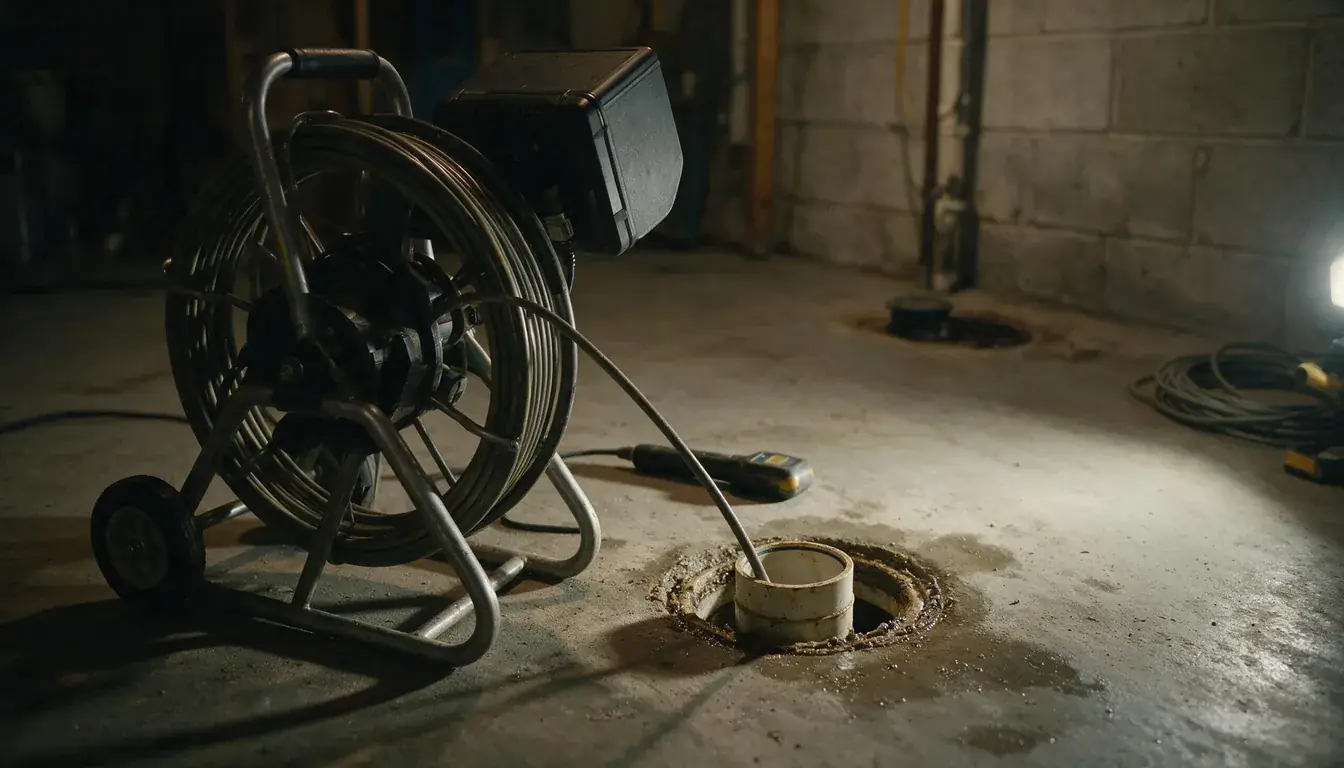
For a Federal Hill or Fells Point rowhouse the priority is acoustic listening on the cast-iron stack and supply riser — FLIR thermal imaging is degraded by the formstone facade, which acts as a thermal-mass insulator and scrambles surface-temperature contrast on exterior walls. The standard Baltimore workflow is: (1) close-quarters acoustic with ground-mic and headphones at the riser, (2) moisture-map the plaster ceiling below the suspect branch, (3) borescope into a small wall opening to confirm the drip path before opening more, and (4) static pressure test if the leak is on the supply side. Thermal imaging confirms the acoustic hit on basement floors and interior partitions where the formstone facade does not interfere.
Will Maryland homeowners insurance cover Baltimore leak detection?
Maryland HO-3 policies cover the detection fee when the leak is classified sudden and accidental — a freeze-burst on a rim joist in February qualifies; a slow weep on a 1910 galvanized supply line that's been seeping for two years generally does not. Standard policies pay for tear-out and access (the wall opening, the basement-floor cut, the detection report) but exclude repair of the failed pipe itself, treated as wear-and-tear. Lead service line damage is its own category — Baltimore has a substantial lead-service-line inventory under the ongoing Baltimore DPW replacement program, and Maryland HO-3 forms typically exclude pre-1950 lead-pipe corrosion from the gradual-seepage definition. Submit the plumber's written report with moisture-mapping for the strongest claim case. EPA Safe Drinking Water Act, 2024.
Why is a Baltimore DPW water-bill spike a leak warning sign?
The Baltimore Department of Public Works meters every gallon that crosses the property line, whether it ends up in the dishwasher or the soil under your basement floor. A pinhole leak under 55–65 psi line pressure releases roughly 70–150 gallons per day — invisible at the surface but a 2,100–4,500 gal/month addition to your bill. Baltimore DPW sources from the Loch Raven, Liberty, and Prettyboy reservoirs at 5–7 gpg moderately soft hardness, and the utility bills sewer and stormwater on metered water volume, so the bill impact roughly doubles when the wastewater charge is applied. Any consecutive billing cycle showing 20%+ increase without a new tenant or a new appliance warrants a detection workup.
Can a Baltimore homeowner narrow a rowhouse leak without calling a plumber?
You can confirm a leak exists. Walk to your DPW meter (basement or sidewalk vault depending on the rowhouse era), shut every fixture, and watch the low-flow indicator for 15 minutes — any motion confirms water is moving. You can also feel along the basement-foundation pour-line by hand on a cold morning; a damp or icy patch points to a freeze-burst on the band-joist supply above. What you can't do without training is differentiate a supply leak from condensation on a 1925 cast-iron stack, or a party-wall drip migrating from the adjoining rowhouse. The Maryland Board of Plumbing credentialing process exists precisely because rowhouse pathology is hard to diagnose from the surface — a credentialed journeyman with proper acoustic gear locates the actual failure faster than DIY trial-and-error.
How is a Baltimore party-wall leak coordinated with the adjoining neighbor?
Baltimore's rowhouse stock shares party walls with the unit next door — there is no individual building separation in Federal Hill, Fells Point, Bolton Hill, Mount Vernon, or Pigtown construction. A leak inside the party-wall cavity can present in either rowhouse depending on which side the drip path follows, which means detection often requires acoustic listening from both units to confirm the source. The matched Baltimore plumber will typically ask you to coordinate access with the neighbor before the diagnostic visit, document the moisture path with photos and a written report, and bill each side only for work performed inside that side's wall. Repair access is then opened on the side closest to the leak point, regardless of which deed the wall sits on.
How accurate is FLIR thermal imaging on a formstone-clad Baltimore exterior?
FLIR is useful but not decisive on the Baltimore facade. Formstone — the city-specific exterior stone-aggregate cladding applied to thousands of rowhouses from the 1940s through the 1970s — is a thermal-mass insulator that dampens temperature contrast on the exterior wall. A leak behind formstone shows up as a thermal anomaly only after the moisture has saturated through the stone facade and the underlying brick, which delays the camera signal by hours to days versus a stucco or vinyl-clad wall. On interior partitions and basement floors, where the formstone is absent, FLIR localizes a hot-side leak within an 18-inch radius about 80–88% of the time on the first scan. Baltimore plumbers lean on acoustic and moisture mapping first; FLIR comes out for the second-pass confirmation on interior surfaces.
Is a system-wide pressure test worth it for a Baltimore rowhouse?
For pre-1940 Baltimore rowhouse stock with original galvanized supply, a static pressure test is highly informative — it isolates each branch and identifies aged sections that are a winter away from failing. The fee runs the scheduled fee and the test holds 80 psi for 15 minutes per isolated section. Baltimore plumbers routinely find that a Bolton Hill or Mount Vernon rowhouse with one confirmed leak has 2–4 additional weak points on the same riser, especially where the original lead service line transitions to copper at the meter pit. The test data informs whether you spot-repair (lower-cost per leak) or commit to a copper or PEX repipe paired with the lead-service-line replacement under the Baltimore DPW program. EPA Chesapeake Bay Program, 2024 regulations apply when a leak crosses into the sewer side and reaches the watershed. Price ranges: leak detection cost guide.
How do I check the license of plumbers in Maryland?
The partner network requires every plumber routed through AlertPlumber for leak detection in Baltimore to hold active Maryland Board of Plumbing credentials. Maryland Department of Health, Board of Plumbing, 2024 publishes the lookup for verifying status before authorizing work. Leak detection requires specialty equipment (FLIR, acoustic ground-microphone, pressure-isolation manifold) and trained operator experience — credentialed status alone does not ensure detection skill, so ask the plumber which diagnostic equipment they own in addition to checking the state credential. Local context. 585,708 Baltimore residents in 1700s–1800s rowhouse stock with formstone-clad facades, party-wall construction, basement-foundation pour-line as the local equivalent of a slab leak, and an active lead-service-line replacement program under Baltimore DPW with reservoir-source 5–7 gpg moderately soft water from Loch Raven, Liberty, and Prettyboy. That pathology is what the matched detection plumber's workflow targets first.
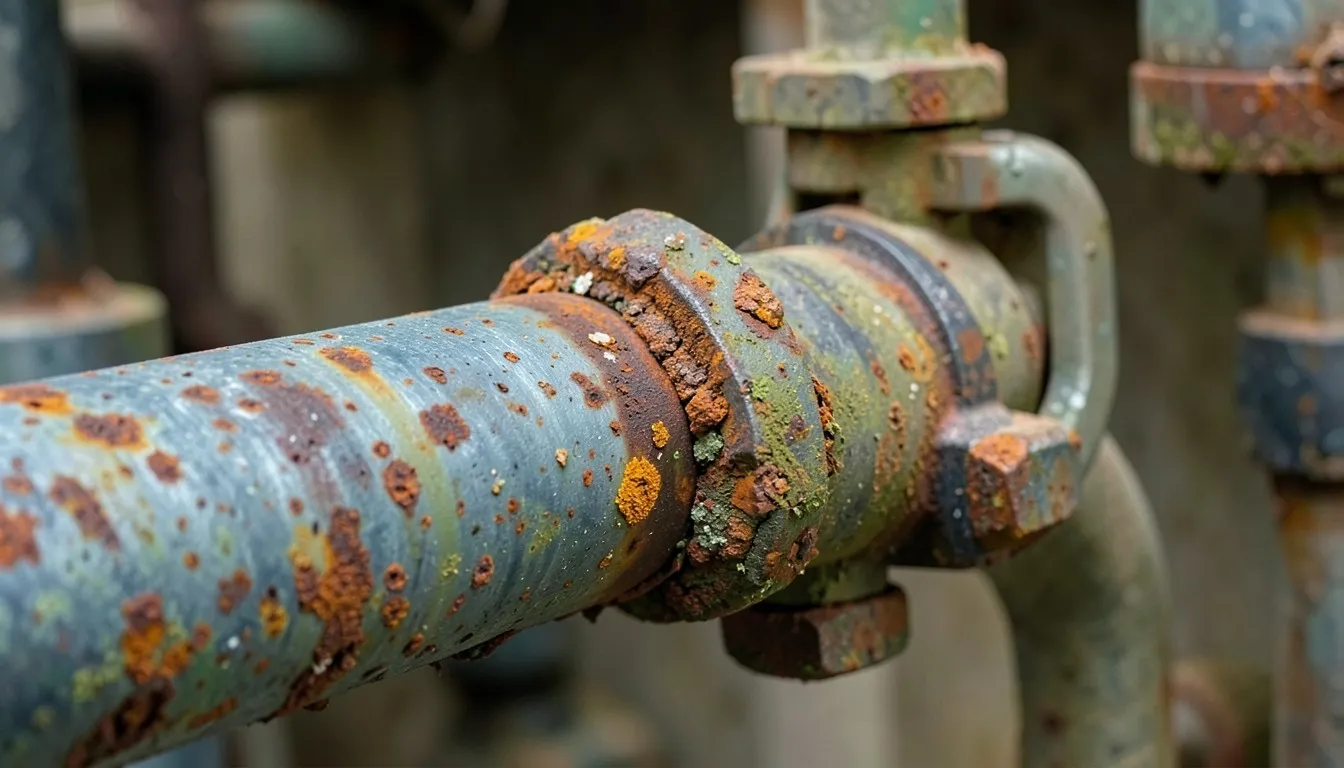
The fix gets cheaper the sooner a plumber sees it.
Degradation problems compound quietly. Call now, or use the form below to reach an independent Maryland plumber, and ask for an estimate for the leak detection — you are under no obligation.
Need a leak detection callback in Baltimore?
In a meeting, with the kids, or just prefer not to call? Drop your ZIP and number below. AlertPlumber sends your request to our routing partner — if a participating plumber serves your area, they may call you back directly. For anything urgent, call the number on this page.
- 1 Submit your info. ZIP, phone, and what kind of work you need.
- 2 AlertPlumber passes it on to our routing partner for your area.
- 3 If a participating plumber serves your area, they may call you back. Ask for a written estimate before work starts.
Leak Detection in Baltimore — catch it early
Degradation-driven failures worsen over time and cost more to fix the longer they run. Ask the independent MD plumber you reach in Baltimore to diagnose your specific condition and put the scope in writing before any work begins.