
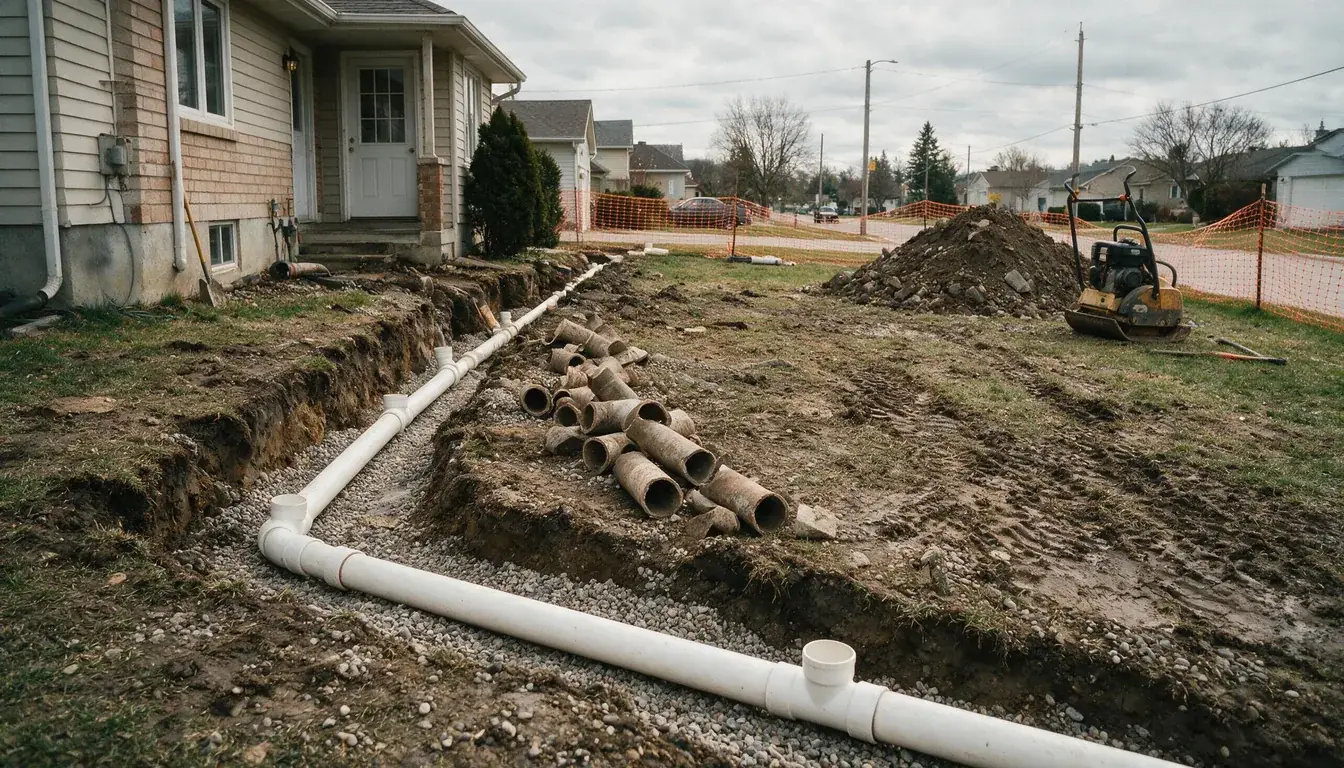
Sewer Line Replacement in New York, New York
Sewer Line Replacement in New York, New York is full sewer line replacement (trenched or trenchless pipe bursting). Local conditions in New York: water measured at 1.4, a 36 frost line and a median home age of 70 years.
Permitted, inspected, documented — ask for the permit and the license number before New York work starts.
What does the local plumbing data show for New York, NY?
Seeing these conditions at your place in New York? Describe them on the call to a state-licensed local plumber — free, no obligation.
What are the pipe conditions in New York, NY?
Full sewer line replacement in New York involves a trench or trenchless decision that depends on pipe depth, surface conditions, and access constraints. Traditional open-cut excavation costs less per foot but requires restoration of landscaping, concrete, or asphalt. CIPP (cured-in-place pipe lining) and pipe bursting are trenchless alternatives for pipes 4 inches and larger where the host pipe has sufficient structural integrity to guide the liner. AlertPlumber connects your call with an independent New York-licensed plumber — ask them to assess both methods and put the comparison in writing before work begins. Freeze events and frost-depth requirements add pipe insulation, exterior faucet winterization, and burst-risk assessment to service calls in this climate.
New York's water utility maintains an active lead service line (LSL) replacement program. With a median home age of 70 years, a portion of the housing stock may still have lead service laterals connecting the water main to interior supply — a consideration during any work near the service entry point. Ask a licensed plumber to confirm whether supply-side work requires utility coordination. Homes of other eras in New York may have galvanized pipe, copper pipe or polybutylene supply lines instead; ask the plumber which your home has.
Frost line depth in New York means supply lines and outdoor plumbing must be installed below the freeze threshold — typically 36 — to prevent pipe burst during cold events. Exterior hose bibs, irrigation shutoffs, and any exposed pipe runs are the most common winterization service points in freeze-risk markets.
- Median home age
- 70 yrs
- Water hardness
- 1.4 gpg
- Frost line
- 36 in.
- Permit
- City fee schedule
Census housing age, New York city, New York: median year built 1952; 59.9% of homes built before 1960, 78.9% before 1980. Source: U.S. Census Bureau, ACS 2020–2024 5-year estimates, tables B25034 and B25035, read 2026-09-30.
Mention these conditions when you describe the symptom to the NY plumber you reach.
What local infrastructure shapes Sewer Line Replacement in New York?
Pre-war clay and cast iron laterals dominate the housing stock in Brooklyn, Queens, and the Bronx, where 70-year median home age places most original pipe well past design life. Combined sewer infrastructure serves most of the five boroughs, and lateral replacement must be coordinated with DEP to avoid scheduling excavation at the main connection during storm events when combined main pressure is elevated.
New York's subsurface conditions vary dramatically across boroughs — Manhattan and parts of the Bronx encounter bedrock within 10 to 20 feet of grade, while Brooklyn and Queens sit on glacial outwash sands and clays that are easier to excavate but less stable during open trench work. Replacement depth must reach 36-inch minimum frost protection on all new lateral installations. Narrow rowhouse lots in brownstone blocks restrict excavation width, and coordinating access with neighboring foundations is a practical requirement on many Brooklyn and Queens properties where the lateral runs close to party-wall footings.
NYC DEP requires a permit for lateral replacement, the highest permit fee in this market set. Homeowners own the lateral from the building to the city main, including the section beneath the sidewalk and curb in most boroughs. CIPP lining is viable for clay and cast iron with bore geometry above NASSCO minimum; cast iron with heavy corrosion perforation or clay with joint displacement exceeding 1.5 inches defaults to pipe bursting or open-cut. Permit fee ranges: permit fee estimator.
What shapes plumbing demand in New York, NY?
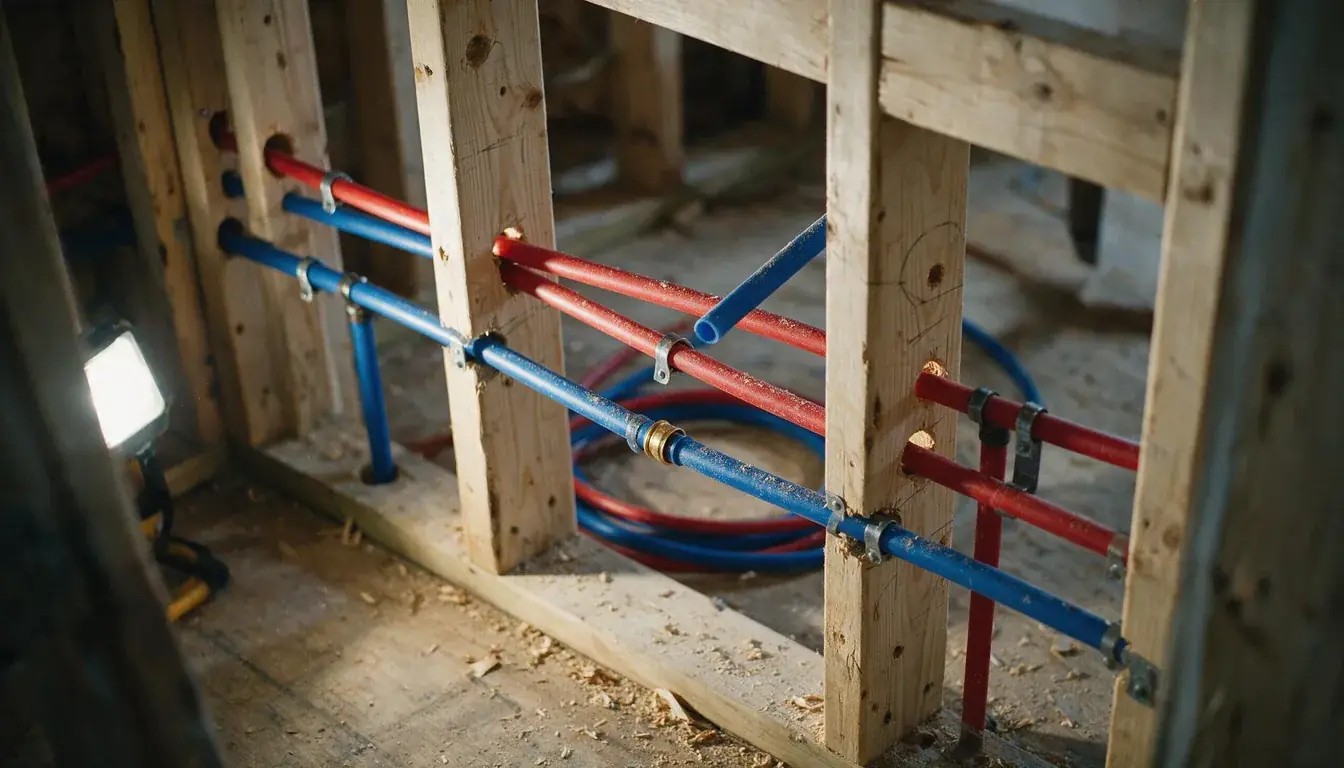
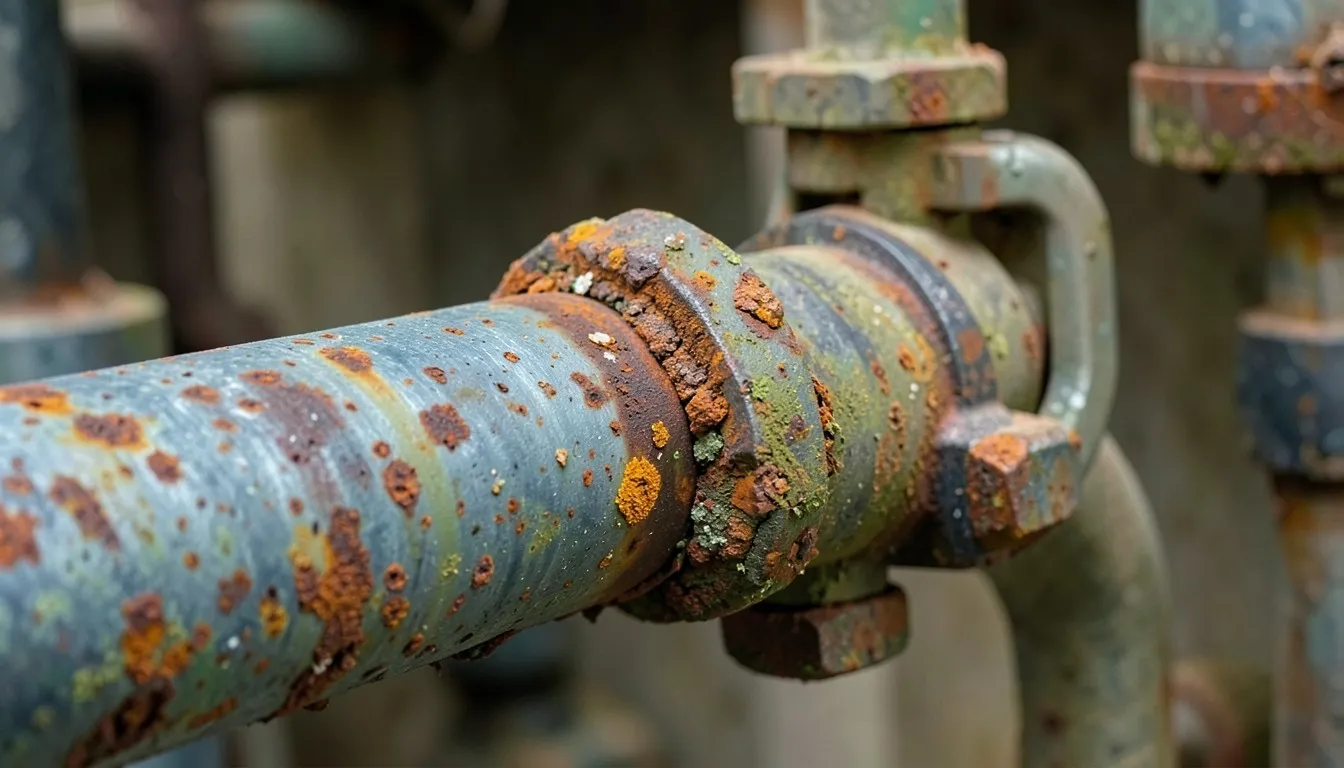
Galvanized supply lines and cast iron drain systems from the 1880s–1940s are past their 40–70-year design life across much of New York. Interior rust scale progressively narrows pipe bore. Plumbers here routinely scope supply lines before quoting any repair — the underlying pipe condition often makes full replacement more cost-effective than patching.
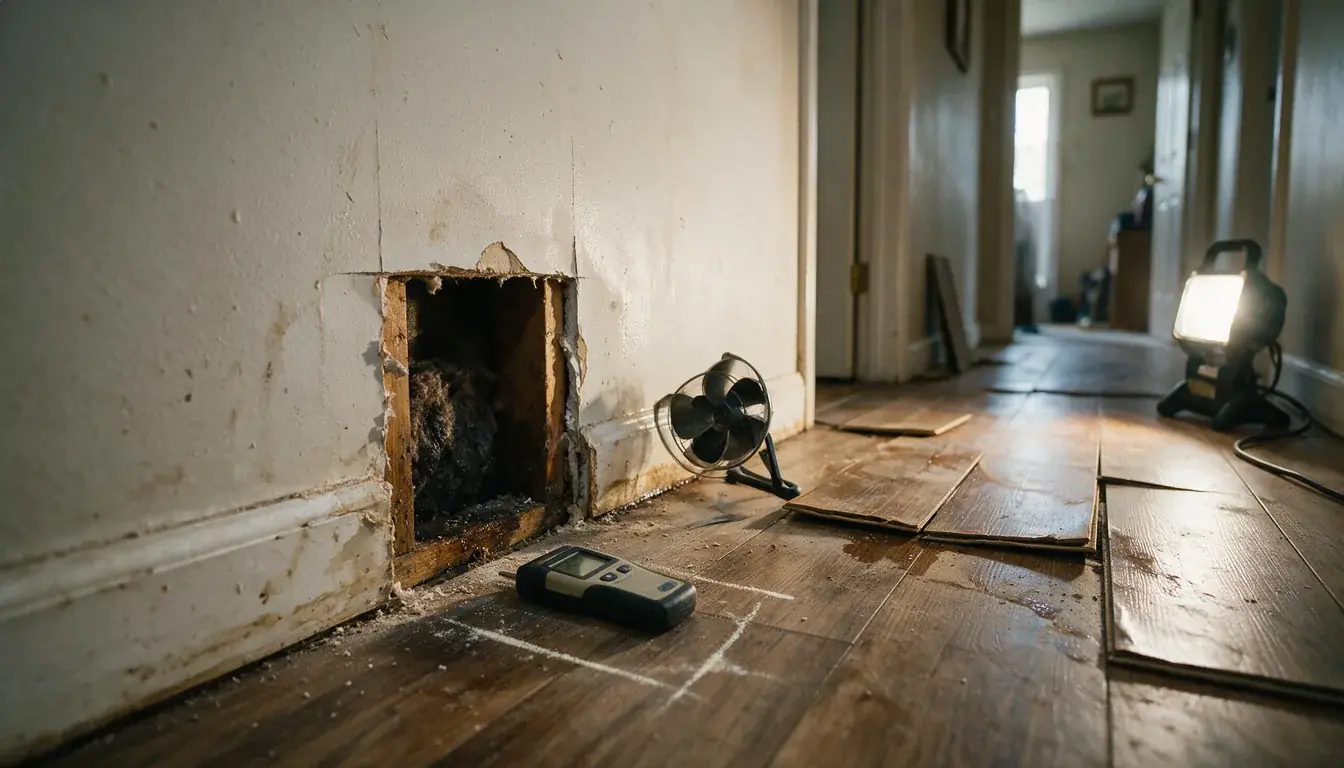
Soft, slightly acidic water in New York is corrosive to copper pipe and solder joints — the opposite failure pattern from hard-water markets. Pinhole failure at fittings and elbows is the dominant non-emergency repair category. Anode rods also deplete faster in soft water, shortening effective tank life without timely replacement.
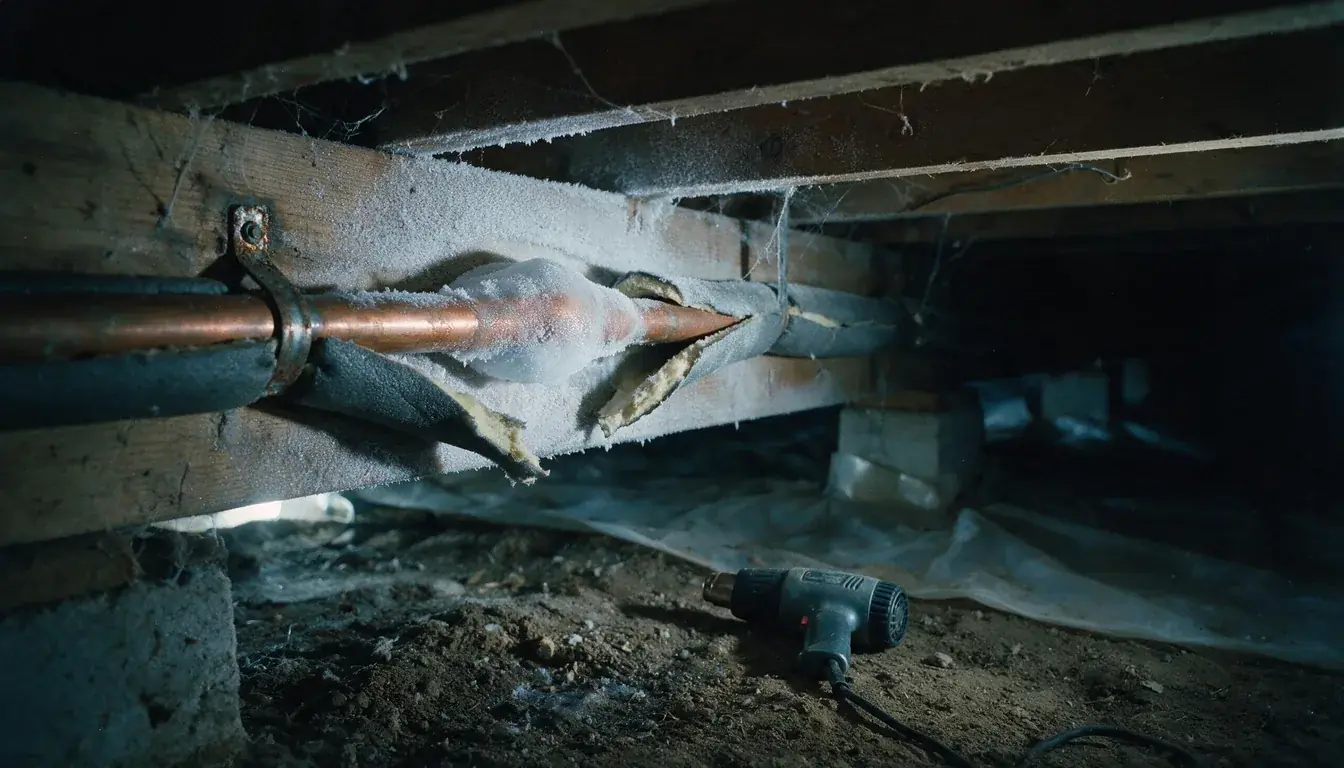
The primary surge in New York runs January–March, with a secondary wave at the spring thaw — when pipes that held through the freeze rupture as pressure is restored above 32°F. Scheduling competition peaks exactly when emergency calls are highest. Homeowners who wait for visible damage compete for the same limited plumber slots at the worst possible time.
How does permit-required work run in New York, application through certificate?
The New York contractor prepares the permit application — drawings, specifications, contractor license number (ask for it) — and submits it to the New York building department. Issuance typically takes 3–10 business days. No construction begins until the permit is in hand.
Once New York issues the permit, the contractor notifies affected utilities — gas, water, electrical — as required by the permit scope. Work follows the approved drawings; any scope change requires an amended permit before that portion starts.
The contractor schedules the final inspection with the New York building department inspector. After sign-off, a certificate of completion is issued. All permit documentation is filed with the city; you receive copies for home records and future property disclosure.
Sewer Line Replacement cost calculator — New York
Pre-filled for sewer line replacement in New York. Adjust the ZIP for a neighboring area, or change the service to compare. Calculator pulls from the city's scraped permit-fee + state plumber-density data.
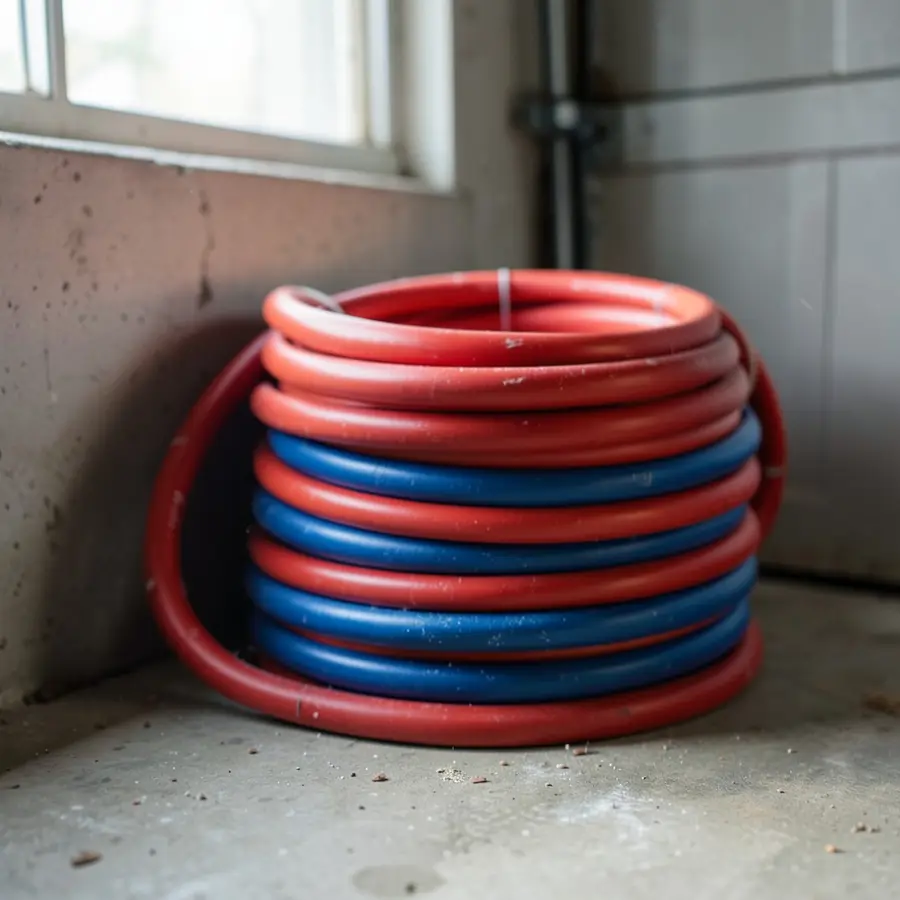
Sewer Line Replacement in New York — permitted work protects your home’s value.
Unpermitted plumbing affects insurance claims and resale disclosures in New York. Ask the New York plumber you reach which permits your address needs.
What else do people ask about sewer line replacement in New York?
How much does sewer line replacement cost in New York, NY?
Sewer line replacement in New York runs roughly 25% above the national average for trenched work and roughly 15–25% more for trenchless pipe bursting. The New York plumbing permit minimum is set by the local fee schedule (NYC LMP). Final cost varies with lateral length, depth, and whether the run goes under driveways or mature landscaping. Price ranges: sewer line replacement cost guide.
Trenchless or trenched in New York — which method is right?
New York's rock ledge + urban fill soil makes excavation expensive, so trenchless pipe bursting is the dominant method — especially under driveways, mature trees, and hardscape. Trenchless pulls a new HDPE liner through the existing pipe footprint with minimal yard disruption. The independent plumber runs a camera inspection first to confirm method.
Do I need a permit for sewer line replacement in New York?
Yes — any work on the sewer lateral requires a NYC LMP plumbing permit (minimum in New York) plus a city sewer-tap inspection. The connection at the property line typically requires a separate utility permit. The matched plumber pulls both permits and coordinates the inspection schedule so the trench isn't reopened. Permit fee ranges: permit fee estimator.
How much of my New York sewer problem is root intrusion?
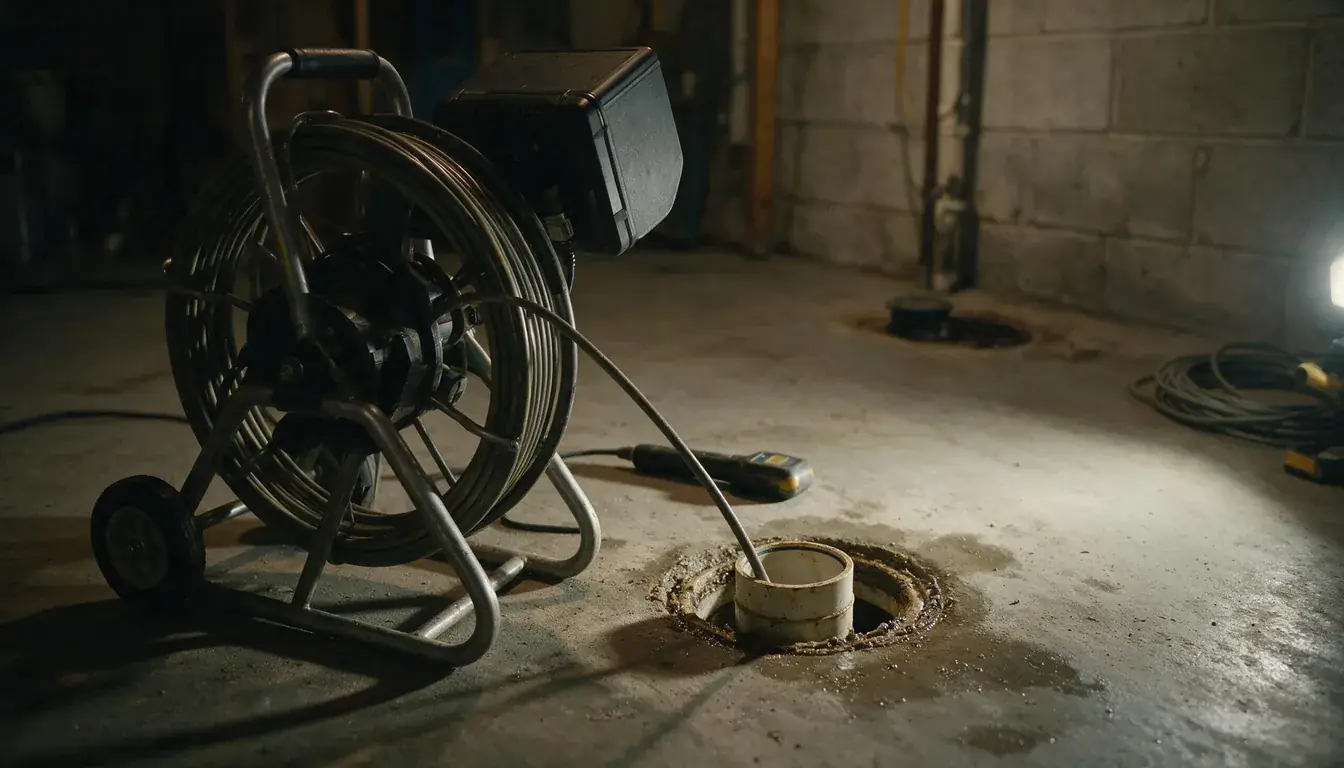
New York's rock ledge + urban fill soil is less root-prone than clay regions, but root intrusion still happens at lateral joints where the pipe meets the city main. A camera inspection identifies whether you have offsets, root mass, or a full collapse — that determines spot repair vs full replacement.
How long does sewer replacement take in New York?
Trenchless pipe bursting typically wraps in one day for a residential lateral (40–80 ft). Traditional trenched replacement takes 2–3 days including backfill, permit inspection, and surface restoration. New York's 36" frost depth adds a day in winter because the trench must extend below frost line — most contractors schedule trenched work April–November to avoid frost. Surface restoration (concrete, landscaping) can add another 1–2 weeks.
What's underground at my New York home — clay, Orangeburg, or PVC?
New York's median home age is 87 years, so most laterals are pre-1940 terracotta. Homes built before 1940 often have terracotta or even early cast-iron laterals with badly degraded joints. The camera inspection identifies the material on sight.
When should I replace vs repair my New York sewer line?
Replace if the camera shows: multiple offset joints, more than 30% pipe wall loss, a belly that holds standing water, or Orangeburg material. Spot repair works for: a single root intrusion at one joint, or a localized crack in otherwise sound pipe. The independent New York plumber walks you through the camera footage before you commit either way.
Will my New York homeowners insurance cover sewer line replacement?
Standard New York homeowners policies typically do NOT cover sewer-lateral replacement unless you've added a service-line endorsement. They may cover water damage from a sewer-backup event, subject to your deductible and a separate sewer-backup endorsement. Confirm with your carrier before assuming coverage — the matched plumber can document the failure for the claim. Price ranges: sewer line replacement cost guide.
Does New York's combined sewer system affect my replacement?
New York runs a combined system, meaning storm runoff and sewage share trunk mains in older districts. Your private lateral still ties into the combined trunk at the property line. Combined-sewer permitting can require additional NYC LMP sign-off because backflow protection (typically a backwater valve) is strongly recommended.
How do I check the license of sewer contractors in NY?
AlertPlumber does not vet plumbers: for New York sewer-replacement work, ask for the NYC LMP license number and check it with the state board. Sewer-replacement plumbers in the network also carry the supplemental excavation/utility-locator certifications required to legally cut into the public right-of-way and tie back to the city main.
Asking for a written quote costs you nothing. Guessing costs you the job.
The form below takes under a minute — it goes to an independent New York plumber in our partner's network; ask them to scope the sewer line replacement and put the quote in writing.
Need a sewer line replacement callback in New York?
In a meeting, with the kids, or just prefer not to call? Drop your ZIP and number below. AlertPlumber sends your request to our routing partner — if a participating plumber serves your area, they may call you back directly. For anything urgent, call the number on this page.
- 1 Submit your info. ZIP, phone, and what kind of work you need.
- 2 AlertPlumber passes it on to our routing partner for your area.
- 3 If a participating plumber serves your area, they may call you back. Ask for a written estimate before work starts.
Sewer Line Replacement in New York — compliant installation
Permitted sewer line replacement protects your home's resale value and keeps insurance claims defensible in New York. Ask your licensed plumber for their license number, who pulls the required permits, and a written scope before work starts.