
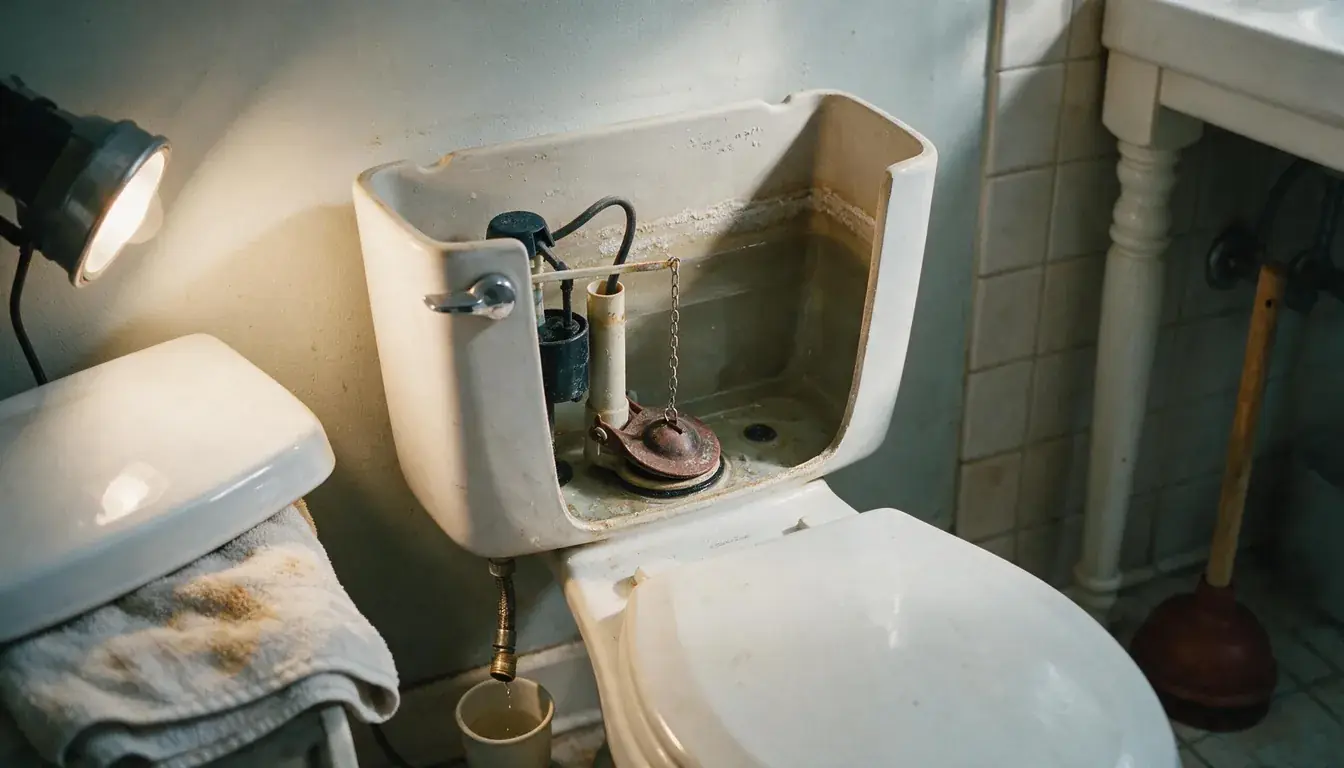
Emergency Toilet Repair in Washington, District of Columbia
Toilet Repair in Washington, District of Columbia fixes leaking, running, clogged, or unstable toilets. Local conditions in Washington: water measured at 8, a 30 frost line and a median home age of 68 years.
Book it this week — ask the independent DC plumber you reach for a quote by phone before anyone comes out.
Who do I call for a broken toilet in Washington?
A plumber. A toilet that overflows, will not stop running into the bowl, or leaks at the base is the urgent kind; if it is the only toilet in your Washington home, say so on the call.
What does the local plumbing data show for Washington, DC?
Seeing these conditions at your place in Washington? Describe them on the call to a state-licensed local plumber — free, no obligation.
What are the pipe conditions in Washington, DC?
Toilet repairs in Washington range from a running toilet losing 200 gallons per day through a worn flapper (an inexpensive part, 20-minute repair) to a toilet rocking on a failed wax seal (water damage to the subfloor is the next consequence). The most common repair category — flapper, fill valve, or flush handle replacement — is straightforward; a toilet that rocks or shows floor staining at the base needs flange and wax seal inspection before the leak path reaches the subfloor. AlertPlumber connects your call with an independent District of Columbia-licensed plumber — ask for an accurate diagnosis before any parts are ordered.
Washington's housing stock spans multiple construction eras — median home age 68 years — meaning pipe materials and failure modes vary significantly by neighborhood and building vintage. An inspection-led approach that confirms pipe material before recommending a service path is standard practice for mixed housing profiles. Homes of other eras in Washington may have galvanized pipe, copper pipe or polybutylene supply lines instead; ask the plumber which your home has.
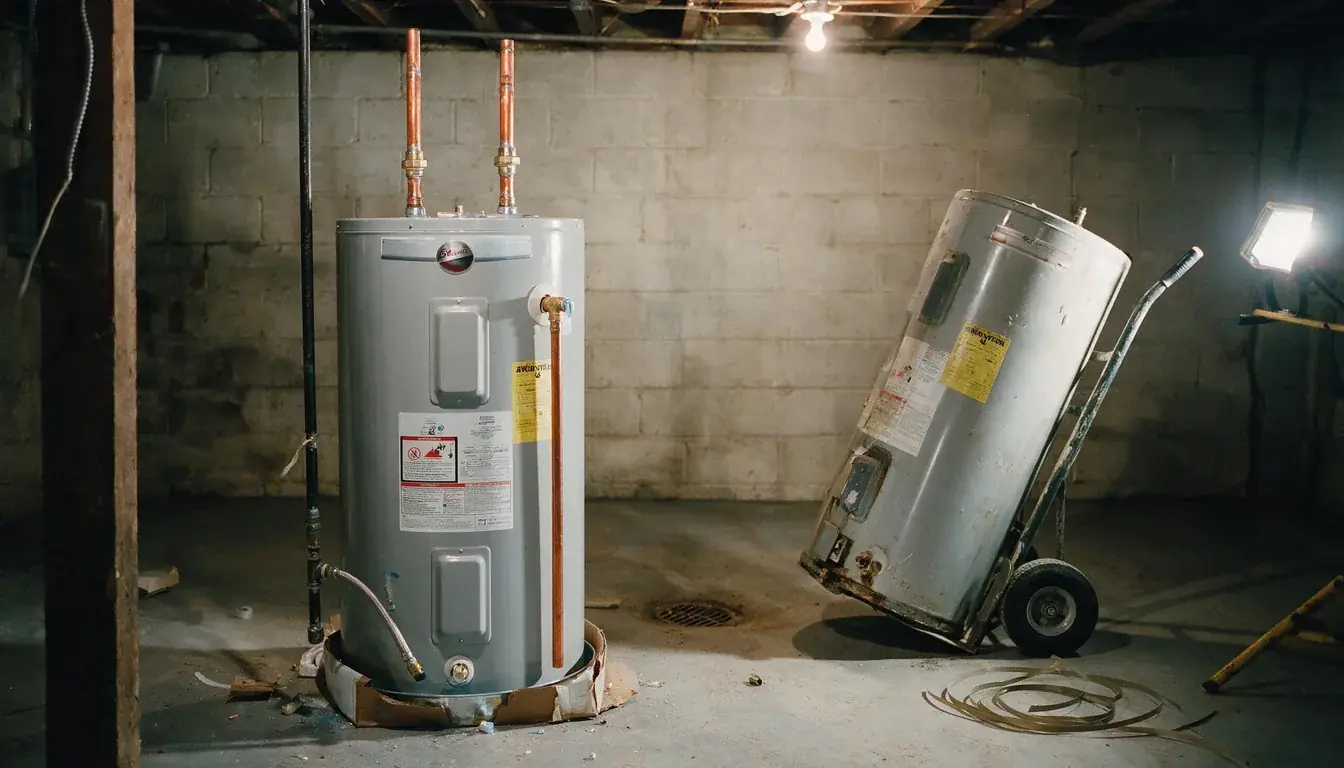
Hard water in Washington accelerates scale buildup inside water heater tanks, on heating elements, and at fixture connections. Sediment accumulation in tank heaters reduces efficiency and shortens element life; visible deposits at aerators and showerheads are an early indicator. Ask a licensed plumber to assess whether a water softener or conditioner is appropriate for the home's service configuration.
Frost line depth in Washington means supply lines and outdoor plumbing must be installed below the freeze threshold — typically 30 — to prevent pipe burst during cold events. Exterior hose bibs, irrigation shutoffs, and any exposed pipe runs are the most common winterization service points in freeze-risk markets.
- Median home age
- 68 yrs
- Water hardness
- 8 gpg
- Frost line
- 30 in.
- Permit
- City fee schedule
Census housing age, Washington city, District of Columbia: median year built 1958; 52.2% of homes built before 1960, 69% before 1980. Source: U.S. Census Bureau, ACS 2020–2024 5-year estimates, tables B25034 and B25035, read 2026-09-30.
Mention these conditions when you describe the symptom to the DC plumber you reach.
What local infrastructure shapes Toilet Repair in Washington?
DC Water draws from the Potomac River via the Washington Aqueduct, delivering at approximately 5 grains per gallon. Moderate hardness produces gradual mineral film on flush valve seats and fill valve diaphragms, with flapper service life typically 8–10 years before mineral-induced edge hardening causes a running condition.
A 75-year median home age places most Washington, DC housing stock in pre-war and early post-war construction — rowhouses, semi-detached homes, and apartment buildings across Capitol Hill, Columbia Heights, Shaw, and Petworth that date largely from the 1920s–1950s. Pre-war cast iron floor flanges in these structures may be corroded at the collar below tile, and non-standard rough-in dimensions of 10 or 14 inches appear in older rowhouse bathroom configurations.
DC's Department of Consumer and Regulatory Affairs requires a permit for toilet replacement; permit fees start at the scheduled minimum. DC Water operates 100% sewer coverage within the District. DC plumbing code requires replacement toilets to meet 1.28 gpf; DC Water and the District Department of Energy and Environment have offered WaterSense toilet rebate programs as part of the District's Clean Rivers and water conservation mandate, with current rebate availability confirmed through DC Water's conservation program or DOEE's residential efficiency incentive portal. Permit fee ranges: permit fee estimator.
What shapes plumbing demand in Washington, DC?
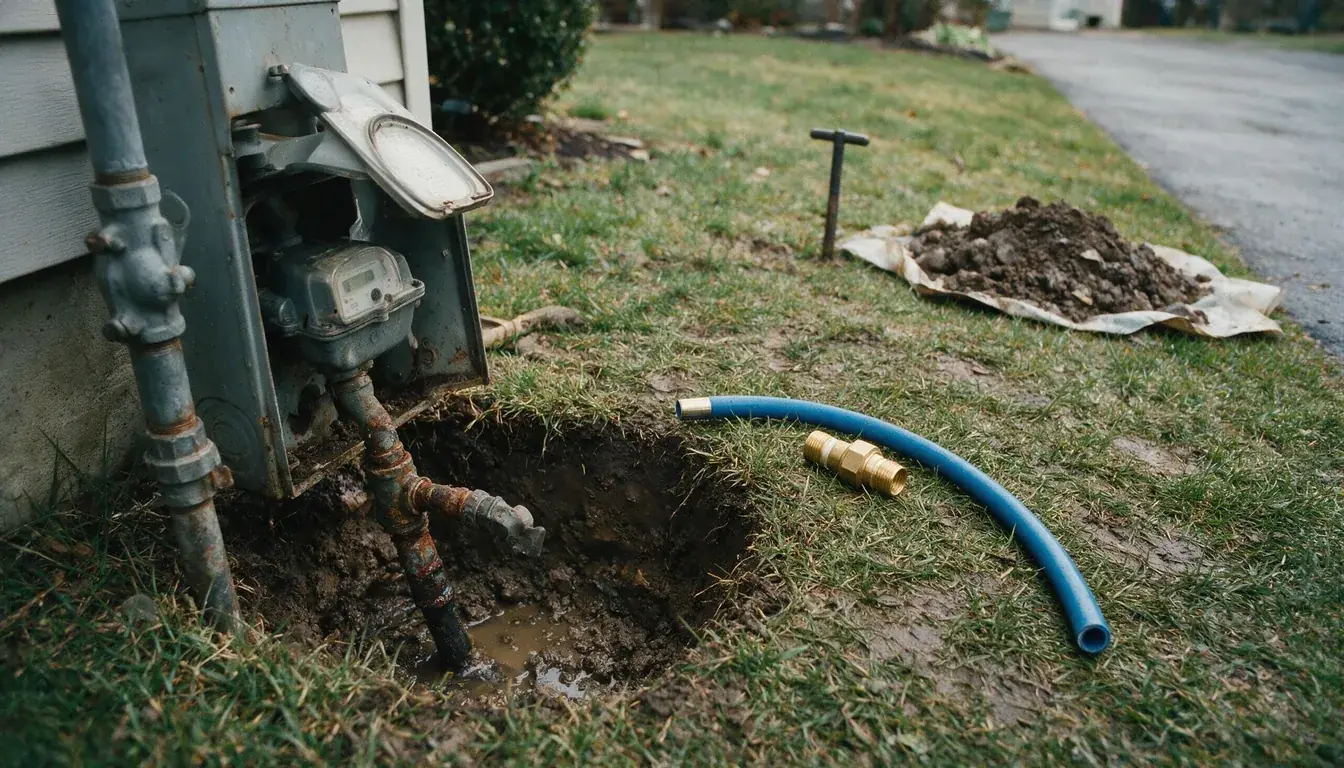
1950s–70s copper supply is now 50–70 years into its service cycle in Washington. Thermal fatigue at fittings and slab-on-grade access complexity — common in Sun Belt construction — make repair vs. replacement a live decision on most jobs. This housing cohort is the active primary replacement wave in this market.
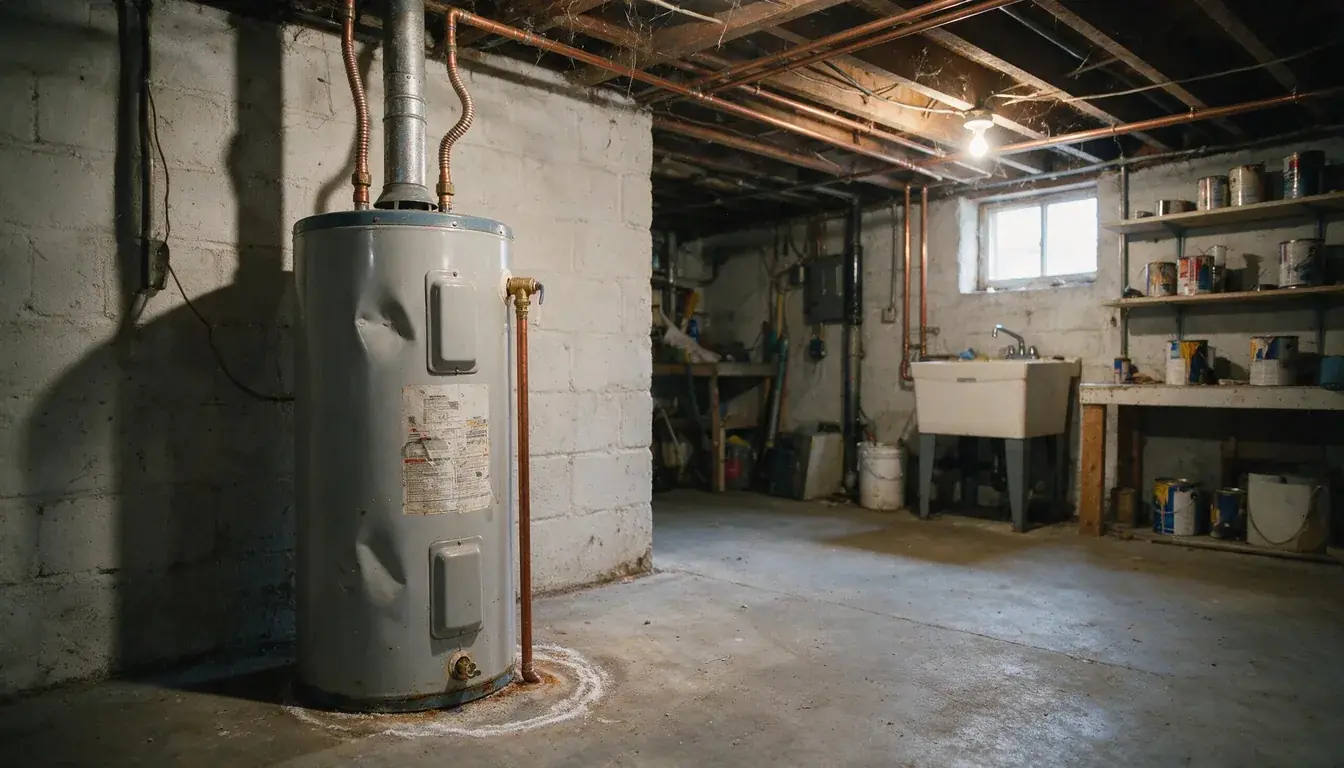
8–14 GPG shortens water heater service life to 8–11 years in Washington and drives rolling maintenance demand at aerators, shower cartridges, and heat exchanger ports. Annual flushing prevents premature failure; skipped maintenance cycles push units toward early replacement. Scale-related calls represent a significant share of the annual service workload here.
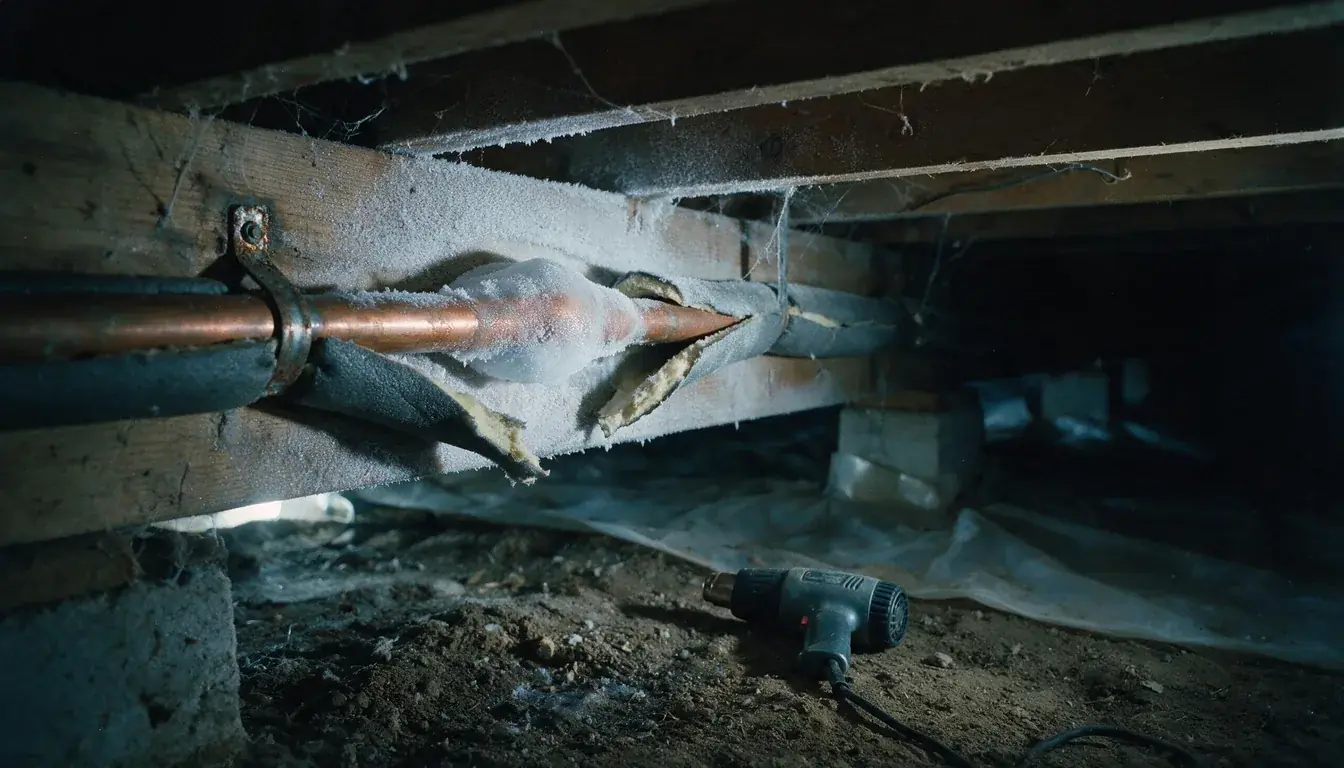
The primary surge in Washington runs January–March, with a secondary wave at the spring thaw — when pipes that held through the freeze rupture as pressure is restored above 32°F. Scheduling competition peaks exactly when emergency calls are highest. Homeowners who wait for visible damage compete for the same limited plumber slots at the worst possible time.
Why does a Washington plumber estimate first and commit second?
Submit the service type and your Washington address. The request goes to an independent District of Columbia plumber in our partner's network — ask when a site visit can be scheduled. There is no financial commitment or obligation at this stage.
At the appointment, ask the plumber to inspect the installation point, confirm the project approach, and put the estimate in writing: fixed price, material breakdown, and project timeline for Washington. Review it at your pace before deciding.
Once you approve the estimate, agree the start date. Ask that required permits for Washington are pulled before the job starts, and for a final walkthrough confirming every item in the agreed scope was delivered.
Toilet Repair cost calculator — Washington
Pre-filled for toilet repair in Washington. Adjust the ZIP for a neighboring area, or change the service to compare. Calculator pulls from the city's scraped permit-fee + state plumber-density data.
Toilet Repair in Washington — the longer it runs, the more it costs.
Slow failures compound: soft pipe walls, root penetration, mineral buildup. Ask the plumber you reach for a scope-first estimate before anything is dug up.
What else do people ask about toilet repair in Washington?
How much does toilet repair cost in Washington, DC?
Toilet repair in Washington typically runs roughly 20% above the national average. A flapper or fill-valve swap is at the low end; a wax ring replacement with toilet removal/reset is in the a scope-based price range; a cracked flange repair or floor drain repair sits at the high end. Most toilet repairs complete in under two hours. Price ranges: toilet repair cost guide.
What's making my Washington toilet run constantly?
A constantly running toilet almost always has one of three causes: a worn flapper that doesn't seal (water runs from tank to bowl), a float set too high (water overflows the fill tube into the overflow pipe), or a failed fill valve that won't shut off. The hissing sound indicates the overflow; a gurgling sound indicates the flapper. Both waste 200+ gallons/day — significant on a Washington water bill. DIY flapper replacement is inexpensive and takes 10 minutes; if that doesn't fix it, the fill valve needs replacement. Price ranges: toilet repair cost guide.
My Washington toilet rocks back and forth — what does that mean?
A rocking toilet is almost always a failed wax ring — the seal between the toilet horn and the floor flange. Once the wax seal fails, every flush can leak sewer gas or water under the subfloor. Pull the toilet to inspect: if the flange is flush with the floor and in good condition, a new wax ring (inexpensive material + 1–2 hrs labor) fixes it. If the flange is rusted, cracked, or below floor level (common in Washington's 73-year-old housing stock after flooring additions), plan for a flange repair or extension ring on top of the wax work. Price ranges: toilet repair cost guide.
What is phantom flushing and why is my Washington toilet doing it?
Phantom flushing — the toilet briefly refills on its own with nobody nearby — is caused by a leaking flapper allowing water to slowly seep from the tank into the bowl until the float drops low enough to trigger a refill. Test it: put a few drops of food coloring in the tank. If color appears in the bowl within 15 minutes without flushing, the flapper is leaking. Flapper replacement resolves it in most cases; if it recurs quickly, the flush valve seat is worn and needs a full flush-valve kit.
Are there low-flow toilet requirements in Washington?
D.C. follows the federal 1.6 gpf maximum on toilet replacements, though many Washington utilities offer rebates for upgrading to WaterSense 1.28 gpf models. Ask the matched plumber about current Washington utility rebate programs when pricing a replacement.
Are there special concerns with toilet flanges in older Washington homes?
Washington's 73-year median home age means many flanges are cast iron — durable but prone to rust and breakage at the ring face. After multiple floor replacements over decades, flanges can also end up recessed below finished floor level, which requires a spacer ring stack on top of the wax ring to restore the seal height. A plumber should always inspect the flange before setting the new wax seal.
When should I repair vs replace a toilet in Washington?
Repair if: the fixture is under 15 years old, not cracked, and the problem is a single component (flapper, fill valve, wax ring). Replace if: the bowl or tank is visibly cracked, the toilet is a pre-1994 model using 3.5–5 gpf (replacement pays back in water savings in 2–4 years), or repairs have been performed three or more times in 18 months. A new toilet runs a scope-based price for a quality unit installed in Washington — the matched plumber brings a catalog of options. Price ranges: toilet repair cost guide.
Can I fix a running toilet myself or do I need a plumber in Washington?
A flapper swap is genuinely DIY-friendly: turn off the supply valve behind the toilet, flush to empty the tank, unhook the old flapper and snap in the new one. A fill-valve replacement is also DIY-possible with an inexpensive kit and 30 minutes. Call a plumber for: toilet removal (wax ring), flange repair, supply-line sweat connections in older homes, or if the toilet is rocking (possible subfloor damage needs assessment). Price ranges: toilet repair cost guide.
How fast can a plumber come out for toilet repair in Washington?
Toilet repair is scheduled (not emergency) work, so most AlertPlumber-matched plumbers in Washington book within 1–2 business days. If the toilet is your home's only bathroom and it's completely non-functional, call the emergency line — most crews prioritize single-bathroom households. Repairs typically take under 2 hours, so a morning appointment restores your bathroom by early afternoon.
How do I check the license of toilet repair plumbers in DC?
AlertPlumber does not vet plumbers: for toilet repair in Washington, ask for the DCRA license number and check it with the state board. Most toilet repairs complete on the first visit — the matched plumber stocks common flapper kits, fill valves, and wax ring sets in the service vehicle.
The fix gets cheaper the sooner a plumber sees it.
Degradation problems compound quietly. Call now, or use the form below to reach an independent District of Columbia plumber, and ask for an estimate for the toilet repair — you are under no obligation.
Need a toilet repair callback in Washington?
In a meeting, with the kids, or just prefer not to call? Drop your ZIP and number below. AlertPlumber sends your request to our routing partner — if a participating plumber serves your area, they may call you back directly. For anything urgent, call the number on this page.
- 1 Submit your info. ZIP, phone, and what kind of work you need.
- 2 AlertPlumber passes it on to our routing partner for your area.
- 3 If a participating plumber serves your area, they may call you back. Ask for a written estimate before work starts.
Toilet Repair in Washington — catch it early
Degradation-driven failures worsen over time and cost more to fix the longer they run. Ask the independent DC plumber you reach in Washington to diagnose your specific condition and put the scope in writing before any work begins.