
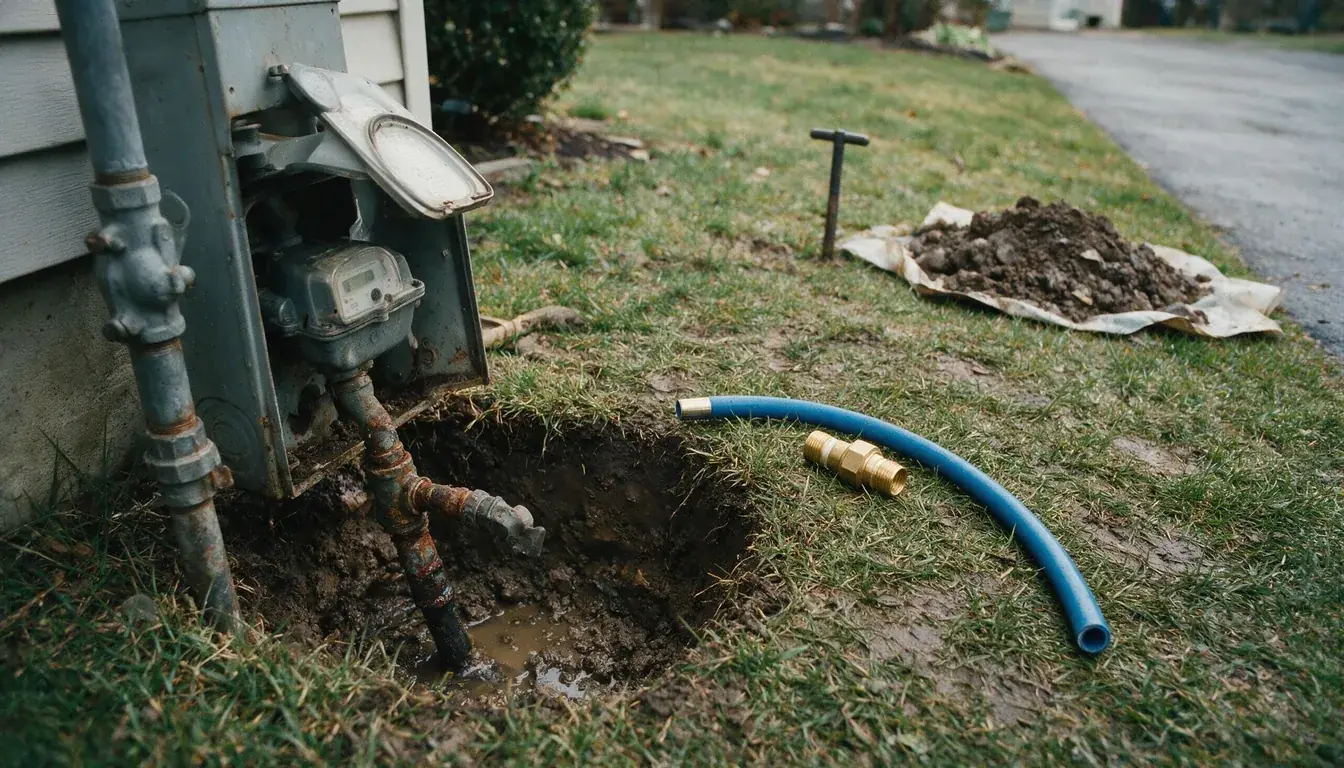
Emergency Water Line Repair in Denver, Colorado
Water Line Repair in Denver, Colorado repairs breaks, pinhole leaks, and corrosion failures on the main water service line from the street meter to the home. Local conditions in Denver: water measured at 5.5, a 36 frost line and a median home age of 53 years.
Active water damage compounds by the hour — the 24/7 line connects calls to independent local plumbers serving Denver in our partner's network.
Is water line repair in Denver, CO the right job?
- Burst Pipe Repair in Denver
- Water is spraying or leaking from a visibly split pipe, and the damaged section needs repair.
- Frozen Pipe Repair in Denver
- A tap has stopped flowing in freezing weather, and a frozen pipe needs to be checked and thawed.
- Slab Leak Repair in Denver
- A wet or warm patch on a concrete floor may mean a leaking pipe beneath the slab needs repair.
- Leak Detection in Denver
- Water is disappearing, a meter keeps moving with taps off, or damp spots keep returning, and the leak's location is unclear.
Who do I call for a water line leak in Denver?
A plumber repairs the water service line on your property. It is urgent when water is pooling in the yard or pressure has dropped throughout the house. Your Denver water utility can tell you which part of the line, if any, is theirs to repair.
What does the local plumbing data show for Denver, CO?
Seeing these conditions at your place in Denver? Describe them on the call to a state-licensed local plumber — free, no obligation.
What are the pipe conditions in Denver, CO?
Water service line failures in Denver range from a pinhole in an interior copper run to a complete main-line break requiring excavation from the meter to the foundation. Acoustic leak detection locates most exterior breaks within a 3–5 foot segment before excavation begins — avoiding unnecessary trench length and surface restoration cost. PEX is the current standard for buried exterior replacement; copper remains preferred for interior runs where chloramine resistance matters. AlertPlumber routes your call to an independent Colorado-licensed plumber; ask them to pressure-test the line and locate the break before opening the ground. Freeze events and frost-depth requirements add pipe insulation, exterior faucet winterization, and burst-risk assessment to service calls in this climate.
Denver's housing stock spans multiple construction eras — median home age 53 years — meaning pipe materials and failure modes vary significantly by neighborhood and building vintage. An inspection-led approach that confirms pipe material before recommending a service path is standard practice for mixed housing profiles. Homes of other eras in Denver may have galvanized pipe, copper pipe or polybutylene supply lines instead; ask the plumber which your home has.
Frost line depth in Denver means supply lines and outdoor plumbing must be installed below the freeze threshold — typically 36 — to prevent pipe burst during cold events. Exterior hose bibs, irrigation shutoffs, and any exposed pipe runs are the most common winterization service points in freeze-risk markets.
- Median home age
- 53 yrs
- Water hardness
- 5.5 gpg
- Frost line
- 36 in.
- Permit
- City fee schedule
Census housing age, Denver city, Colorado: median year built 1975; 34.3% of homes built before 1960, 55.5% before 1980. Source: U.S. Census Bureau, ACS 2020–2024 5-year estimates, tables B25034 and B25035, read 2026-09-30.
Mention these conditions when you describe the symptom to the CO plumber you reach.
What local infrastructure shapes Water Line Repair in Denver?
A 36-inch frost line sets the burial floor for any buried water service in this market, and it is the single number that shapes most replacement work. Supply lines sitting shallower than that depth — a common finding where grading changed after original construction — ride through frost-heave cycles every winter, and the repeated soil movement gradually works stress into the fittings at the corporation stop and the meter pit. A replacement trench, whether open-cut or bored, must return the new line below that same depth before inspection closes out the permit.
At a 53-year median housing age, original service lines span the galvanized tail end, the long copper era, and the first generation of buried plastic — a mixed-material inventory where the pipe visible at the meter does not always match what runs under the yard. The water utility separately catalogs roughly 65,000 lead service lines awaiting replacement, and because the service line is precisely the pipe this work addresses, private-side replacements are often sequenced against that public-side inventory so the same corridor is not excavated twice.
Water chemistry is comparatively mild at 5.5 grains per gallon, which shifts the dominant failure mechanism outdoors: soil-side corrosion and freeze stress, not interior scale, retire most service lines here. The permit covers the meter-to-house scope, and with roughly 9,820 licensed plumbing contractors in the metro area, trenchless pull-in-place replacement is broadly available where established landscaping makes an open trench costly. Permit fee ranges: permit fee estimator.
What shapes plumbing demand in Denver, CO?
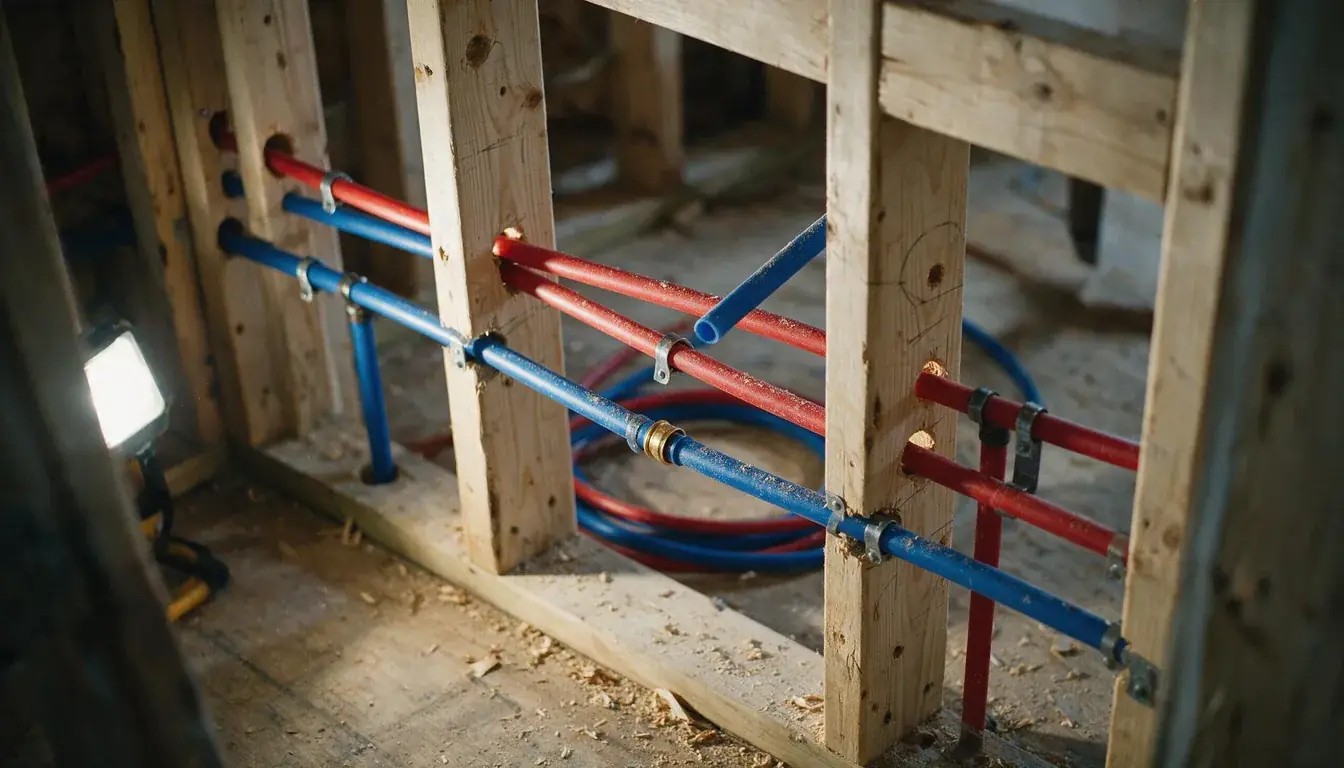
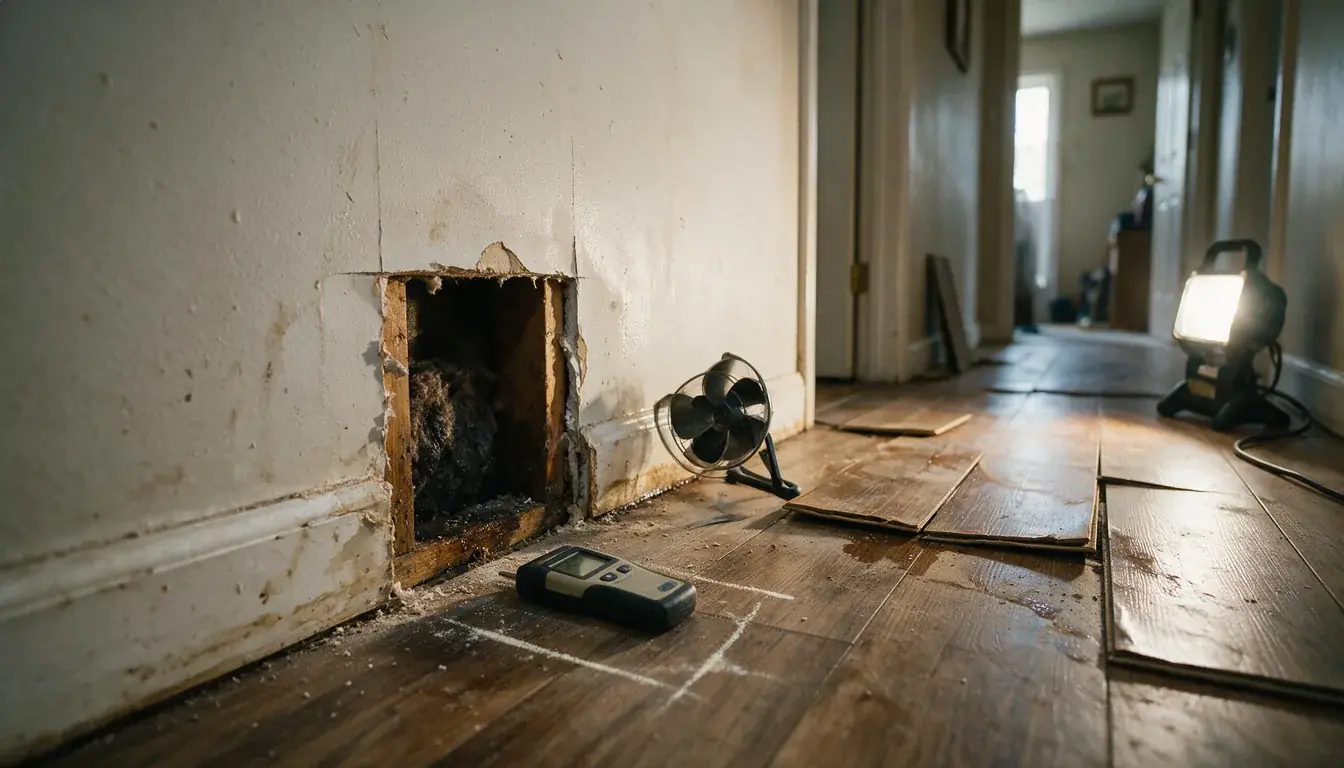
1950s–70s copper supply is now 50–70 years into its service cycle in Denver. Thermal fatigue at fittings and slab-on-grade access complexity — common in Sun Belt construction — make repair vs. replacement a live decision on most jobs. This housing cohort is the active primary replacement wave in this market.
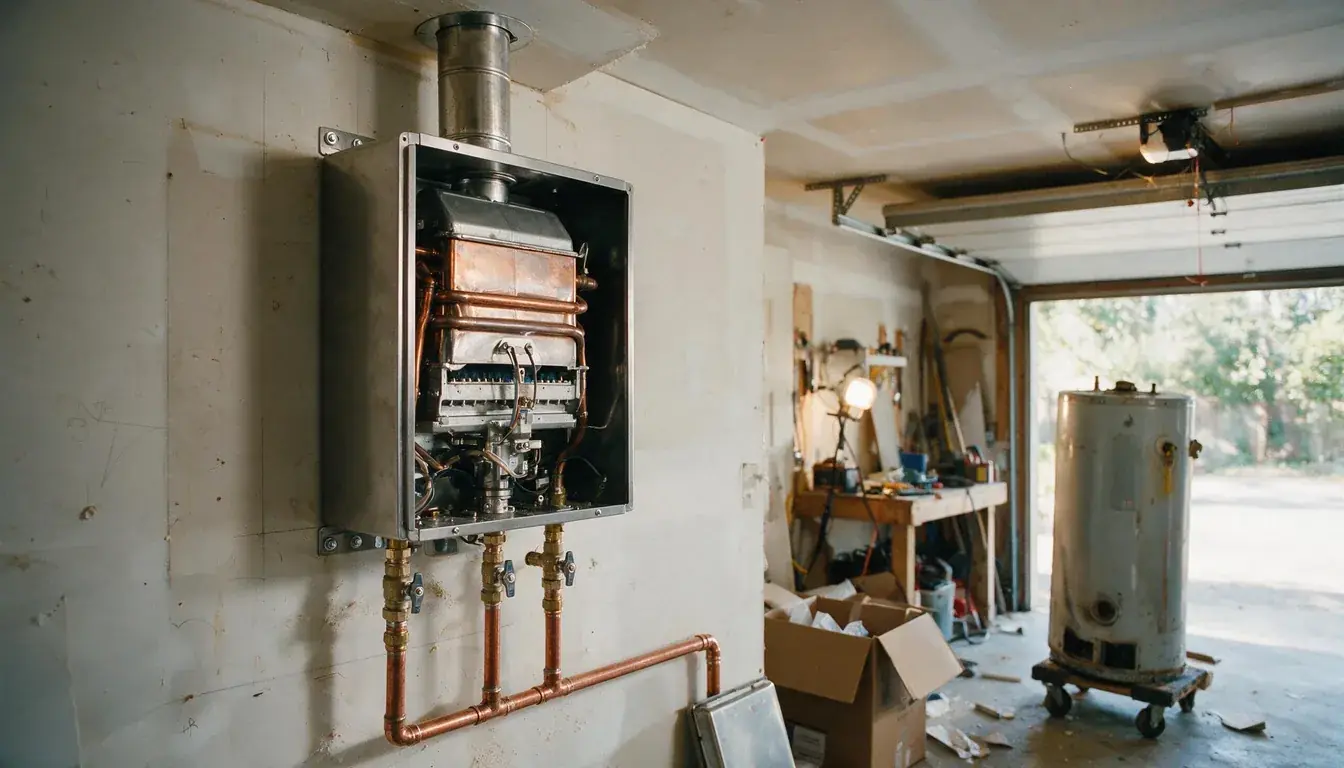
4–7 GPG produces gradual scale that stays manageable with standard maintenance intervals in Denver — annual flushing, cartridge cleaning every 1–2 years. Equipment runs near design lifespan. The primary water quality driver here is preventive maintenance rather than emergency replacement, which distributes service demand more evenly across the calendar.
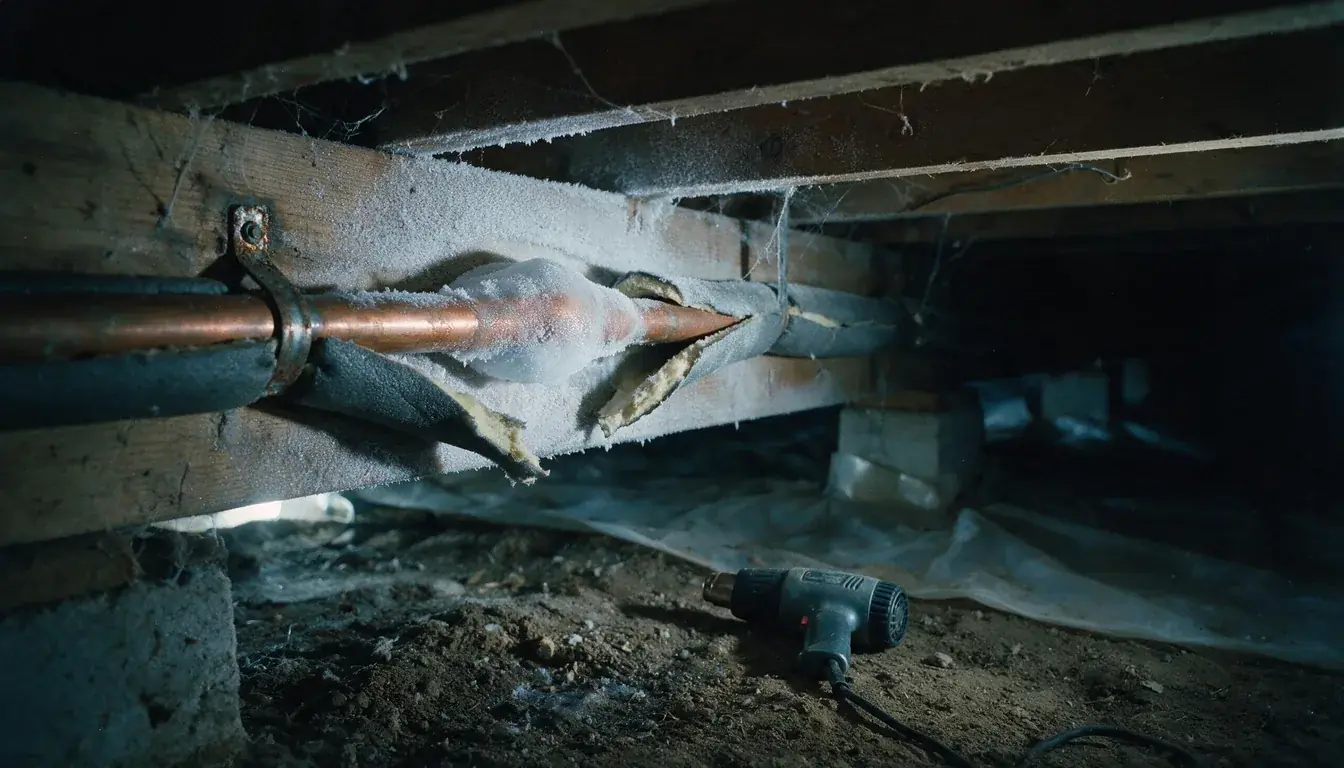
The primary surge in Denver runs January–March, with a secondary wave at the spring thaw — when pipes that held through the freeze rupture as pressure is restored above 32°F. Scheduling competition peaks exactly when emergency calls are highest. Homeowners who wait for visible damage compete for the same limited plumber slots at the worst possible time.
Active damage in Denver — how is it contained, assessed and restored?
Submit your Denver address and describe the active damage — flooding, failed shutoff, burst or frozen line. AlertPlumber passes the request to an independent CO-licensed plumber in its partner's network — ask them to confirm receipt and give you an arrival window.
On arrival, ask the plumber to locate the nearest shutoff and map the damage boundary — affected lines, access points, material condition — and to tell you what requires immediate containment and what can wait until the full repair scope is confirmed.
Ask for a written containment and repair scope to approve before any work begins, with temporary isolation priced separately from full restoration. Give your explicit sign-off before each phase proceeds.
Water Line Repair cost calculator — Denver
Pre-filled for water line repair in Denver. Adjust the ZIP for a neighboring area, or change the service to compare. Calculator pulls from the city's scraped permit-fee + state plumber-density data.
Water Line Repair emergency in Denver?
Every hour without a repair increases structural risk and remediation cost. Calls connect to independent local plumbers in our partner's network — ask for an arrival time and a written estimate.
What else do people ask about water line repair in Denver?
What causes water line breaks in Denver?
The primary causes depend on pipe material and local conditions. Galvanized steel lines corrode from the inside out — a slow process that accelerates above 10 GPG water hardness; Denver's water supply characteristics affect how quickly this progresses. Polybutylene pipe (installed 1978–1995) has a documented failure mode at the acetal fittings; the pipe body may look intact while the fitting connections are failing. Copper lines develop pinholes from chloramine attack (the residual disinfectant in treated municipal water) or from stray electrical current in improperly grounded systems. Ground movement — freeze-thaw cycles, clay soil expansion, root pressure — can break any material at joints.
How do I know if my water line is failing in Denver?
Signs of main water line failure: unexplained wet spots in the yard along the water line path (often with unusually green grass over the line), visible water staining or efflorescence on the foundation where the line enters, a water bill spike without an identified cause, reduced water pressure at all fixtures simultaneously (not just one fixture), or the sound of running water when no fixtures are open. A plumber can conduct a pressure test on the service line to confirm whether a leak exists and approximately where. Immediate excavation without a pressure test is an oversell — most plumbers can locate a break within a 3–5 foot segment using acoustic equipment.
What pipe material replaces old water lines in Denver?
Copper remains the standard for interior service line replacement due to durability and proven performance under municipal water chemistry. PEX (cross-linked polyethylene) is increasingly used for buried exterior service lines — it is flexible enough to withstand freeze-thaw ground movement, resistant to chloramine attack, and easier to install in a single run without joints. Lead service lines, if present, must be replaced with copper per EPA Lead and Copper Rule requirements; some utilities provide partial or full cost assistance for lead line replacement. The plumber specifies the replacement material based on local water chemistry, code requirements, and burial depth conditions.
How much does water line repair cost in Denver?
Water line repair costs in Denver depend on scope and access. A pinhole leak repair on an accessible interior supply line runs a scope-based price. A spot repair on the exterior service line (small excavation, 2–4 feet of pipe) runs a scope-based price including backfill. Full service line replacement — from the meter to the house, typically 20–80 feet — runs a scope-based price depending on line length, burial depth, and surface restoration (lawn restoration, sidewalk or driveway cuts add). If the existing line is lead, some Denver utilities share replacement costs — ask the plumber to check current utility assistance programs before scoping full replacement. Price ranges: plumbing cost guides.
How long does water line repair take in Denver?
An interior supply line spot repair takes 1–3 hours. An exterior service line spot repair with small excavation (hand-dig or mechanical) takes 4–8 hours including backfill. Full exterior service line replacement (trench the full run from meter to foundation) takes 1–2 days for an average residential lot, plus 1–2 days for concrete or asphalt restoration if required. Water service is shut off during the repair and restored by the end of the work in most cases. The plumber coordinates with the water utility for meter shutoff if the shutoff valve at the meter is non-functional — plan for a 1–2 hour utility response window.
Does water line repair require a permit in Denver?
Exterior water service line work in Denver typically requires a plumbing permit, especially when the work involves the service line from the meter to the home. The permit triggers an inspection to verify the pipe material, depth, and connection to the meter. Interior supply line repairs (within the home) may or may not require a permit depending on scope — a like-for-like repair often does not, while full repiping does. Ask whether the plumber will pull the permit as part of the job; permit fees are included in the written estimate. Unpermitted water line work can create disclosure obligations at resale and may void homeowner's insurance coverage for subsequent water damage.
How does Denver's water hardness (5.5) affect water line repair?
Denver water is moderately hard (5.5), which contributes to gradual scale buildup inside pipes and fixtures over time. This accelerates wear on water heater anodes and tankless heat exchangers at a measurable but manageable rate — a softener is beneficial but not urgently required. Annual water heater maintenance is more important here than in soft-water markets.
How does Denver's freeze risk (36 frost line) affect water line repair in this market?
Denver averages 152 days below freezing per year, which requires pipe burial below the 36 frost line for outdoor and foundation-edge supply runs. Freeze-thaw cycling stresses underground pipe joints and can crack fittings at the thermal boundary (where heated space ends and unheated space begins).
How does Denver's median home age (53 years) affect water line repair pricing?
Census data (American Community Survey) puts Denver's median home age at 53 years. Age alone does not tell you what pipes a particular home has. Older homes may still have galvanized pipe, cast-iron drains or Orangeburg sewer laterals; homes built from the late 1970s to the mid-1990s may have polybutylene supply lines; and many homes of every age have been partly or fully repiped with copper pipe or PEX since. Ask the plumber what pipe materials your home has and whether they change the scope or the price of the job — a pipe material check is a reasonable part of a diagnostic visit.
What do lead service lines mean for water line repair decisions in Denver?
Denver has a documented lead service line inventory (65,000). Any disturbance to the service line or interior supply connections in a home with lead pipe should include documentation of materials and discussion of LSL replacement options with the city. Denver's utility department can confirm whether your specific address is scheduled for replacement.
What affects the cost of water line repair in Denver, CO?
Pipe material (copper, galvanized steel, or polybutylene), depth of the service line, length of the section requiring replacement, and excavation and surface restoration requirements are the main cost drivers. Municipal permit fees and meter shutoff coordination are included in the scope. Pipe depth and material are confirmed before excavation pricing is set. Ask the plumber for a written estimate covering price, scope, and permit requirements before any work begins.
How do I check a plumber's license in Colorado?
AlertPlumber does not license, vet or employ plumbers; calls are connected to independent local plumbers in our partner's network. Before work begins, ask the plumber for their Colorado license number and look it up on the Colorado licensing board's public database — it shows current standing, including any recent disciplinary actions, renewals, or lapses. Bonding, liability-coverage and continuing-education rules vary by state; ask for proof of insurance as well.
Does AlertPlumber charge a fee for connecting me with a plumber in Denver?
AlertPlumber does not charge homeowners. AlertPlumber is paid a referral fee by its routing partner for qualifying calls — it is not an added charge to you. Ask the plumber for a written price before any work begins; if the quote doesn't fit your situation, you can decline at any point.
One call puts your problem in front of a local plumber.
Call the number, or put your number in the form below — the request goes to an independent Colorado plumber in our partner's network; ask about the water line repair and for a written estimate.
Need a water line repair callback in Denver?
In a meeting, with the kids, or just prefer not to call? Drop your ZIP and number below. AlertPlumber sends your request to our routing partner — if a participating plumber serves your area, they may call you back directly. For anything urgent, call the number on this page.
- 1 Submit your info. ZIP, phone, and what kind of work you need.
- 2 AlertPlumber passes it on to our routing partner for your area.
- 3 If a participating plumber serves your area, they may call you back. Ask for a written estimate before work starts.
Water Line Repair in Denver — when to call
Acute plumbing failures cannot wait. AlertPlumber routes calls about water line repair in Denver to independent Colorado plumbers in our partner's network — call now or submit the form above for a callback.