
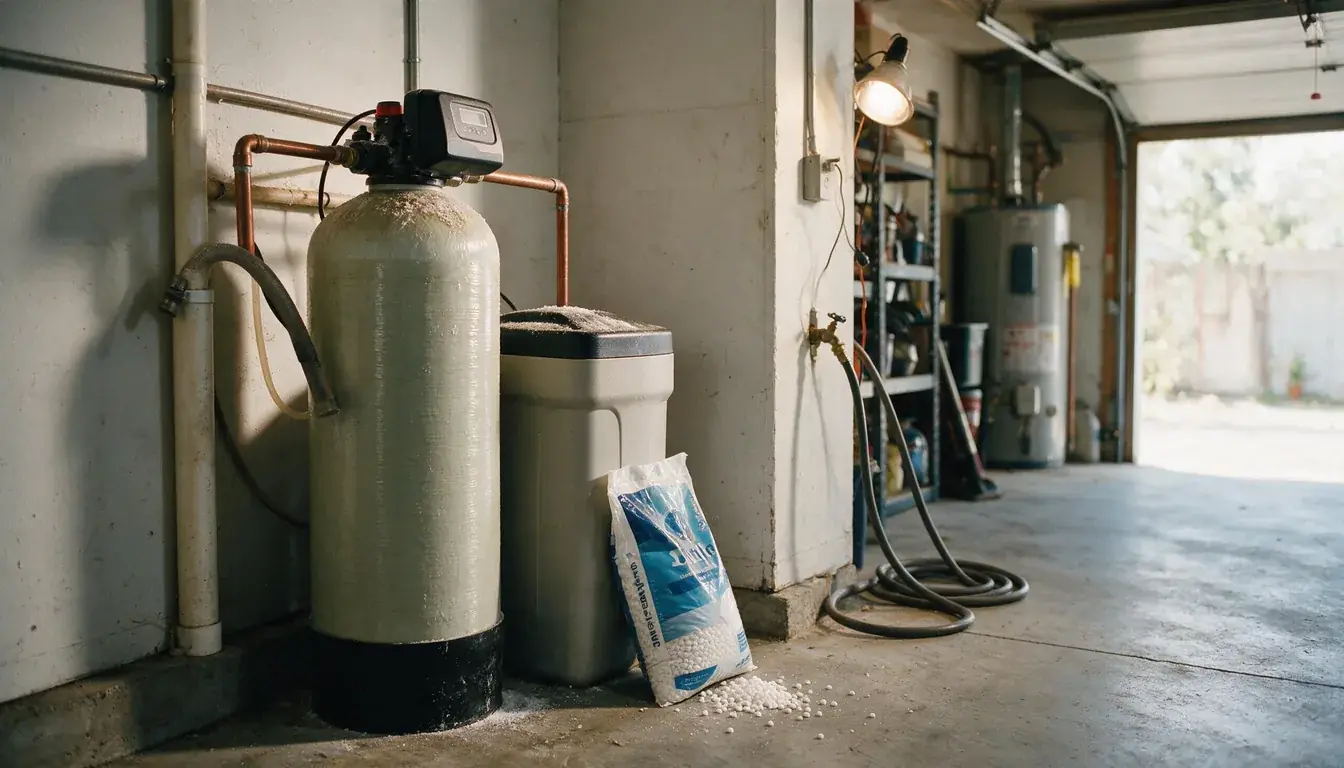
Water Softener Installation in Denver, Colorado
Water Softener Installation in Denver, Colorado installs whole-home water softeners and salt-free conditioners. Local conditions in Denver: water measured at 5.5, a 36 frost line and a median home age of 53 years.
Book it this week — ask the independent CO plumber you reach for a quote by phone before anyone comes out.
What does the local plumbing data show for Denver, CO?
Seeing these conditions at your place in Denver? Describe them on the call to a state-licensed local plumber — free, no obligation.
What are the pipe conditions in Denver, CO?
Water softener installation in Denver is calibrated to the local water hardness — GPG level determines the resin tank size, regeneration cycle frequency, and salt type required. An undersized softener in a hard-water market regenerates too frequently and passes hard water during peak demand. Drain line placement and brine tank position require planning; older homes may need the softener positioned before the water heater but after the main shutoff. AlertPlumber connects your call with an independent Colorado-licensed plumber — ask them to specify the unit from your actual hardness reading.
Denver's housing stock spans multiple construction eras — median home age 53 years — meaning pipe materials and failure modes vary significantly by neighborhood and building vintage. An inspection-led approach that confirms pipe material before recommending a service path is standard practice for mixed housing profiles. Homes of other eras in Denver may have galvanized pipe, copper pipe or polybutylene supply lines instead; ask the plumber which your home has.
Frost line depth in Denver means supply lines and outdoor plumbing must be installed below the freeze threshold — typically 36 — to prevent pipe burst during cold events. Exterior hose bibs, irrigation shutoffs, and any exposed pipe runs are the most common winterization service points in freeze-risk markets.
- Median home age
- 53 yrs
- Water hardness
- 5.5 gpg
- Frost line
- 36 in.
- Lead lines
- Active replacement
- Permit
- City fee schedule
Census housing age, Denver city, Colorado: median year built 1975; 34.3% of homes built before 1960, 55.5% before 1980. Source: U.S. Census Bureau, ACS 2020–2024 5-year estimates, tables B25034 and B25035, read 2026-09-30.
Mention these conditions when you describe the symptom to the CO plumber you reach.
What local infrastructure shapes Water Softener Installation in Denver?
Denver Water delivers treated South Platte River and snowmelt runoff at approximately 5.5 grains per gallon — a moderate hardness level documented in the utility's annual water quality report. At this concentration, a water softener is not a necessity in the way it is in very-hard markets above 12 GPG; visible scale on fixtures is infrequent, and water heater element life is not dramatically shortened by mineral accumulation alone.
Denver has approximately 65,000 identified lead service lines — a substantial inventory for a city at this hardness level. The corrosion risk calculus here differs from hard-water markets: moderate-hardness Denver water already has lower mineral buffering capacity than very-hard supplies, meaning it is somewhat more corrosive to lead pipe interiors as delivered. Adding a softener further reduces that buffering, and the increased lead leaching risk in homes with lead service lines requires direct consideration.
Denver Community Planning and Development requires a permit for softener installation; the fee covers the connection inspection. Denver Water's consumer confidence report is the reference for current hardness and mineral content data. The 36-inch frost line is relevant for any supply penetration at or near grade; interior basement installation — common in post-war Denver construction — places the softener away from freeze risk entirely. Denver's municipal sewer system accepts residential brine discharge at standard regeneration volumes; Colorado has no statewide sodium chloride restriction for residential applications. Permit fee ranges: permit fee estimator.
What shapes plumbing demand in Denver, CO?
1950s–70s copper supply is now 50–70 years into its service cycle in Denver. Thermal fatigue at fittings and slab-on-grade access complexity — common in Sun Belt construction — make repair vs. replacement a live decision on most jobs. This housing cohort is the active primary replacement wave in this market.
4–7 GPG produces gradual scale that stays manageable with standard maintenance intervals in Denver — annual flushing, cartridge cleaning every 1–2 years. Equipment runs near design lifespan. The primary water quality driver here is preventive maintenance rather than emergency replacement, which distributes service demand more evenly across the calendar.
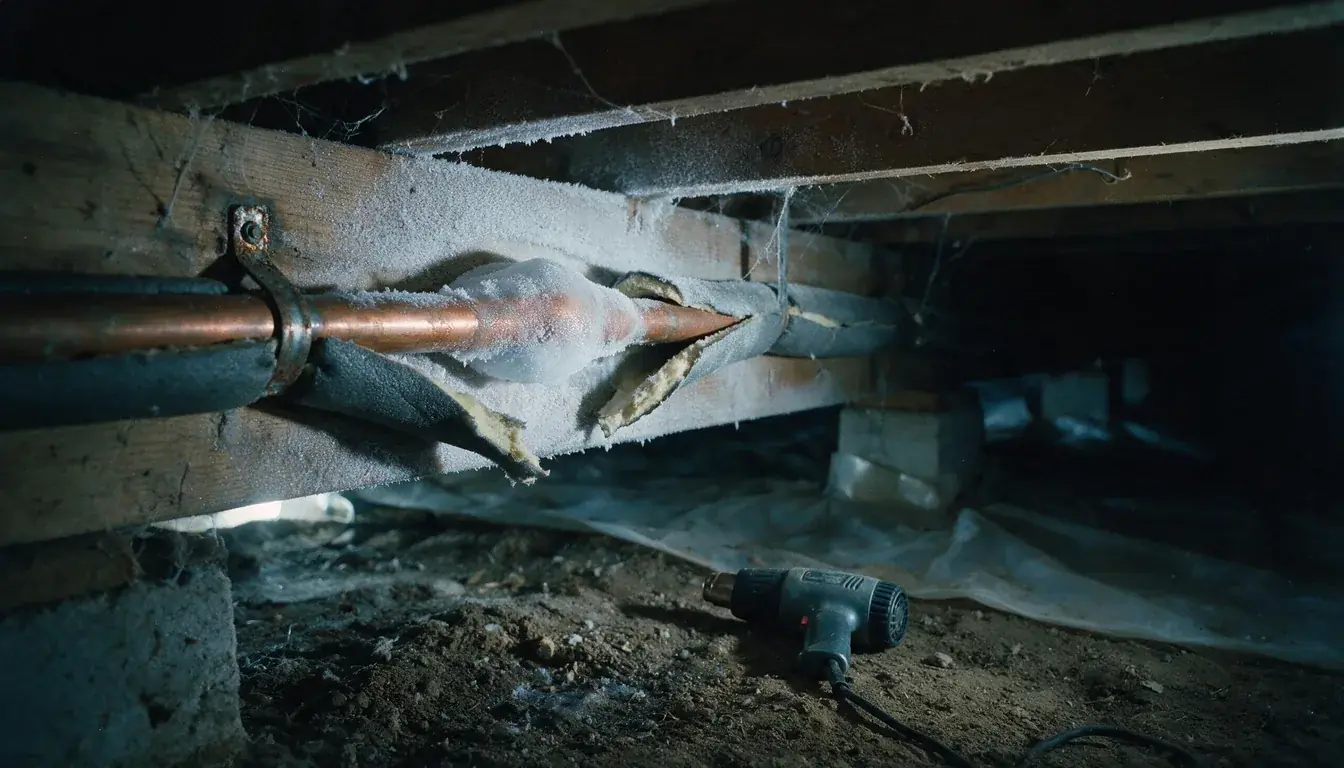
The primary surge in Denver runs January–March, with a secondary wave at the spring thaw — when pipes that held through the freeze rupture as pressure is restored above 32°F. Scheduling competition peaks exactly when emergency calls are highest. Homeowners who wait for visible damage compete for the same limited plumber slots at the worst possible time.
Why does a Denver plumber estimate first and commit second?
Submit the service type and your Denver address. The request goes to an independent Colorado plumber in our partner's network — ask when a site visit can be scheduled. There is no financial commitment or obligation at this stage.
At the appointment, ask the plumber to inspect the installation point, confirm the project approach, and put the estimate in writing: fixed price, material breakdown, and project timeline for Denver. Review it at your pace before deciding.
Once you approve the estimate, agree the start date. Ask that required permits for Denver are pulled before the job starts, and for a final walkthrough confirming every item in the agreed scope was delivered.
Water Softener Installation cost calculator — Denver
Pre-filled for water softener installation in Denver. Adjust the ZIP for a neighboring area, or change the service to compare. Calculator pulls from the city's scraped permit-fee + state plumber-density data.
Ready to move forward on water softener installation in Denver?
Lead times for equipment and scheduling vary by season. Ask the plumber you reach about availability and a written estimate — and settle timing before demand peaks.
What else do people ask about water softener installation in Denver?
How much does water softener installation cost in Denver, CO?
Water softener installation in Denver runs roughly 10% above the national average. A 32,000-grain salt-based system for a 2-bathroom home is at the lower end; a whole-home 48,000-grain dual-tank unit with professional installation and drain connection is at the higher end. Salt-free (template-assisted crystallization) systems cost similarly but don't remove hardness — they prevent scale without ion exchange. Price ranges: water softener installation cost guide.
Does Denver water actually need a softener?
Denver water at 5.5 gpg is moderate — borderline for a softener. A water test kit or free utility report confirms whether softening is worth the cost for your specific supply. Price ranges: water softener installation cost guide.
Salt-based vs salt-free water softener — which is right for Denver?
Salt-based (ion exchange) systems fully remove hardness minerals, producing genuinely soft water that lathers easily and extends appliance life. Salt-free (TAC/template crystallization) systems prevent scale attachment without removing minerals — they work well in the 5.5 gpg range and avoid the softened-water corrosion risk in copper-piped homes. If Denver has brine-discharge restrictions in your area, ask the plumber to confirm before purchasing — some California water districts restrict salt-based softeners.
How do I size a water softener for my Denver home?
Sizing formula: (household members × 75 gallons/day × water hardness in gpg) = daily grain removal needed × 7 days = system grain capacity. For a 4-person Denver home at 5.5 gpg: 4 × 75 × 5.5 × 7 = 11,550 grains — round up to the next standard size (typically 32K, 48K, or 64K grain). The plumber measures actual water hardness on-site and sizes accordingly.
What installation requirements apply to water softeners in Denver?
Softener installations in Denver require: a nearby floor drain or utility sink for brine discharge, a dedicated bypass valve on the inlet and outlet, and in some jurisdictions a separate permit from CO DORA. The unit goes on the main supply line before water reaches heaters and fixtures — typically in the utility room near the main shutoff. Electrical outlet within 6 feet is needed for the control head. The plumber handles all connections and programs the regeneration cycle during installation.
How does a water softener affect Denver plumbing materials?
Denver's 1950s-70s clay housing stock includes a mix of materials. Soft water slightly increases the corrosivity of copper — if your home has copper supply lines, a properly set softener (targeting 5–7 gpg output, not 0) avoids the corrosion issue while still preventing scale. PEX and CPVC are unaffected by softened water. Galvanized steel actually benefits the most — softened water dramatically slows the internal rusting that narrows galvanized bore over decades.
How does brine discharge work and are there restrictions in Denver?
Salt-based softeners regenerate every 5–7 days, discharging brine (salty water) into the drain — typically 50–75 gallons per regeneration cycle. This goes to the sanitary sewer, not storm drain. Most Denver utilities allow standard brine discharge to sanitary sewer. Confirm with your local utility if you're in a sensitive groundwater recharge area.
What maintenance does a water softener need in Denver?
Refill the brine tank with salt every 4–8 weeks depending on usage and system size (50-lb bags are inexpensive). Check annually for salt bridges (a hardened crust that prevents salt from dissolving — break it up with a broom handle). Sanitize the resin tank every 5 years. Replace the resin bed every 10–15 years. Set the hardness level accurately during commissioning — a miscalibrated setting wastes salt or leaves water insufficiently softened. Price ranges: water softener installation cost guide.
Will a water softener protect my Denver water heater?
Denver's 5.5 gpg water causes moderate scale at best — a water softener helps, but proper annual heater flushing achieves most of the same protection.
How do I check the license of water softener installers in CO?
AlertPlumber does not vet plumbers: for water softener installation in Denver, ask for the CO DORA license number and check it with the state board. Installers in the network carry major brands (Fleck, Clack, Pentair) and will test your water hardness on-site before recommending a system — no upselling to an oversized unit.
Asking for a written quote costs you nothing. Guessing costs you the job.
The form below takes under a minute — it goes to an independent Colorado plumber in our partner's network; ask them to scope the water softener installation and put the quote in writing.
Need a water softener installation callback in Denver?
In a meeting, with the kids, or just prefer not to call? Drop your ZIP and number below. AlertPlumber sends your request to our routing partner — if a participating plumber serves your area, they may call you back directly. For anything urgent, call the number on this page.
- 1 Submit your info. ZIP, phone, and what kind of work you need.
- 2 AlertPlumber passes it on to our routing partner for your area.
- 3 If a participating plumber serves your area, they may call you back. Ask for a written estimate before work starts.
Water Softener Installation in Denver — scope and schedule
AlertPlumber connects your call with an independent CO plumber for water softener installation in Denver. Ask for a written estimate and permit coordination; you are under no obligation until you approve a quote.