
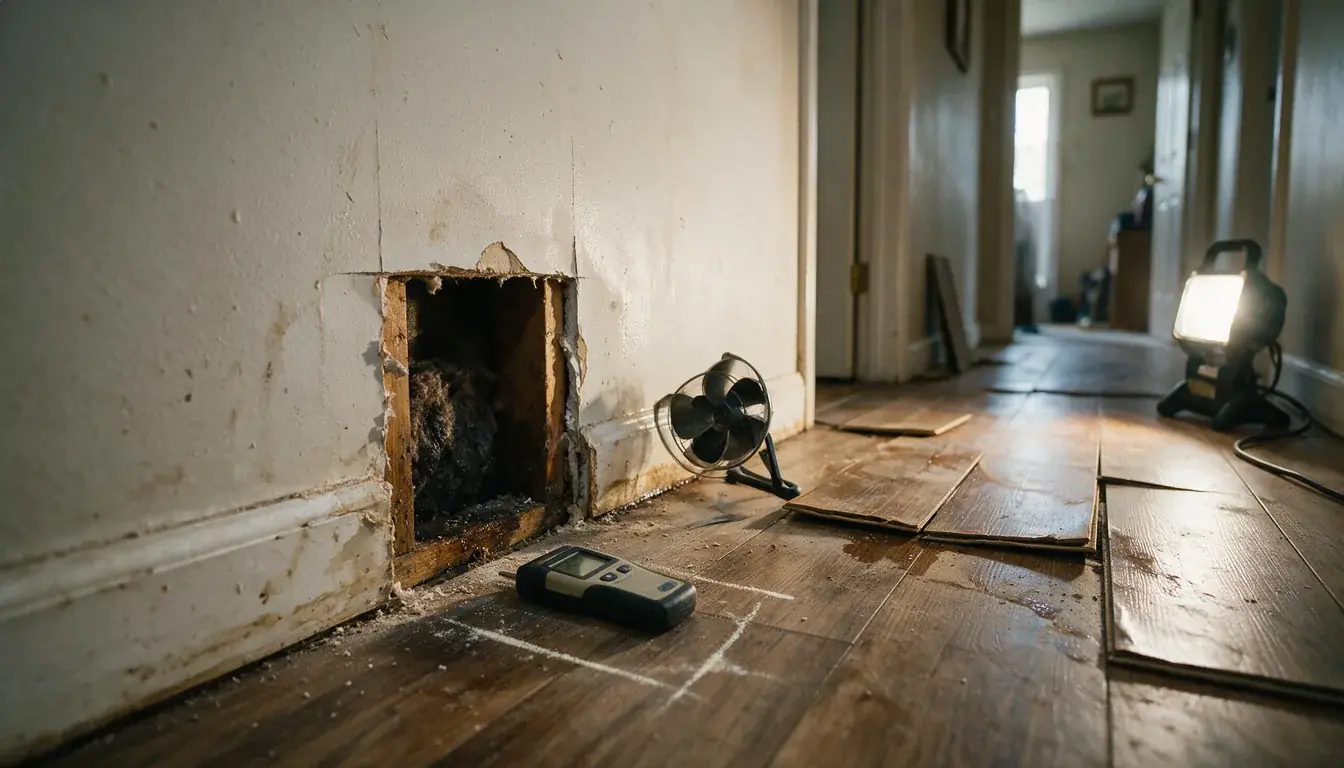
Emergency Leak Detection in Phoenix, Arizona
Leak Detection in Phoenix, Arizona locates hidden water and gas leaks using acoustic and thermal equipment. Local conditions in Phoenix: water measured at 17, a 0 frost line and a median home age of 41 years.
Camera first, quote second — know exactly what's wrong in your Phoenix home before you approve a dollar.
Who do I call for a hidden leak in Phoenix?
A plumber who offers leak detection. Ask what method they use (acoustic, thermal imaging or a pressure test) and whether finding the leak and repairing it are quoted separately. A hidden leak becomes urgent in a Phoenix home when water is visible on a ceiling, wall or floor.
What does the local plumbing data show for Phoenix, AZ?
Seeing these conditions at your place in Phoenix? Describe them on the call to a state-licensed local plumber — free, no obligation.
What are the pipe conditions in Phoenix, AZ?
Non-invasive leak detection uses acoustic amplification, thermal imaging, and pressure isolation to locate water loss in supply lines and drain systems without opening walls or floors. Phoenix homes with galvanized or older copper supply runs face the highest pinhole leak incidence — a slow leak inside a wall cavity can cause mold and structural damage for months before becoming visible. A professional leak detection prevents unnecessary demolition by confirming the exact break location before any drywall is cut. AlertPlumber connects your call with an independent Arizona-licensed plumber — ask them to locate first and open second.
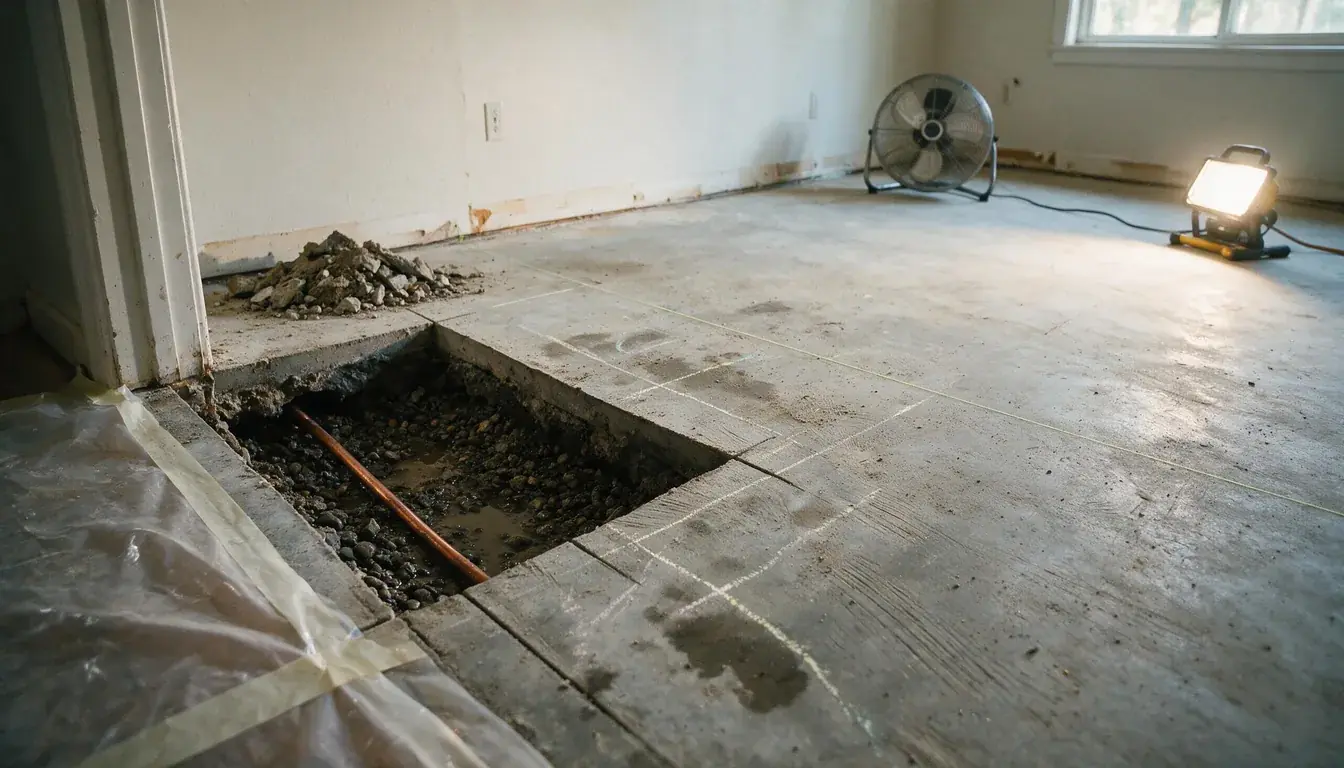
Post-war and modern-era construction in Phoenix — median home age 41 years — frequently includes copper supply lines embedded in slab foundations, common in tract construction from the 1960s through the 1980s. Hard water accelerates pinhole corrosion from the exterior of slab-embedded copper; when a leak develops, access requires either epoxy lining through existing penetrations or controlled slab opening for section replacement. Homes of other eras in Phoenix may have galvanized pipe, copper pipe or polybutylene supply lines instead; ask the plumber which your home has.
Very hard water in Phoenix is a primary driver of accelerated appliance failure: water heater anode rods exhaust in 2–3 years instead of 6–8, scale deposits at fixture connections form within months of installation, and tankless heat exchangers accumulate mineral buildup that can reduce lifespan by half without regular descaling. A softener or whole-house conditioner is strongly recommended alongside any appliance service call.
- Median home age
- 41 yrs
- Water hardness
- 17 gpg
- Frost line
- 0 in.
- Permit
- City fee schedule
Census housing age, Phoenix city, Arizona: median year built 1985; 14% of homes built before 1960, 41.6% before 1980. Source: U.S. Census Bureau, ACS 2020–2024 5-year estimates, tables B25034 and B25035, read 2026-09-30.
Mention these conditions when you describe the symptom to the AZ plumber you reach.
What local infrastructure shapes Leak Detection in Phoenix?
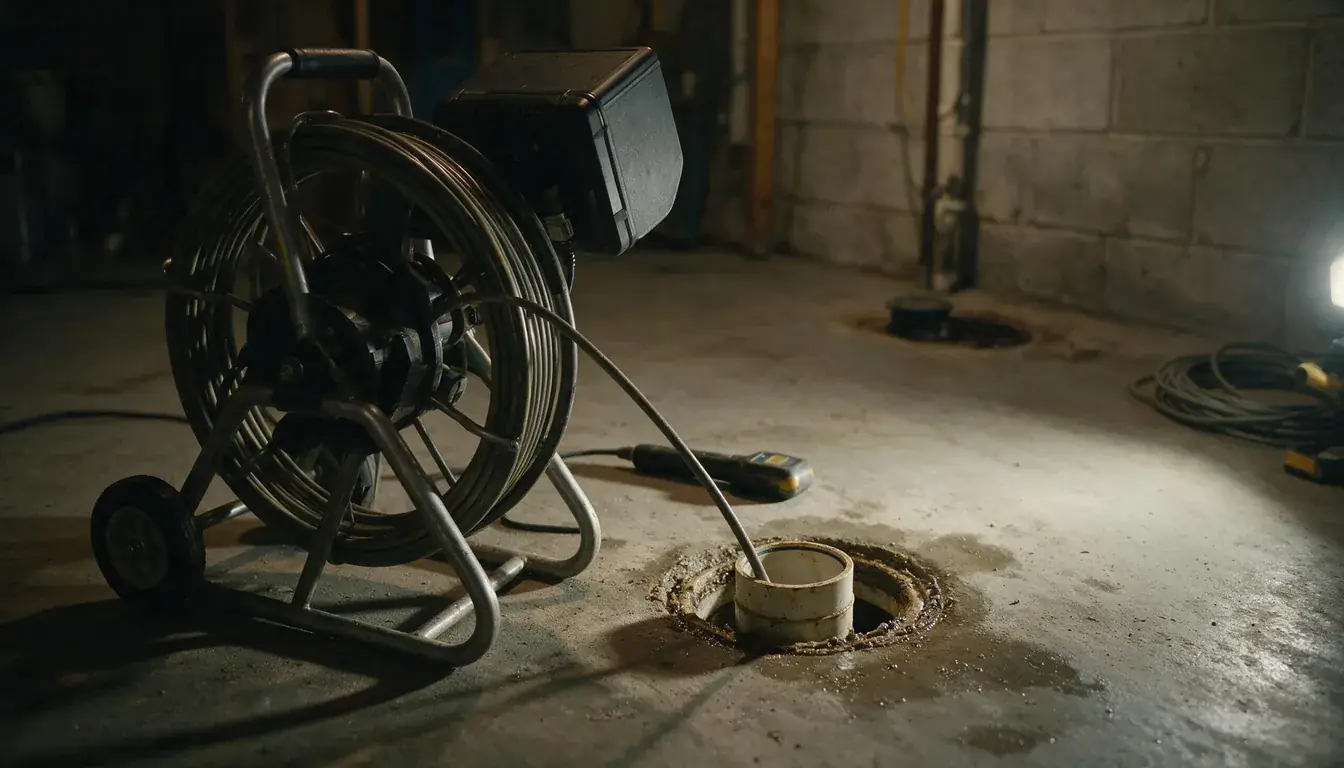
Municipal water delivered here carries approximately 17 grains per gallon of dissolved calcium and magnesium — the highest hardness value across this service area. Slab-embedded copper supply lines accumulate mineral deposits on interior walls while the alkaline soil chemistry at the concrete-copper interface drives external oxidation simultaneously. Both processes advance along the full length of buried pipe, concentrating pinhole formation at elbow fittings where turbulence disrupts the mineral layer.
Acoustic sensing is the detection method of choice for slab-embedded copper because the leak path is buried under three to four inches of concrete. A calibrated transducer maps ground noise along the supply route, triangulating the pinhole position before any cutting begins. Skipping acoustic confirmation and proceeding to slab work based on pressure-drop alone risks cutting at the wrong location, multiplying restoration costs without solving the failure.
Phoenix requires a permit covering both the detection scope and the repair before surfaces are restored. Pressure tests are conducted after repair and before slab closure to confirm the line holds to code. With 3,247 licensed plumbing contractors serving 1.6 million residents — the lowest density in this dataset — detection specialists often carry multi-day lead times, making early diagnosis critical to avoiding undetected water loss under the slab. Permit fee ranges: permit fee estimator.
What shapes plumbing demand in Phoenix, AZ?
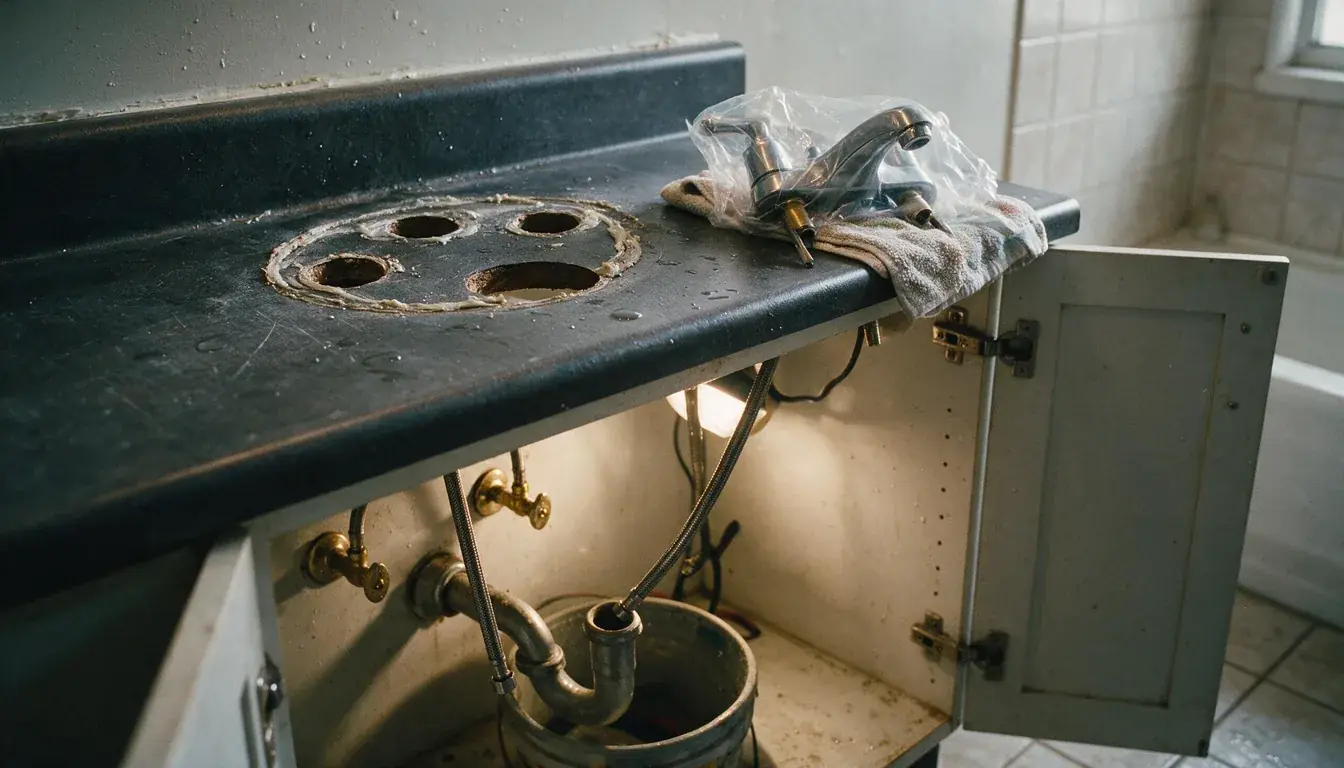
CPVC becomes brittle in the 20–35-year range and snaps under thermal stress or incompatible pipe dopes. Early PEX fittings (pre-2010) may develop chloramine compatibility issues at 15–25 years. The 1980s–1990s housing stock in Phoenix is entering its first wave of material-driven service calls — not from neglect, but from normal service-life progression.
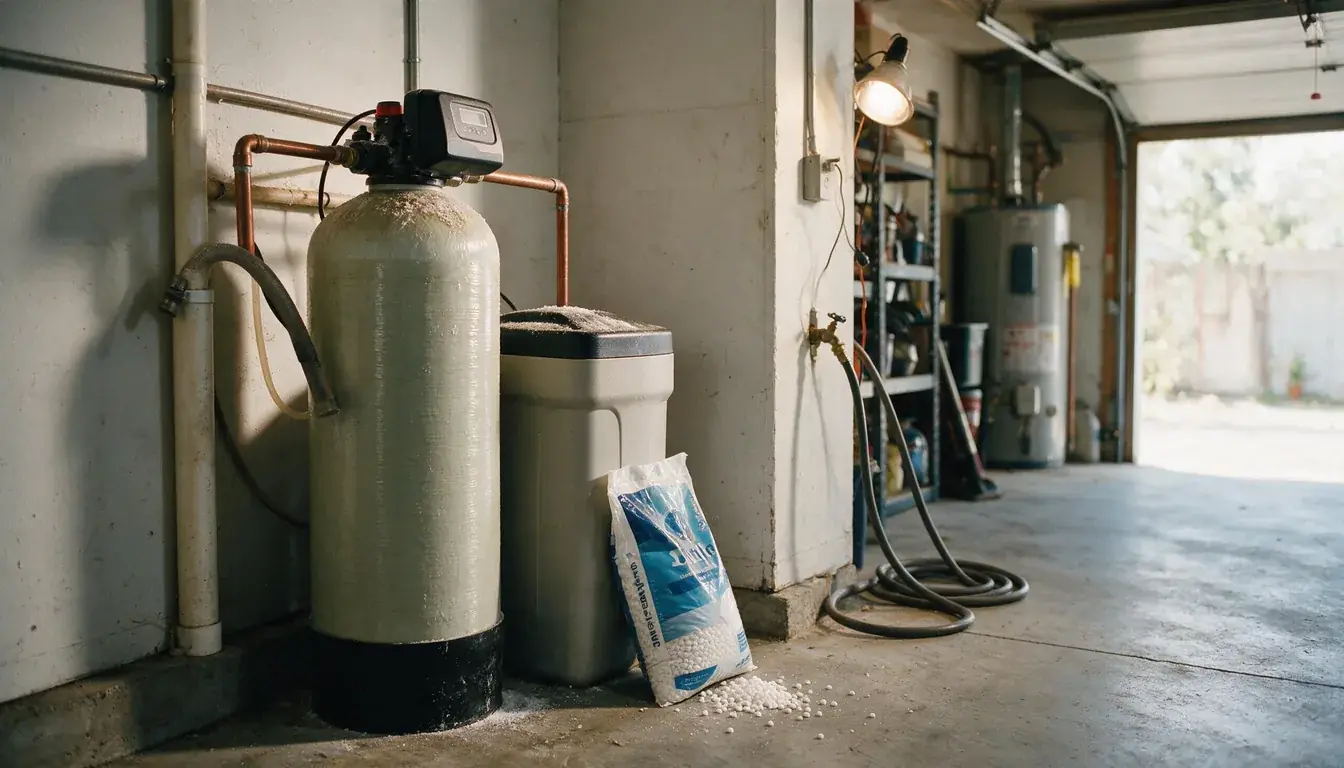
At 15–20+ GPG, calcium scale forces compressed equipment cycles in Phoenix: tank heaters average 6–9 years vs. the 10–12-year national benchmark, and tankless units require annual descaling. Anode rods calcify within 12–18 months. Most plumbers here assess heater age against the local scale timeline — not the manufacturer's service life.
Summer heat above 95–115°F in Phoenix keeps sediment in suspension inside tank water heaters — accelerating element failure instead of allowing sediment to settle and flush. Attic-mounted supply lines face diurnal thermal stress year-round. Root intrusion concentrates around irrigated landscaping rather than distributing evenly across the full sewer lateral path.
Why diagnose before repairing in Phoenix?
Describe the symptom — not the repair. AlertPlumber routes the call to an independent AZ-licensed plumber in its partner's network — ask whether the site visit will use camera tracing, acoustic detection, or hydrostatic pressure testing matched to the reported failure type.
Ask the plumber for a written diagnostic report: confirmed failure location, available repair methods, and tradeoffs — disruption level, material durability, long-term cost, and whether a Phoenix building permit applies to the selected method.
You select the repair path. Ask for a fixed scope and price on the authorized method before the Arizona-licensed plumber proceeds and, where required, who files the permit application to Phoenix.
Leak Detection cost calculator — Phoenix
Pre-filled for leak detection in Phoenix. Adjust the ZIP for a neighboring area, or change the service to compare. Calculator pulls from the city's scraped permit-fee + state plumber-density data.
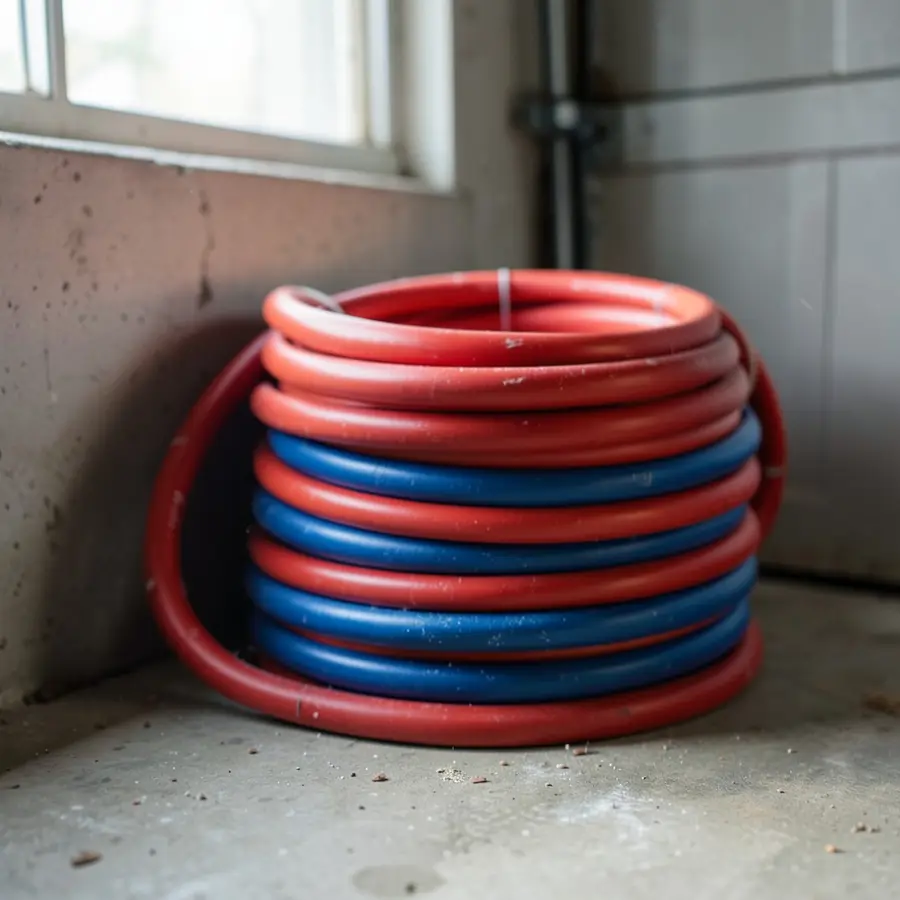
Leak Detection in Phoenix — the longer it runs, the more it costs.
Slow failures compound: soft pipe walls, root penetration, mineral buildup. Ask the plumber you reach for a scope-first estimate before anything is dug up.
What else do people ask about leak detection in Phoenix?
How much does professional leak detection cost in Phoenix?
A non-destructive leak detection workup in Phoenix typically runs flat, billed before any repair quote. The price covers FLIR thermal scanning of the slab, acoustic listening on the supply manifold, and a static pressure-isolation test. The detection fee is usually credited toward the repair if you book the same plumber. Repair itself is separate: a single slab spot-repair runs the scheduled fee in Phoenix because the City of Phoenix Development Services charges a plumbing-repair permit on top of the labor. AlertPlumber matches the call to an independent plumber who quotes both numbers up front. Price ranges: leak detection cost guide.
How do I know if I have a hidden leak in my Phoenix home?
The single most diagnostic symptom in Phoenix is a warm spot on the floor — slab leaks here are overwhelmingly hot-water-line failures, and the heated water warms the concrete above the pinhole. Walk barefoot across tile in the morning before the sun heats the slab. Other Phoenix-specific clues:
- Water bill jumps 20%+ with no change in usage (Phoenix Water averages 5,200 gal/mo per single-family connection)
- Hot-water heater cycling more often than usual
- Hairline cracks in tile or grout above the slab
- Faint hissing sound near the water heater closet at 2 a.m. with everything off
Any one of these warrants a detection scan.
What detection methods does a Phoenix plumber actually use?
For a Phoenix slab leak the standard sequence is: (1) static pressure-isolation test on the supply manifold to confirm a leak exists and isolate hot vs cold side, (2) FLIR thermal imaging across the floor surface to localize the warm anomaly, (3) acoustic ground-microphone listening to triangulate within 12-18 inches, and (4) electronic line-tracing to map the pipe route before any concrete is opened. Phoenix's hot-side dominance (1983 median build, copper-in-slab tracts) makes FLIR unusually effective here — in Boston or Minneapolis the same camera sees less because freeze-burst leaks are cold-side and the slab is rarely the failure point.
Will Arizona homeowners insurance cover Phoenix leak detection?
Most AZ homeowners policies cover the detection fee when the underlying leak is classified as "sudden and accidental" — a pinhole that just opened, not gradual seepage that's been ongoing for months. Standard ISO HO-3 policies in Arizona pay for tear-out and access (the slab cut, the wall opening, the detection report) but exclude the cost of repairing the failed pipe itself, which is treated as wear-and-tear. State Farm, Farmers, and USAA all reimburse Phoenix-area detection invoices when paired with a moisture-mapping report. Submit the plumber's written report with the claim — verbal diagnosis alone is usually denied.
Why does the water bill suddenly spike when there is a hidden leak?
Phoenix Water meters every gallon that crosses the property line, whether it ends up in the dishwasher or the soil under your slab. A pinhole leak under 60 psi line pressure releases roughly 70-150 gallons per day — invisible at the surface but a 2,100-4,500 gal/month addition to your bill. On a typical Phoenix bill that's a scope-based price in extra water plus the matching wastewater charge (Phoenix bills sewer based on metered water). A 20%+ unexplained spike for two consecutive cycles is the threshold most Phoenix plumbers use to recommend a detection scan even before any visible symptom appears. Price ranges: leak detection cost guide.
Can a Phoenix homeowner locate the leak without calling a plumber?
You can confirm a leak exists on your own — shut every fixture, then watch the meter's low-flow indicator (the small triangle or red dial). Any movement over 15 minutes with everything off means water is escaping somewhere. You cannot reliably locate the leak yourself. Consumer-grade IR thermometers don't have the spatial resolution to distinguish a slab leak from a sun-warmed grout line, and rental moisture meters can't see through 4 inches of concrete. Save the diagnostic step for a independent plumber with a calibrated FLIR camera; the AZ ROC database lists 3,247 active C-37 contractors qualified to do it.
What is the most common type of leak in Phoenix homes?
By volume, in-slab copper hot-water line pinholes — a Sun Belt phenomenon driven by Phoenix's 17 gpg hardness (USGS), thin-wall Type M copper used in 1960s-90s tract construction, and the thermal stress of 140°F water in 110°F ambient soil. The 1983 median Phoenix build year puts most homes squarely in the peak failure window (30-50 year service life per the Copper Development Association). Secondary patterns are hose-bib silcock leaks behind stucco (irrigation freeze-thaw cycle in February) and water-heater pan drips in single-car garages. Galvanized supply leaks are rare in Phoenix because most pre-1960 stock has already been repiped.
How accurate is FLIR thermal imaging for finding a slab leak?
For a hot-line slab leak in Phoenix, a properly calibrated FLIR T-series camera localizes the leak within an 18-inch radius about 85-92% of the time on the first scan. Accuracy drops if (a) the leak is on the cold side — no thermal contrast against ambient slab, (b) the floor finish is thick carpet or insulating cork, or (c) the leak has been running long enough to saturate the entire under-slab soil. Phoenix's typical hot-line failure mode plays directly to FLIR's strengths. A skilled tech follows the thermal hit with acoustic confirmation before recommending where to cut concrete — the camera narrows the search; the microphone confirms the spot.
Should the entire Phoenix home plumbing system get a pressure test?
If your Phoenix home is in the 1960-1995 copper-in-slab era and you've already had one slab leak repaired, a system-wide static pressure test is worth the fee. The test isolates each branch (hot, cold, irrigation) and holds 80 psi for 15 minutes — any pressure drop signals an additional weak point that hasn't surfaced yet. Phoenix-area plumbers report that homes with one detected slab leak have a 35-50% probability of a second pinhole within 36 months on the same hot manifold. The pressure test is lower-cost than a second emergency call, and the data informs whether you spot-repair or commit to a PEX repipe. Price ranges: leak detection cost guide.
How do I check the license of plumbers in AZ?
AlertPlumber cannot confirm the partner's screening; before hiring any Phoenix-area plumber reached through AlertPlumber, confirm an active Arizona Registrar of Contractors C-37 (Plumbing) license, verified against the AZ ROC database (3,247 active C-37 contractors statewide as of 2024). Leak detection is not a separately licensed trade in Arizona — the C-37 covers diagnostic work, slab-cut access, and the actual pipe repair. AlertPlumber re-checks license status at the time the call is routed, not just at signup, so an expired or suspended contractor cannot accept the lead. Ask for the contractor's name and license number on the call so you can independently verify on the AZ ROC public lookup before they roll the truck.
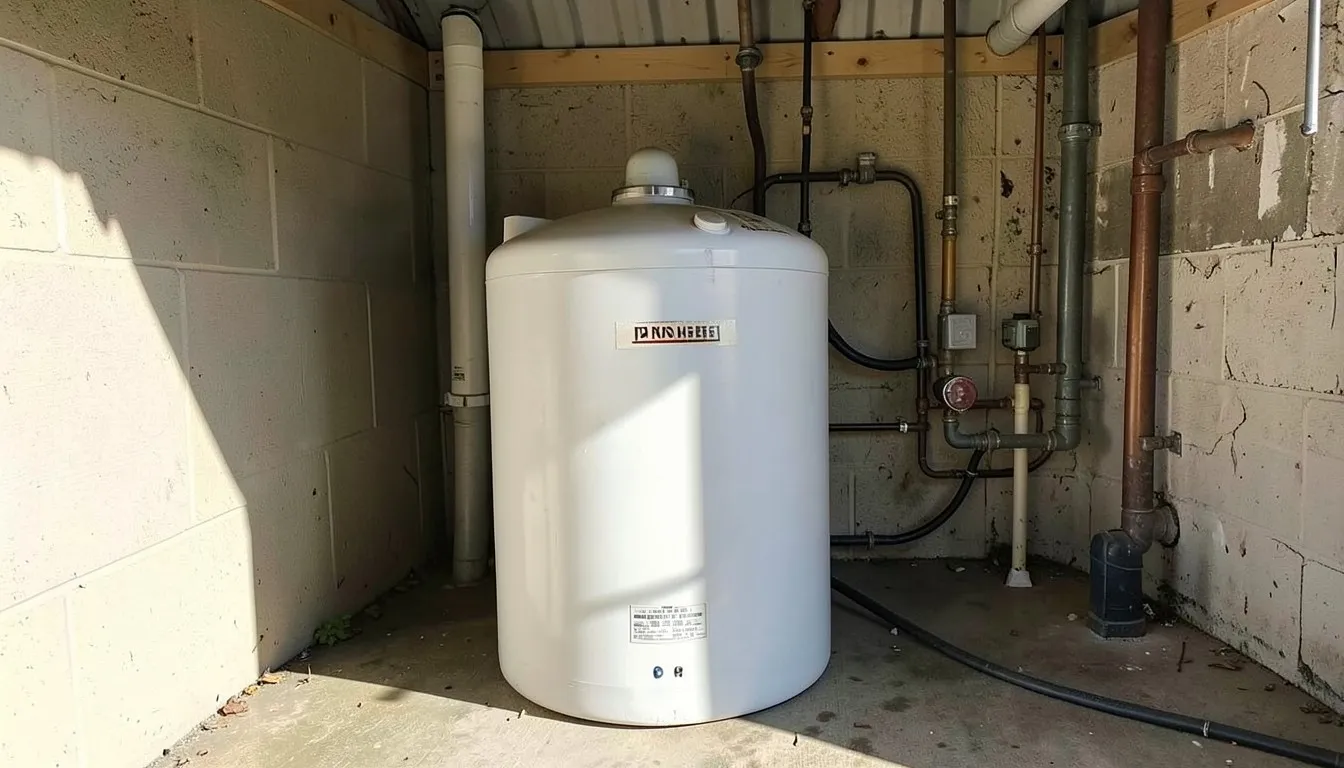
The fix gets cheaper the sooner a plumber sees it.
Degradation problems compound quietly. Call now, or use the form below to reach an independent Arizona plumber, and ask for an estimate for the leak detection — you are under no obligation.
Need a leak detection callback in Phoenix?
In a meeting, with the kids, or just prefer not to call? Drop your ZIP and number below. AlertPlumber sends your request to our routing partner — if a participating plumber serves your area, they may call you back directly. For anything urgent, call the number on this page.
- 1 Submit your info. ZIP, phone, and what kind of work you need.
- 2 AlertPlumber passes it on to our routing partner for your area.
- 3 If a participating plumber serves your area, they may call you back. Ask for a written estimate before work starts.
Leak Detection in Phoenix — catch it early
Degradation-driven failures worsen over time and cost more to fix the longer they run. Ask the independent AZ plumber you reach in Phoenix to diagnose your specific condition and put the scope in writing before any work begins.