
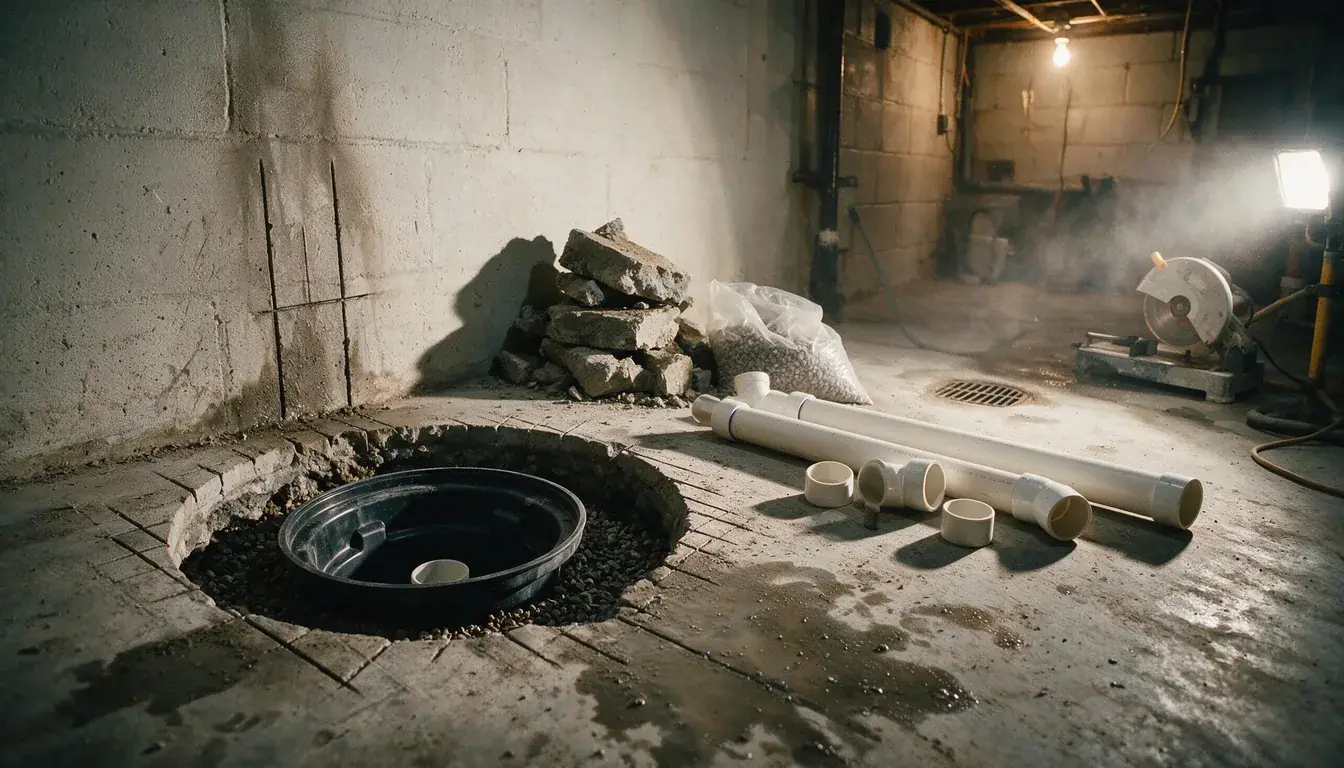
Sump Pump Installation in Phoenix, Arizona
Sump Pump Installation in Phoenix, Arizona is new sump pump installation with pit liner, check valve, discharge line routing, and optional battery backup system. Local conditions in Phoenix: water measured at 17, a 0 frost line and a median home age of 41 years.
Book it this week — ask the independent AZ plumber you reach for a quote by phone before anyone comes out.
What does the local plumbing data show for Phoenix, AZ?
Seeing these conditions at your place in Phoenix? Describe them on the call to a state-licensed local plumber — free, no obligation.
What are the pipe conditions in Phoenix, AZ?
Sump pump installation involves more than selecting a pump: discharge line routing, check valve placement, pit liner sizing, and backup power configuration all determine whether the system holds during a sustained rain event. A pump undersized for the groundwater inflow rate will run continuously and burn out; a discharge line that terminates too close to the foundation re-introduces water into the pit within minutes. AlertPlumber connects your call with an independent Arizona-licensed plumber in Phoenix; ask them to assess pit depth, pump capacity, and discharge routing — and to confirm whether a battery backup system is warranted for your basement's risk profile.
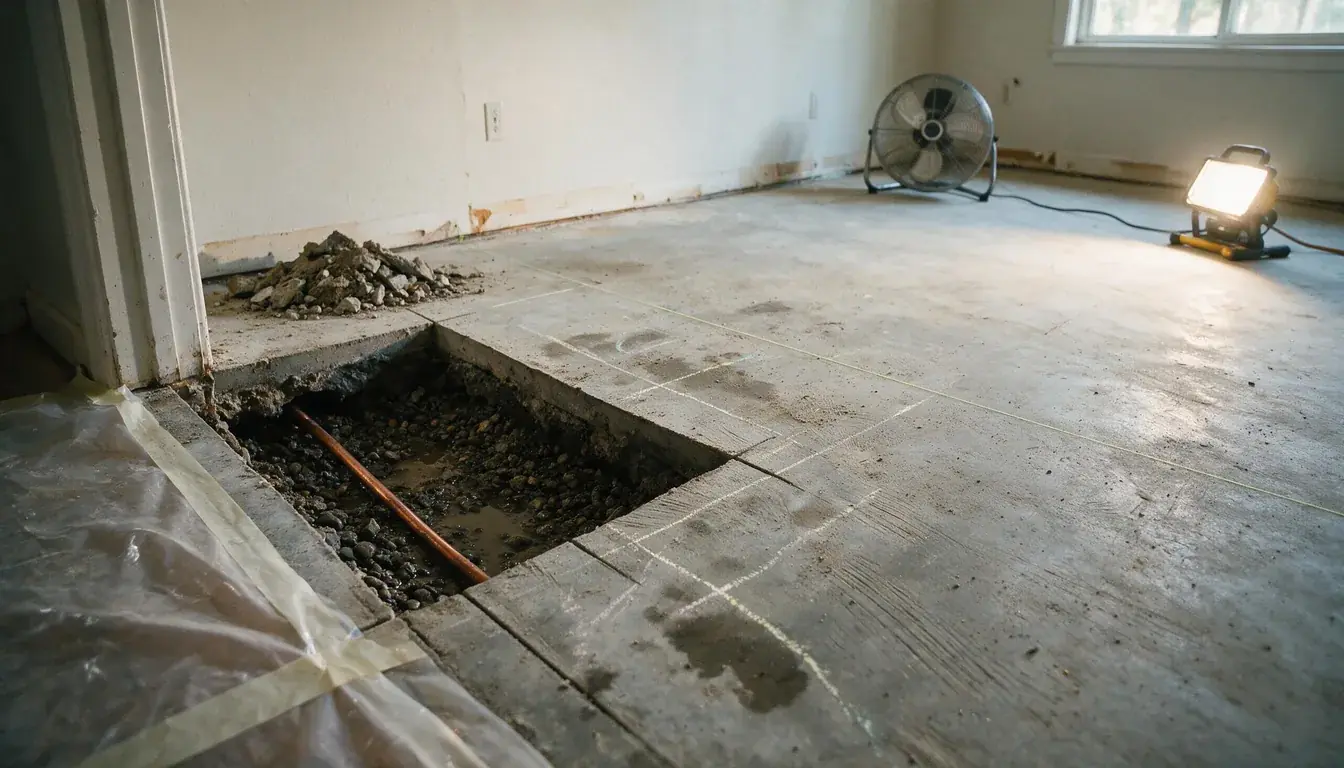
Post-war and modern-era construction in Phoenix — median home age 41 years — frequently includes copper supply lines embedded in slab foundations, common in tract construction from the 1960s through the 1980s. Hard water accelerates pinhole corrosion from the exterior of slab-embedded copper; when a leak develops, access requires either epoxy lining through existing penetrations or controlled slab opening for section replacement. Homes of other eras in Phoenix may have galvanized pipe, copper pipe or polybutylene supply lines instead; ask the plumber which your home has.
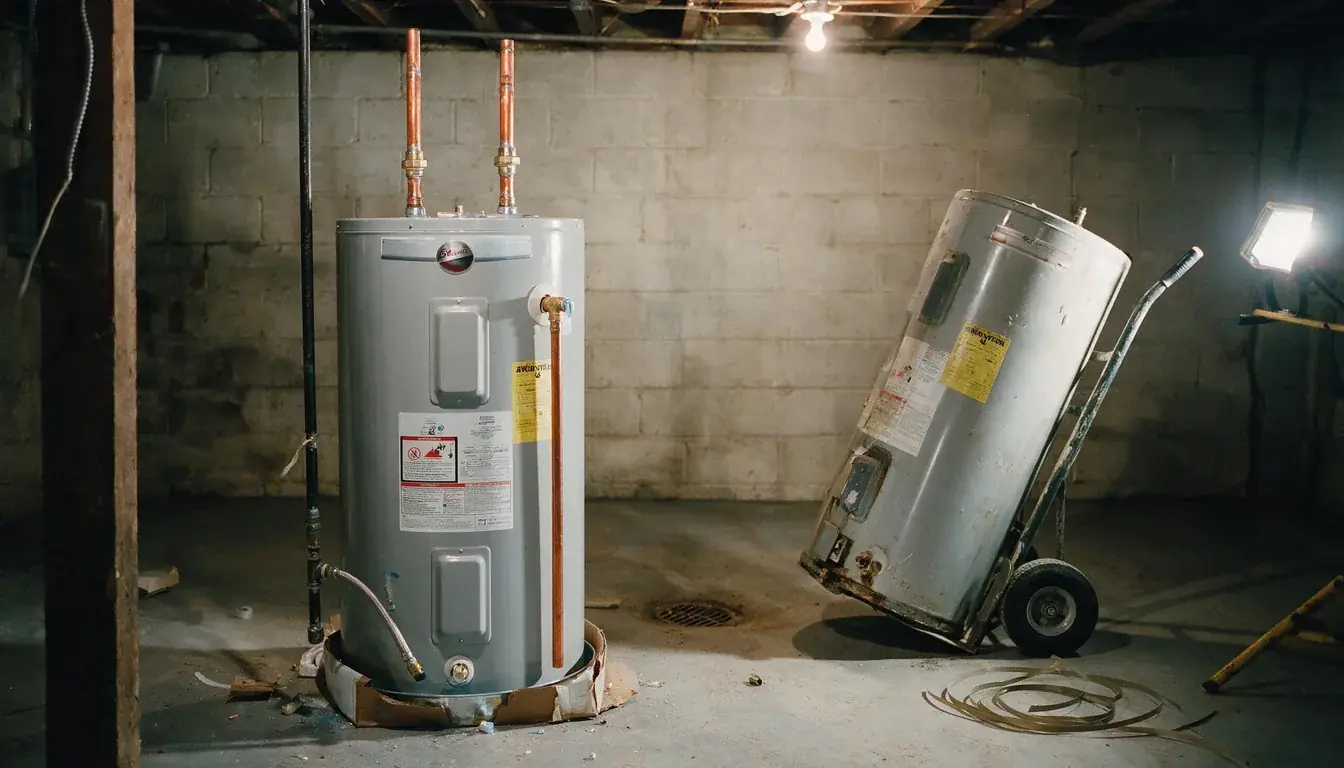
Very hard water in Phoenix is a primary driver of accelerated appliance failure: water heater anode rods exhaust in 2–3 years instead of 6–8, scale deposits at fixture connections form within months of installation, and tankless heat exchangers accumulate mineral buildup that can reduce lifespan by half without regular descaling. A softener or whole-house conditioner is strongly recommended alongside any appliance service call.
- Median home age
- 41 yrs
- Water hardness
- 17 gpg
- Frost line
- 0 in.
- Permit
- City fee schedule
Census housing age, Phoenix city, Arizona: median year built 1985; 14% of homes built before 1960, 41.6% before 1980. Source: U.S. Census Bureau, ACS 2020–2024 5-year estimates, tables B25034 and B25035, read 2026-09-30.
Mention these conditions when you describe the symptom to the AZ plumber you reach.
What local infrastructure shapes Sump Pump Installation in Phoenix?
Phoenix's North American Monsoon season, concentrated between July and September, delivers the majority of the metro's annual rainfall in intense bursts that regularly exceed 1 inch per hour. The caliche hardpan beneath most Maricopa County lots — a dense calcium carbonate-cemented layer that begins within the first few feet of grade — blocks vertical percolation almost entirely, converting brief storms into sheet-flow events that pond against foundations and infiltrate below-grade mechanical rooms. The 41-year median housing stock includes a significant share of low-lying lots and below-slab utility spaces with recurring seasonal infiltration during heavy monsoon events.
With a frost line of 0 inches, discharge lines require no buried depth protection against freeze blockage — a constraint that adds significant labor cost in northern markets. In this climate, discharge termination instead focuses on erosion control: monsoon volume through a typical residential discharge line can scour unprotected desert soil within a single wet season, making rock-lined swales or piped connections to storm drains standard practice. Phoenix's treated water supply reaches 17 grains per gallon — among the highest hardness delivered by any large US municipal system — and that mineral load accelerates scale accumulation on float switches, impellers, and check valves, compressing pump service cycles and requiring annual inspection of installed units.
What shapes plumbing demand in Phoenix, AZ?
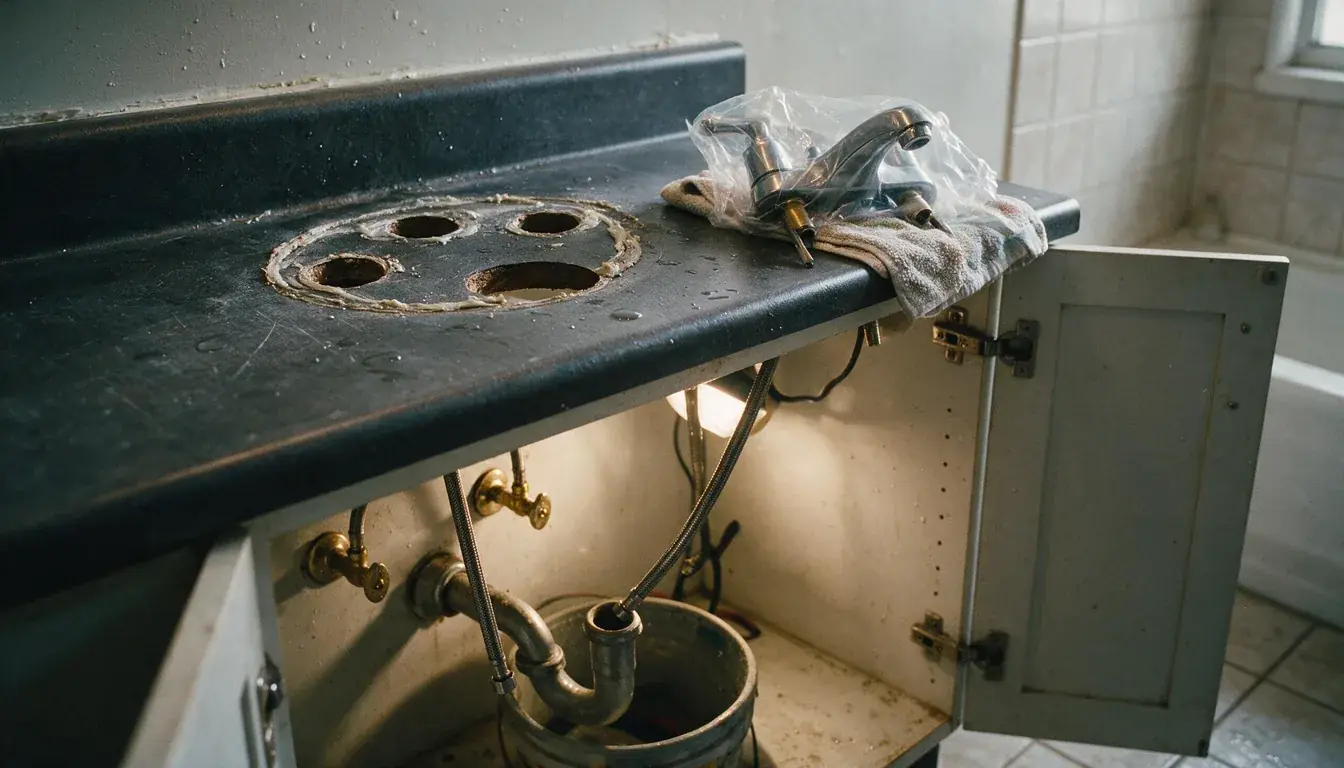
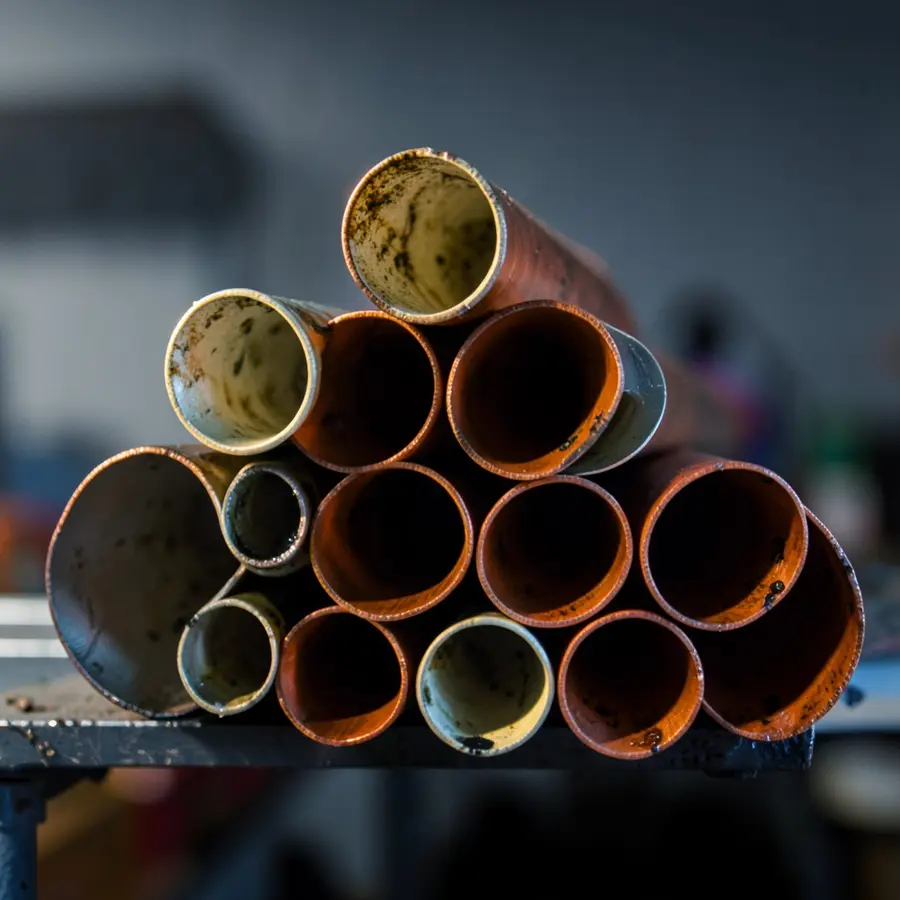
CPVC becomes brittle in the 20–35-year range and snaps under thermal stress or incompatible pipe dopes. Early PEX fittings (pre-2010) may develop chloramine compatibility issues at 15–25 years. The 1980s–1990s housing stock in Phoenix is entering its first wave of material-driven service calls — not from neglect, but from normal service-life progression.
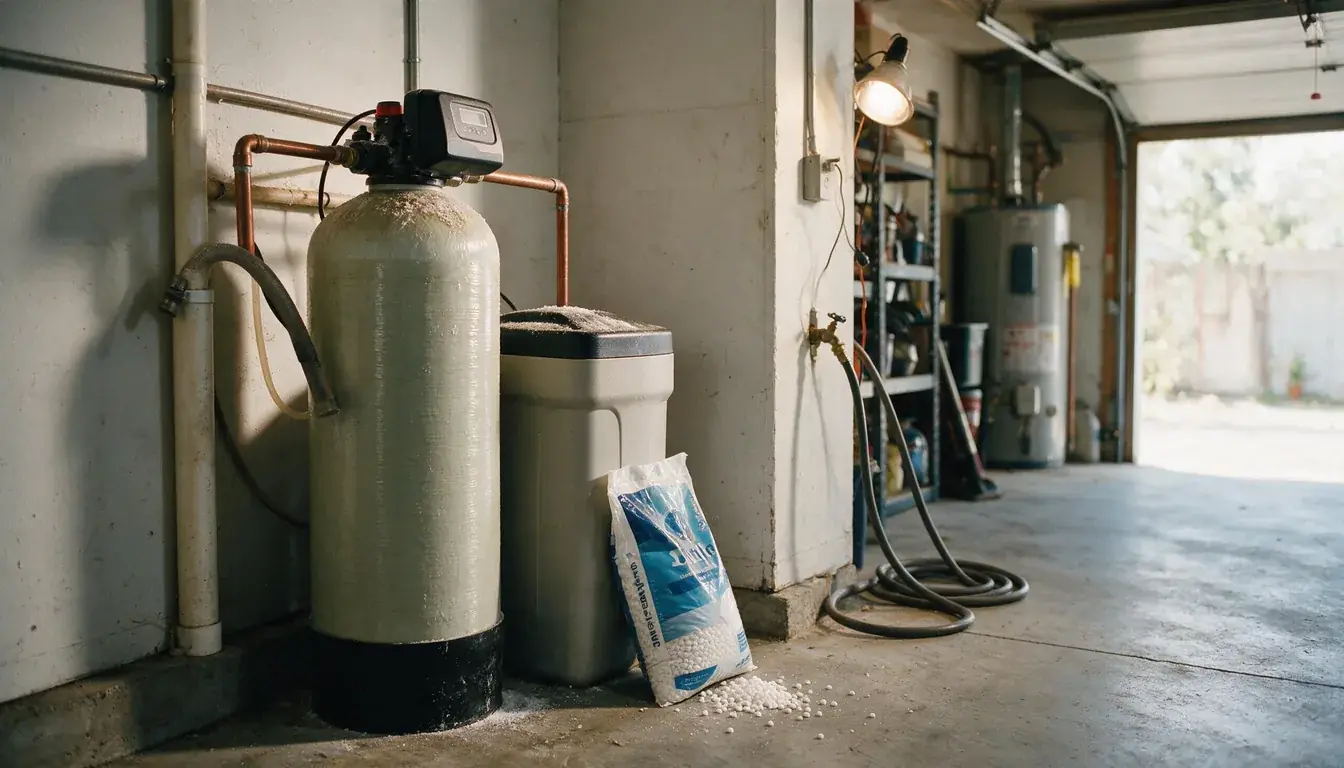
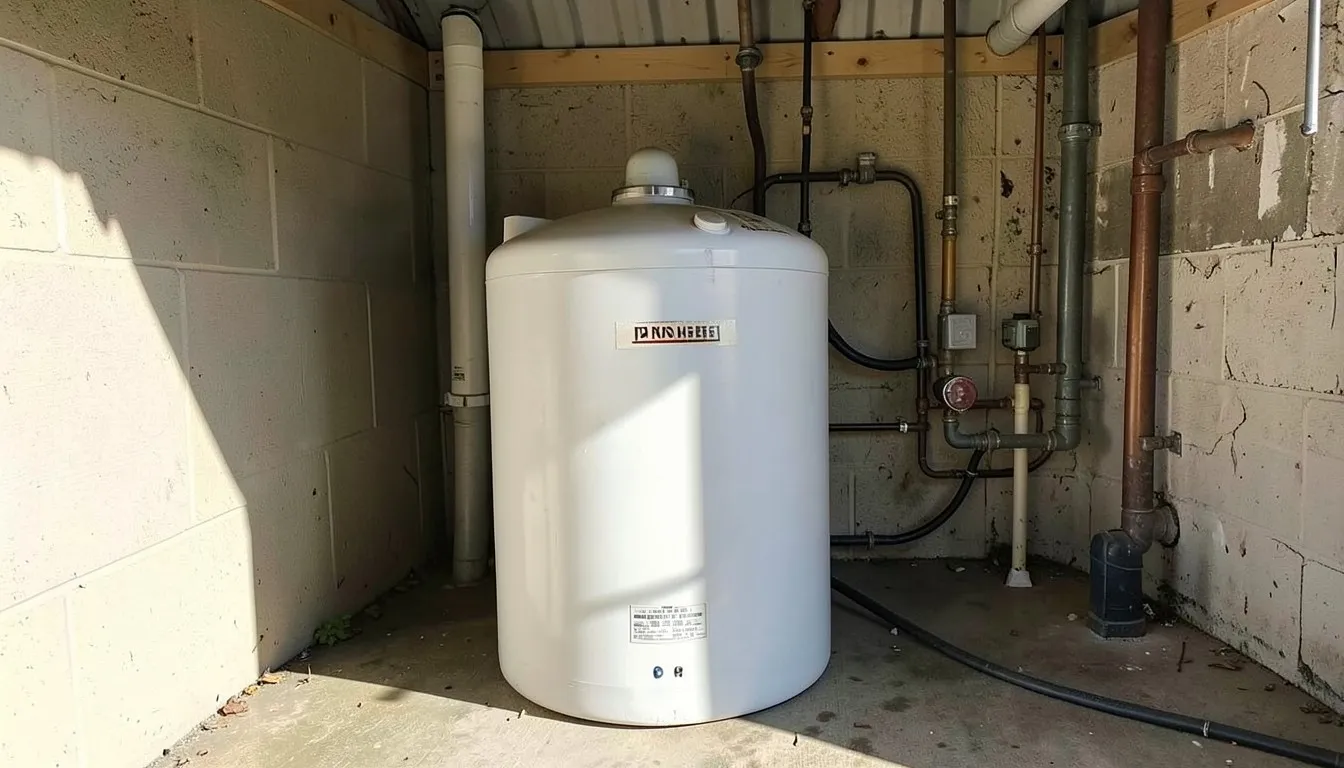
At 15–20+ GPG, calcium scale forces compressed equipment cycles in Phoenix: tank heaters average 6–9 years vs. the 10–12-year national benchmark, and tankless units require annual descaling. Anode rods calcify within 12–18 months. Most plumbers here assess heater age against the local scale timeline — not the manufacturer's service life.
Summer heat above 95–115°F in Phoenix keeps sediment in suspension inside tank water heaters — accelerating element failure instead of allowing sediment to settle and flush. Attic-mounted supply lines face diurnal thermal stress year-round. Root intrusion concentrates around irrigated landscaping rather than distributing evenly across the full sewer lateral path.
Why does a Phoenix plumber estimate first and commit second?
Submit the service type and your Phoenix address. The request goes to an independent Arizona plumber in our partner's network — ask when a site visit can be scheduled. There is no financial commitment or obligation at this stage.
At the appointment, ask the plumber to inspect the installation point, confirm the project approach, and put the estimate in writing: fixed price, material breakdown, and project timeline for Phoenix. Review it at your pace before deciding.
Once you approve the estimate, agree the start date. Ask that required permits for Phoenix are pulled before the job starts, and for a final walkthrough confirming every item in the agreed scope was delivered.
Sump Pump Installation cost calculator — Phoenix
Pre-filled for sump pump installation in Phoenix. Adjust the ZIP for a neighboring area, or change the service to compare. Calculator pulls from the city's scraped permit-fee + state plumber-density data.
Ready to move forward on sump pump installation in Phoenix?
Lead times for equipment and scheduling vary by season. Ask the plumber you reach about availability and a written estimate — and settle timing before demand peaks.
What else do people ask about sump pump installation in Phoenix?
Does my Phoenix home need a sump pump?
Signs that a sump pump is warranted: a basement or crawlspace that collects standing water after heavy rain or snowmelt; visible water staining on foundation walls at floor level; efflorescence (white mineral deposits) on the lower 12 inches of foundation block; a home in a low-lying area or near a river, creek, or retention pond. Phoenix properties in areas with clay or compacted soil have limited natural drainage, making sump pumps more common than in sandy or gravelly soils. A plumber or waterproofing contractor can assess whether the water infiltration source is hydrostatic pressure (groundwater) or surface water — the two require different solutions.
How much does sump pump installation cost in Phoenix?
New installation (with pit excavation through a concrete floor) runs a scope-based price depending on pit depth, pump type, and discharge line routing to daylight. Replacement of an existing pump in an existing pit runs a scope-based price — no excavation required, just pump swap and discharge line reconnection. A battery backup system can add a separate charge. Permit fees in Phoenix vary by municipality but typically run the scheduled fee for a mechanical permit. The plumber provides a written estimate covering excavation scope, pump spec, discharge routing, and backup system before any work begins. Price ranges: sump pump repair cost guide.
Where does the sump pump discharge water in a Phoenix home?
The discharge line routes through the foundation wall and terminates at a daylight location at least 10 feet from the foundation — or per local code, which may require a greater setback to prevent discharge water from immediately re-entering the soil near the foundation. Do not discharge into the sanitary sewer (illegal in most jurisdictions and prohibited by the sewer authority). Some homes route discharge to a drywell or to a storm drain connection at the curb — the plumber confirms which is permitted under local code. Discharge line diameter and check valve placement are specified to prevent backflow and water hammer noise.
What is the difference between a pedestal and submersible sump pump for a Phoenix home?
Submersible pumps sit inside the pit below the water line, are quieter, and handle higher water volumes — the industry standard for most residential installations. Pedestal pumps mount above the pit with only the intake at the bottom, are cheaper and easier to service but noisier and less powerful. For a typical Phoenix basement installation, a 1/2 HP submersible pump with a cast-iron base handles standard water infiltration. Homes with a high groundwater table or large drainage area may need a 3/4 HP or 1 HP unit. Battery backup systems use a separate DC pump that activates if the primary pump fails or loses power during a storm.
How long does sump pump installation take in Phoenix?
Replacement of an existing pump in an existing pit takes 1–2 hours: disconnect old pump, install new pump, reconnect discharge line, test operation. New installation with pit excavation takes 4–8 hours for a standard basement floor: jackhammer concrete, excavate pit (typically 18–24 inches deep, 18 inches wide), set sump liner, install pump, route discharge through foundation, patch concrete around the liner. Allow an additional 24–48 hours for the concrete patch to cure before heavy foot traffic. Permit inspection, if required, is scheduled separately and does not extend the installation timeline in most Phoenix jurisdictions.
Should I install a battery backup sump pump in Phoenix?
A battery backup is strongly recommended in any area where power outages coincide with heavy rain — which is the exact scenario when the primary pump is working hardest. The backup activates automatically when the primary pump fails, the float switch sticks, or the pump's circuit trips. A standard AGM-battery backup system provides 5–12 hours of pumping depending on inflow rate. Lithium battery systems run longer and handle higher cycling rates. For Phoenix homes with finished basements, the cost of a backup system is a fraction of a finished-basement flood claim. Most plumbers install the backup at the same time as the primary to avoid a second mobilization charge. Price ranges: sump pump repair cost guide.
What's the seasonal plumbing risk profile for sump pump installation in Phoenix?
Maricopa County metro center and Arizona state capital — the fifth-largest US city — served by Phoenix Water Services drawing from the Salt River Project, Agua Fria, and Central Arizona Project at 17 gpg. The city's vast housing stock spans the 1920s–1940s Willo Historic District and Country Club Park neighborhoods with original galvanized supply at or past replacement threshold, through the 1970s–1980s Sunnyslope and Laveen slab tracts with copper at the 45–55-year corrosion window, to the post-2000 master-planned communities in Deer Valley and South Mountain approaching initial slab-leak cycles. Extremely hard SRP/CAP supply — one of the hardest treated water systems in the US — drives annual scale maintenance on all water heaters, compressed replacement cycles of 4–6 years, and above-average demand for water softeners, tankless conversions, and descaling services. Phoenix's 110°F+ summer heat creates thermal expansion cracking in improperly insulated attic copper stub-outs; 5 sub-32°F nights create minimal freeze risk. The 1.6-million-person city generates the largest service call volume in Arizona. Understanding the local call pattern helps set realistic expectations for plumber availability and response time during peak periods — during high-demand weeks, advance scheduling is advisable for non-emergency work.
What affects the cost of sump pump installation in Phoenix, AZ?
Pit excavation (new install through concrete vs. existing pit replacement), pump type (submersible vs. pedestal), horsepower rating, discharge line length to daylight, and battery or water-powered backup system are the primary variables. Permit requirements vary by municipality. Pit depth and discharge routing are assessed on-site before the installation scope is priced. Ask the plumber for a written estimate covering price, scope, and permit requirements before any work begins.
How do I check a plumber's license in Arizona?
AlertPlumber does not license, vet or employ plumbers; calls are connected to independent local plumbers in our partner's network. Before work begins, ask the plumber for their Arizona license number and look it up on the Arizona licensing board's public database — it shows current standing, including any recent disciplinary actions, renewals, or lapses. Bonding, liability-coverage and continuing-education rules vary by state; ask for proof of insurance as well.
Does AlertPlumber charge a fee for connecting me with a plumber in Phoenix?
AlertPlumber does not charge homeowners. AlertPlumber is paid a referral fee by its routing partner for qualifying calls — it is not an added charge to you. Ask the plumber for a written price before any work begins; if the quote doesn't fit your situation, you can decline at any point.
Asking for a written quote costs you nothing. Guessing costs you the job.
The form below takes under a minute — it goes to an independent Arizona plumber in our partner's network; ask them to scope the sump pump installation and put the quote in writing.
Need a sump pump installation callback in Phoenix?
In a meeting, with the kids, or just prefer not to call? Drop your ZIP and number below. AlertPlumber sends your request to our routing partner — if a participating plumber serves your area, they may call you back directly. For anything urgent, call the number on this page.
- 1 Submit your info. ZIP, phone, and what kind of work you need.
- 2 AlertPlumber passes it on to our routing partner for your area.
- 3 If a participating plumber serves your area, they may call you back. Ask for a written estimate before work starts.
Sump Pump Installation in Phoenix — scope and schedule
AlertPlumber connects your call with an independent AZ plumber for sump pump installation in Phoenix. Ask for a written estimate and permit coordination; you are under no obligation until you approve a quote.