
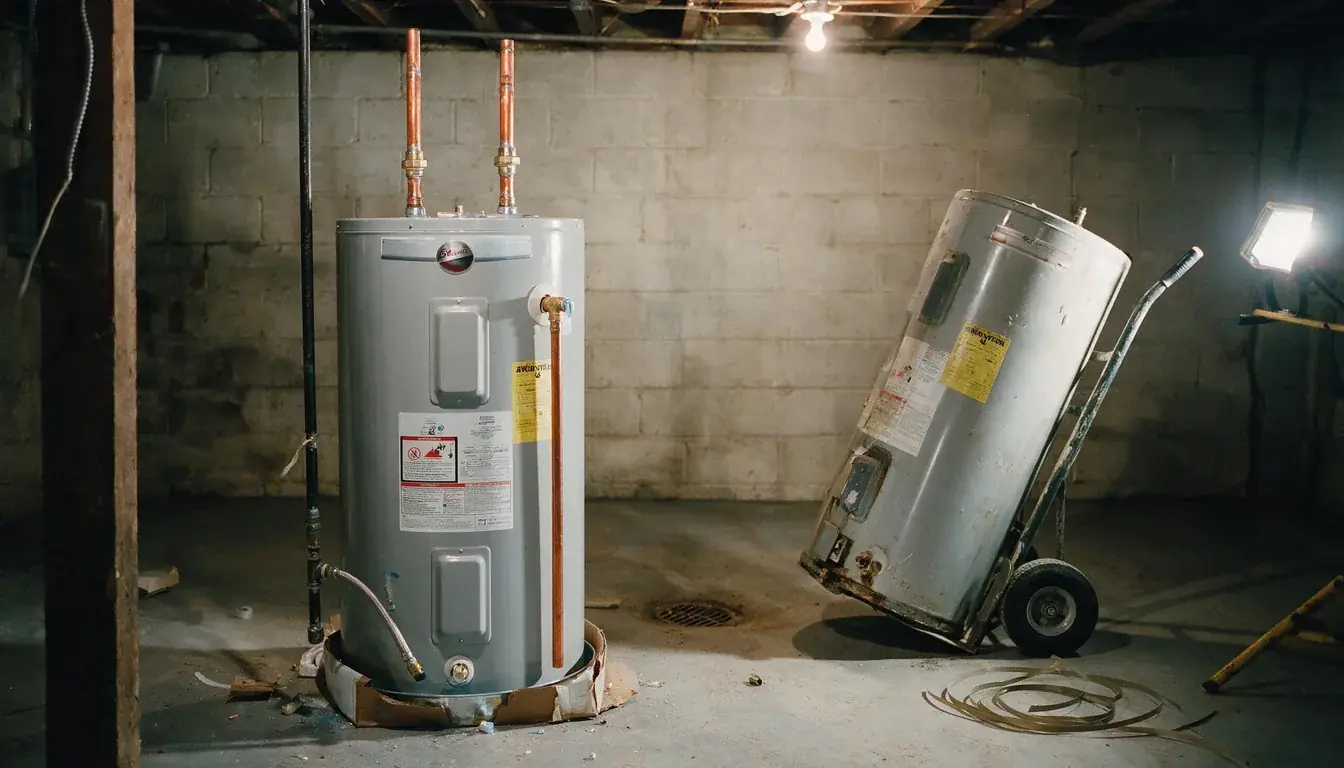
Water Heater Installation in Phoenix, Arizona
Water Heater Installation in Phoenix, Arizona installs or replaces standard tank water heaters. Local conditions in Phoenix: water measured at 17, a 0 frost line and a median home age of 41 years.
Book it this week — ask the independent AZ plumber you reach for a quote by phone before anyone comes out.
What does the local plumbing data show for Phoenix, AZ?
Seeing these conditions at your place in Phoenix? Describe them on the call to a state-licensed local plumber — free, no obligation.
What are the pipe conditions in Phoenix, AZ?
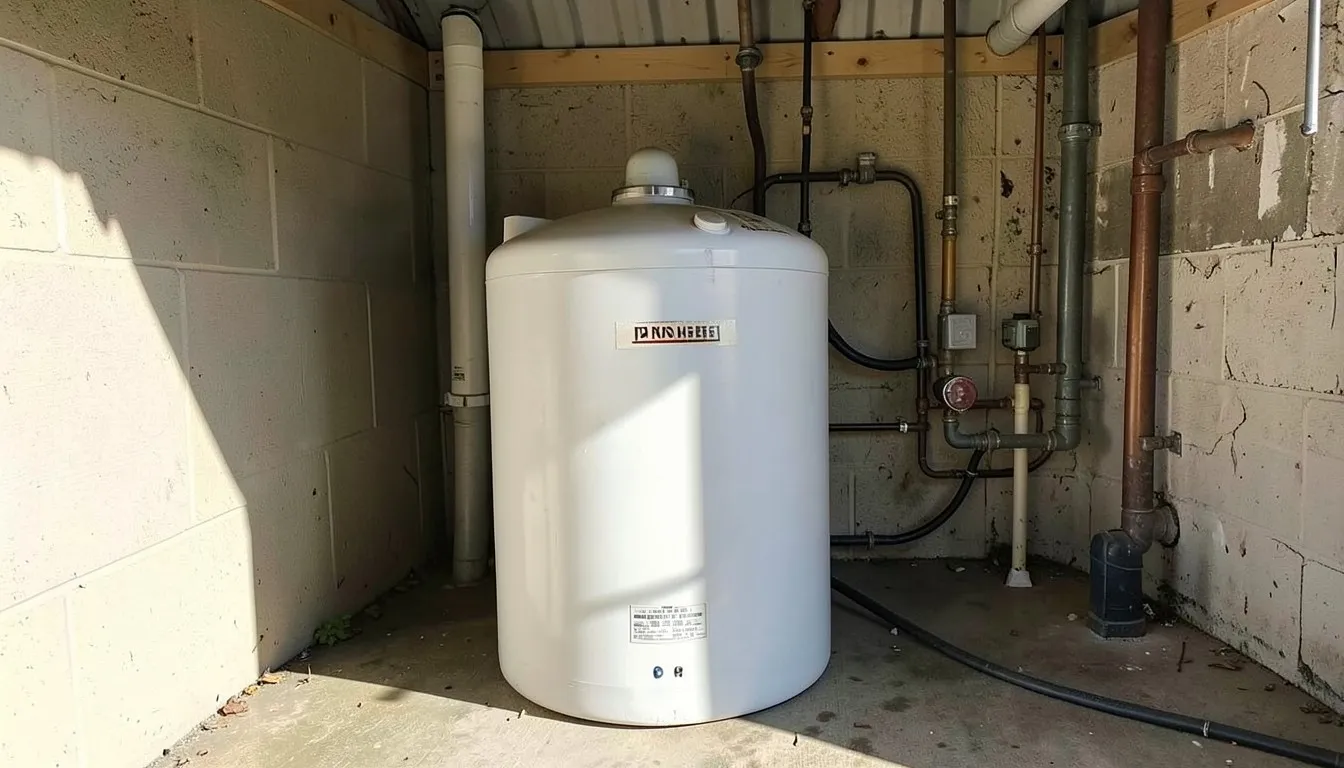
Water heater selection in Phoenix involves tank size, recovery rate, fuel type, and water chemistry — hard water shortens tank anode life and scale accumulates at heating elements regardless of brand. A correctly sized replacement unit runs more efficiently and avoids the tepid-water complaints that come from undersized first-hour recovery. AlertPlumber connects your call with an independent Arizona-licensed plumber — ask whether they pull the permit, make the gas or electric connection to code, and remove the old unit.
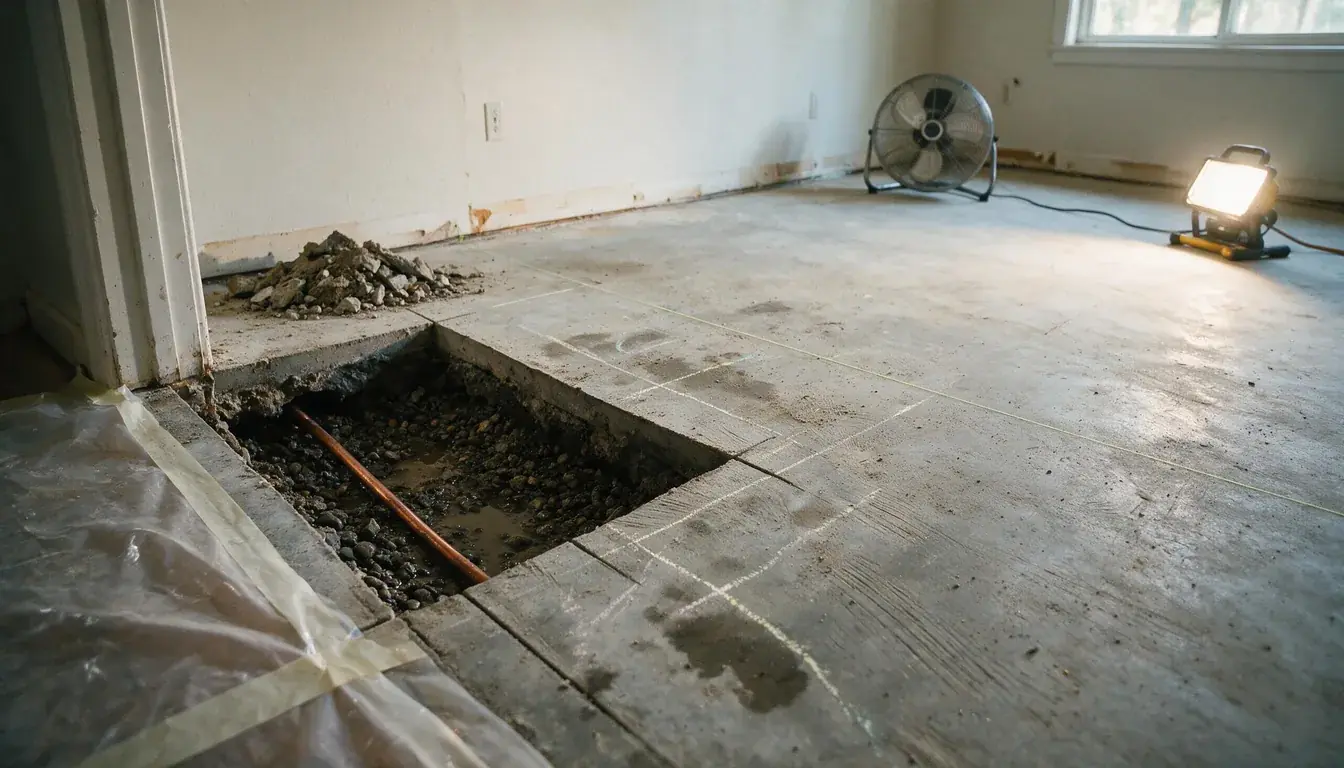
Post-war and modern-era construction in Phoenix — median home age 41 years — frequently includes copper supply lines embedded in slab foundations, common in tract construction from the 1960s through the 1980s. Hard water accelerates pinhole corrosion from the exterior of slab-embedded copper; when a leak develops, access requires either epoxy lining through existing penetrations or controlled slab opening for section replacement. Homes of other eras in Phoenix may have galvanized pipe, copper pipe or polybutylene supply lines instead; ask the plumber which your home has.
Very hard water in Phoenix is a primary driver of accelerated appliance failure: water heater anode rods exhaust in 2–3 years instead of 6–8, scale deposits at fixture connections form within months of installation, and tankless heat exchangers accumulate mineral buildup that can reduce lifespan by half without regular descaling. A softener or whole-house conditioner is strongly recommended alongside any appliance service call.
- Median home age
- 41 yrs
- Water hardness
- 17 gpg
- Frost line
- 0 in.
- Permit
- City fee schedule
Census housing age, Phoenix city, Arizona: median year built 1985; 14% of homes built before 1960, 41.6% before 1980. Source: U.S. Census Bureau, ACS 2020–2024 5-year estimates, tables B25034 and B25035, read 2026-09-30.
Mention these conditions when you describe the symptom to the AZ plumber you reach.
What local infrastructure shapes Water Heater Installation in Phoenix?
At 17 grains per gallon, Phoenix's water supply is at the upper end of the very-hard classification — the highest hardness value in this service area dataset. For storage tank water heaters, this concentration drives sediment accumulation at the tank base and progressive scale buildup on heating elements, both of which shorten service life relative to moderate-hardness markets. The documented pattern in this market is element failure and efficiency loss well before the structural failure of the tank itself.
Tankless on-demand systems remove the standing tank from the equation, but they introduce a different hardness constraint: at 17 GPG, scale accumulates on the heat exchanger surface at a rate that requires active management — either a whole-house or point-of-use softener upstream of the unit, or a scheduled descaling protocol. An unmanaged tankless unit in very-hard water can fail prematurely through heat exchanger fouling. The replacement scope decision — tank versus tankless — depends on whether the household is willing to maintain a water treatment system alongside the heater.
The permit covers the installation and the gas or electrical connection inspection before the scope is closed. At approximately 3,247 licensed plumbing contractors in the Phoenix metro — the lowest density in this service area dataset — replacement appointments during peak summer demand can run several days ahead of availability in higher-density markets, and the hardness management assessment adds a pre-installation scoping step specific to very-hard water environments. Permit fee ranges: permit fee estimator.
What shapes plumbing demand in Phoenix, AZ?
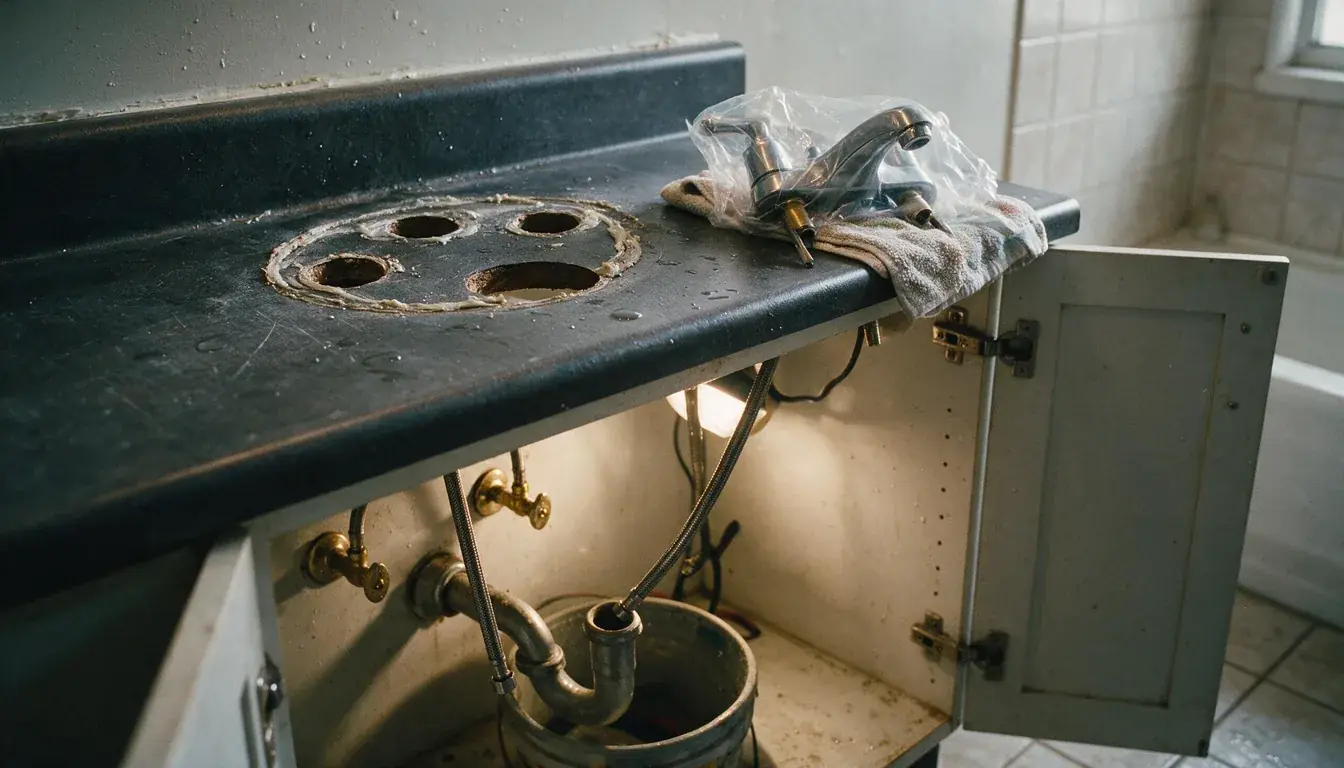
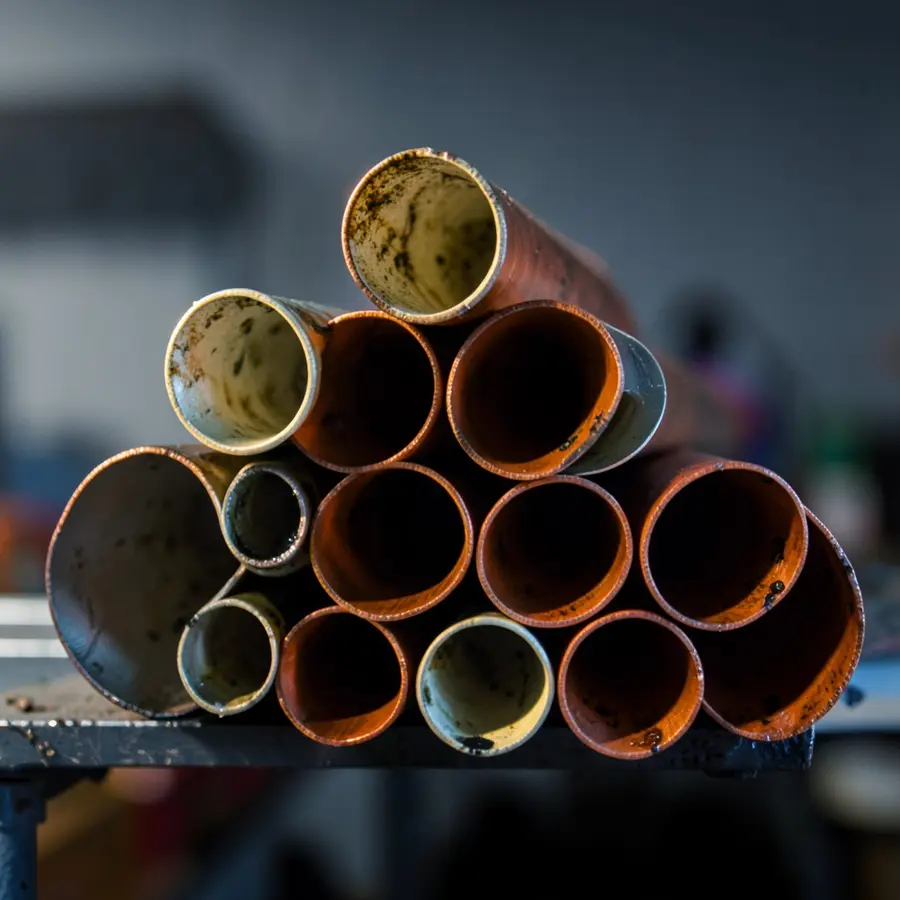
CPVC becomes brittle in the 20–35-year range and snaps under thermal stress or incompatible pipe dopes. Early PEX fittings (pre-2010) may develop chloramine compatibility issues at 15–25 years. The 1980s–1990s housing stock in Phoenix is entering its first wave of material-driven service calls — not from neglect, but from normal service-life progression.
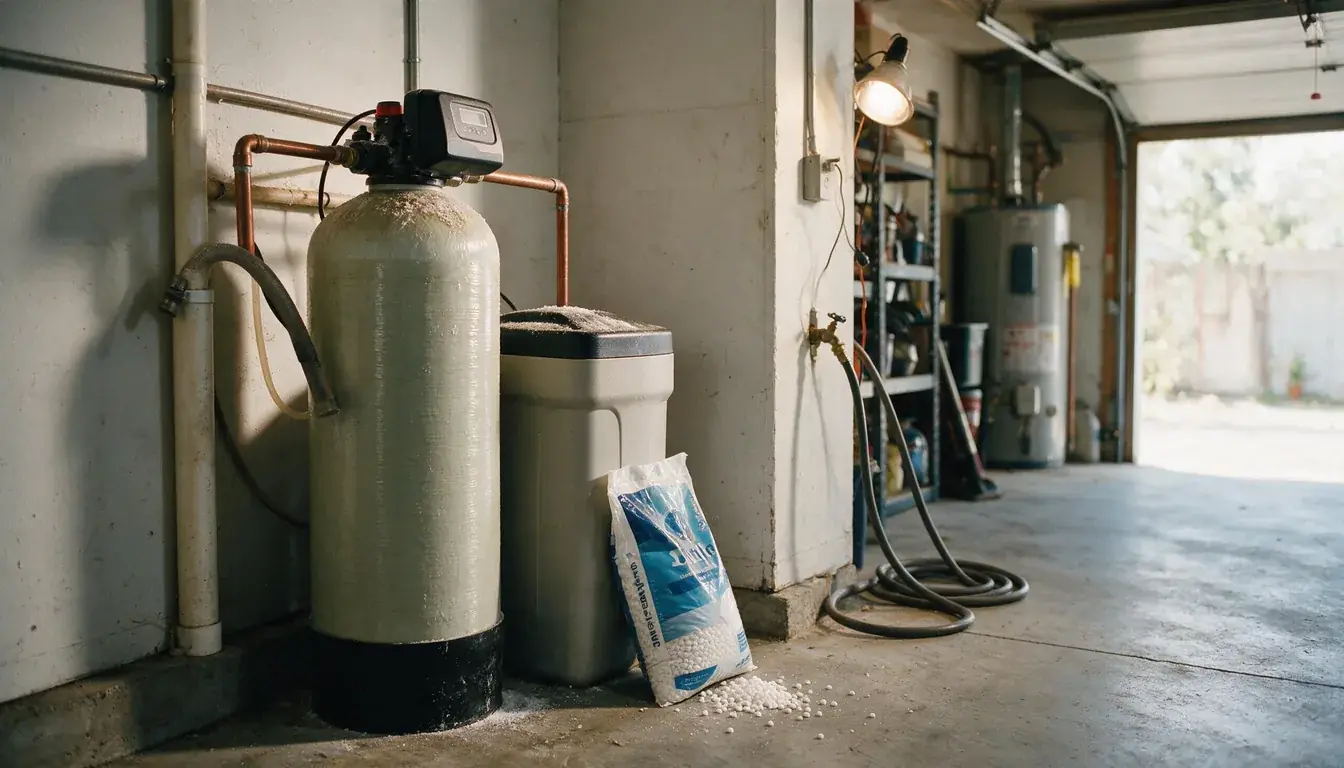
At 15–20+ GPG, calcium scale forces compressed equipment cycles in Phoenix: tank heaters average 6–9 years vs. the 10–12-year national benchmark, and tankless units require annual descaling. Anode rods calcify within 12–18 months. Most plumbers here assess heater age against the local scale timeline — not the manufacturer's service life.
Summer heat above 95–115°F in Phoenix keeps sediment in suspension inside tank water heaters — accelerating element failure instead of allowing sediment to settle and flush. Attic-mounted supply lines face diurnal thermal stress year-round. Root intrusion concentrates around irrigated landscaping rather than distributing evenly across the full sewer lateral path.
Should you repair or replace a water heater in Phoenix?
- Where the water is coming from: ask whether a leak is at a replaceable part (a valve, fitting or drain valve) or the tank itself — the answer usually decides repair versus replacement.
- Age: the rating plate or serial number shows when the unit was made. Ask the plumber how old yours is and how that changes the advice.
- Symptom: no hot water, not enough hot water, rusty water or rumbling each point to different parts. Ask which part has failed and whether the rest of the unit is sound.
- Fit: if the size and fuel type have suited your household, a like-for-like replacement keeps the job simple.
41.6% of Phoenix homes were built before 1980 and the median home was built in 1985 (U.S. Census Bureau, ACS 2020–2024). In an older home, ask the plumber to look at the shutoff valve and supply connections at the same visit.
“If your current water heater meets your needs most of the time, you can probably replace it with one the same size.”
— ENERGY STAR (U.S. EPA), read 2026-10-01
“To make your life easier, plan ahead for your next water heater replacement and you will have time to research and select the best technology for your situation before it's an emergency.”
— ENERGY STAR (U.S. EPA), read 2026-10-01
Price ranges live on the cost guides: water heater repair cost → · water heater replacement cost → · signs a water heater needs replacing →
Tank or tankless: which water heater fits a Phoenix home?
- Sizing works differently: ask the plumber to size a tankless unit from the fixtures you run at the same time, not from the old tank’s gallons.
- For a gas tankless unit, ask whether the gas line and venting need changes; for an electric one, whether the electrical panel can carry it.
- Replacing like for like is usually the simpler job; switching type changes the installation, so ask for both options in writing.
“While the capacity of gas storage water heaters is based on the number of gallons that will fit in the tank, tankless models are rated by how many gallons of hot water they produce per minute (GPM).”
— ENERGY STAR (U.S. EPA), read 2026-10-01
“By heating water only when it's needed, ENERGY STAR certified gas tankless water heaters cut water heating expenses, while also providing continuous hot water delivery.”
— ENERGY STAR (U.S. EPA), read 2026-10-01
Gas water heaters: if you smell gas, the Public Service Commission of Wisconsin says:
“If you smell natural gas leave the area immediately and, from a safe distance outdoors, call the local gas utility's emergency number or 911.”
— Public Service Commission of Wisconsin, read 2026-09-29
Tankless vs tank water heater compared → · tankless installation cost → · tankless sizing guide → · Water Heater Repair in Phoenix → · Tankless Water Heater Installation in Phoenix →
Why does a Phoenix plumber estimate first and commit second?
Submit the service type and your Phoenix address. The request goes to an independent Arizona plumber in our partner's network — ask when a site visit can be scheduled. There is no financial commitment or obligation at this stage.
At the appointment, ask the plumber to inspect the installation point, confirm the project approach, and put the estimate in writing: fixed price, material breakdown, and project timeline for Phoenix. Review it at your pace before deciding.
Once you approve the estimate, agree the start date. Ask that required permits for Phoenix are pulled before the job starts, and for a final walkthrough confirming every item in the agreed scope was delivered.
Water Heater Installation cost calculator — Phoenix
Pre-filled for water heater installation in Phoenix. Adjust the ZIP for a neighboring area, or change the service to compare. Calculator pulls from the city's scraped permit-fee + state plumber-density data.
Ready to move forward on water heater installation in Phoenix?
Lead times for equipment and scheduling vary by season. Ask the plumber you reach about availability and a written estimate — and settle timing before demand peaks.
What else do people ask about water heater installation in Phoenix?
How much does water heater installation cost in Phoenix, AZ?
Tank water heater installation in Phoenix runs roughly 5% below the national average. A 50-gallon standard-efficiency gas unit on an existing gas line is at the low end; a high-efficiency 80-gallon electric with a new 240V circuit is at the high end. The AZ ROC permit floor is set by the local fee schedule. The matched plumber provides a line-item quote after the on-site assessment. Price ranges: water heater replacement cost guide.
What size water heater do I need for my Phoenix home?
Size by first-hour rating (FHR): a 40-gallon gas unit (FHR ~70 gal) handles 2–3 people; 50-gallon gas (FHR ~90 gal) handles 3–4; 75–80 gallon handles 5+. Electric units have lower FHR for the same gallon count — size up by one tier. In Phoenix's 17 gpg water, scale cuts effective tank capacity over time — go up a size if you're on the fence, or add a water softener upstream. The plumber calculates your household's peak-hour demand during the quote visit.
Should I install a tank or tankless water heater in Phoenix?
Tank units have lower upfront cost and simpler replacement — no gas-line upsize, no new venting. Tankless runs 22–34% more efficiently and lasts 20 years vs 10–13 for a tank. Phoenix's 17 gpg water shortens tank life — scale buildup on the heating element is the #1 tank killer in hard-water markets. If you're not adding a softener, tankless with a descaling filter is often the better long-term call here. The matched plumber walks you through both options with site-specific pricing. Price ranges: water heater replacement cost guide.
Do I need a permit for water heater installation in Phoenix?
Yes. Phoenix requires a plumbing permit (AZ ROC) for any water heater replacement, with a permit floor of the scheduled fee plus inspection. Gas units also require a gas-line inspection; new electrical circuits need an electrical permit. The matched plumber pulls all required permits on your behalf and coordinates inspections — you don't need to interface with the permit office. Permit fee ranges: permit fee estimator.
How does Phoenix water hardness affect my water heater?
Phoenix's 17 gpg water is very hard — scale deposits on the heating element (electric) or the tank floor (gas) are the dominant cause of premature heater failure here. Annual anode rod inspection, periodic flushing, and ideally a whole-home softener upstream extend tank life from 8 to 12+ years.
What installation code requirements apply to water heaters in Phoenix?
Phoenix code (AZ ROC) requires a compliant expansion tank when the supply has a backflow preventer, a properly rated T&P relief valve with a full-length discharge tube to within 6" of the floor, and a drip pan under electric units. The plumber verifies all code requirements during installation.
How long will a new water heater last in Phoenix?
A quality 50-gallon gas tank water heater (Bradford White, Rheem, A.O. Smith) lasts 10–13 years in Phoenix. Electric tanks last 10–15 years. Phoenix's 17 gpg water pushes toward the low end — scale accumulation accelerates element and anode rod degradation. Annual maintenance can recover 2–3 years of life.
How do I know when to replace (not repair) my Phoenix water heater?
Replace if: the unit is 10+ years old and the repair exceeds a large share of the replacement cost, the tank is rusting (brown water at hot taps, rust on exterior seams), or the base is wet indicating inner-tank failure. Repair makes sense for: failed heating elements (electric), faulty thermostats, or bad T&P valves on units under 8 years old. The matched plumber runs a diagnostic before recommending either path. Price ranges: water heater replacement cost guide.
What happens to my old water heater — does the plumber haul it away in Phoenix?
Most AlertPlumber-matched plumbers in Phoenix include old-unit haul-away in the installation quote — ask to confirm this during scheduling. Water heaters are 95% steel and recyclable; the plumber takes the unit to a scrap metal yard or appliance recycler. Some Arizona utility rebate programs require the old unit's serial number for the rebate claim, so the plumber should photograph it before removal.
How do I check the license of water heater installers in AZ?
AlertPlumber does not vet plumbers: for water heater installation in Phoenix, ask for the AZ ROC license number and check it with the state board. Installers in the network are familiar with local permit requirements, Phoenix utility rebate programs, and Arizona code specifics — so the installation passes inspection the first time.
Asking for a written quote costs you nothing. Guessing costs you the job.
The form below takes under a minute — it goes to an independent Arizona plumber in our partner's network; ask them to scope the water heater installation and put the quote in writing.
Need a water heater installation callback in Phoenix?
In a meeting, with the kids, or just prefer not to call? Drop your ZIP and number below. AlertPlumber sends your request to our routing partner — if a participating plumber serves your area, they may call you back directly. For anything urgent, call the number on this page.
- 1 Submit your info. ZIP, phone, and what kind of work you need.
- 2 AlertPlumber passes it on to our routing partner for your area.
- 3 If a participating plumber serves your area, they may call you back. Ask for a written estimate before work starts.
Water Heater Installation in Phoenix — scope and schedule
AlertPlumber connects your call with an independent AZ plumber for water heater installation in Phoenix. Ask for a written estimate and permit coordination; you are under no obligation until you approve a quote.