
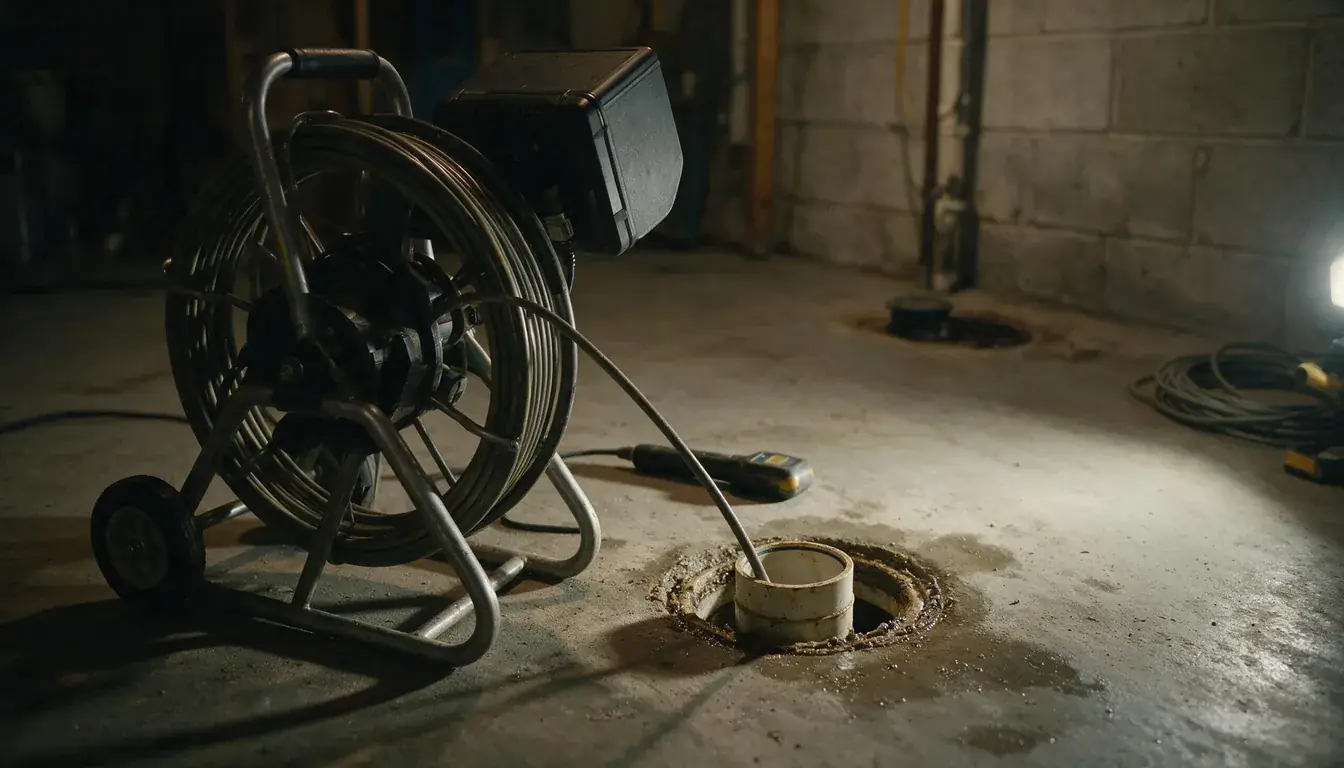
Pipe Camera Inspection in San Francisco, California
Pipe Camera Inspection in San Francisco, California is real-time video inspection of drain, sewer, and supply lines to diagnose clogs, cracks, root intrusion, and pipe condition before committing to a repair. Local conditions in San Francisco: water measured at 1.0, a 0 frost line and a median home age of 86 years.
Camera first, quote second — know exactly what's wrong in your San Francisco home before you approve a dollar.
What does the local plumbing data show for San Francisco, CA?
Seeing these conditions at your place in San Francisco? Describe them on the call to a state-licensed local plumber — free, no obligation.
What are the pipe conditions in San Francisco, CA?
A sewer camera scope in San Francisco reveals what symptoms alone cannot confirm: root intrusion at clay-tile joints, offset sections from ground settlement, scale accumulation narrowing the drain bore, and collapsed or bellied runs holding standing water. Knowing the pipe material — clay, cast iron, ABS, or Orangeburg — determines whether a spot repair, CIPP lining, or full replacement is the right investment. AlertPlumber connects your call with an independent California-licensed plumber — ask for the scope footage and a written defect report before any repair commitment.
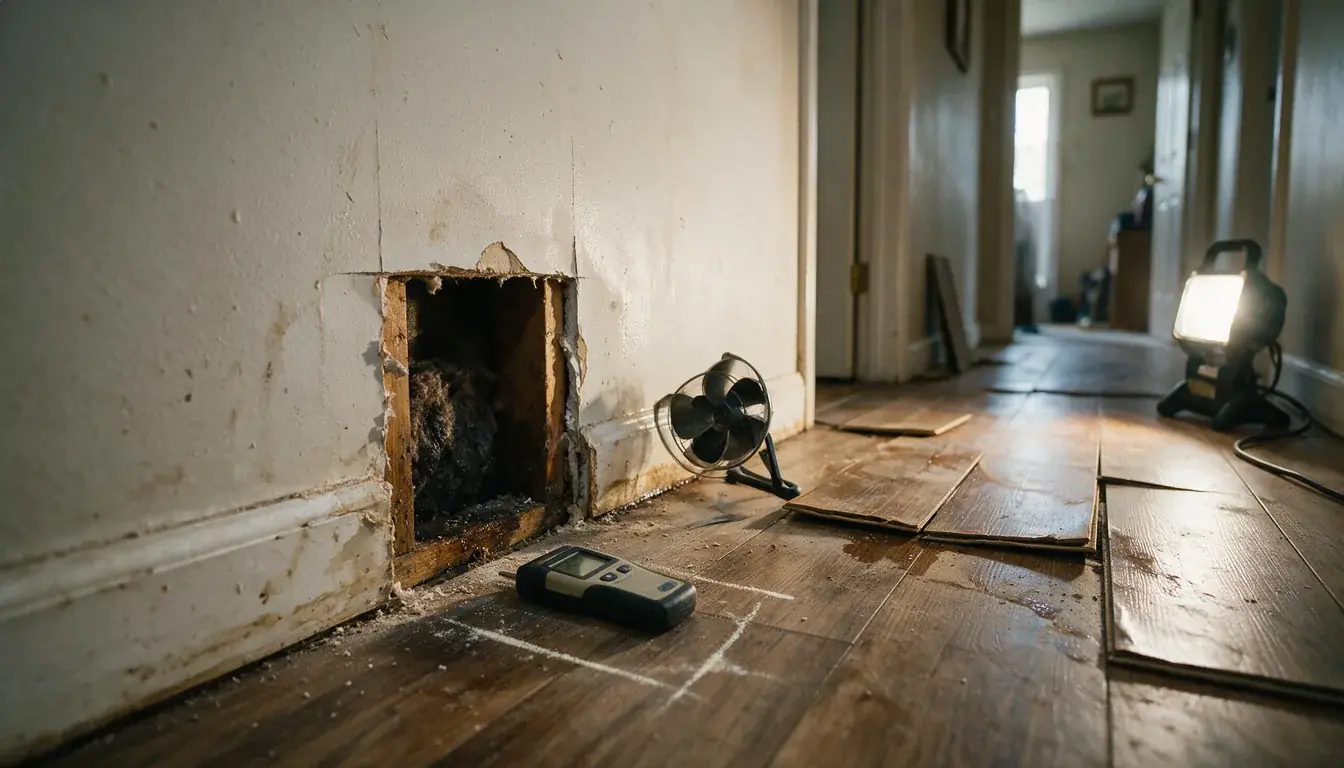
Pre-war housing in San Francisco — median home age 86 years — may still carry galvanized steel supply lines installed before the copper era. Galvanized pipe corrodes from the inside out: internal oxidation gradually narrows bore diameter, reduces water pressure, and eventually results in pinhole failure at corroded sections. Inspection confirms whether scale and corrosion warrant section replacement or full repipe. Homes of other eras in San Francisco may have copper pipe or polybutylene supply lines instead; ask the plumber which your home has.
- Median home age
- 86 yrs
- Water hardness
- 1.0 gpg
- Frost line
- 0 in.
- Permit
- City fee schedule
Census housing age, San Francisco city, California: median year built 1946; 61.3% of homes built before 1960, 76.5% before 1980. Source: U.S. Census Bureau, ACS 2020–2024 5-year estimates, tables B25034 and B25035, read 2026-09-30.
Mention these conditions when you describe the symptom to the CA plumber you reach.
What local infrastructure shapes Pipe Camera Inspection in San Francisco?
At 86 years median age, most residential sewer laterals in this city are original clay or cast-iron — materials that fracture along horizontal joints as bay-floor soils shift incrementally over decades. Camera inspection routinely confirms root intrusion 6 to 18 inches beyond the foundation cleanout, where clay bell-and-spigot joints have separated enough to admit lateral root growth without producing a full blockage. Galvanized supply branches, still present in pre-1940 structures, develop interior tuberculation that reduces pipe bore by 40 to 60 percent before the exterior shows any visible corrosion — a condition that camera assessment at an exposed cleanout access point can confirm without opening walls.
Hetch Hetchy water at 1 grain per gallon carries almost no dissolved calcium, which eliminates the scale accumulation that typically accelerates joint failure in hard-water systems. The failure mechanism here is electrochemical, not mineral — salt-laden coastal air corrodes galvanized fittings at exposed exterior penetrations faster than interior runs, and cast-iron drain stacks develop oxidation pitting at horizontal turns where standing water accumulates. A camera run from the street cleanout to the building trap surfaces offset joints, root matting, and collapsed sections that manual snaking cannot diagnose. Pre-purchase inspections on pre-war properties should confirm lateral condition before any renovation permit — at the scheduled fee per permit, unanticipated sewer lateral excavation mid-project compounds cost substantially. Permit fee ranges: permit fee estimator.
What shapes plumbing demand in San Francisco, CA?
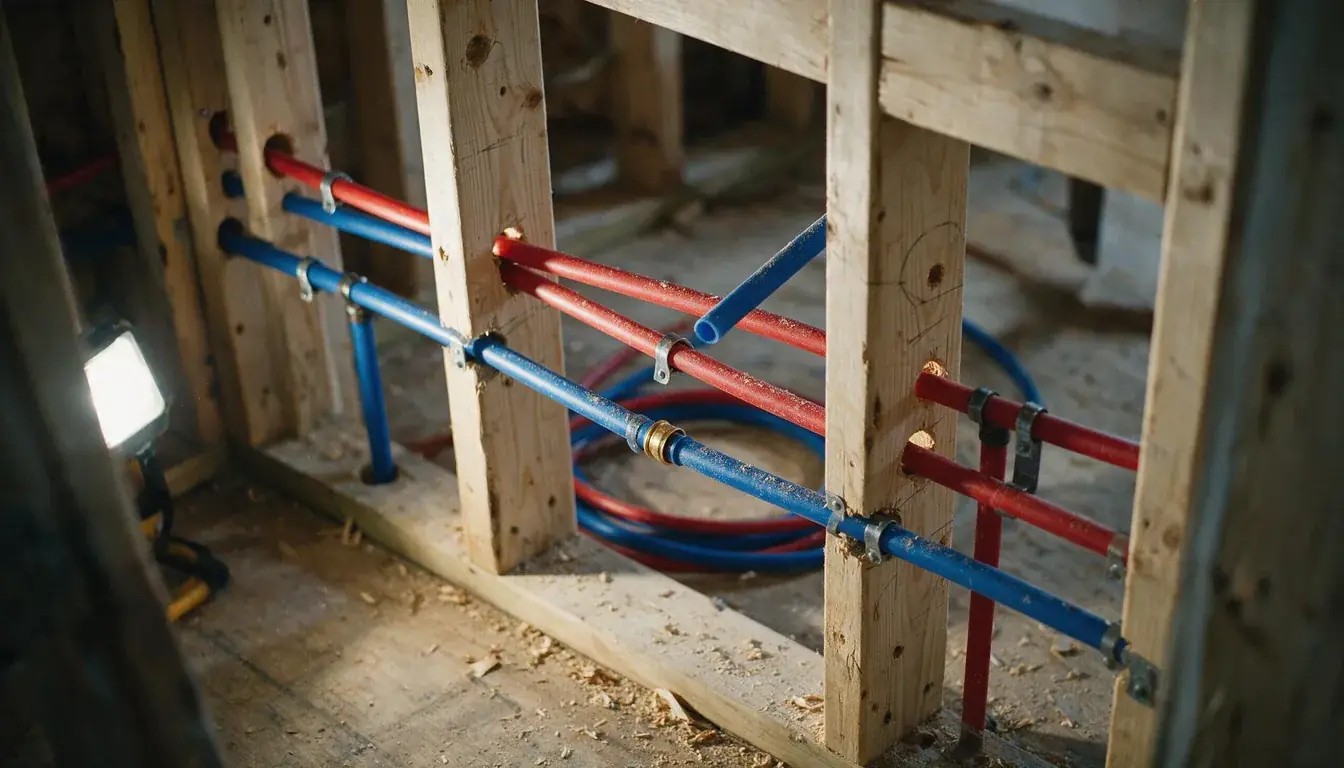
Galvanized supply lines and cast iron drain systems from the 1880s–1940s are past their 40–70-year design life across much of San Francisco. Interior rust scale progressively narrows pipe bore. Plumbers here routinely scope supply lines before quoting any repair — the underlying pipe condition often makes full replacement more cost-effective than patching.
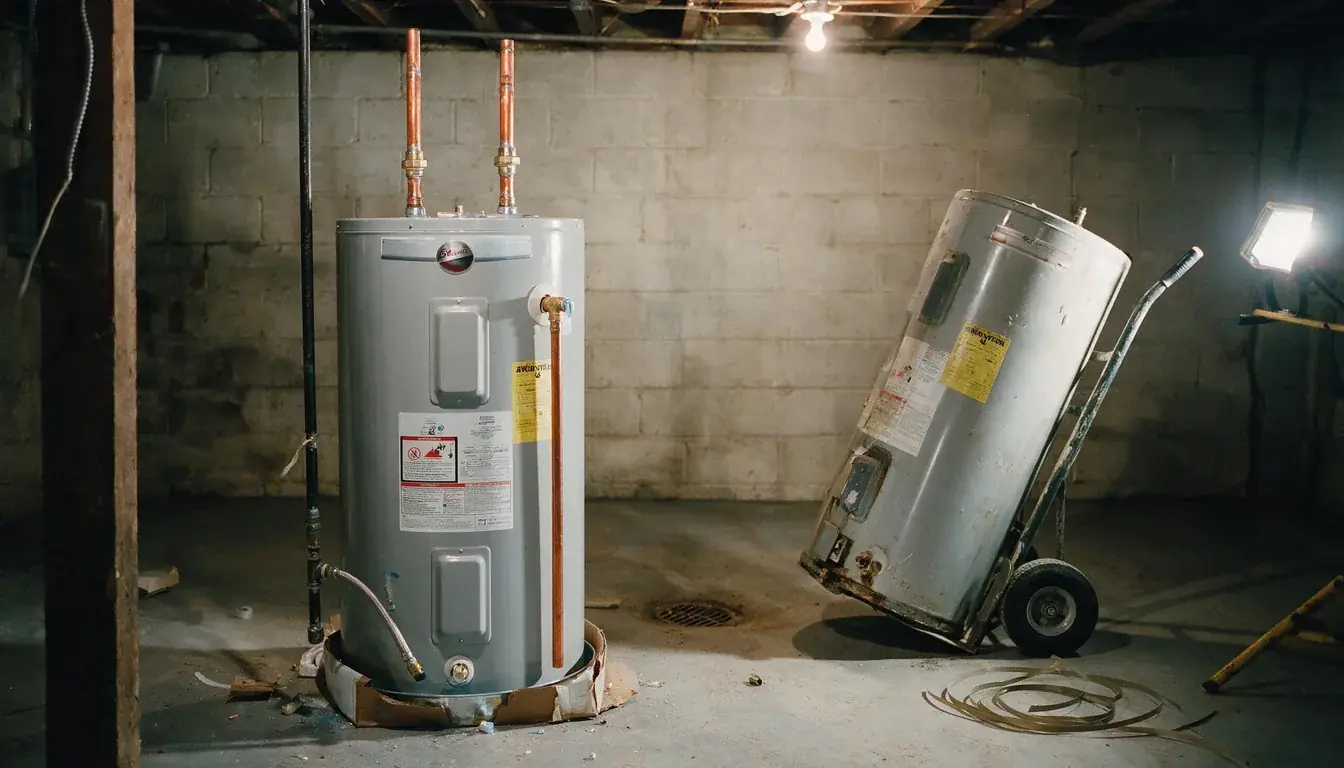
Soft, slightly acidic water in San Francisco is corrosive to copper pipe and solder joints — the opposite failure pattern from hard-water markets. Pinhole failure at fittings and elbows is the dominant non-emergency repair category. Anode rods also deplete faster in soft water, shortening effective tank life without timely replacement.
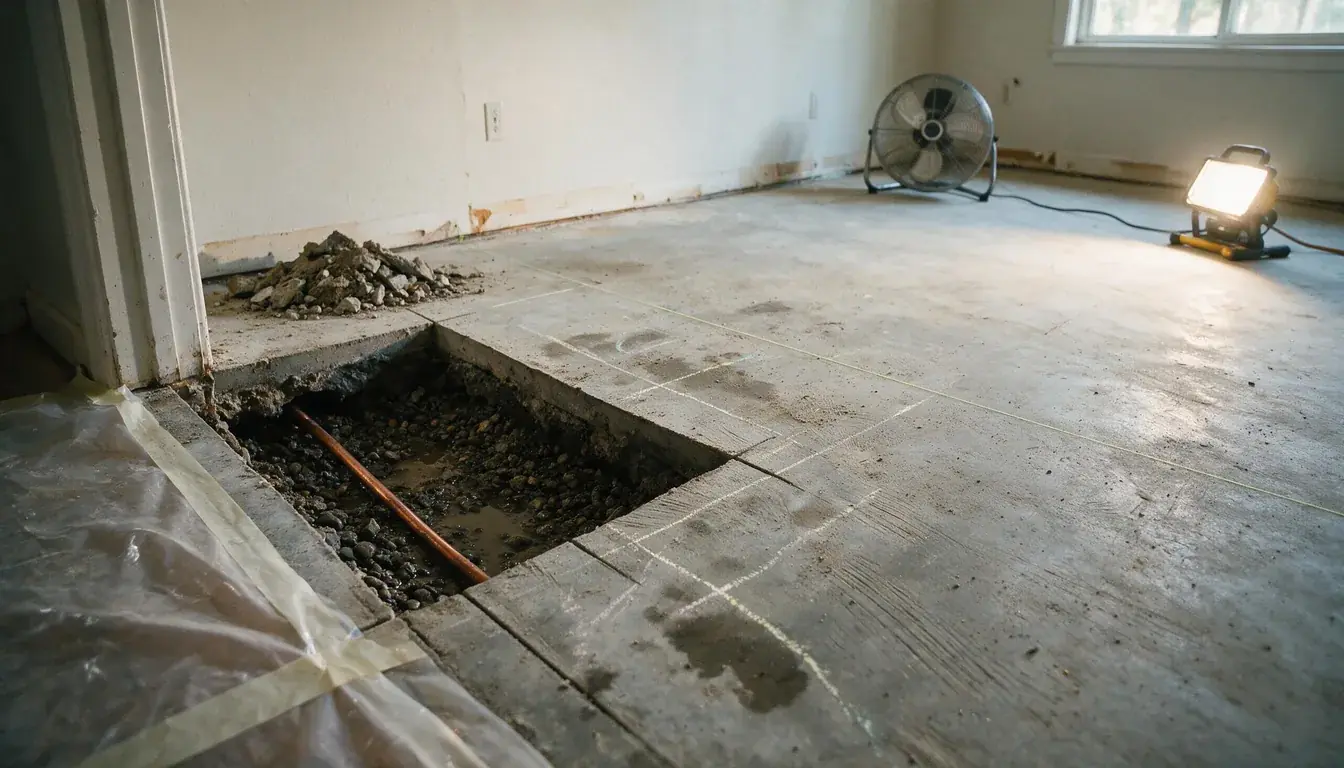
Summer heat above 95–115°F in San Francisco keeps sediment in suspension inside tank water heaters — accelerating element failure instead of allowing sediment to settle and flush. Attic-mounted supply lines face diurnal thermal stress year-round. Root intrusion concentrates around irrigated landscaping rather than distributing evenly across the full sewer lateral path.
Why diagnose before repairing in San Francisco?
Describe the symptom — not the repair. AlertPlumber routes the call to an independent CA-licensed plumber in its partner's network — ask whether the site visit will use camera tracing, acoustic detection, or hydrostatic pressure testing matched to the reported failure type.
Ask the plumber for a written diagnostic report: confirmed failure location, available repair methods, and tradeoffs — disruption level, material durability, long-term cost, and whether a San Francisco building permit applies to the selected method.
You select the repair path. Ask for a fixed scope and price on the authorized method before the California-licensed plumber proceeds and, where required, who files the permit application to San Francisco.
Pipe Camera Inspection cost calculator — San Francisco
Pre-filled for pipe camera inspection in San Francisco. Adjust the ZIP for a neighboring area, or change the service to compare. Calculator pulls from the city's scraped permit-fee + state plumber-density data.
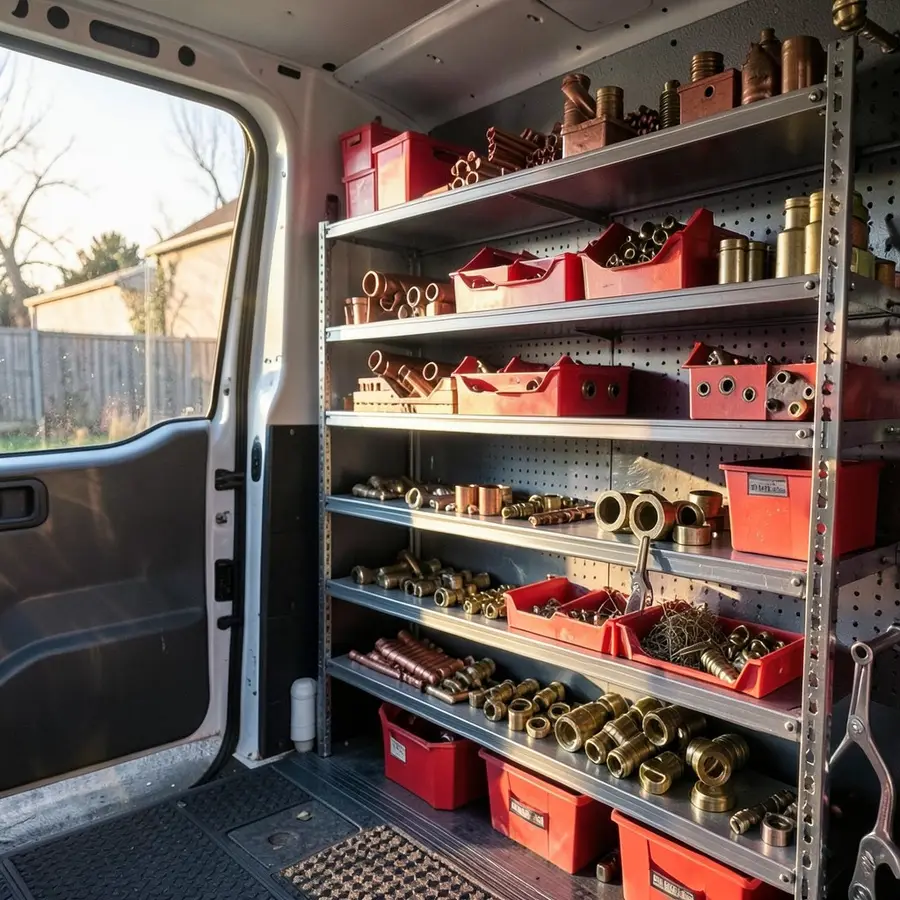
Pipe Camera Inspection in San Francisco — get a written scope before it escalates.
Degradation-driven failures rarely self-correct. Call to reach an independent California plumber and ask for a written estimate — before it becomes an emergency repair.
What else do people ask about pipe camera inspection in San Francisco?
When should San Francisco homeowners schedule a pipe camera inspection?
Four situations make camera inspection a sound investment: (1) slow or recurring drain clogs that return within weeks of snaking — the camera determines whether root intrusion, scale buildup, or a belly is causing the pattern; (2) pre-purchase inspection of a home with an unknown sewer lateral age; (3) before and after hydro-jetting to confirm the line was fully cleared; (4) before committing to an expensive repair — a camera scope can confirm whether a spot repair is sufficient or whether full replacement is warranted. Skipping the scope and going straight to excavation based on symptoms alone often leads to over-repair. Price ranges: sewer line repair cost guide.
What types of pipe can be inspected with a camera in San Francisco?
Camera inspection works on any pipe with a cleanout access: main sewer laterals (4-inch and 6-inch), branch drain lines (3-inch), and supply lines 2 inches or larger. The camera head size is matched to the pipe diameter. Limitations: the camera cannot navigate a collapsed section — physical blockage stops the snake. Some San Francisco homes have main cleanouts located in the floor of the basement mechanical room or outside near the foundation; locating the cleanout before the plumber arrives saves time on the appointment.
How does a pipe camera inspection handle a San Francisco property with no cleanout?
Cleanout access is required. If no exterior cleanout or floor cleanout exists, the plumber may access the line through a roof vent stack, through an existing toilet flange (after removing the toilet), or by installing a new cleanout as part of the scope. Cleanout installation can add a separate charge to the inspection cost but is a permanent improvement — all future camera work, snaking, and hydro-jetting becomes faster and less invasive. Many San Francisco homes built before 1970 lack exterior cleanouts; the plumber assesses access options during the estimate call. Price ranges: sewer line repair cost guide.
How much does a pipe camera inspection cost in San Francisco?
A standard main sewer lateral camera inspection in San Francisco runs a scope-based price for a camera-only service. When bundled with hydro-jetting, most plumbers discount the scope to a scope-based price. A full sewer scope with a written report, footage on USB, and locate marking (marking the depth and position of defects on the ground surface for excavation planning) runs a scope-based price. Specialty inspections — such as remote-sensing lateral inspections from the main without cleanout access — run higher. Always ask whether the report includes footage you can keep; it is essential documentation for a homeowner's insurance or warranty claim. Price ranges: sewer line repair cost guide.
How long does a pipe camera inspection take in San Francisco?
A standard main sewer lateral scope runs 30–60 minutes from setup to cleanout reinstallation. Add 15–30 minutes if the plumber needs to locate a cleanout, pull a toilet for access, or navigate a difficult line with multiple bends. Full reporting with depth marking and documentation adds another 15–20 minutes on-site. If a real-time review with the homeowner is requested — watching the camera feed and discussing findings as the camera moves — plan for a 90-minute appointment. The plumber typically provides verbal findings immediately and a written report within 24 hours.
What does a pipe camera inspection find in San Francisco homes?
The most common findings in San Francisco are: root intrusion at clay-tile joint seams (particularly in homes built before 1980 with mature trees nearby), scale buildup from hard water narrowing the drain diameter, offset joints from ground settlement or frost heave, bellied sections where the pipe dips below grade and holds standing water, and cracked or collapsed sections in older cast-iron or Orangeburg lines. The camera also identifies the pipe material with certainty — important when evaluating whether a partial repair or full replacement is the better long-term investment.
How does San Francisco's water hardness (1.0) affect pipe camera inspection?
San Francisco water is very soft (1.0), so mineral scale is not a significant driver of pipe camera inspection issues there. Corrosion-related problems (soft water can be slightly more aggressive toward copper over long periods) and age-related pipe deterioration are more common concerns in San Francisco than hard-water scaling.
How does San Francisco's median home age (86 years) affect pipe camera inspection pricing?
Census data (American Community Survey) puts San Francisco's median home age at 86 years. Age alone does not tell you what pipes a particular home has. Older homes may still have galvanized pipe, cast-iron drains or Orangeburg sewer laterals; homes built from the late 1970s to the mid-1990s may have polybutylene supply lines; and many homes of every age have been partly or fully repiped with copper pipe or PEX since. Ask the plumber what pipe materials your home has and whether they change the scope or the price of the job — a pipe material check is a reasonable part of a diagnostic visit.
What's the seasonal plumbing risk profile for pipe camera inspection in San Francisco?
Pre-1906-earthquake + post-fire reconstruction housing stock with 100-year-old galvanized + cast-iron systems drives constant repipe demand. Coastal salt-air corrosion, soft Hetch Hetchy water (1 gpg), seismic-strap requirements. No freeze risk. Understanding the local call pattern helps set realistic expectations for plumber availability and response time during peak periods — during high-demand weeks, advance scheduling is advisable for non-emergency work.
What affects the cost of pipe camera inspection in San Francisco, CA?
Pipe diameter, total footage inspected, number of cleanout access points, and whether a ground locator is used to mark the pipe position above grade are the primary variables. Homes without an exterior cleanout require access through a roof vent stack or toilet flange, adding setup time. The number of cameras and footage distance to be inspected are confirmed before the rate is set. Ask the plumber for a written estimate covering price, scope, and permit requirements before any work begins.
How do I check a plumber's license in California?
AlertPlumber does not license, vet or employ plumbers; calls are connected to independent local plumbers in our partner's network. Before work begins, ask the plumber for their California license number and look it up on the California licensing board's public database — it shows current standing, including any recent disciplinary actions, renewals, or lapses. Bonding, liability-coverage and continuing-education rules vary by state; ask for proof of insurance as well.
Does AlertPlumber charge a fee for connecting me with a plumber in San Francisco?
AlertPlumber does not charge homeowners. AlertPlumber is paid a referral fee by its routing partner for qualifying calls — it is not an added charge to you. Ask the plumber for a written price before any work begins; if the quote doesn't fit your situation, you can decline at any point.
The fix gets cheaper the sooner a plumber sees it.
Degradation problems compound quietly. Call now, or use the form below to reach an independent California plumber, and ask for an estimate for the pipe camera inspection — you are under no obligation.
Need a pipe camera inspection callback in San Francisco?
In a meeting, with the kids, or just prefer not to call? Drop your ZIP and number below. AlertPlumber sends your request to our routing partner — if a participating plumber serves your area, they may call you back directly. For anything urgent, call the number on this page.
- 1 Submit your info. ZIP, phone, and what kind of work you need.
- 2 AlertPlumber passes it on to our routing partner for your area.
- 3 If a participating plumber serves your area, they may call you back. Ask for a written estimate before work starts.
Pipe Camera Inspection in San Francisco — catch it early
Degradation-driven failures worsen over time and cost more to fix the longer they run. Ask the independent CA plumber you reach in San Francisco to diagnose your specific condition and put the scope in writing before any work begins.