
Emergency Water Heater Repair in San Francisco, California
Water Heater Repair in San Francisco, California fixes no-hot-water, leaking tank, pilot light, and thermostat issues. Local conditions in San Francisco: water measured at 1.0, a 0 frost line and a median home age of 86 years.
Active water damage compounds by the hour — the 24/7 line connects calls to independent local plumbers serving San Francisco in our partner's network.
Who do I call for a water heater problem in San Francisco?
A plumber handles water heater repair and replacement in San Francisco. It is urgent when water is leaking around the tank or there is no hot water at all. If you smell gas near a gas water heater, follow the gas-safety order at the top of this page before anything else.
What does the local plumbing data show for San Francisco, CA?
Seeing these conditions at your place in San Francisco? Describe them on the call to a state-licensed local plumber — free, no obligation.
What are the pipe conditions in San Francisco, CA?
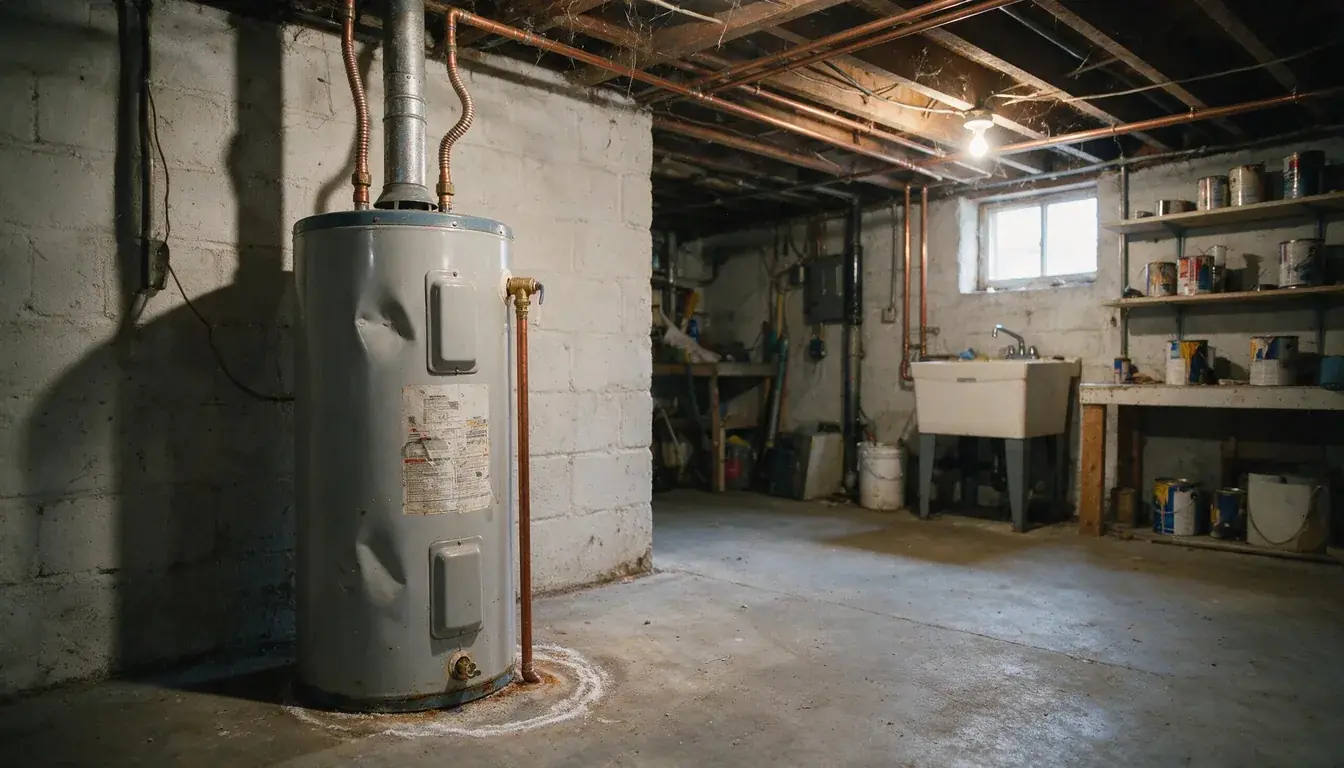
Water heater repair in San Francisco starts with isolating the failure mode: a unit producing no hot water usually has a failed heating element or thermostat (electric) or a pilot or gas valve issue (gas); a unit leaking at the base has a failed tank — a repair is not possible and replacement is immediate. Sediment flushing and anode rod replacement extend the life of units under 10 years significantly; units over 12 years are typically beyond economic repair. AlertPlumber routes your call to an independent California-licensed plumber — ask them to diagnose before recommending repair vs. replacement.
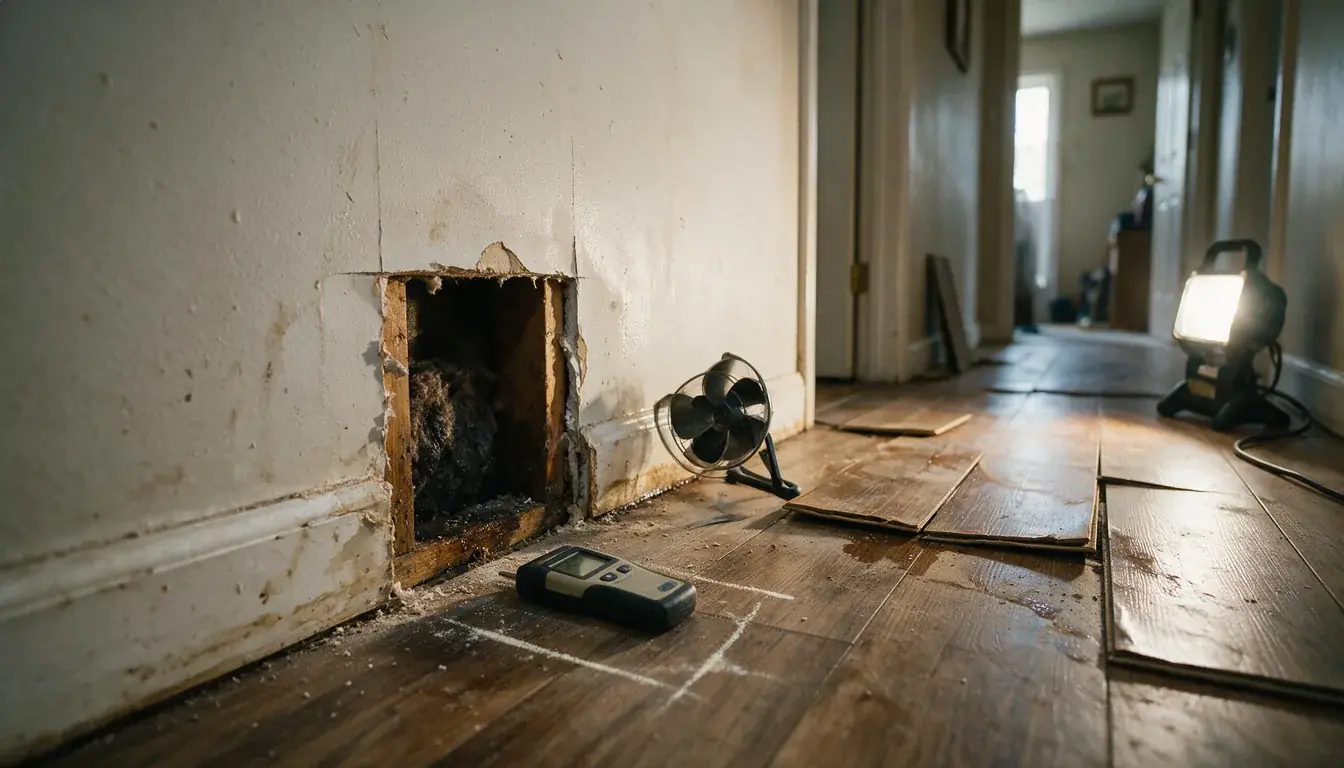
Pre-war housing in San Francisco — median home age 86 years — may still carry galvanized steel supply lines installed before the copper era. Galvanized pipe corrodes from the inside out: internal oxidation gradually narrows bore diameter, reduces water pressure, and eventually results in pinhole failure at corroded sections. Inspection confirms whether scale and corrosion warrant section replacement or full repipe. Homes of other eras in San Francisco may have copper pipe or polybutylene supply lines instead; ask the plumber which your home has.
- Median home age
- 86 yrs
- Water hardness
- 1.0 gpg
- Frost line
- 0 in.
- Permit
- City fee schedule
Census housing age, San Francisco city, California: median year built 1946; 61.3% of homes built before 1960, 76.5% before 1980. Source: U.S. Census Bureau, ACS 2020–2024 5-year estimates, tables B25034 and B25035, read 2026-09-30.
Mention these conditions when you describe the symptom to the CA plumber you reach.
What local infrastructure shapes Water Heater Repair in San Francisco?
San Francisco Public Utilities Commission (SFPUC) delivers Hetch Hetchy system water at 1.0 GPG — essentially distilled, with virtually no scale-forming minerals. At this hardness, sediment accumulation is absent as a water heater failure driver. The 86-year median housing age (1938 build) makes housing age the dominant failure context: Victorian and Edwardian flats in the Sunset, Richmond, Excelsior, and Mission districts have original gas supply infrastructure requiring combustion air and flue compliance evaluation during any water heater replacement.
San Francisco sits in Bay Area Seismic Zone 4 — flexible gas line connections (corrugated stainless steel, CSST) and seismic automatic gas shutoff valves are required on water heater installations. Thermal expansion tank sizing is critical given SFPUC's operating pressures across the city's varied topography. The permit fee at the scheduled fee plus plan check is among the highest in California, and SF DBI (Department of Building Inspection) review adds lead time to the permitting cycle. Permit fee ranges: permit fee estimator.
California CSLB C-36 licensing covers the 19,840 active plumbers in the greater Bay Area. SFPUC water at the scheduled fee per 1,000 gallons is the highest residential water rate among major California cities — a factor that makes heat-pump water heaters and recirculation pump efficiency upgrades financially compelling despite the high permit cost. With no frost depth and fewer than one annual freeze day, temperature-related failure modes are absent from the San Francisco market. Permit fee ranges: permit fee estimator.
What shapes plumbing demand in San Francisco, CA?
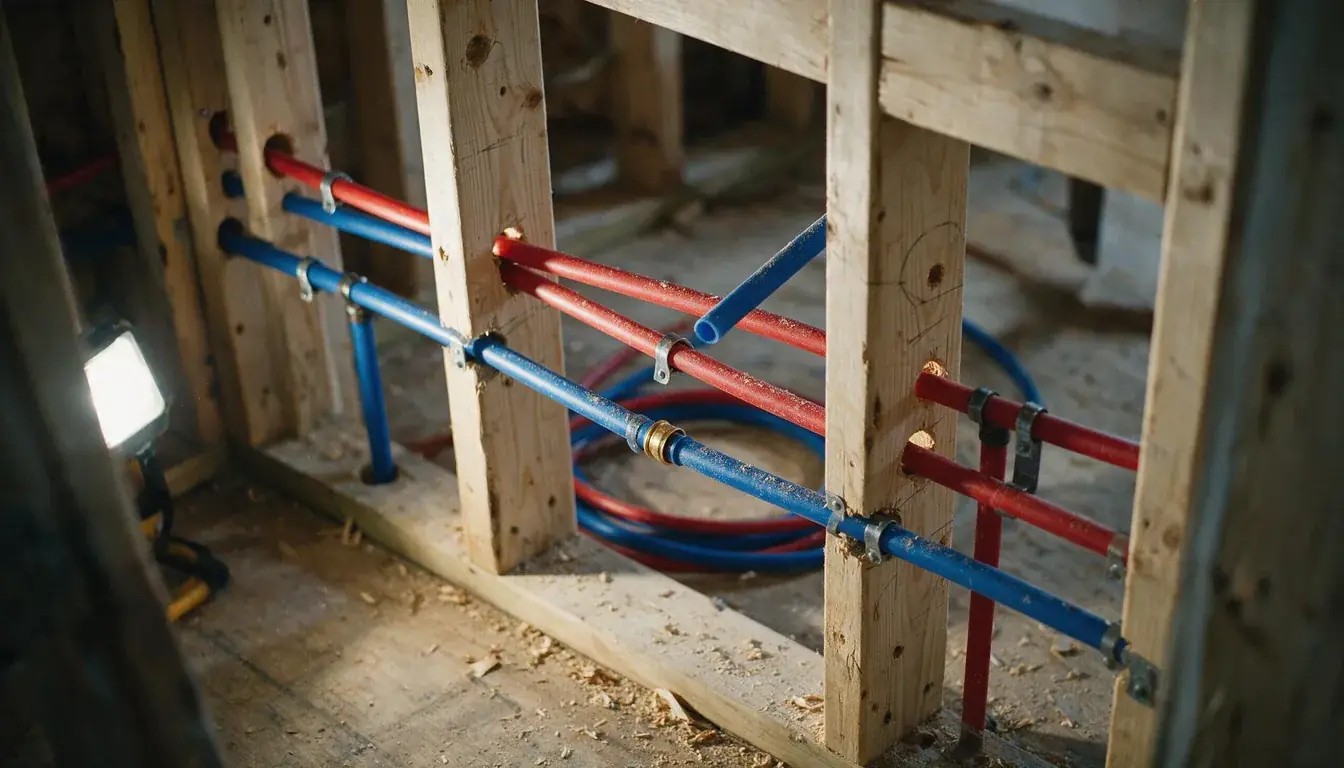
Galvanized supply lines and cast iron drain systems from the 1880s–1940s are past their 40–70-year design life across much of San Francisco. Interior rust scale progressively narrows pipe bore. Plumbers here routinely scope supply lines before quoting any repair — the underlying pipe condition often makes full replacement more cost-effective than patching.
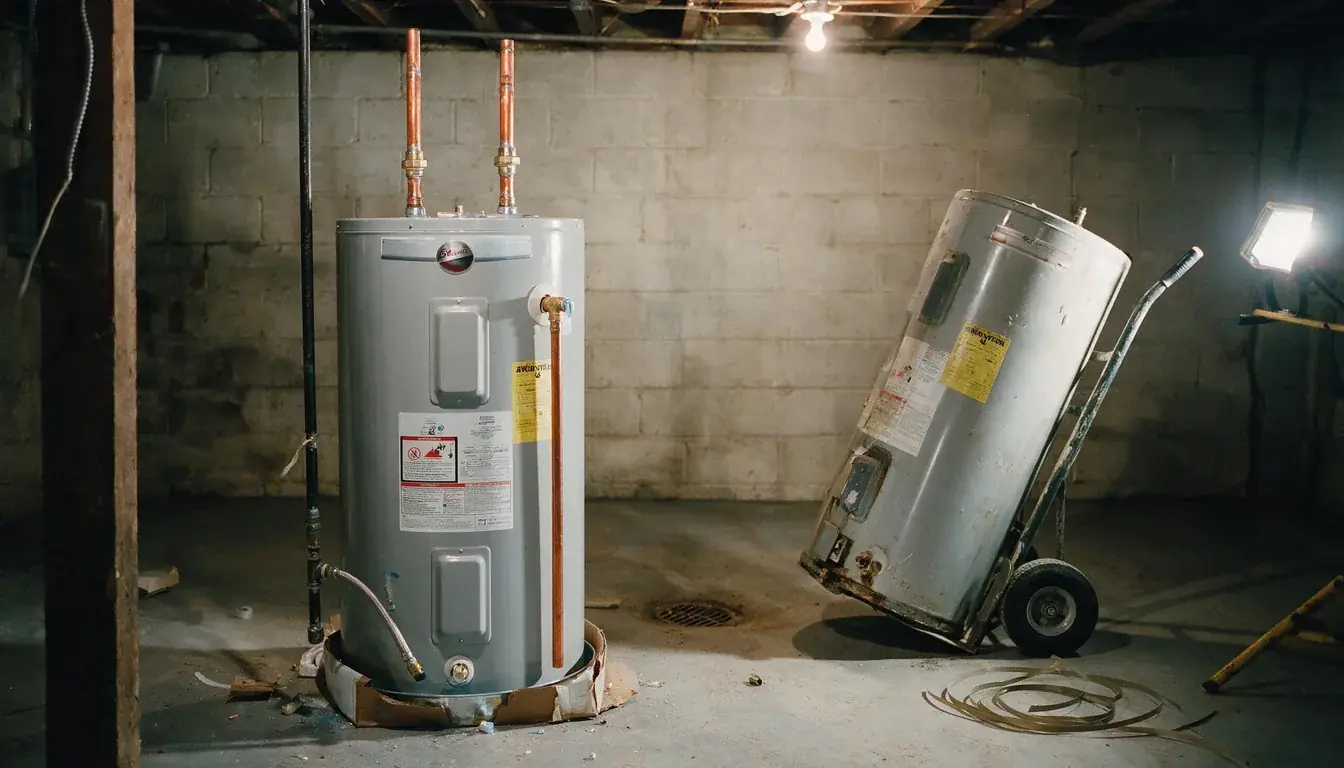
Soft, slightly acidic water in San Francisco is corrosive to copper pipe and solder joints — the opposite failure pattern from hard-water markets. Pinhole failure at fittings and elbows is the dominant non-emergency repair category. Anode rods also deplete faster in soft water, shortening effective tank life without timely replacement.
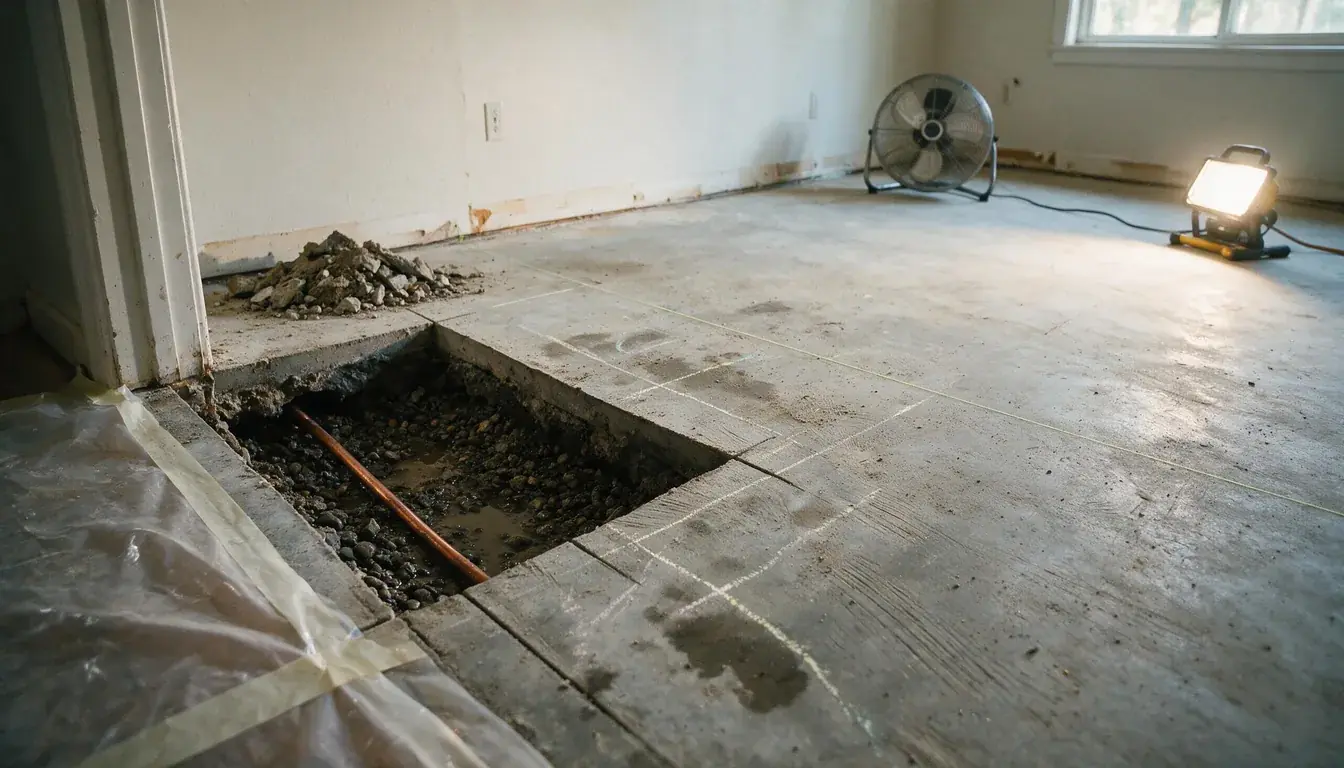
Summer heat above 95–115°F in San Francisco keeps sediment in suspension inside tank water heaters — accelerating element failure instead of allowing sediment to settle and flush. Attic-mounted supply lines face diurnal thermal stress year-round. Root intrusion concentrates around irrigated landscaping rather than distributing evenly across the full sewer lateral path.
Should you repair or replace a water heater in San Francisco?
- Where the water is coming from: ask whether a leak is at a replaceable part (a valve, fitting or drain valve) or the tank itself — the answer usually decides repair versus replacement.
- Age: the rating plate or serial number shows when the unit was made. Ask the plumber how old yours is and how that changes the advice.
- Symptom: no hot water, not enough hot water, rusty water or rumbling each point to different parts. Ask which part has failed and whether the rest of the unit is sound.
- Fit: if the size and fuel type have suited your household, a like-for-like replacement keeps the job simple.
76.5% of San Francisco homes were built before 1980 and the median home was built in 1946 (U.S. Census Bureau, ACS 2020–2024). In an older home, ask the plumber to look at the shutoff valve and supply connections at the same visit.
“If your current water heater meets your needs most of the time, you can probably replace it with one the same size.”
— ENERGY STAR (U.S. EPA), read 2026-10-01
“To make your life easier, plan ahead for your next water heater replacement and you will have time to research and select the best technology for your situation before it's an emergency.”
— ENERGY STAR (U.S. EPA), read 2026-10-01
Price ranges live on the cost guides: water heater repair cost → · water heater replacement cost → · signs a water heater needs replacing →
Tank or tankless: which water heater fits a San Francisco home?
- Sizing works differently: ask the plumber to size a tankless unit from the fixtures you run at the same time, not from the old tank’s gallons.
- For a gas tankless unit, ask whether the gas line and venting need changes; for an electric one, whether the electrical panel can carry it.
- Replacing like for like is usually the simpler job; switching type changes the installation, so ask for both options in writing.
“While the capacity of gas storage water heaters is based on the number of gallons that will fit in the tank, tankless models are rated by how many gallons of hot water they produce per minute (GPM).”
— ENERGY STAR (U.S. EPA), read 2026-10-01
“By heating water only when it's needed, ENERGY STAR certified gas tankless water heaters cut water heating expenses, while also providing continuous hot water delivery.”
— ENERGY STAR (U.S. EPA), read 2026-10-01
Gas water heaters: if you smell gas, the Public Service Commission of Wisconsin says:
“If you smell natural gas leave the area immediately and, from a safe distance outdoors, call the local gas utility's emergency number or 911.”
— Public Service Commission of Wisconsin, read 2026-09-29
Tankless vs tank water heater compared → · tankless installation cost → · tankless sizing guide → · Water Heater Installation in San Francisco → · Tankless Water Heater Installation in San Francisco →
Active damage in San Francisco — how is it contained, assessed and restored?
Submit your San Francisco address and describe the active damage — flooding, failed shutoff, burst or frozen line. AlertPlumber passes the request to an independent CA-licensed plumber in its partner's network — ask them to confirm receipt and give you an arrival window.
On arrival, ask the plumber to locate the nearest shutoff and map the damage boundary — affected lines, access points, material condition — and to tell you what requires immediate containment and what can wait until the full repair scope is confirmed.
Ask for a written containment and repair scope to approve before any work begins, with temporary isolation priced separately from full restoration. Give your explicit sign-off before each phase proceeds.
Water Heater Repair cost calculator — San Francisco
Pre-filled for water heater repair in San Francisco. Adjust the ZIP for a neighboring area, or change the service to compare. Calculator pulls from the city's scraped permit-fee + state plumber-density data.
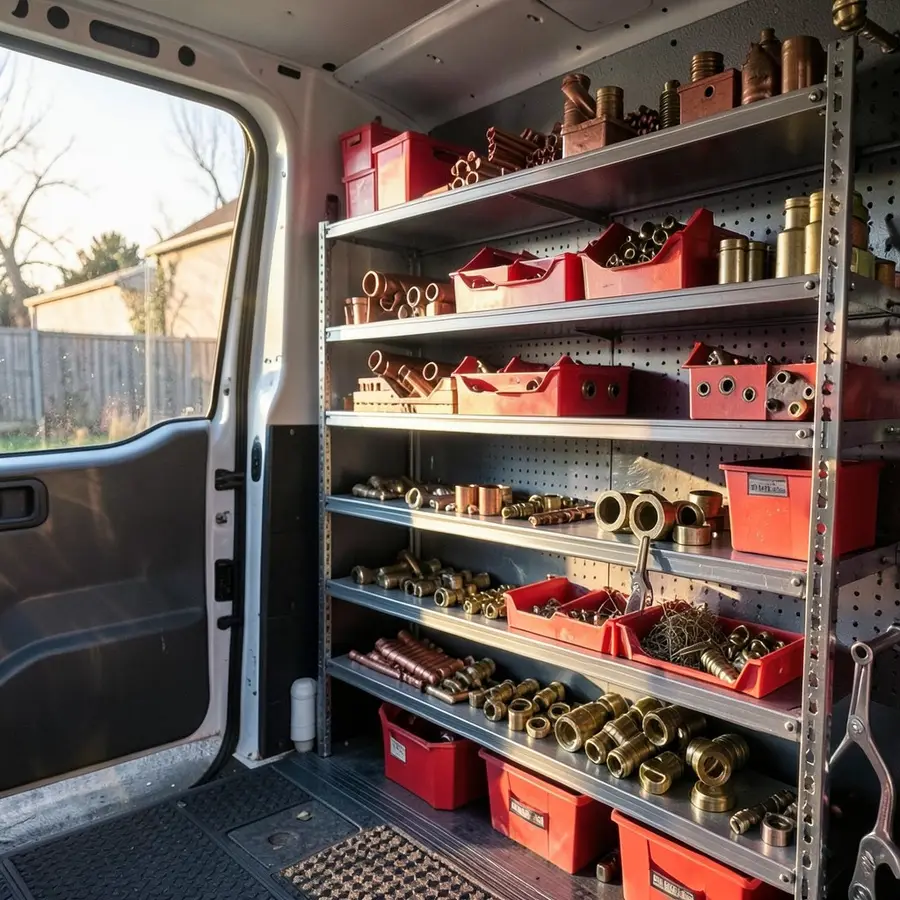
Water Heater Repair emergency in San Francisco?
Every hour without a repair increases structural risk and remediation cost. Calls connect to independent local plumbers in our partner's network — ask for an arrival time and a written estimate.
What else do people ask about water heater repair in San Francisco?
How much does water heater repair cost in San Francisco?
San Francisco water heater repair quotes typically run a scope-based price for a single-fault repair (replacement element, thermostat, T&P relief valve, gas control valve) and a scope-based price for a full 40–50 gallon tank replacement installed. The San Francisco plumbing permit fee bundles into any tank-replacement quote. Hard water at 1.0 grains/gallon drives faster sediment buildup than national average, so a replacement quote at age 7–8 is more common in San Francisco than in soft-water markets. Price ranges: water heater repair cost guide.
How fast can a San Francisco plumber arrive for a no-hot-water emergency?
Arrival times depend on which independent plumber takes the call, the time of day and the season — ask for an arrival window on the call. Response time depends on ZIP, call-out load, and whether the unit is gas or electric (parts inventory differs). The matched plumber confirms an exact ETA on the callback before rolling a truck. Older San Francisco homes with water heaters in attached garages or exterior closets often need extra time for code-bringup if a full replacement is needed.
Do I need a permit to repair my water heater in San Francisco?
Component-level repair (element, thermostat, T&P valve, anode rod) does not require a permit in San Francisco. A full tank or tankless replacement DOES require a permit: the San Francisco building department charges the scheduled fee for the plumbing/mechanical permit plus inspection. The state-credentialed California plumber pulls the permit on your behalf and includes the fee in the written quote. Permit-required scope is documented in IPC Chapter 5. 1.0-gpg hardness on the San Francisco Public Utilities Commission system in San Francisco accelerates anode-rod consumption and tank-bottom sediment baking — annual flushing extends tank life 2–3 years on average for 808,437-resident properties. Permit fee ranges: permit fee estimator.
My San Francisco water heater is leaking from the bottom — what does that mean?
Bottom-of-tank leaking on a San Francisco water heater almost always means the inner steel tank has perforated from sediment corrosion (accelerated at 1.0 gpg hardness). The tank cannot be repaired once perforated — replacement is the only fix. If the leak is from the drain valve or T&P discharge tube on the side, that's a component repair instead. Have a plumber confirm the source with a 5-minute visual before approving a full replacement. Price ranges: water heater repair cost guide.
How long should a water heater last on San Francisco water?
National average tank life is 12–15 years per DOE Energy Saver. San Francisco tanks at 1.0 gpg hardness average 8–11 years for gas units and 9–12 years for electric. Annual flushing extends San Francisco tank life by 2–3 years; pairing the tank with a whole-home softener can push it past the national average. Tankless units in San Francisco should get manufacturer-recommended descaling annually to maintain warranty.
Should I repair or replace a 7-year-old tank in San Francisco?
The San Francisco breakeven rule: if the repair quote exceeds 50% of replacement cost AND the tank is past 6 years on hard water, replace it. A gas-valve repair on an 8-year-old tank rarely makes sense — the next failure (element, anode, dip tube) usually arrives within 12–18 months. San Francisco homes built before 1990 also predate current seismic strapping and earthquake-shutoff valve code; replacement brings the install up to current code, which inspectors increasingly enforce on resale. Price ranges: water heater repair cost guide.
Will my California homeowners insurance cover water heater damage?
For San Francisco households, Standard California HO-3 policies cover sudden, accidental discharge water damage (a tank that ruptures and floods a room) but NOT the cost of replacing the tank itself, and NOT damage from gradual leaking the homeowner should have noticed. San Francisco homes with water heaters in attached garages often have visible drip pans — insurers may deny claims if the leak was visible for weeks. Document repair history; submit the plumber's written report with photos for fastest claim resolution. California insurance carriers cover sudden discharge water damage but not gradual leakage. Document the failure mode — California-credentialed plumber's written report supports claim approval for San Francisco properties.
What's the rumbling noise from my San Francisco tank?
Rumbling, popping, or kettle-boiling sounds from a San Francisco water heater come from sediment (calcium carbonate scale) baked onto the tank bottom, trapping water that flashes to steam under the burner or element. At 1.0 grains/gallon hardness, San Francisco tanks accumulate visible sediment in 3–5 years. A flush may quiet it temporarily; if rumbling has been ongoing for over a year, the tank is near end of life and a replacement quote saves money over chasing component repairs. Price ranges: water heater repair cost guide.
My gas water heater pilot keeps going out in San Francisco — what is wrong?
Pilot-light failures on San Francisco gas tanks are usually one of three issues: (1) failed thermocouple — repair, the most common cause; (2) clogged pilot orifice from spider webs or dust (common in garage and exterior-closet installs); or (3) failing gas control valve — a scope-based price. The state-credentialed plumber tests thermocouple millivolt output before quoting a more expensive valve replacement. If the unit is past 8 years on 1.0-gpg water, ask for a repair-vs-replace comparison before approving the fix. Price ranges: water heater repair cost guide.
How do I check the license of plumbers in CA?
The partner network requires every plumber routed through AlertPlumber in San Francisco to maintain active California state-credentialed status. CA CSLB, 2024 Q4 lists 19,840 active CSLB C-36 statewide. The state board verifies licensure on a continuous basis and AlertPlumber routes only to plumbers in good standing. Homeowners can independently confirm any specific plumber's credentials via the state board lookup before authorizing work. Local context. Pre-1906-earthquake + post-fire reconstruction housing stock with 100-year-old galvanized + cast-iron systems drives constant repipe demand. Coastal salt-air corrosion, soft Hetch Hetchy water (1 gpg), seismic-strap requirements. No freeze risk. 808,437 San Francisco residents on the San Francisco Public Utilities Commission system at 1.0 grains/gallon hardness drive faster sediment buildup and shorter tank life than national averages — replacement quotes start arriving sooner here. Median home age 86 years.
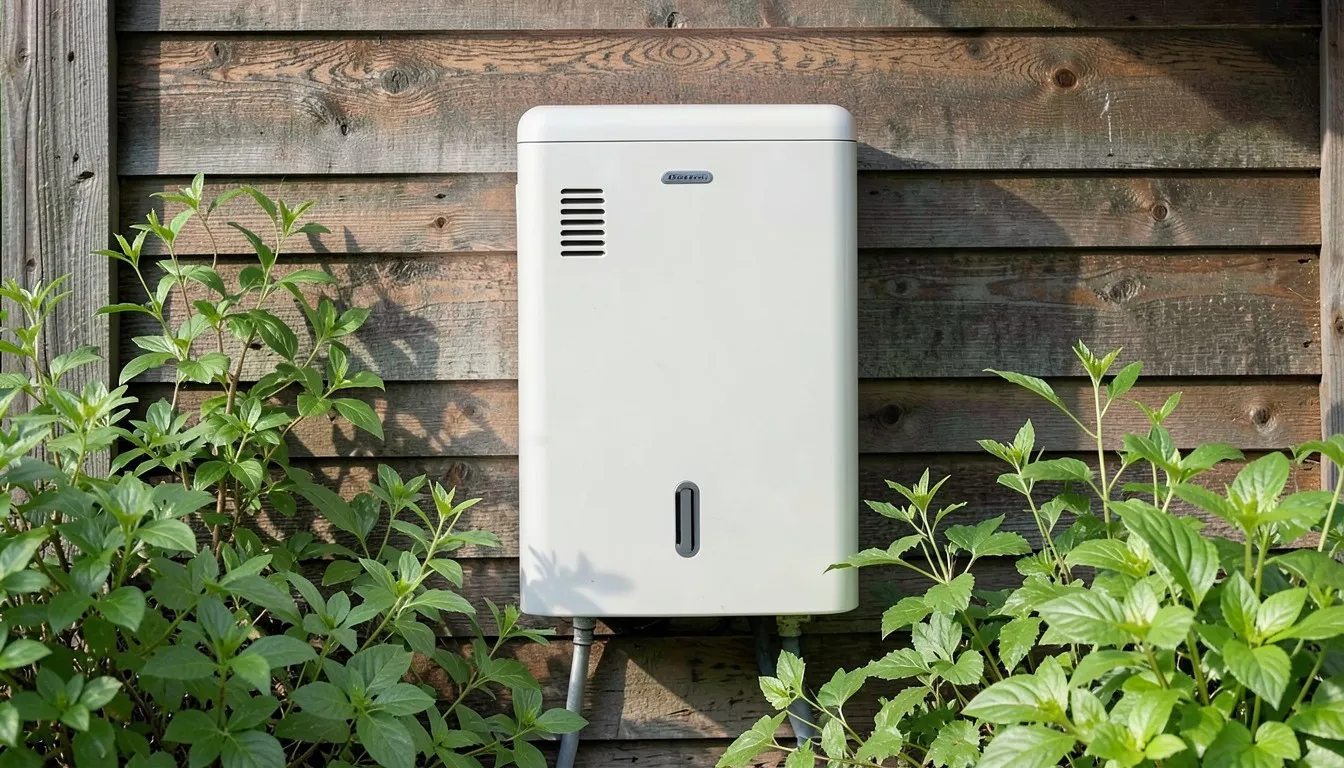
One call puts your problem in front of a local plumber.
Call the number, or put your number in the form below — the request goes to an independent California plumber in our partner's network; ask about the water heater repair and for a written estimate.
Need a water heater repair callback in San Francisco?
In a meeting, with the kids, or just prefer not to call? Drop your ZIP and number below. AlertPlumber sends your request to our routing partner — if a participating plumber serves your area, they may call you back directly. For anything urgent, call the number on this page.
- 1 Submit your info. ZIP, phone, and what kind of work you need.
- 2 AlertPlumber passes it on to our routing partner for your area.
- 3 If a participating plumber serves your area, they may call you back. Ask for a written estimate before work starts.
Water Heater Repair in San Francisco — when to call
Acute plumbing failures cannot wait. AlertPlumber routes calls about water heater repair in San Francisco to independent California plumbers in our partner's network — call now or submit the form above for a callback.